In today's fast-moving apparel world, sourcing affordable formalwear is not just a cost issue—it’s a strategic advantage. For brand owners like Ron who are scaling operations in the U.S. fashion market, finding reliable, cost-efficient sources for formal shirts and suiting separates is essential to protect margins and meet seasonal demand.
Affordable sourcing for formal shirts and suiting separates requires a blend of smart supplier selection, strong negotiation, and quality control. Trusted manufacturers in China like us—Shanghai Fumao—provide full-package, brand-ready solutions with competitive pricing, rigorous QC, and dependable logistics.
Many American buyers struggle with delays, poor finishes, and pricing traps when sourcing suiting separates abroad. The key to solving these issues lies in choosing factories that understand both Western market expectations and bulk manufacturing efficiencies. This article explores how to source affordable formalwear while avoiding common pitfalls.
What Are the Best Fabrics for Affordable Formalwear?
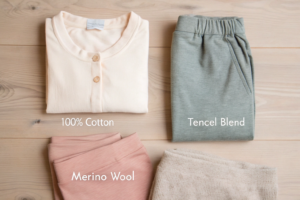
Affordable formalwear starts with smart fabric choices. Many first-time buyers mistakenly assume quality must be sacrificed when working within budget. In reality, selecting the right fabric composition allows you to maintain comfort, appearance, and durability while lowering costs.
Which Low-Cost Fabrics Work for Formal Shirts?
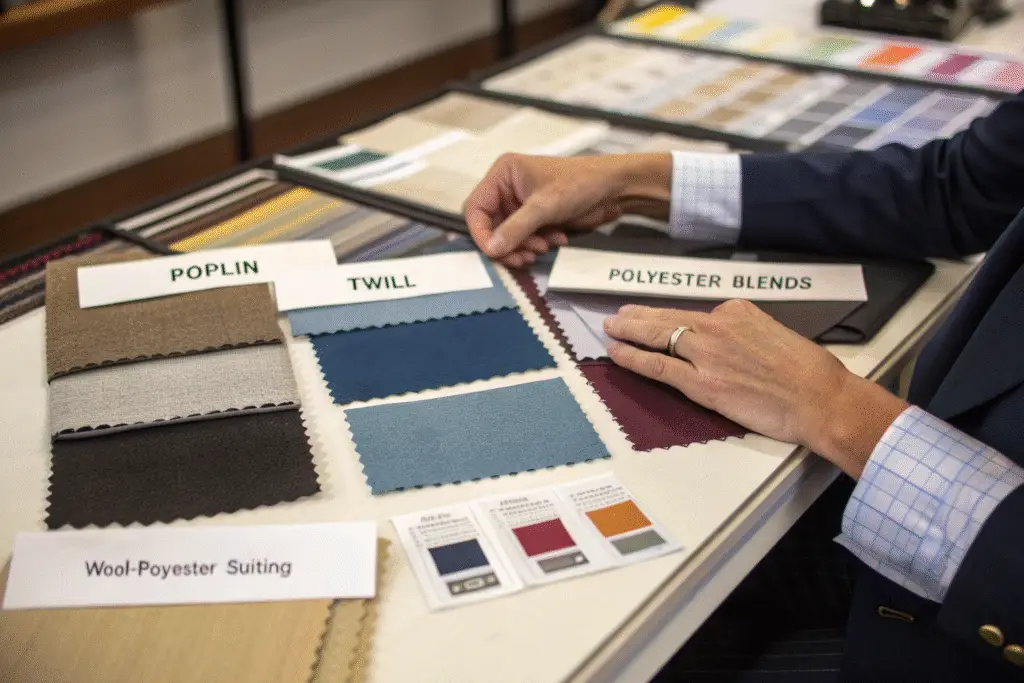
Cotton-polyester blends are the king of budget formal shirts. They offer the crisp appearance of cotton with the durability and easy care of polyester. A popular choice is the 65/35 poly-cotton blend. It resists wrinkles and shrinks less in wash cycles. Twill weave shirts are another great option—they look professional and can be made with budget fibers without losing structure.
For wrinkle-free finishes, CVC fabrics (chief value cotton) balance comfort and affordability. They're ideal for uniform programs or entry-level corporate lines.
Can Blended Suiting Fabrics Still Look Premium?
Absolutely. While 100% wool is luxurious, wool-polyester blends (commonly 70/30 or 50/50) can mimic the handfeel and drape of wool at nearly half the price. These fabrics perform well in machine tailoring, resist pilling, and maintain shape.
Synthetic suiting blends—like TR fabric (Terylene Rayon)—are popular in fast fashion and mass-market collections. They look elegant when woven in classic textures like sharkskin or herringbone, and can be dyed in a wide color palette.
How to Choose the Right Supplier in China or Asia?
Sourcing from Asia is no longer just about price—it's about reliability, communication, and alignment on brand expectations. The right supplier isn't just a manufacturer. They are your partner in cost control and quality delivery.
What Should I Look for in a Shirt or Suit Factory?
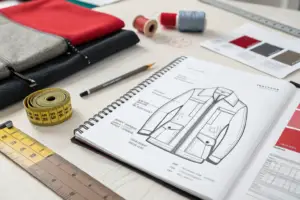
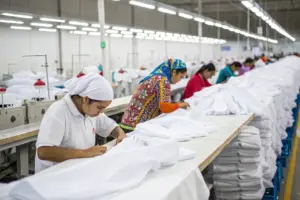
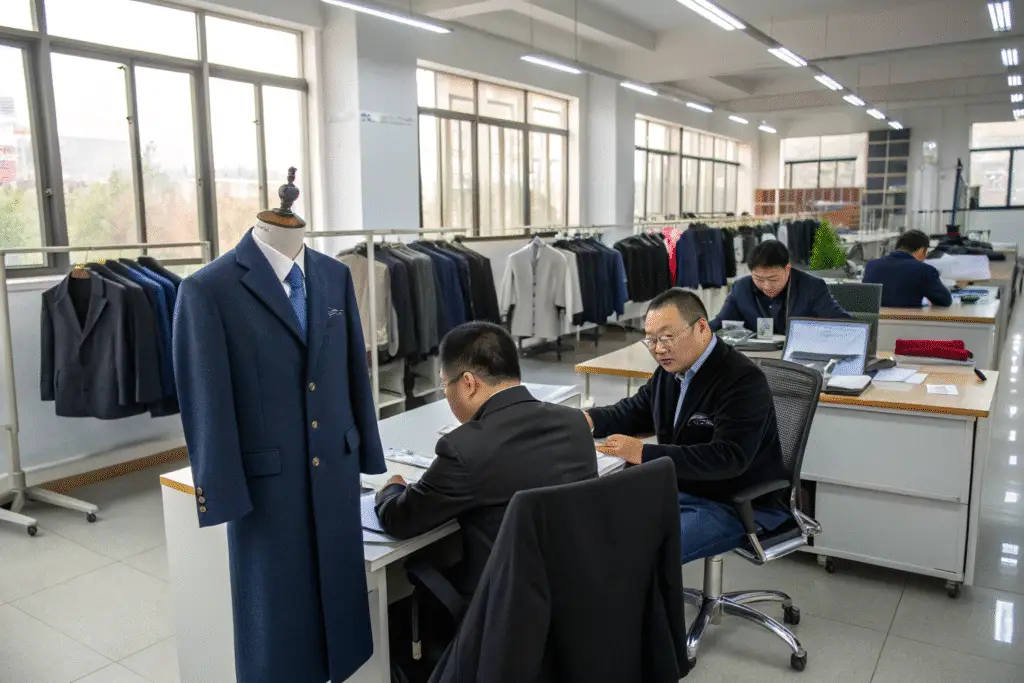
Look beyond surface-level claims. The best factories offer full-package production (FPP) including material sourcing, pattern making, cutting, stitching, pressing, and even brand labeling. For instance, at Fumao Clothing, we provide private label services for U.S. clients with low MOQs and premium finishing options.
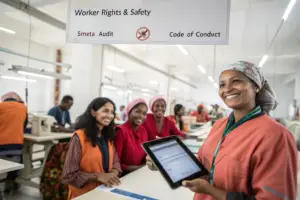
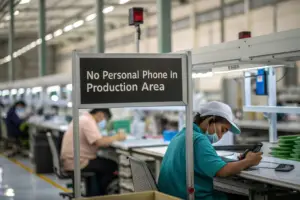
Ask for certifications like BSCI or WRAP to ensure ethical production. Also, check if the factory owns its production lines or subcontracts (which increases risk of miscommunication and delay). A reliable factory should send clear tech pack confirmations and sample approvals.
Is Vietnam or India Better than China Now?
Vietnam and India offer labor cost advantages, but their infrastructure may cause delays or limited fabric availability. For formalwear in particular, China still leads in fabric supply chain integration, trimming availability, and production consistency.
That said, some buyers diversify by combining shirt sourcing in Vietnam with suiting in China to manage risk. Whichever route you choose, ensure that factory communication is proactive, as time zone gaps can result in errors or timeline slippage.
What Are Cost-Saving Tips Without Sacrificing Quality?
Buyers often focus only on fabric price. But cost control comes from optimizing the entire workflow—from sampling to shipping. You don’t have to compromise on stitching or buttons to save money. You just need smarter strategies.
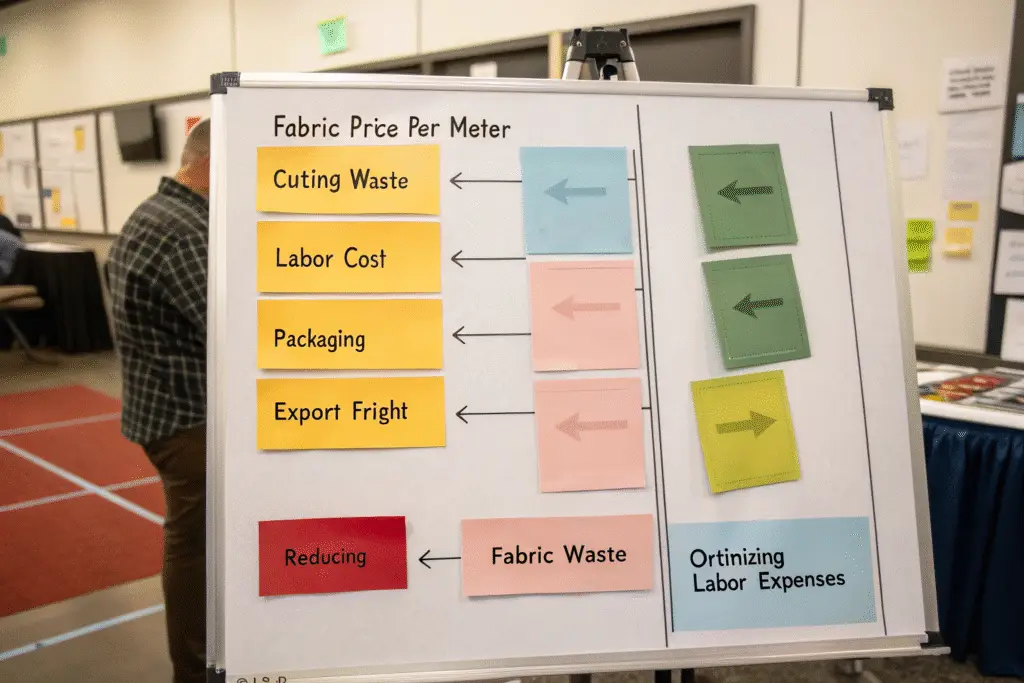
Can Batch Production Really Lower My Unit Cost?
Yes, batching is one of the most efficient cost-reduction strategies. When you order in set ratios—like 1:2:2:1 for sizes S–XL—factories can reduce fabric waste and use standardized markers for cutting.
Also, consolidating fabric types across shirt or suit designs helps lower the MOQ per fabric dye-lot. For example, using the same navy twill for both trousers and jackets ensures full utilization.
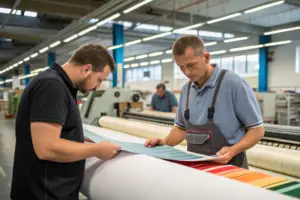
Lean production methods are another way top factories keep overheads low. Ask your supplier if they support piece flow production or modular sewing to avoid bottlenecks.
Should I Ship by Air or Ocean for Formalwear?
Shipping costs can eat your margins. Unless you have an urgent seasonal order, choose ocean freight with DDP (Delivered Duty Paid). This includes customs clearance, last-mile delivery, and taxes—giving you full cost transparency.
Consolidated shipping options allow you to mix small orders with other buyers in the same container. This method is perfect for medium-scale brands sourcing 500–1,000 units per SKU.
What Quality Control and Labeling Should I Require?
Affordable doesn’t mean careless. If your formalwear reaches U.S. stores with broken buttons or uneven collars, your brand reputation suffers. QC must be built into the process, not just an afterthought.
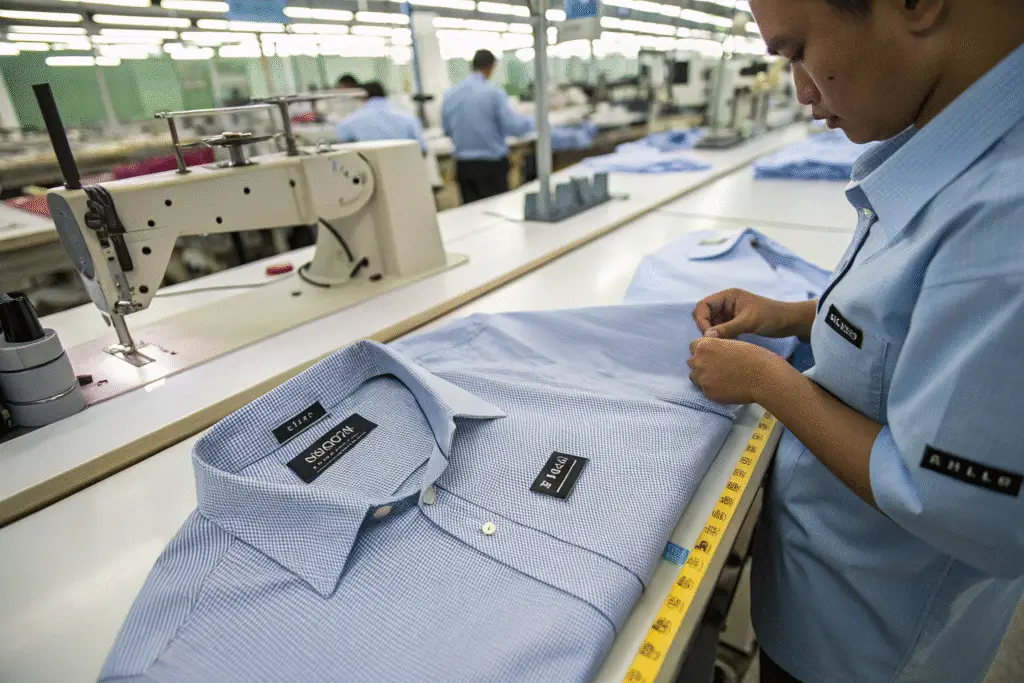
How Do I Ensure My Shirts and Suits Pass Final Inspection?
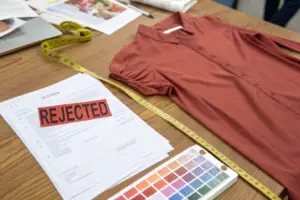
Use AQL-based inspection systems. The most accepted standard is AQL 2.5 for general garments. Ask your factory for pre-shipment reports or hire third-party QC firms like Intertek or SGS.
At Fumao, we inspect each piece for seam integrity, fabric flaws, and pressing consistency. We also do needle detection for suiting separates to meet U.S. safety compliance. Don’t forget to test button pulling strength—broken buttons are a common complaint in return claims.
Can I Get Custom Labels and Packaging for Low MOQ?
Yes. Many factories now offer custom woven labels, heat transfers, and hang tags even for small orders. At Fumao, we provide branded packaging, including shirt collar supports, plastic clips, and suit dust bags.
You can also ask for barcode integration for U.S. inventory systems. Our warehouse-ready packaging helps U.S. distributors resell quickly without relabeling. Label Source offers inspiration if you want to explore styles before sending us your tech pack.
Conclusion
Sourcing affordable formal shirts and suiting separates doesn’t mean compromising your brand quality or values. With the right factory partner, you can balance pricing, maintain professional standards, and meet tight timelines. The key lies in fabric strategy, batch optimization, supplier vetting, and embedded quality control.
If you’re looking to launch or expand your formalwear line for men or women, Shanghai Fumao is ready to be your trusted partner. With 5 production lines, ethical manufacturing practices, and seamless DDP delivery to North America, we help American fashion businesses like yours succeed.
To discuss your next project, contact our Business Director Elaine at: elaine@fumaoclothing.com