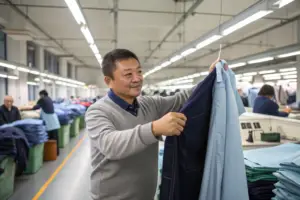
Fabric selection presents a significant challenge for apparel brands. This decision impacts product quality and market success. Our guide provides a systematic approach to this crucial process.
The chosen fabric fundamentally determines a garment's performance and consumer appeal. Strategic fabric selection during development meetings ensures product viability. This practice safeguards profit margins and brand reputation.
This analysis examines the key considerations for optimal fabric selection. We address both technical specifications and practical implementation aspects.
What Are The Key Factors In Fabric Selection For Garments?
Fabric selection requires balancing multiple technical and commercial factors. These elements collectively determine the final product's market reception.
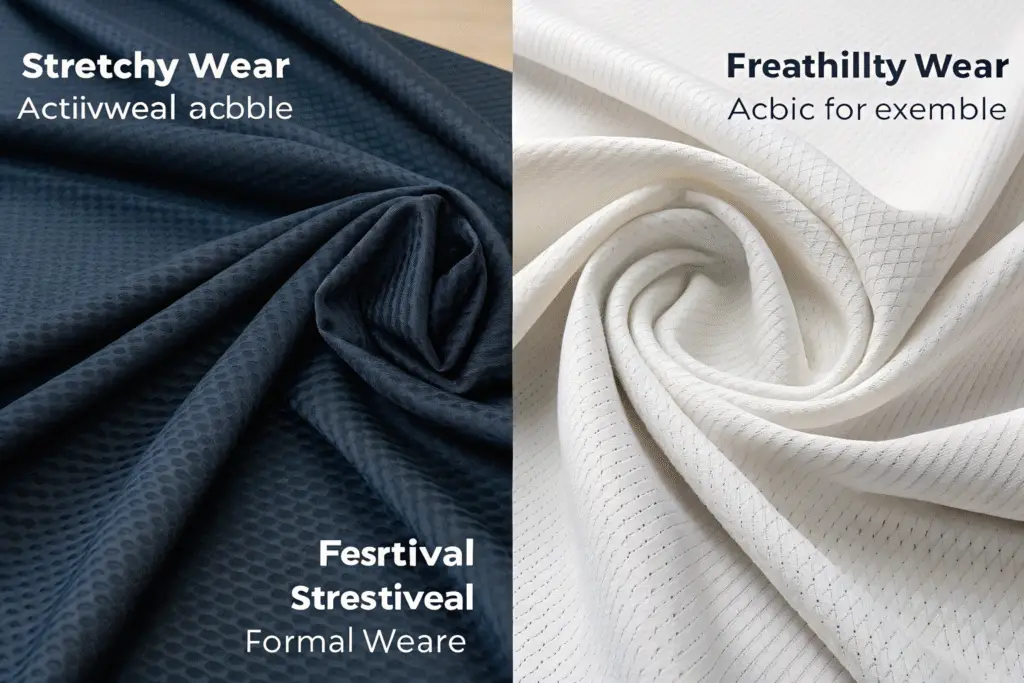
Primary considerations include performance characteristics and cost parameters. Manufacturers must align fabric properties with intended garment use. The fabric for activewear demands different properties than fabric for formal wear.
How does fabric composition influence garment quality?
Fabric composition establishes the fundamental material properties. This specification dictates care requirements and wearing comfort.
Natural fibers like cotton provide superior breathability. These materials work well for T-shirts and casual wear. Synthetic fibers like polyester offer enhanced durability. They appear frequently in sportswear applications. Blended fabrics combine complementary characteristics. A cotton-polyester blend maintains comfort while improving durability.
Why is understanding fabric weight and durability crucial?
Fabric weight indicates material density and thickness. This measurement directly affects garment drape and seasonal appropriateness.
The table below correlates fabric weight with typical applications:
| Fabric Weight (GSM) | Typical Garment Use |
|---|---|
| 130-180 GSM | Lightweight T-shirts, summer tops |
| 180-220 GSM | Standard T-shirts, polo shirts |
| 220-300 GSM | Heavy-weight sweatshirts, hoodies |
| 300+ GSM | Winter jackets, thick sweaters |
Durability considerations are particularly important for kids' wear. These garments undergo frequent washing and vigorous wear. Appropriate weight selection ensures product longevity.
How To Communicate Fabric Needs With Your Manufacturer?
Effective manufacturer communication prevents production errors. Clear specifications ensure accurate execution of design concepts.
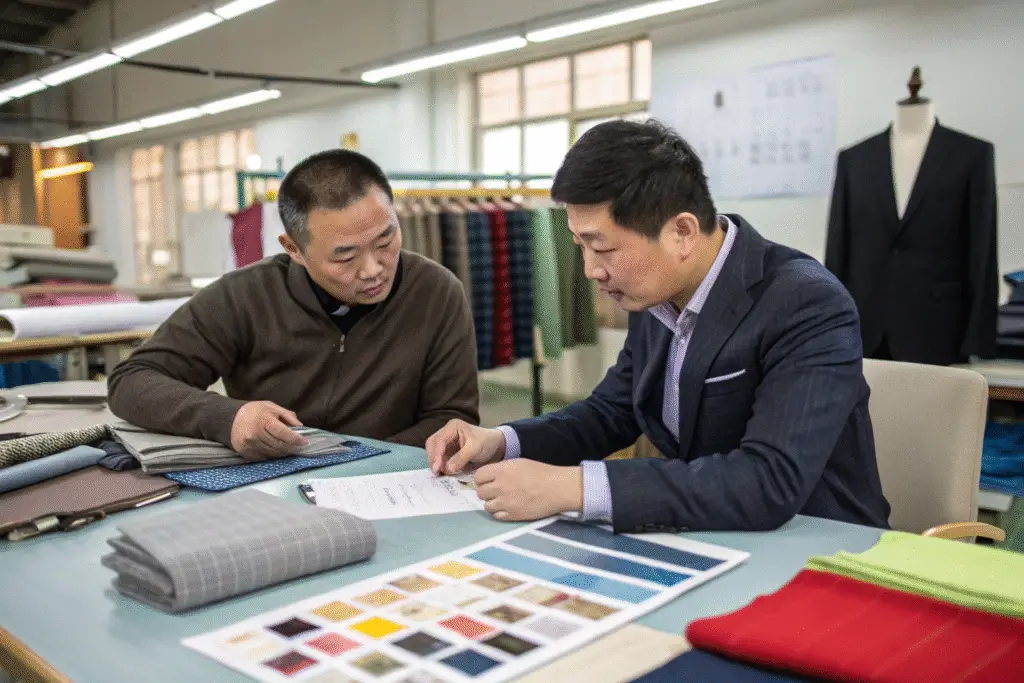
Technical documentation provides the foundation for successful production. Detailed information aligns manufacturer capabilities with brand expectations. This coordination optimizes factory production lines.
What are the essential fabric specifications to provide?
Comprehensive technical packages should include multiple fabric parameters. These specifications guide material sourcing and production planning.
Critical information includes exact composition percentages. Weight specifications must appear in GSM units. Construction details should identify knitting or weaving techniques. Finish descriptions need to specify any special treatments. These elements collectively form a complete product development blueprint.
Why are physical fabric samples and swatches vital?
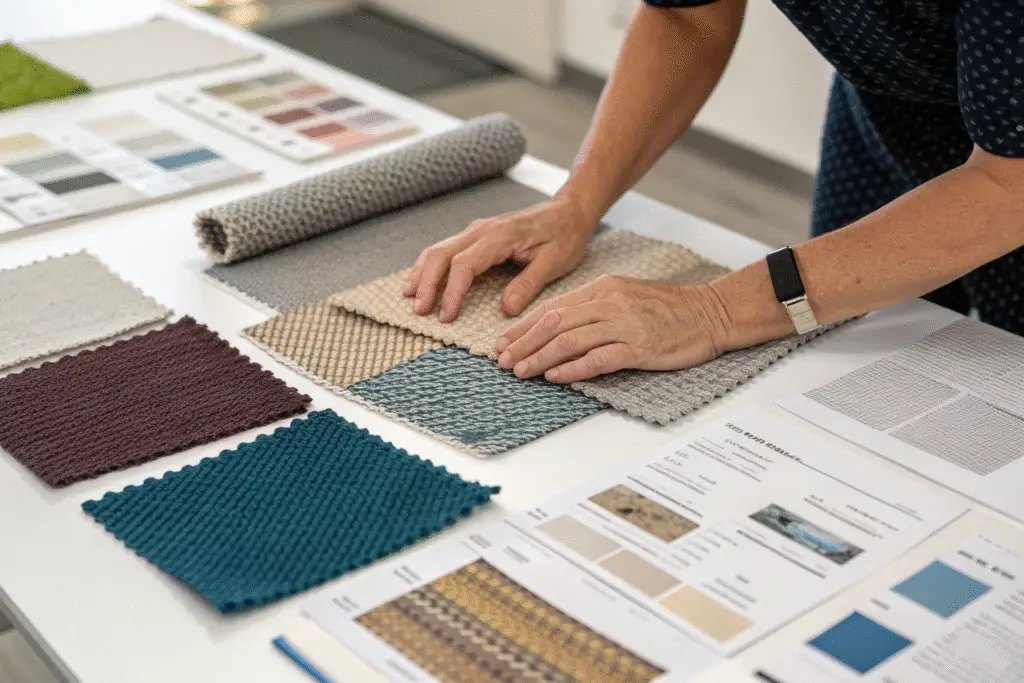
Physical samples provide tangible reference points. These materials allow direct assessment of hand-feel and color accuracy.
Pre-production samples enable thorough quality verification. Brands should conduct shrinkage and colorfastness testing. This process forms an integral part of our quality assurance protocol. Sample approval prevents the delayed shipments that concern many buyers.
What Are Common Fabric Sourcing Mistakes To Avoid?
Several common errors compromise fabric sourcing outcomes. Awareness of these pitfalls helps brands implement preventive measures.
Typical mistakes include disproportionate cost focus and inadequate verification processes. These oversights create problems during later logistics and sales phases.
Why is prioritizing low cost over value a critical error?
Minimum cost focus often compromises product integrity. Inferior materials frequently exhibit pilling and color fading.
Value-based selection considers total lifecycle performance. Durable fabrics reduce customer returns and protect brand reputation. Our approach demonstrates that competitive pricing accommodates quality requirements.
How can inadequate fabric testing lead to product failure?
Fabric testing provides essential performance validation. Skipping these assessments creates significant business risk.
Standard testing protocols examine multiple parameters. Shrinkage tests predict dimensional changes after washing. Colorfastness evaluations check dye stability. Pilling tests assess surface durability. Our quality control includes rigorous testing to prevent certificate falsification issues.
How To Ensure Fabric Quality And Ethical Certification?
Modern consumers expect responsible manufacturing practices. Verification systems provide evidence of compliance with standards.
Certification documents offer independent validation of manufacturer claims. This evidence supports brand marketing assertions. It strengthens B2B partnership credibility.
What certifications should a reliable fabric supplier have?
Several international standards verify fabric quality and production ethics. These certifications address different aspects of manufacturing.
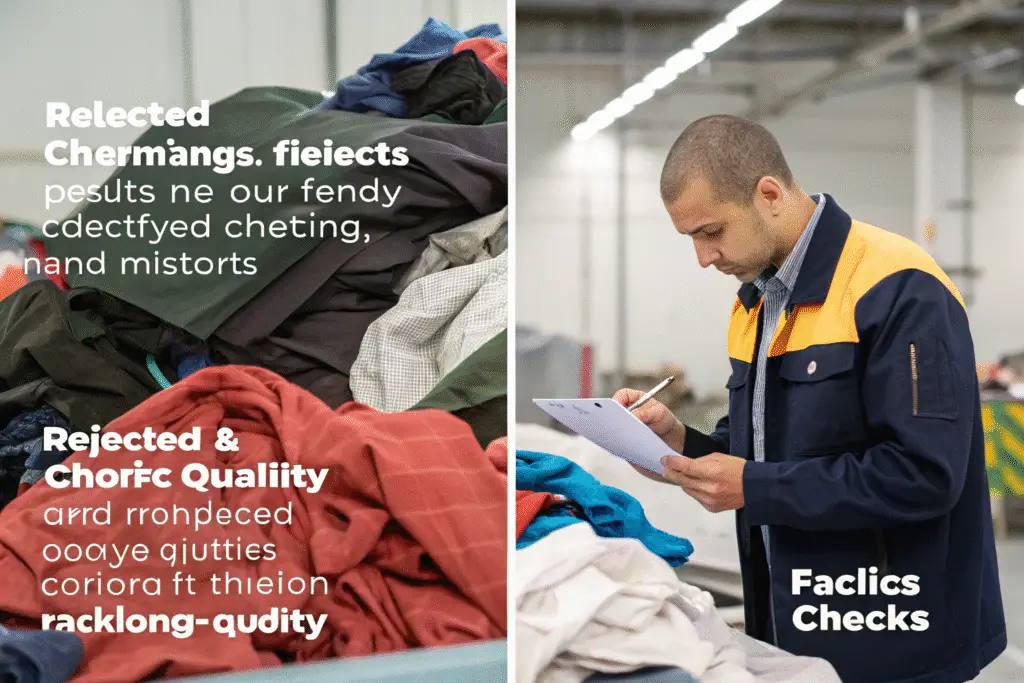
OEKO-TEX Standard 100 confirms absence of harmful substances. This certification is vital for kids' wear products. GOTS certification validates organic fiber integrity. GRS certification tracks recycled material content. Reputable manufacturers provide these documents willingly.
What role does factory auditing play in fabric sourcing?
Auditing processes verify actual manufacturing conditions. These assessments complement certification documentation.
Factory audits examine working conditions and environmental practices. They provide crucial verification for developing country sourcing. Our full-package manufacturing welcomes auditing. This transparency addresses supplier verification concerns.
Conclusion
Fabric selection requires methodical evaluation of multiple factors. Technical specifications must align with commercial objectives.
Successful outcomes depend on comprehensive specification and verification. Proper certification and testing prevent quality issues. This disciplined approach builds consumer trust and brand value.
Professional guidance ensures optimal fabric selection decisions. Our expertise supports brands throughout this complex process. For your next clothing order, please contact our Business Director Elaine at: elaine@fumaoclothing.com.