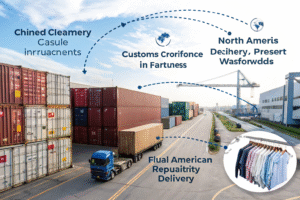
Finding the right manufacturer for kids wear using DDP (Delivered Duty Paid) terms can be challenging. Many brands struggle with compliance issues, quality consistency, and hidden costs. I've seen companies choose manufacturers based solely on price, only to face safety compliance problems that cost them dearly.
Selecting the right kids wear manufacturer for DDP requires verifying safety compliance certifications, assessing specialized experience in children's apparel, evaluating their DDP logistics capability, and ensuring transparent pricing. The manufacturer must understand both production and the complex logistics of delivering finished goods to your door.
The stakes are higher with kids wear due to strict safety regulations. A good DDP partner handles everything from production to final delivery, including customs clearance and duties. Let me share what we've learned from years of specializing in kids wear DDP manufacturing.
Why Are Safety Certifications Non-Negotiable?
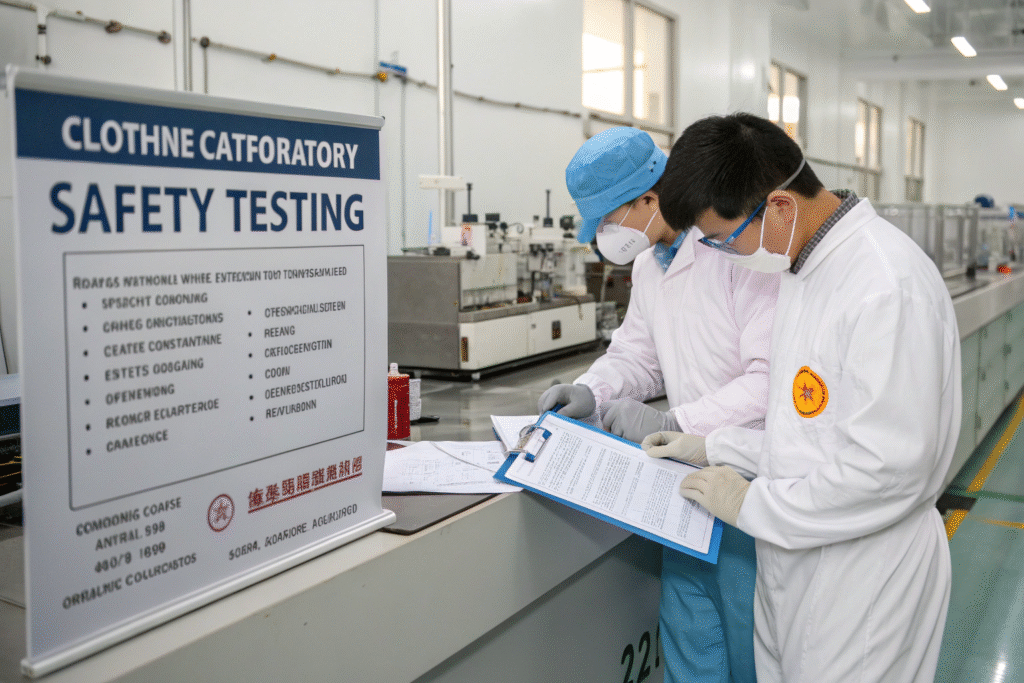
Safety certifications are crucial for kids wear because children's clothing faces stricter regulations worldwide. Without proper certifications, your shipment could be rejected at customs or, worse, cause safety issues for children.
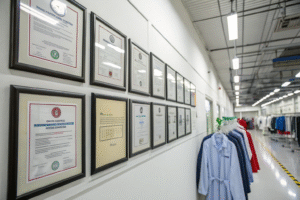
The essential certifications for kids wear include CPSIA for the US market, CE marking for Europe, and OEKO-TEX Standard 100 for fabric safety. These ensure products are free from harmful substances and meet flammability standards. We recently helped a client whose previous manufacturer hadn't provided proper CPSIA documentation, resulting in a detained shipment at Los Angeles port.
What certifications are essential for US market?
For the US market, CPSIA (Consumer Product Safety Improvement Act) compliance is mandatory. This includes tracking labels, phthalates testing, and lead content limits. Additionally, flammability standards for children's sleepwear must be met. We maintain full CPSIA documentation for all our US-bound kids wear shipments. Last quarter, we helped a new brand navigate their first CPSIA certification process, ensuring their pajama collection met all safety requirements before production.
How do European safety standards differ?
European standards require CE marking for children's clothing, which indicates compliance with the Toy Safety Directive for apparel with decorative elements. The REACH regulation restricts hazardous chemicals, and EN 14682 covers safety of children's clothing cords and drawstrings. We've developed specialized expertise in these regulations through years of shipping to European clients. A German client specifically chose us because we proactively identified and resolved a potential drawstring compliance issue in their hoodie designs.
What Specialized Experience Matters in Kids Wear?
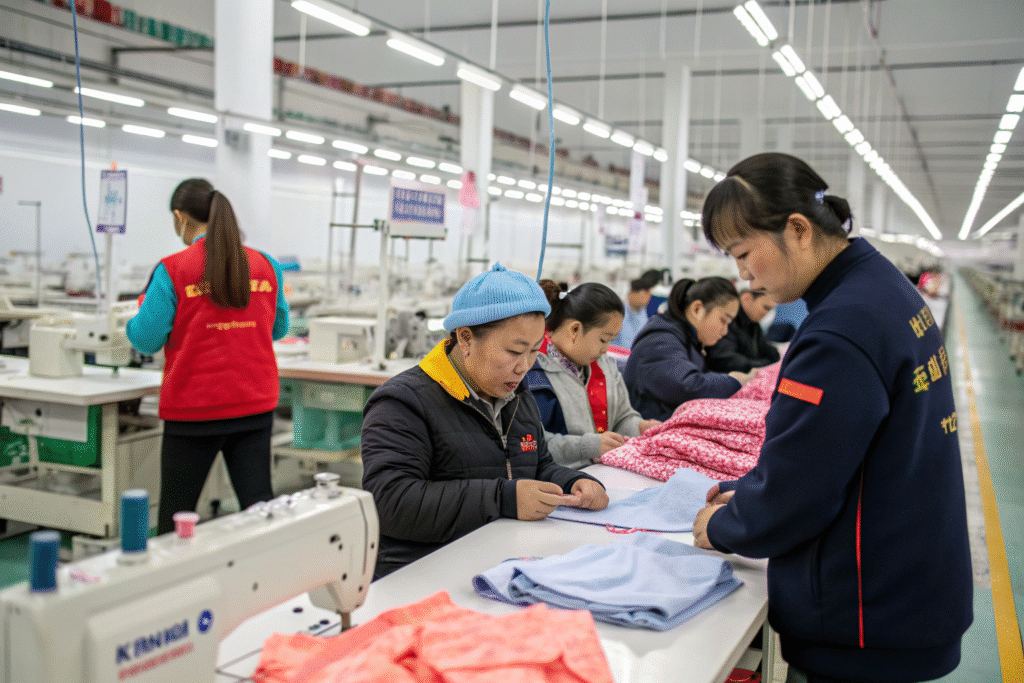
Kids wear manufacturing requires different expertise than adult clothing. The patterns, proportions, construction methods, and safety considerations are unique to children's apparel.
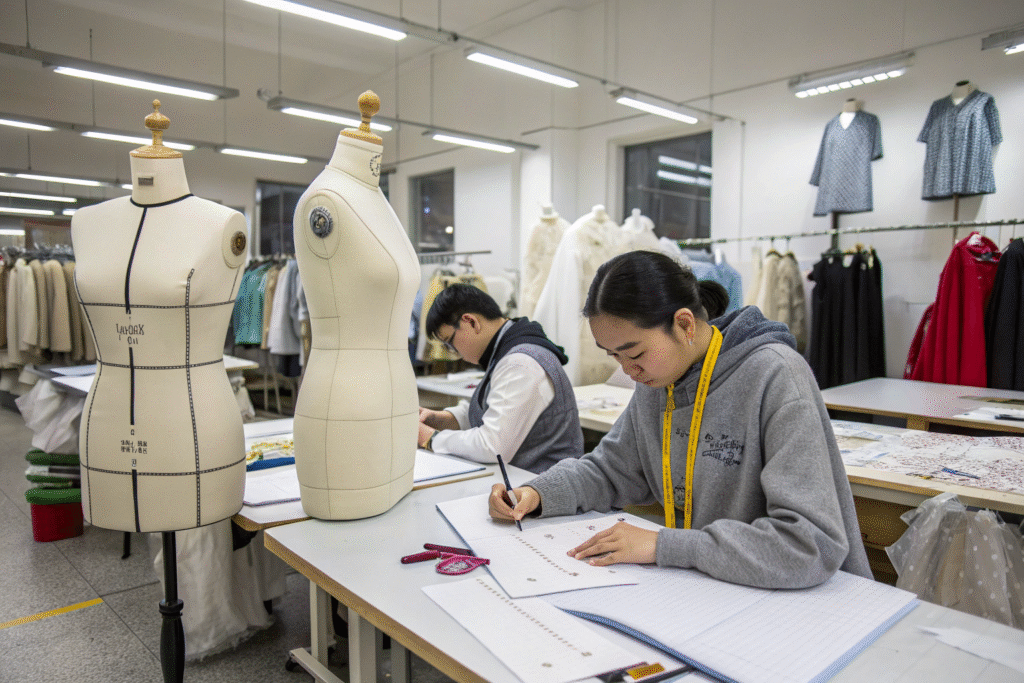
Specialized experience includes understanding age-appropriate sizing, durable construction for active wear, and safety-focused design. Manufacturers without kids wear experience often miss crucial details like reinforced seams for durability or proper neck opening sizes for easy dressing. We've taken over production from manufacturers who created beautiful but impractical children's clothes that parents found difficult to use.
Why is age-specific sizing knowledge important?
Children's bodies change dramatically between age groups, requiring proportional sizing rather than simply scaling down adult patterns. A manufacturer experienced in kids wear understands these proportions and how they affect both fit and movement. We use standardized sizing systems specific to children's wear that account for these variations. A client who previously worked with a general apparel manufacturer found their toddler sizes fit inconsistently across different styles until they switched to our specialized approach.
How does construction differ for children's clothing?
Children's clothing requires reinforced stitching at stress points, flat seams to prevent skin irritation, and durable fastenings that withstand rough use. The construction must balance durability with comfort. We've developed specialized construction techniques for kids wear that address these needs. For example, we use bar tacks at all stress points and cover seams in sensitive areas, which significantly reduced return rates for an activewear brand we work with.
How To Evaluate DDP Capability and Experience?
True DDP capability means the manufacturer handles everything from production to delivery at your specified location, including all risks and costs along the way. Not all manufacturers offering DDP have the experience to execute it smoothly.
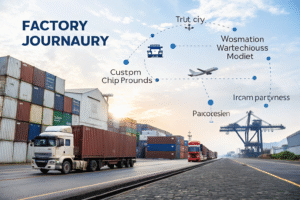
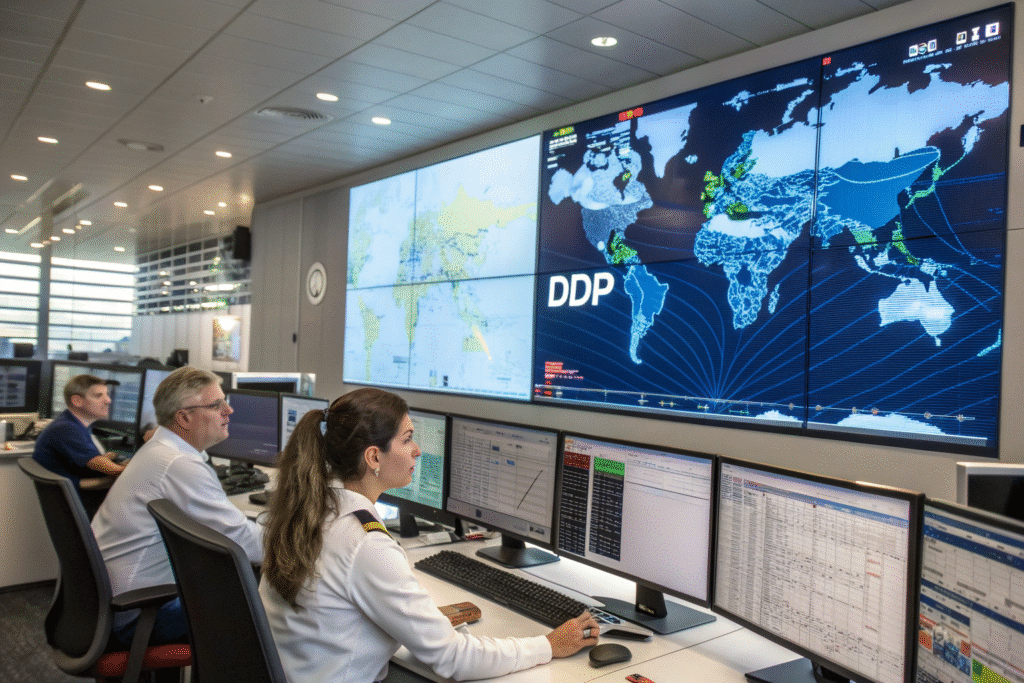
A competent DDP partner has established relationships with freight forwarders, customs brokers, and logistics providers. They understand incoterms thoroughly and have systems to track shipments through all stages. We've rescued several clients from manufacturers who claimed DDP capability but couldn't manage the logistics complexity.
What logistics questions should you ask potential manufacturers?
Ask about their freight forwarder partnerships, experience with your target markets, customs brokerage arrangements, and insurance coverage. Specifically inquire about their DDP success rate for similar shipments. We provide clients with detailed logistics plans showing each step from factory to destination. A client from Canada chose us because we could demonstrate five years of successful DDP shipments to Toronto without a single customs delay.
How to verify their DDP track record?
Request case studies or references from clients with similar DDP requirements. Check their experience with your specific product category and destination country. We maintain a database of completed DDP shipments that we share with potential clients. Last month, we connected a prospective client with two existing customers who could verify our DDP reliability for kids wear shipments to the United States.
What Cost Factors Should Be Considered in DDP?
DDP pricing includes more than just manufacturing costs. Understanding the complete cost breakdown prevents surprises and ensures you're comparing quotes accurately.
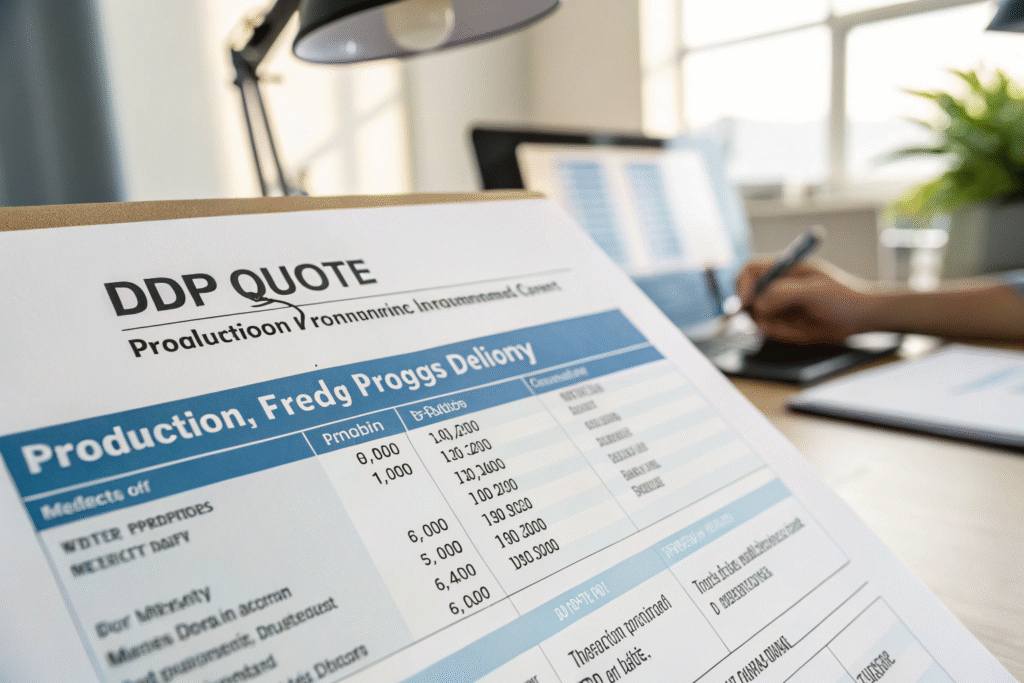
A comprehensive DDP quote should include: production costs, raw materials, quality control, documentation, international freight, insurance, customs duties, taxes, and final domestic delivery. We provide transparent cost breakdowns so clients understand exactly what they're paying for at each stage.
| Cost Component | Typical Percentage | What It Includes |
|---|---|---|
| Manufacturing | 55-65% | Materials, labor, overhead |
| Logistics | 15-25% | Freight, insurance, handling |
| Duties & Taxes | 10-20% | Import duties, VAT, customs fees |
| Additional Services | 3-5% | Quality control, documentation |
How to identify hidden costs in DDP quotes?
Hidden costs often appear in areas like documentation fees, banking charges, inspection costs, or storage fees. Ask for a detailed breakdown that specifies all charges. We've reviewed competitor quotes for clients and found missing elements like customs bond costs or terminal handling charges. Our transparent quoting process has won us clients who were frustrated by unexpected costs from previous manufacturers.
What payment terms are reasonable for DDP?
Standard DDP payment terms typically include a deposit with order confirmation, progress payment during production, and balance before shipment. The exact terms depend on order size and relationship history. We offer flexible payment structures that protect both parties while maintaining cash flow for smooth operations. For established clients, we've developed milestone-based payment plans that align with production stages.
How To Assess Communication and Responsiveness?
Effective communication is especially important for DDP arrangements because you're relying on the manufacturer to manage multiple complex processes on your behalf.
Assess their response time, language capability, communication channels, and project management systems. Manufacturers with strong communication provide regular updates and are proactive about potential issues. We assign dedicated project managers to each DDP client who serve as single points of contact throughout the process.

What communication systems should manufacturers have?
Look for manufacturers with dedicated project management software, multiple communication channels (email, video calls, messaging), and regular reporting systems. We use a cloud-based platform that gives clients real-time access to production progress, quality reports, and shipment tracking. This system reduced communication issues by 60% for our European clients who previously struggled with time zone differences.
How to evaluate their problem-solving approach?
Ask about specific challenges they've faced with kids wear DDP shipments and how they resolved them. Good manufacturers anticipate problems and have contingency plans. When port strikes disrupted shipping schedules last year, we had already arranged alternative routing for our kids wear clients, preventing delays. This proactive problem-solving approach distinguishes capable DDP partners from those who simply react to crises.
Conclusion
Selecting the right kids wear manufacturer for DDP requires careful evaluation of safety compliance, specialized experience, logistics capability, and communication systems. The ideal partner understands both the unique requirements of children's apparel and the complexities of international delivery.
Remember that the cheapest option often becomes the most expensive when safety issues, compliance problems, or delivery delays arise. Investing time in thorough due diligence during manufacturer selection pays dividends throughout your business relationship.
If you're looking for a kids wear manufacturer with proven DDP expertise and comprehensive safety compliance, we can help. At Fumao Clothing, we specialize in children's apparel and have extensive experience with DDP shipments to global markets. Contact our Business Director, Elaine, at elaine@fumaoclothing.com to discuss your specific kids wear DDP requirements.