Your small batch production was successful - the quality met expectations, the timeline worked, and the products are selling well. Now you're facing the exciting but daunting challenge of scaling up production significantly. How do you transition from a successful small batch to larger volumes without compromising quality, disrupting your supply chain, or encountering unexpected cost increases?
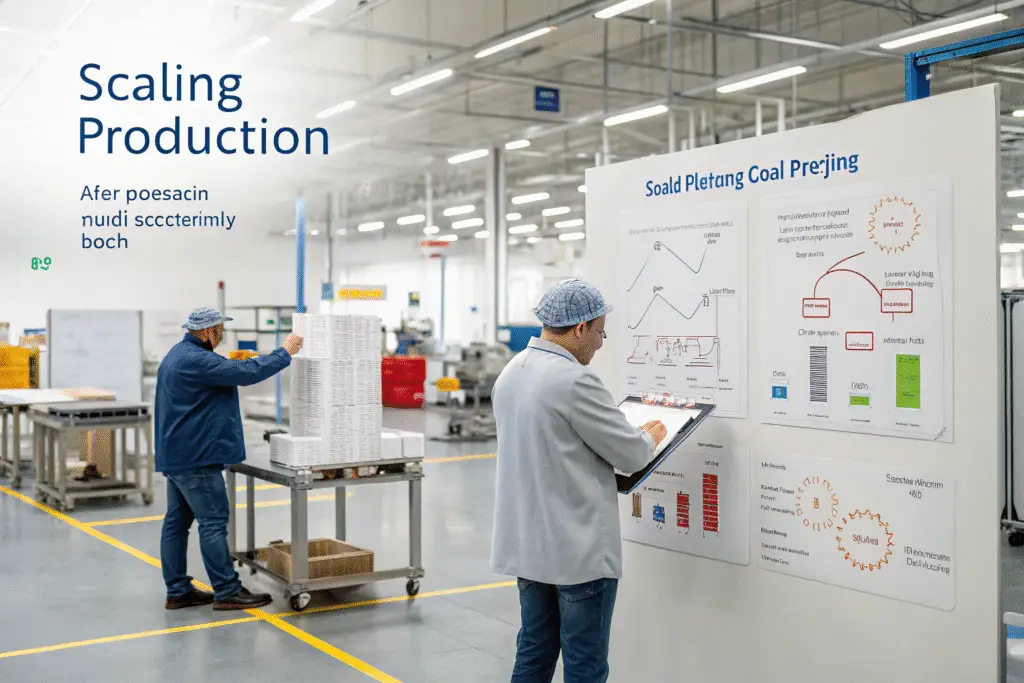
Scaling production after a successful small batch requires strategic planning across quantity increases, supply chain management, quality control systems, and cost structure optimization. The most successful scaling strategies involve gradual volume increases, strengthened supplier relationships, enhanced quality protocols, and careful analysis of how economies of scale affect your per-unit costs. Moving from small batches to volume production isn't simply about making more units - it's about transforming your production approach to achieve efficiency while maintaining the quality that made your initial batch successful.
Let's examine the specific strategies and considerations for successfully scaling your production after a promising small batch estimate.
How Should You Approach Quantity Increases Strategically?
Jumping directly from small batches to massive volumes often introduces quality control challenges and supply chain strain. A strategic, phased approach to quantity increases typically yields better results.
Gradual scaling allows you to identify and address production challenges before they affect large quantities of inventory.
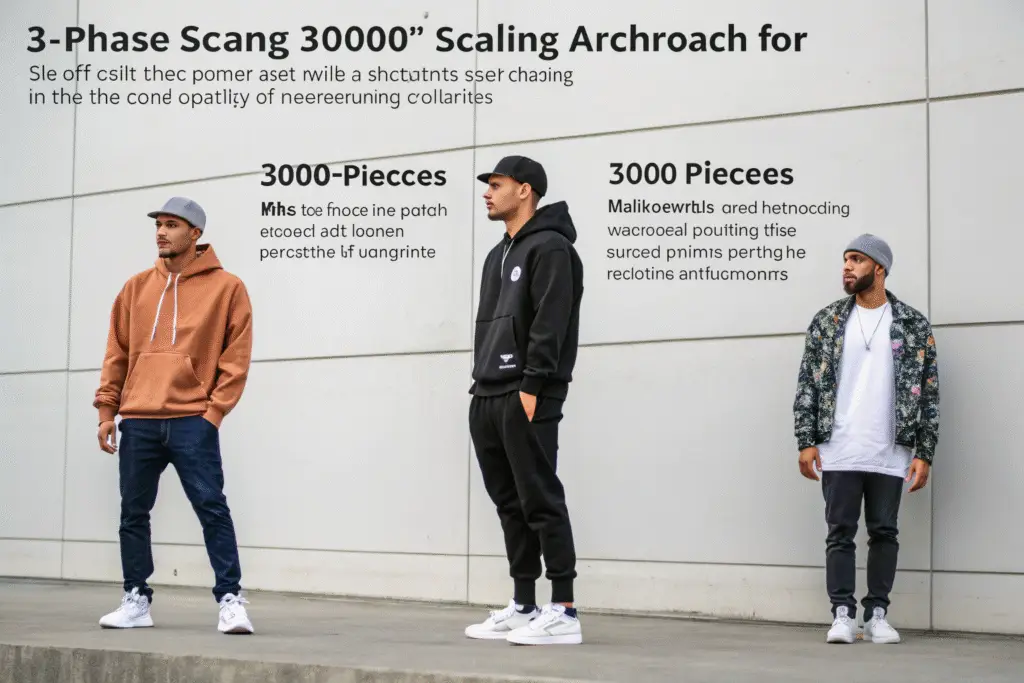
What is the optimal scaling progression for most apparel?
We recommend a 3-phase scaling approach: start with your proven small batch (typically 300-500 pieces), move to a medium run (800-1,500 pieces), then advance to volume production (2,500-5,000+ pieces). Each phase should include rigorous quality assessment before progressing to the next volume level. A contemporary streetwear brand successfully used this approach, scaling from 400 to 1,200 to 3,500 pieces over three production cycles while maintaining their quality standards and identifying potential issues at each stage.
How do you determine the right scaling timeline?
Allow at least one full production cycle between significant volume increases to implement learnings and adjust systems. We typically recommend 60-90 days between scaled productions for most apparel categories. A sustainable activewear brand scaled too quickly from 500 to 3,000 pieces without adequate time for production process refinement, resulting in quality inconsistencies that took two additional production cycles to resolve.
How Does Scaling Impact Your Cost Structure?
Understanding how your cost structure changes with volume is crucial for accurate pricing, margin management, and investment planning as you scale.
While per-unit costs typically decrease with volume, some costs may increase or emerge only at larger scales.
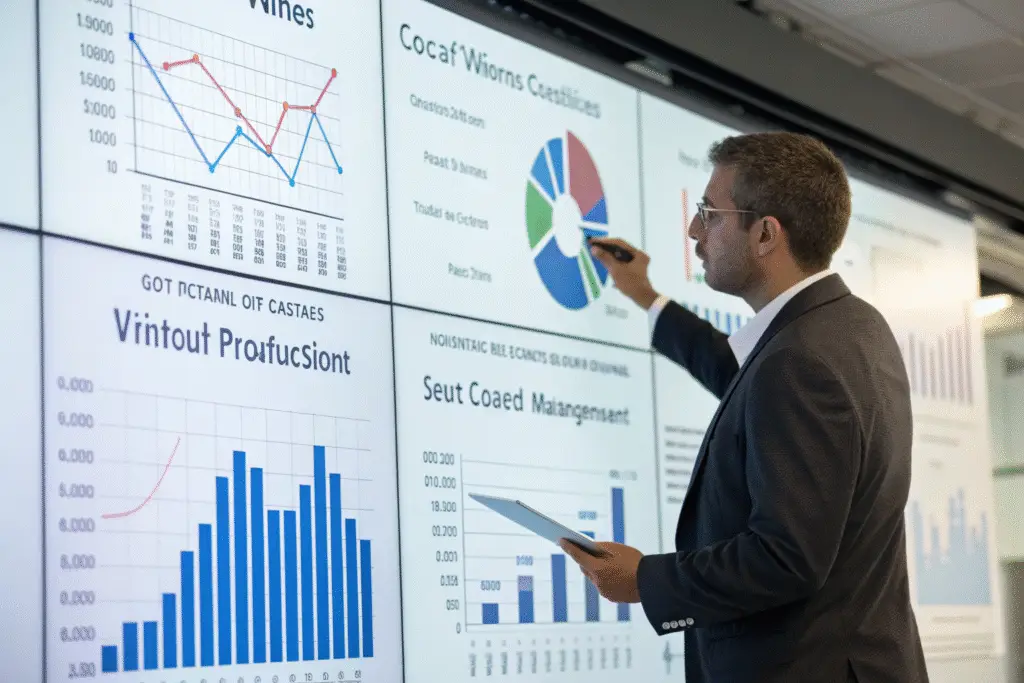
What cost reductions can you expect with scaling?
Most brands experience 15-35% per-unit cost reduction when moving from small batches (under 500 pieces) to medium volumes (1,500-2,500 pieces). These savings come from economies of scale in material purchasing, improved labor efficiency, and better equipment utilization. A menswear brand reduced their per-unit cost by 28% when scaling from 600 to 2,000 pieces, allowing them to improve margins while maintaining their retail price point.
What new costs emerge at larger volumes?
Larger productions often introduce costs for enhanced quality systems, inventory management, and additional staffing that weren't necessary at smaller scales. These might include automated inspection equipment, inventory tracking systems, or dedicated production coordinators. A growing brand was surprised when their 5,000-piece order required a $2,500 investment in specialized pressing equipment that hadn't been necessary for their previous 800-piece runs.
How Should You Adjust Quality Control For Volume Production?
The quality control methods that worked for small batches often become inadequate at larger volumes, requiring more systematic approaches and different inspection methodologies.
Scaling quality systems ensures consistency across larger production runs and prevents small issues from affecting significant inventory.
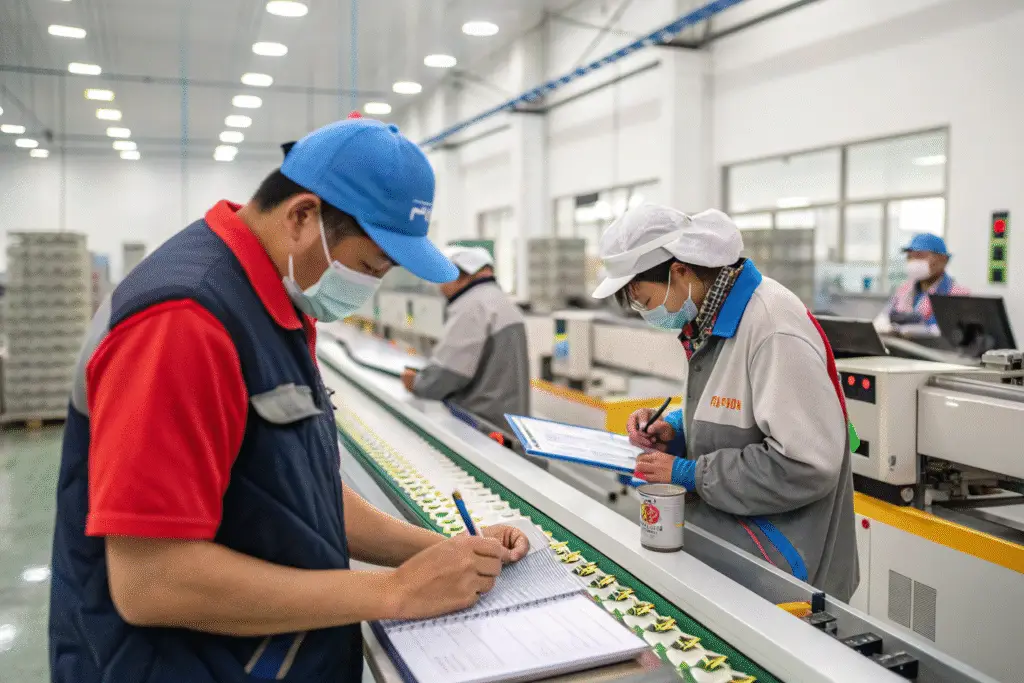
How should inspection protocols change with scaling?
Move from individual piece inspection to statistical quality control based on AQL sampling when exceeding approximately 1,200 pieces per style. We help clients implement AQL systems that inspect representative samples rather than every garment, maintaining quality standards while accommodating larger volumes. A jewelry brand transitioning from 500 to 3,000-piece orders implemented AQL Level II inspection, reducing their inspection time by 65% while actually improving their defect detection rate.
What additional quality checkpoints are needed at scale?
Larger productions benefit from in-process quality control stations at critical manufacturing stages rather than relying solely on final inspection. We recommend adding checkpoints after fabric cutting, during assembly, and before finishing for productions exceeding 2,000 pieces. A technical apparel brand reduced their rejection rate from 8% to 2% by implementing three additional in-process quality stations when scaling from 1,000 to 4,000 pieces.
How Does Material Sourcing Change With Volume Increases?
Scaling production transforms your relationship with material suppliers, creating both opportunities for better pricing and challenges around availability and minimums.
Strategic material planning becomes increasingly important as volumes grow and material commitments increase.

How do fabric minimums impact scaling strategy?
Most mills have minimum order quantities that may require purchasing 1,000-3,000 yards of fabric, potentially creating inventory challenges when scaling. We help clients navigate these fabric minimums by identifying mills with appropriate minimums or developing fabric consolidation strategies across multiple styles. A womenswear brand successfully scaled by using the same base fabric across three different styles, achieving mill minimums while maintaining design variety.
What sourcing relationships support successful scaling?
Developing strategic partnerships with key suppliers ensures priority access and better support as your volumes increase. We introduce scaling clients to our preferred supplier network with established relationships that facilitate smoother volume increases. A denim brand secured preferential treatment during fabric shortages by committing to 75% of their annual fabric needs with one mill, ensuring supply consistency as they scaled from 2,000 to 10,000-piece orders.
How Should Production Planning Evolve With Scaling?
The relatively simple production planning that works for small batches becomes inadequate at larger volumes, requiring more sophisticated systems and earlier planning.
Advanced production planning ensures factory capacity, material availability, and timely delivery as volumes increase.
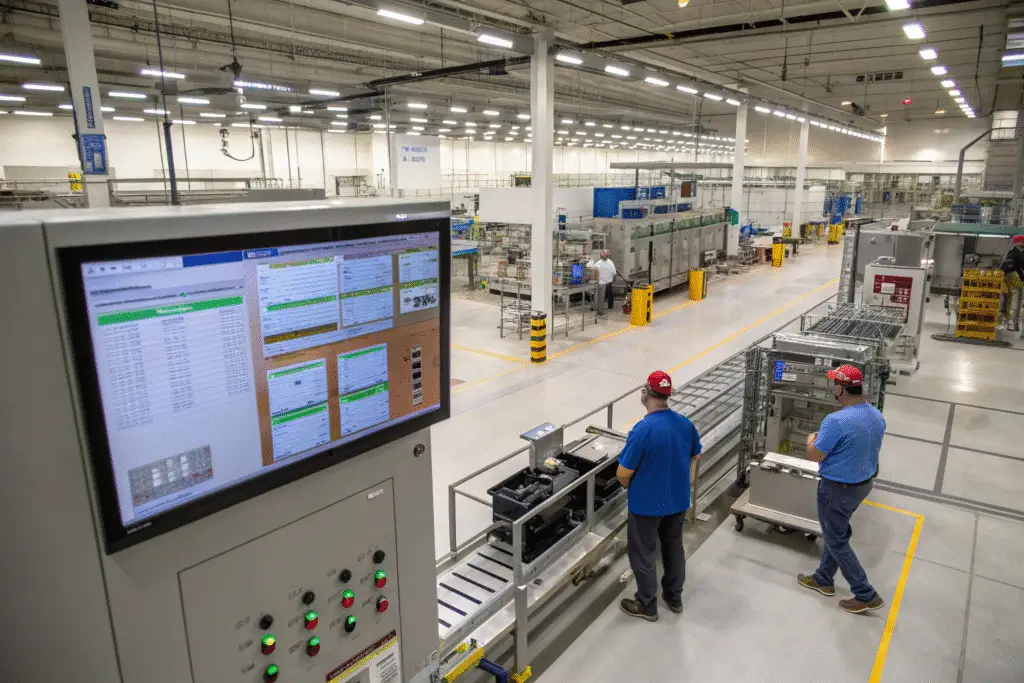
How far in advance should you plan scaled productions?
Scale productions typically require 3-6 months of advance planning compared to 4-8 weeks for small batches, due to longer material lead times and factory scheduling requirements. We implement advanced production scheduling for clients scaling beyond 2,000 pieces, securing factory capacity and material allocations well in advance. A seasonal brand that previously planned 8 weeks out now plans 20 weeks in advance for their scaled productions, ensuring they secure production slots during peak manufacturing periods.
What planning tools support scaled production?
Graduating from spreadsheets to specialized production management software becomes valuable when coordinating multiple styles, larger quantities, and complex logistics. We integrate with several production management platforms that provide real-time visibility into scaled productions. A multi-category brand reduced their production coordination time by 40% after implementing dedicated software when scaling beyond 5,000 total pieces per season.
How Can You Maintain Design Integrity During Scaling?
The hands-on design oversight possible with small batches becomes challenging at larger volumes, requiring systems to ensure design consistency across expanded production.
Preserving the design elements that made your small batch successful is crucial as production scales.
How do you maintain consistency across larger runs?
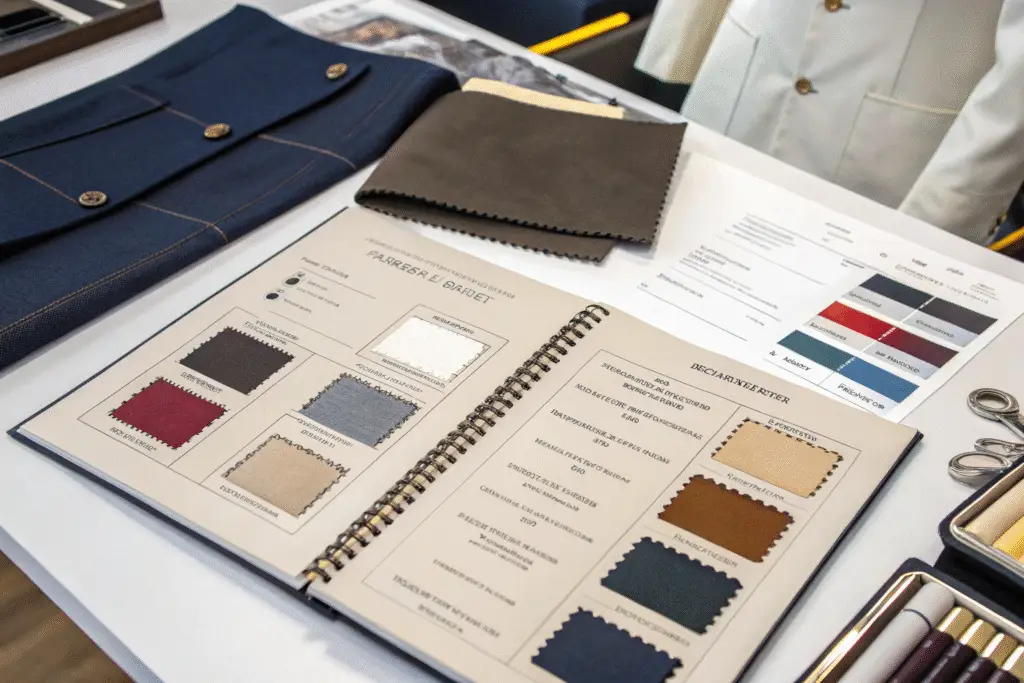
Implement comprehensive quality standards packages with reference samples, detailed measurement specs, and approved trim standards. We create "standard kits" for scaling clients that include approved samples, fabric swatches, and component references for every style. A luxury brand maintained their precise design details across 3,500-piece runs by using these standard kits, with any deviations requiring formal approval against the reference standards.
What systems protect design details during scaling?
Establish formal engineering change control procedures to manage design modifications during scaling, preventing unauthorized changes. We implement change control systems that require documented approval for any design adjustments during scaled production. A technical outerwear brand prevented unauthorized construction changes during scaling by using this system, maintaining their performance features across 5,000 units.
Conclusion
Scaling production after a successful small batch requires transforming your approach across quantity planning, cost management, quality systems, material sourcing, and production coordination. The most successful scaling strategies involve gradual volume increases, strengthened systems and relationships, and careful attention to how scaling impacts both costs and quality. By viewing scaling as a comprehensive operational evolution rather than simply making more units, you can grow your production volumes while maintaining the quality and design integrity that made your initial batches successful.
If you're planning to scale your production after a successful small batch, we can help develop a strategic scaling plan that balances growth with quality maintenance. At Fumao Clothing, we've guided hundreds of brands through successful production scaling with systems designed to manage increasing volumes efficiently. Contact our Business Director, Elaine, at elaine@fumaoclothing.com to discuss how we can support your production scaling strategy while maintaining your quality standards and design vision.