Scaling a clothing line from a single sample to full bulk production is a critical challenge many brands face. You have a great design, the sample looks perfect, but the thought of managing thousands of pieces can be daunting. The path is filled with potential pitfalls in quality, cost, and timing that can make or break a brand's launch.
Successfully scaling your clothing line from sample to bulk production requires a strategic partnership with a manufacturer that has robust systems in place for production planning, quality control, and logistics. The key is to ensure your initial sample's quality and specifications are perfectly replicated across thousands of units without unexpected costs or delays.
Many brands stumble at this stage because they choose a factory based on sample price alone, without verifying its capacity for larger orders. Let's explore the proven steps to navigate this complex transition smoothly and reliably.
How to plan for bulk apparel production?
A successful bulk production run starts long before the fabric is cut. Meticulous planning is the foundation that prevents costly errors and delays. Rushing into production without a solid plan is the most common reason for failure.
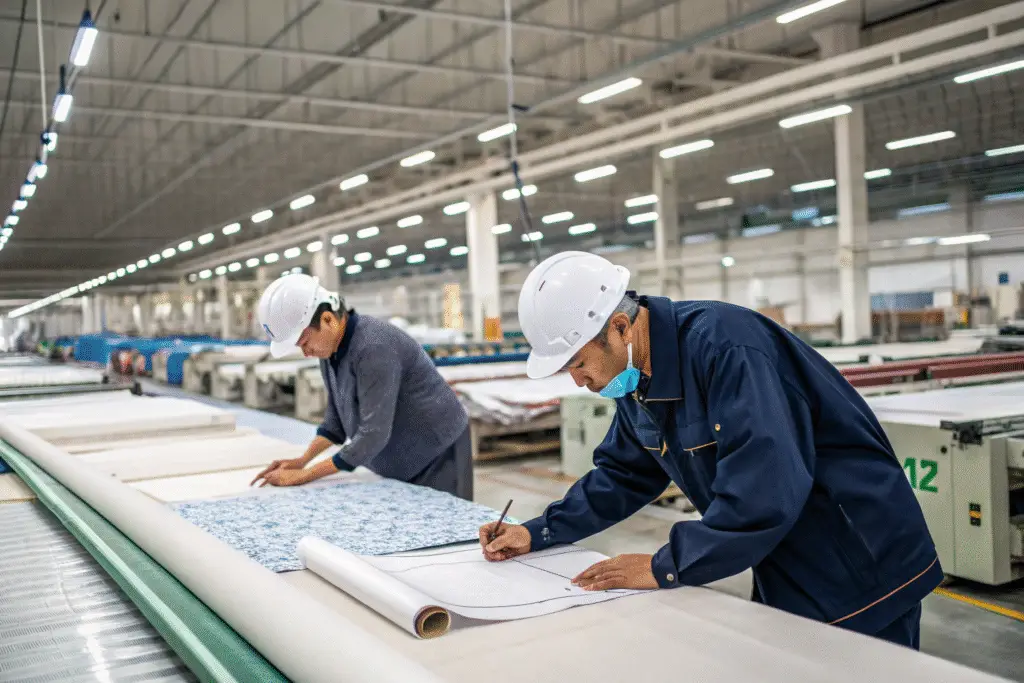
What are the key steps in pre-production planning?
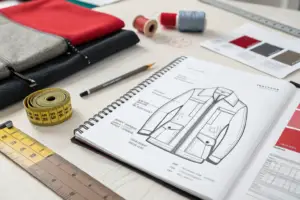
The first step is finalizing your Tech Pack and Pre-Production Sample (PP-Sample). Your tech pack must be flawless. It is the blueprint for your entire order. We once worked with a startup from Texas that provided a basic tech pack. When we received it, our technical team asked for more details on stitch density and seam allowances. The client updated the pack. This simple step prevented a major issue during bulk production. The Garment Manufacturers and Exporters Association offers excellent resources on creating comprehensive tech packs.
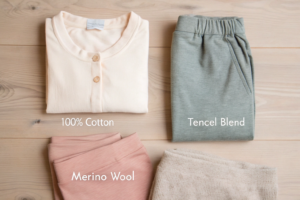
Another critical step is fabric and trim sourcing confirmation. You must lock in your raw materials. For a recent order of 10,000 knitted polo shirts for a Miami-based brand, we secured the cotton blend fabric two months in advance. This early action avoided a 15% price increase that hit the market later. We also confirm the lead times for all custom labels and tags. Delays in small items like care labels can hold up the entire shipment.
How to establish a realistic production timeline?
Creating a realistic timeline requires understanding each milestone. Do not let a factory promise an unrealistic deadline. It often leads to corner-cutting. We provide our clients with a transparent, week-by-week schedule.
| Milestone | Typical Duration | Key Dependency |
|---|---|---|
| Fabric Sourcing | 2-3 weeks | Material approvals |
| PP-Sample Approval | 1-2 weeks | Client feedback |
| Bulk Production | 3-4 weeks | Factory capacity |
| Quality Control | 1 week | Production completion |
This table is a general guide. The actual timeline depends on order complexity. Always include a buffer for unexpected events. The American Apparel Producers Network suggests a 10-15% time buffer for international orders. We build this buffer into our schedules to protect our clients from missing their selling seasons.
How to control quality during scaling?
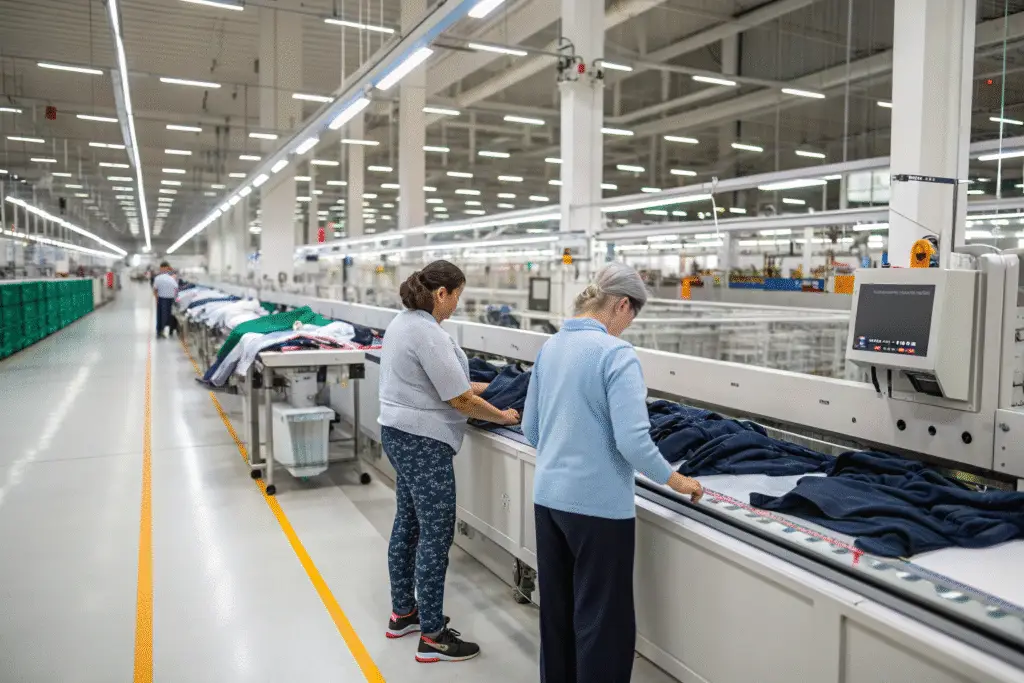
Quality control is not a single step; it is a continuous process integrated into every stage of production. The goal is to catch and correct deviations before they become massive, costly problems.
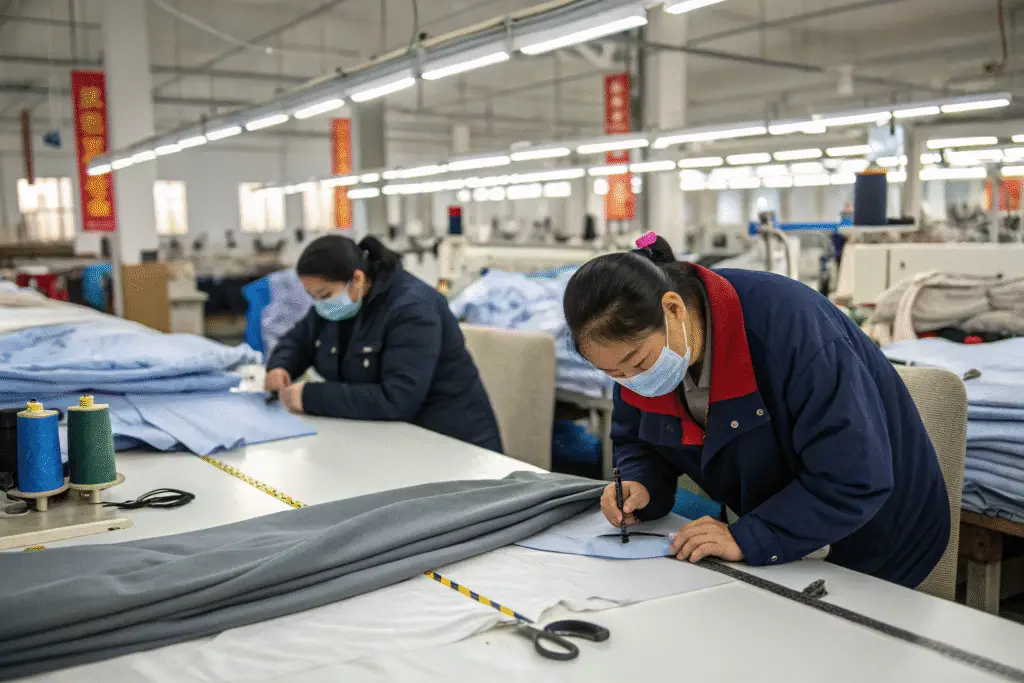
What is the role of in-process quality checks?
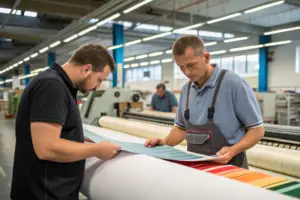
In-process quality checks (IPQC) happen during production, not after. Our quality control team conducts checks at every major stage: after fabric cutting, during sewing, and during assembly. For example, we once found a sewing machine was creating inconsistent stitch lengths on a batch of denim jackets. Because we caught it during the sewing stage, we only had to rework 50 jackets. If found later, 500 jackets could have been affected.
Another vital part of IPQC is testing the raw materials. We perform lab tests on fabrics for colorfastness, shrinkage, and pilling. A client from Chicago wanted to use a specific recycled polyester. Our lab test showed its shrinkage rate was higher than acceptable. We worked with the mill to correct the process before cutting, ensuring the final garments met the client's expectations using standard testing protocols.
Why is a Final Random Inspection crucial?
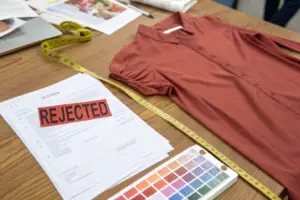
The Final Random Inspection (FRI) is your last line of defense before shipment. It is a statistical check performed on a random selection of finished, packed goods. We use the internationally recognized AQL standard. This means we inspect a scientifically determined number of units from the total order.
Last year, a European client ordered 8,000 pieces of activewear. During the FRI, we discovered a minor misprint on the logo of 5% of the sampled units. The issue was traced back to a dirty printing screen. We held the shipment, identified all affected pieces, and had them re-printed. The shipment was delayed by three days, but the client received a perfect order.
How to manage cost and logistics for bulk orders?
Understanding the true cost beyond the unit price and managing the complex logistics chain are essential for a profitable and timely market entry.
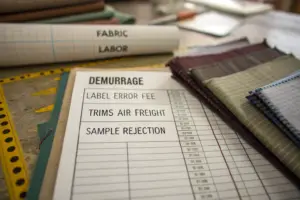
The unit price is just one part of the total cost. You must clarify all other charges upfront. We provide our clients with a detailed cost breakdown that includes fabric, trims, labor, and all ancillary costs. A common hidden cost is the "testing fee." Some factories charge extra for fabric or garment tests. We include standard testing in our service.
Also, understand the payment terms. We offer flexible terms like 30% deposit, 40% after PP-sample approval, and 30% before shipment. This structure protects both us and the client. It ensures we have the capital to purchase raw materials and the client has leverage until the order is complete. Always be wary of suppliers who ask for full payment upfront for bulk manufacturing.
What are the best practices for shipping and delivery?
Choosing the right Incoterms is critical for a smooth logistics process. We strongly recommend DDP (Delivered Duty Paid) for our U.S. clients. Under DDP, we handle everything from the factory door to your warehouse door. This includes all sea freight, customs clearance, and import duties. You get one final price and no surprises.
Plan your shipping schedule around peak seasons. Chinese New Year and Golden Week can cause massive port congestion. We always advise our clients to ship at least one month before these holidays. For time-sensitive orders, we can arrange air freight or expedited sea freight. Our logistics team has strong relationships with major carriers, ensuring we get the best rates and reliable space for your goods using established freight forwarders.
How to build a long-term partnership with your manufacturer?
Viewing your manufacturer as a strategic partner, not just a vendor, is the ultimate key to scalable, sustainable growth. A true partnership fosters trust, improves communication, and leads to better products.
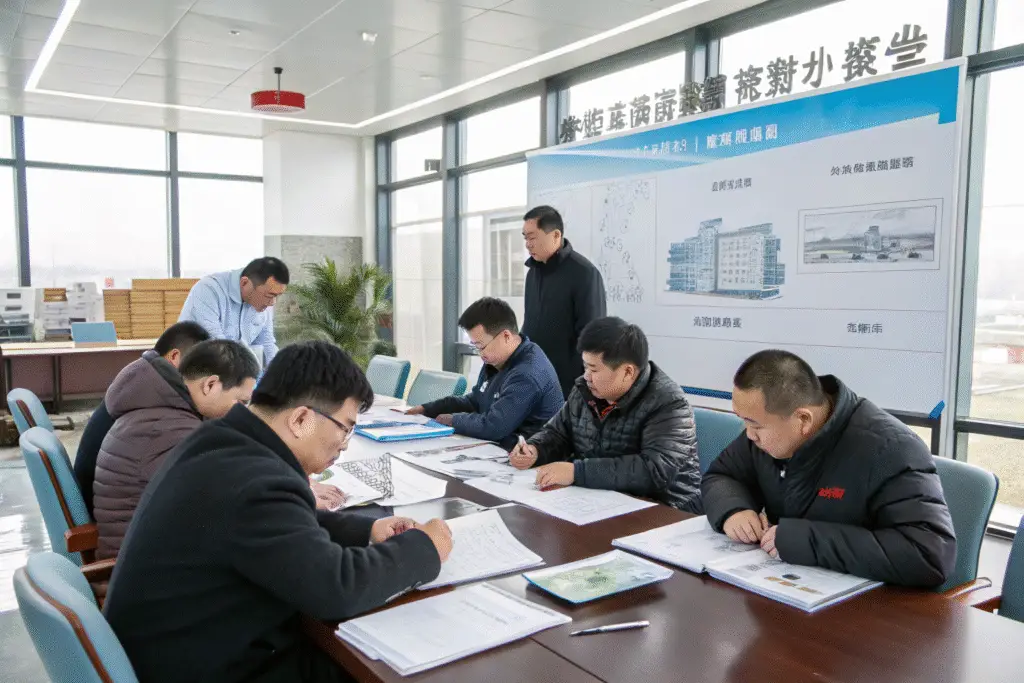
Why is transparent communication vital?
Inefficient communication is a major pain point for buyers like you. We solve this by assigning a dedicated Business Director to each client. You have a single point of contact who understands your brand and history. This person manages the entire process for you. We also use modern communication tools and provide regular production updates with photos and videos.
We also believe in honest conversations about challenges. If there is a potential delay from a fabric mill, we inform you immediately with a revised plan. This transparency allows you to manage your marketing and sales expectations. Trust is built when a partner is honest, not just when things are going well.
How can a manufacturer add value beyond production?
A great manufacturing partner helps you innovate and improve. We offer value engineering services. For instance, a client had a design for a winter coat that was expensive to produce. Our design team suggested an alternative construction method and different fabric composition that reduced the cost by 12% without compromising the look or quality.
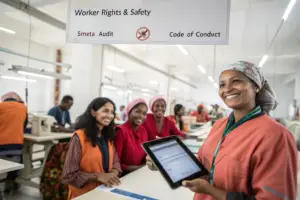
We also help with compliance and certification. We understand the importance of certificates for the U.S. market. Our factory holds relevant social compliance audits, and we can help you obtain the necessary product safety certificates for your products. This support ensures your brand is not only stylish but also responsible and safe.
Conclusion
Scaling your clothing line from a single sample to a successful bulk order is a complex journey. It demands careful planning in pre-production, an unwavering commitment to quality control at every stage, savvy management of costs and logistics, and most importantly, a strong, communicative partnership with your manufacturer.
By following these strategic steps, you can transform the daunting task of scaling into a controlled, predictable, and profitable process. You can bring your designs to a wider audience with confidence, knowing that the quality of your first sample will be perfectly reflected in every piece of your bulk order. If you are looking for a manufacturing partner who can guide you through this critical phase with expertise and reliability, we are here to help. Let's discuss how we can scale your vision together. Please contact our Business Director Elaine at elaine@fumaoclothing.com to start your next successful production journey.