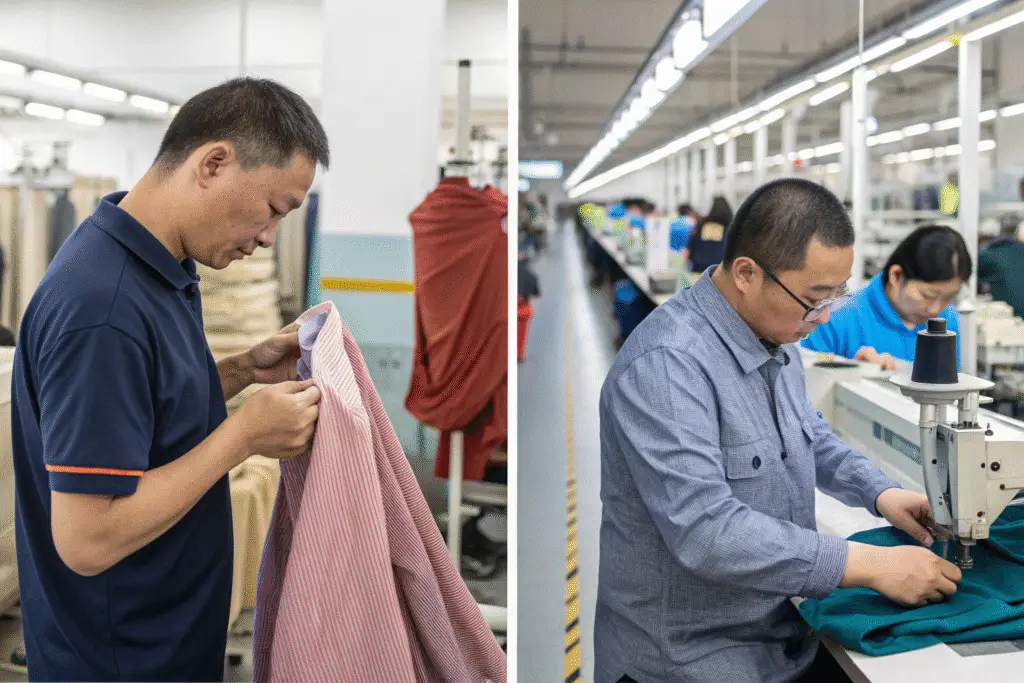
You've successfully navigated your first small batch order of 150 units. The product sold well, customer feedback was positive, and now you're ready to scale. But moving from a test batch to bulk production involves more than just increasing quantities - it requires strategic planning, process refinement, and relationship development to ensure your success at scale.
Scaling from 150 units to bulk production requires a systematic approach that builds on your small batch learnings while adapting to the different operational, financial, and quality control requirements of larger quantities. The most successful scaling transitions maintain the agility of small batch testing while implementing the structure needed for efficient mass production.
Let's examine the specific steps, timeline considerations, and strategic decisions that ensure a smooth transition from testing to scaling in your apparel business.
What Preparation Steps Ensure Smooth Scaling?
The foundation for successful scaling is laid during your small batch production through diligent documentation, relationship building, and process validation that creates a blueprint for larger quantities.
Strategic preparation transforms scaling from a risky leap to a logical progression by addressing potential challenges before they impact your larger investment. We recommend clients use their 150-unit order as a comprehensive manufacturing audit that evaluates communication effectiveness, quality consistency, timeline reliability, and problem-solving capabilities. A Seattle-based activewear brand implemented our scaling preparation checklist during their 180-unit test batch, identifying and resolving three potential production bottlenecks before their 1,500-unit main production, preventing an estimated 3-week delay and $8,000 in potential rework costs.

How Do You Document Small Batch Learnings?
Systematic documentation of your small batch experience creates the playbook for successful scaling by capturing both successes and challenges in measurable detail. Essential documentation includes: precise fabric consumption rates compared to theoretical estimates, actual production timelines for each manufacturing stage, detailed quality control reports with defect rates and types, and supplier performance metrics for on-time delivery and communication responsiveness. This data transforms subjective impressions into objective decision-making criteria. The American Apparel & Footwear Association provides standardized templates for manufacturing documentation that facilitate effective scaling.
What Relationship Foundations Support Scaling?
The manufacturer relationship dynamics that successfully support scaling differ from those adequate for small batches through increased transparency, strategic alignment, and formalized communication structures. During your small batch production, assess: problem-solving approach and responsiveness, technical capability for process improvement, financial stability and transparency, and capacity planning reliability. Our most successful scaling clients transition from single points of contact to integrated team relationships that include production planning, quality assurance, and technical development specialists, creating the multifaceted support system needed for larger quantities.
How Should Production Planning Evolve For Scaling?
Scaling production requires fundamental shifts in planning methodologies, timeline structures, and risk management approaches that acknowledge the increased complexity and investment of larger quantities.
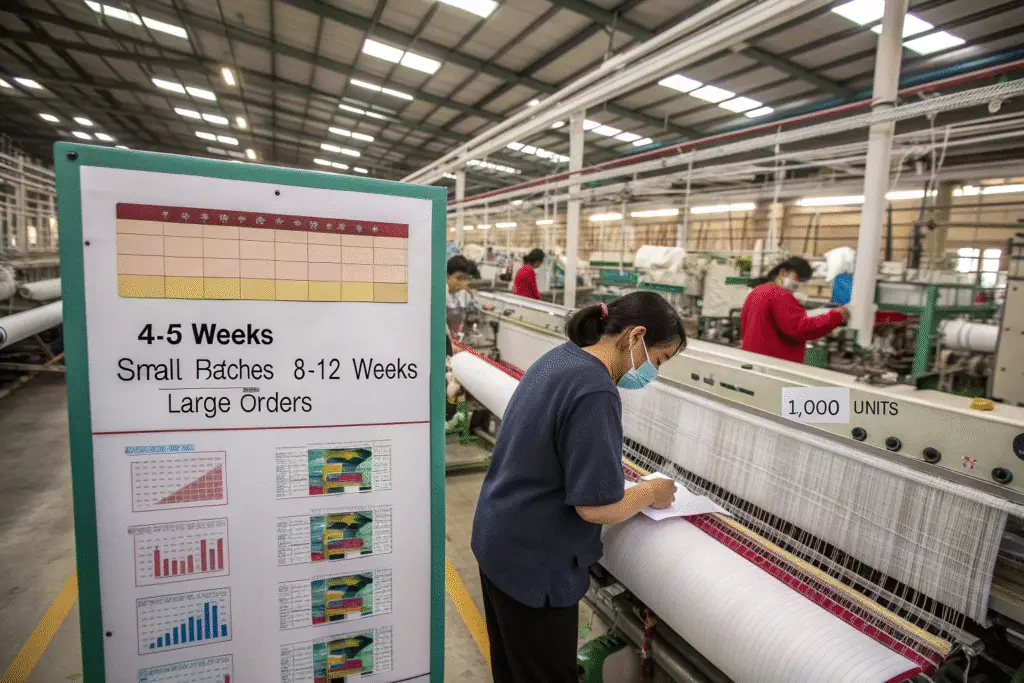
Where 150-unit orders often operate with compressed, flexible timelines, bulk production requires extended, structured planning horizons that accommodate more complex material sourcing, production line allocation, and quality control implementation. The planning evolution typically involves extending timelines from 4-5 weeks for small batches to 8-12 weeks for bulk production, implementing phased delivery schedules for orders over 1,000 units, and establishing more formalized quality control checkpoints. A Denver-based outdoor brand successfully navigated this transition by implementing our phased scaling approach, moving from 150 to 500 to 1,200 units over three production cycles with planned evaluation stages between each step.
What Timeline Adjustments Are Necessary?
Scaling to bulk production requires significant timeline adjustments across three key areas: extended raw material sourcing, more comprehensive sample development, and layered production sequencing. While 150-unit orders might use stock fabrics or small-lot sourcing, bulk production often requires mill-order fabrics with 4-6 week lead times. Sample development expands from basic fit samples to include pre-production samples, pilot runs, and top-of-production samples. Additionally, production sequencing becomes more complex with multiple lines operating in parallel rather than single-line production. Understanding these time expansion factors prevents the schedule miscalculations that commonly undermine scaling attempts.
How Does Inventory Management Change?
The inventory management approach must evolve dramatically when scaling from 150 units to bulk production, shifting from simple unit counting to sophisticated warehousing, distribution planning, and cash flow management. Key changes include: implementing inventory tracking systems, establishing relationships with third-party logistics providers, developing phased distribution strategies, and managing cash flow across extended production and sales cycles. These operational evolutions typically require 2-3 months of preparation before bulk production begins to ensure systems can support the increased volume without business disruption.
What Quality Control Evolution Supports Scaling?
Quality assurance must transition from hands-on individual piece evaluation to systematic process control and statistical monitoring when moving from small batch to bulk production.
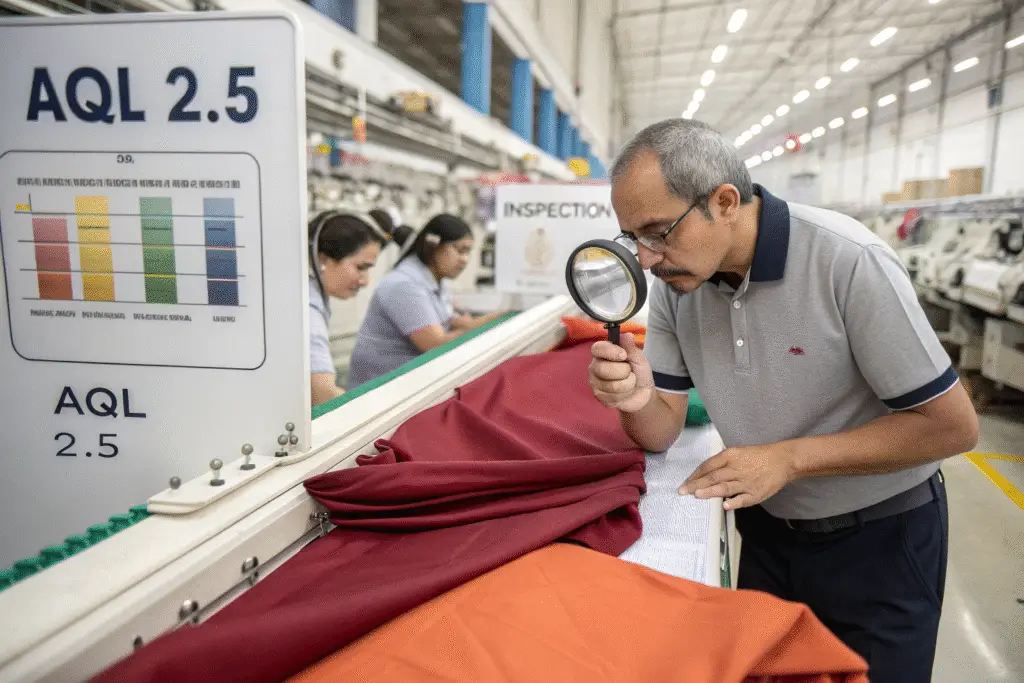
The quality control approach that works for 150 units, where every piece can be individually inspected, becomes impractical and inefficient at scale, requiring a shift from detection-based to prevention-based quality systems. This evolution involves implementing in-process quality checks throughout production rather than just final inspection, establishing Acceptable Quality Limits (AQL) for statistical sampling, and developing root cause analysis procedures for defect prevention. We guide clients through implementing AQL 2.5 inspection standards for their bulk productions, which provides 99% confidence in quality levels while inspecting only a representative sample of the total order.
How Do Inspection Methods Change?
Scaling requires fundamental changes in inspection methodologies from comprehensive individual checking to statistical sampling, from subjective visual assessment to objective measurement standards, and from informal feedback to formal documentation systems. Where 150-unit orders might involve inspecting every garment, bulk production utilizes AQL sampling that examines a representative subset based on order size. Additionally, quality standards transition from general descriptions to specific, measurable criteria with defined tolerance ranges. This methodological shift typically reduces inspection time per unit by 60-70% while maintaining or improving quality outcomes through earlier defect detection.
What Process Controls Ensure Consistency?
Bulk production quality consistency depends on implementing process controls throughout manufacturing rather than relying on final inspection to catch defects. Essential process controls include: standardized operator work methods, in-process quality checkpoints at critical operations, material verification systems, and equipment maintenance schedules. A Los Angeles-based contemporary brand discovered during scaling that implementing simple jigs and templates for pocket placement and hemming operations reduced variation by 80% compared to their small batch production, despite the order being eight times larger.
How Should Cost Structure Evolve With Scaling?
The cost analysis and negotiation approach must evolve from simple per-piece calculations to comprehensive total cost of ownership models that account for the different economic dynamics of bulk production.
While 150-unit costing focuses primarily on direct manufacturing costs, bulk production costing requires analysis of economies of scale, operational efficiencies, and total supply chain expenses. Successful scaling clients typically achieve 15-30% per-unit cost reduction through: fabric purchasing at bulk rates, improved labor efficiency through specialization, reduced percentage allocation of fixed costs, and transportation economies of scale. However, these savings must be balanced against potential increases in inventory carrying costs, quality control expenses, and administrative overhead.
What Economies of Scale Are Realistic?
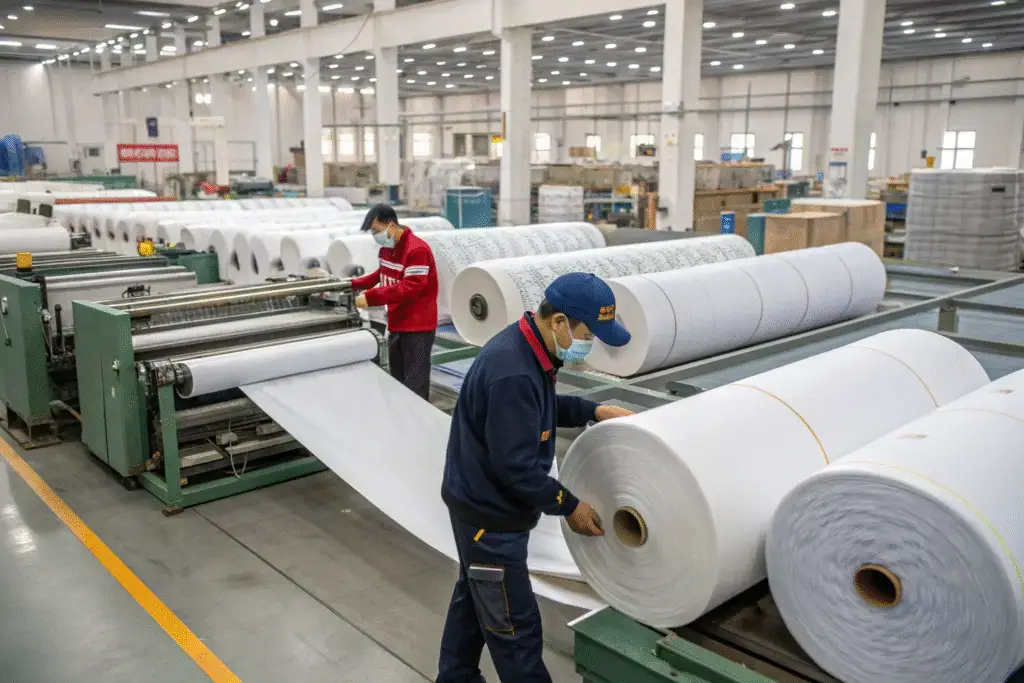
Realistic economies of scale for apparel production typically deliver 15-30% per-unit cost reduction when moving from 150 units to 1,000+ units, primarily through fabric pricing improvements, labor efficiency gains, and fixed cost dilution. Fabric costs often decrease by 10-25% through mill-direct purchasing at minimum mill order quantities. Labor efficiency improves by 15-30% through operator specialization and reduced style changeover time. Fixed costs like patterns, samples, and setup decline from 10-15% of total cost at 150 units to 3-5% at 1,000 units. Understanding these economic drivers helps establish realistic scaling expectations.
What Hidden Costs Emerge With Scaling?
Several hidden costs typically emerge during scaling that are minimal or nonexistent in small batch production, including: inventory financing expenses, quality control system implementation, additional staffing requirements, and increased risk management costs. These hidden costs can offset 5-10% of the apparent per-unit savings if not properly anticipated. Our scaling clients work with our production planning team to develop comprehensive cost models that include these often-overlooked expenses, creating more accurate financial forecasting for their bulk production decisions.
What Communication Systems Support Scaling?
The communication protocols adequate for small batch production become inadequate for bulk manufacturing, requiring more formalized structures, documented processes, and specialized points of contact.
Where 150-unit production might be managed through email and occasional calls with a single project manager, bulk production requires structured communication systems including: weekly production status meetings with documented minutes, dedicated quality control communication channels, formal change request procedures, and escalation protocols for issue resolution. A Miami-based resort wear brand implemented our scaling communication framework when moving from 200 to 1,500 units, reducing miscommunications by 80% despite the order complexity increasing significantly.

How Should Communication Frequency Change?
Communication frequency and structure must evolve from reactive and ad-hoc to scheduled and systematic when scaling production quantities. We recommend implementing: daily production line status reports during active manufacturing, weekly cross-functional team meetings covering quality, timeline, and operational updates, and monthly strategic reviews for ongoing production planning. This structured approach ensures issues are identified early and addressed systematically rather than through crisis management. The Fashion Innovation Center documents that brands implementing formal communication structures achieve 40% fewer production delays during scaling.
What Documentation Systems Become Necessary?
Scaling necessitates formal documentation systems that replace the informal tracking often sufficient for small batches. Essential documentation includes: detailed technical packages with complete specifications, formal purchase orders with comprehensive terms and conditions, quality control manuals with inspection criteria, and production tracking systems with milestone documentation. These systems create the operational infrastructure needed to manage the complexity of bulk production while maintaining the quality standards established during small batch testing.
Conclusion
Scaling from 150 units to bulk production represents both an exciting growth milestone and a significant operational transition that requires strategic planning, process evolution, and relationship development. The most successful scaling journeys build systematically on small batch learnings while implementing the structure, documentation, and systems needed for efficient mass production.
The transition from testing to scaling transforms your manufacturing relationship from transactional to strategic, creating partnerships that support long-term growth. If you're preparing to scale your production and want to ensure a smooth transition that maintains quality while achieving economies of scale, contact our Business Director, Elaine, at elaine@fumaoclothing.com to discuss our structured scaling approach.