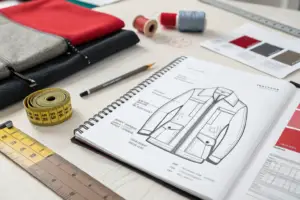
As the owner of Fumao Clothing, I've conducted hundreds of tech pack reviews with American apparel brands over the past decade. This crucial step often determines whether a production run will be successful or problematic. Many brands underestimate the importance of a thorough tech pack review, only to discover costly errors during production or, worse, after receiving their shipment.
Reviewing a tech pack with your clothing manufacturer is a collaborative process where both parties examine every technical detail before production begins, ensuring complete alignment on specifications, materials, and construction methods. This review serves as your final checkpoint to catch errors, clarify ambiguities, and confirm that your vision can be executed within your budget and timeline constraints.
The tech pack review isn't just a formality—it's your opportunity to prevent expensive mistakes. I've seen brands save thousands of dollars by identifying issues during this phase rather than after production has started. Let me share the systematic approach we've developed to make tech pack reviews efficient and effective for our partners.
What should you prepare before the tech pack review meeting?
Proper preparation transforms the tech pack review from a passive reading session into an active, productive collaboration. Coming prepared shows respect for everyone's time and ensures you cover all critical elements. The most successful reviews happen when both manufacturer and brand arrive ready to focus on specifics rather than generalities.
Before the review meeting, you should thoroughly study the tech pack, prepare specific questions and concerns, gather all reference materials, and involve key decision-makers from your team. Preparation ensures you maximize the value of this critical manufacturing milestone.

How do you conduct a preliminary review of the tech pack?
Start by examining the tech pack alone before the meeting with your manufacturer. Print out key pages or use digital annotation tools to mark areas needing clarification. Check for consistency between different sections—ensure the measurements align with the grade rules, the bill of materials matches the construction details, and the technical flats accurately represent your design intent.
We recommend creating a simple checklist for your internal review. Last month, a Denver-based brand used our suggested checklist and identified 15 discrepancies before our meeting. This preparation cut our review time in half and allowed us to focus on substantive improvements rather than basic corrections. Their preparation process included verifying that all Pantone colors were correctly specified and that the fabric descriptions matched the actual swatches they had approved.
What reference materials should you gather?
Bring physical samples of fabrics, trims, and any existing garments that serve as references for fit or construction. Include competitor products that illustrate features you want to emulate or avoid, color standards, and any inspirational imagery that communicates the aesthetic you're targeting. Digital mood boards can be helpful, but physical references are often more definitive.
A sportswear client from Portland always brings what they call their "reference kit" to tech pack reviews. This includes not just approved swatches but also examples of stitching they like and dislike, various zipper types, and even garments with similar construction. This practice has prevented countless misunderstandings and helped our technical team fully grasp their quality expectations. Their organized approach to reference materials has become a model we share with other partners.
What are the key elements to focus on during the review?
The tech pack contains numerous interconnected components, and it's easy to become overwhelmed. Focusing on critical elements in a systematic way ensures nothing important gets overlooked. I recommend tackling the review in sections rather than trying to absorb everything at once.
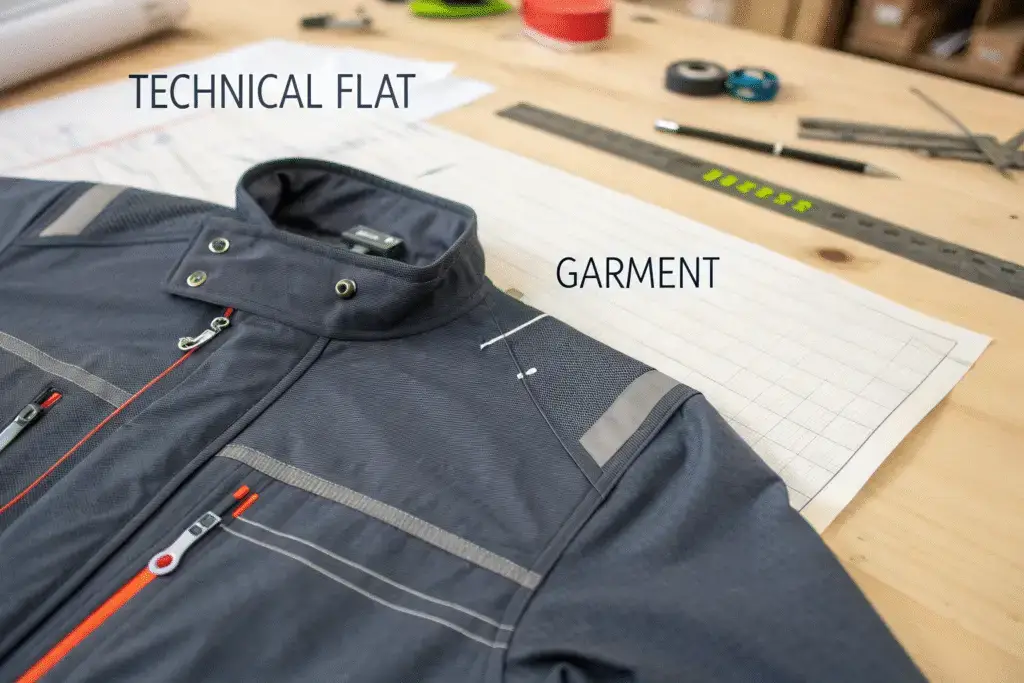
During the review, prioritize measurement specifications, construction details, material callouts, and alignment between technical flats and written specifications. These elements have the greatest impact on fit, function, and manufacturability of your garments.
Why are measurement specs and grade rules crucial?
Measurement specifications form the foundation of your garment's fit, while grade rules determine how that fit scales across sizes. Scrutinize each measurement point, understanding not just the numbers but the body landmarks they reference. Ask your manufacturer to explain how they'll achieve specific measurements through pattern engineering.
We recently worked with a brand that discovered during our review that their sleeve length measurements didn't account for shoulder slope, which would have resulted in inconsistent fit across sizes. By catching this during the tech pack phase, we adjusted the grade rules before pattern making, saving them from what would have been a costly fit issue affecting their entire production run. We now include a dedicated segment in every review specifically for walking through measurement specs and grade rules.
How do you verify construction details and material specifications?
Construction details determine how your garment will be assembled, while material specifications define what it's made from. Examine stitch types (lockstitch vs. chainstitch), seam finishes (overlock vs. flatlock), and assembly sequences. Verify that material specifications include not just composition but also weight, width, and performance characteristics where applicable.
A common oversight we see is when brands approve material composition without verifying other characteristics. A workwear company from Atlanta almost made this mistake until our review revealed that while the fabric composition was correct, the weight was 20% lighter than intended. This discovery during the tech pack review allowed them to correct the specification before ordering materials, preventing a product that wouldn't have met their durability requirements.
How should you structure the review meeting with your manufacturer?
An effective review meeting follows a structured agenda that ensures comprehensive coverage while maintaining focus. Without structure, reviews can veer off track or overlook critical elements. The most successful reviews balance thoroughness with efficiency.
Structure your review meeting by following a logical sequence: begin with overall design alignment, move to materials, then construction, measurements, and finally special finishes or packaging. This methodical approach ensures you build understanding progressively rather than jumping between unrelated topics.

What is the most effective review sequence?
Start with the big picture and progressively drill down to details. Begin by confirming that the technical flats accurately represent your design, then review materials, followed by construction methods, then measurements, and finally labels, packaging, and special instructions. This sequence follows the natural progression of garment development and manufacturing.
We've found that this sequential approach prevents the common problem of revisiting the same topics multiple times. A San Francisco-based brand adopted this method after a disorganized review caused confusion about their collar construction. In their words, "Following your structured review sequence transformed a chaotic process into an efficient one." The systematic approach now saves them approximately 3-5 hours per style in follow-up clarifications.
How do you document decisions and action items?
Assign someone to document all decisions, changes, and action items during the meeting. Use a shared document that both manufacturer and brand can access, with clear columns for what was decided, who is responsible, and by when. Without proper documentation, decisions made during the review can be forgotten or misinterpreted later.
We provide all our partners with a standardized review template that includes checkboxes for verified elements and space for notes. Last quarter, a Chicago client avoided a potential shipping delay because our documented review clearly showed they had approved a fabric substitution during our meeting. This documentation practice prevented a disagreement about responsibility and kept the project on schedule despite the change.
What common mistakes should you avoid during tech pack review?
Even experienced brands make review mistakes that compromise their production. Being aware of these common pitfalls helps you avoid them. The most costly errors often stem from assumptions rather than verified information.
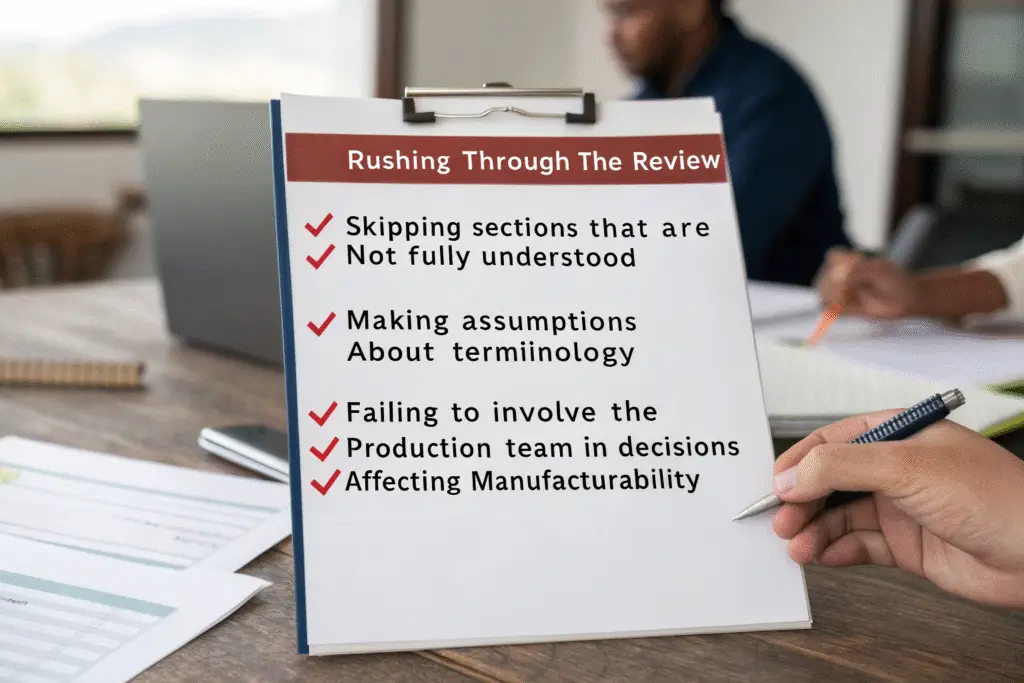
Common mistakes to avoid include rushing through the review, skipping sections you don't fully understand, making assumptions about terminology, and not involving your production team in decisions that affect manufacturability. Each of these can lead to expensive corrections later.
Why shouldn't you rush the measurement review?
Measurement specifications require careful, methodical review. Rushing through them often means missing inconsistencies between different size grades or failing to notice when a measurement seems physically impossible to achieve. Each measurement point should be considered in relation to others—for instance, the back neck width should logically relate to the across shoulder measurement.
We encountered this issue with a Dallas-based brand that initially rushed their measurement review. Later, during the fit session, we discovered the armhole depth was incompatible with the sleeve cap height, requiring complete repatterning. Now we encourage partners to allocate sufficient time for measurement review and ask us to explain any specifications that seem unclear. This careful approach to measurements has prevented numerous fit problems across our client base.
How do assumptions about terminology cause problems?
Manufacturing terminology varies between regions and factories. Assuming everyone defines terms like "full fashion" or "set-in sleeve" the same way can create misunderstandings. During reviews, always clarify terminology, especially for construction methods and finish types.
A Miami swimwear brand learned this lesson when they assumed "flatlock stitch" meant the same thing to everyone. Our review revealed they actually wanted a different stitch type for their specific application. By clarifying this during the tech pack phase, we adjusted the specification and saved them from receiving 5,000 units with incorrect stitching. We now include a terminology glossary in our review process to ensure everyone speaks the same language.
Conclusion
A thorough tech pack review with your clothing manufacturer is one of the most valuable investments you can make in your product's success. This collaborative process aligns expectations, catches errors early, and establishes a foundation of clear communication that continues throughout production. The time spent reviewing pays exponential dividends in smoother production, higher quality outcomes, and fewer surprises.
Remember that the tech pack review isn't about finding fault—it's about building understanding between creative vision and manufacturing execution. The most successful brands approach this process as a partnership rather than an inspection. They come prepared, stay engaged, and view their manufacturer as an ally in bringing their vision to life.
If you're preparing for a tech pack review and want to ensure you're covering all critical elements, we'd be happy to share our structured approach that has proven successful for hundreds of brands. For a consultation on optimizing your tech pack review process, please contact our Business Director, Elaine, at elaine@fumaoclothing.com. Let's ensure your next production run starts with perfect alignment between your vision and our execution.