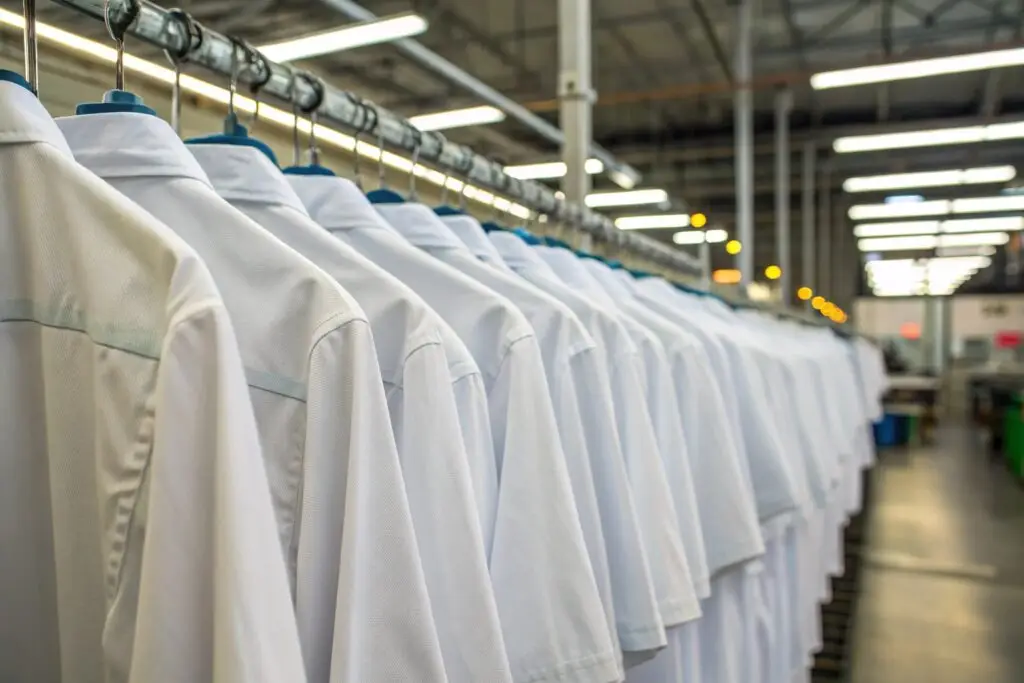
A garment that wrinkles easily or fades fast can ruin your brand's image—especially when customers see it every day.
To reduce wrinkling and fading in high-turnover apparel, use wrinkle-resistant finishes, solution-dyed fabrics, stable construction techniques, and proper wash settings tested for industrial use.
At Fumao, we serve rental, hospitality, and uniform clients where garments face tough use. We've engineered apparel that looks good longer—because appearance impacts trust.
How to prevent clothes from wrinkling while wearing?
Even if the garment starts smooth, the real test is whether it holds up after hours of movement.
To reduce wrinkling during wear, choose tightly woven synthetic blends, use wrinkle-resistant coatings, and design with ergonomic cuts that follow the body’s shape.
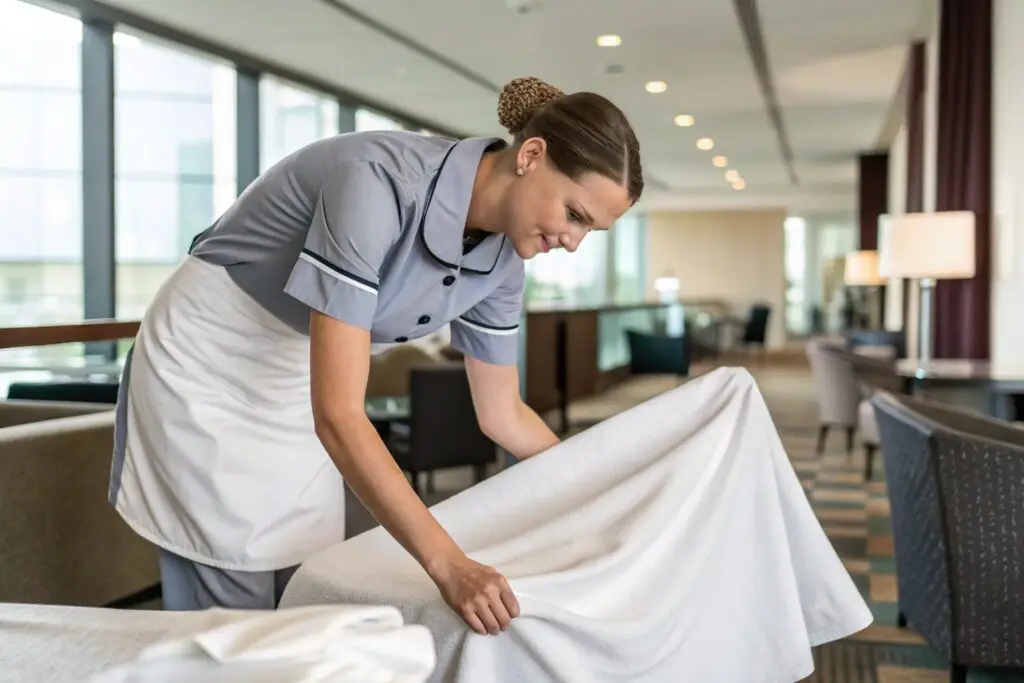
Why do some garments wrinkle within hours of wear, and how can construction prevent this?
Wrinkling comes from moisture, pressure, and movement across poorly stabilized fibers. Cotton, especially, creases along joints and folds.
Here’s how we design against wrinkles:
- Use polyester-cotton blends1 (e.g., 65/35)
- Apply resin-based wrinkle-resistant finishes2
- Sew with angled seams3 that support body motion
- Add elastic fiber content (3–5%) for better recovery
We developed uniform pants for a cleaning staff client in the U.S. Their old styles showed knee wrinkles after 15 minutes. Our redesign used a high-twist yarn polyester blend and ergonomic knee darts. Complaints disappeared.
What are the best fabrics for wrinkle-resistance in high-use apparel?
| Fabric Type | Wrinkle Resistance | Best Use Case |
|---|---|---|
| 100% Cotton | Low | Formalwear, casual shirts |
| Polyester | High | Uniforms, rental garments |
| Poly-Cotton Blends | Medium-High | Shirts, work pants |
| Nylon-Spandex | High | Activewear, stretch uniforms |
| Tencel-Poly Blends | Medium | Hospitality, spa uniforms |
We also test post-wear wrinkling by placing garments under weight for 4 hours, then grading recovery. Polyester consistently outperforms natural fibers.
How do you stop your clothes from fading?
Fading can make even a strong garment look old. That affects your image—and your revenue.
To stop fading, use solution-dyed fibers, fade-resistant dyes, proper laundering temperatures, and pre-treatment that locks in color at the fiber core.
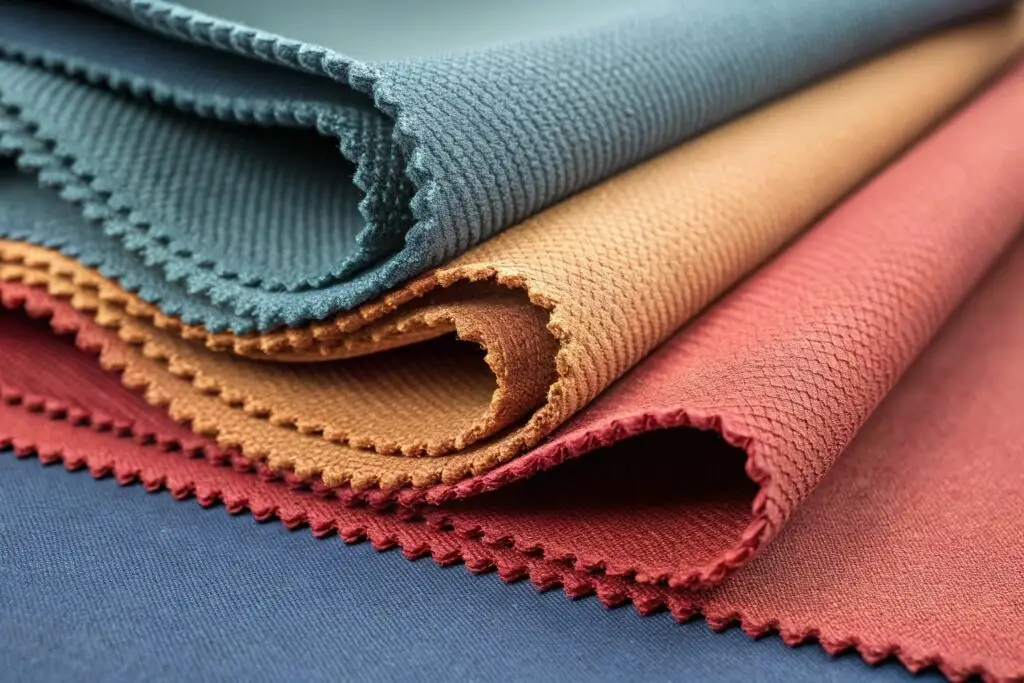
Why do rental garments fade faster than retail garments, and how can this be avoided?
Rental garments go through high-heat, high-chemical washing—often multiple times per week. Many retail fabrics can't survive this.
At Fumao, we use:
- Solution-dyed polyester4, where color is added during fiber extrusion—not post-weaving
- Disperse dyes for synthetics with high fade resistance5
- Reactive dyes on cotton, paired with soda ash for bonding
- Colorfastness testing6 using AATCC 61 and ISO 105 standards
We ran a 50-wash test on three shirt types:
| Dye Method | Fade Score (0–5) | Result after 50 Washes |
|---|---|---|
| Reactive Dyed Cotton | 3.5 | Moderate fading |
| Pigment Dyed Cotton | 2.0 | Heavy fading |
| Solution-Dyed Poly | 4.8 | Very slight fading |
When our client switched from pigment dye to solution-dyed fabric, their uniform refresh rate dropped by 30%.
What other steps can clients take to prevent premature fading?
- Wash garments inside out
- Use neutral or low-pH detergents
- Avoid optical brighteners unless needed
- Tunnel dry instead of tumble dry when possible
We print these tips on care labels and hangtags—so clients get more use out of every piece.
How to keep clothes from shrinking and fading?
Garments lose both size and color without the right prep—and once it's gone, it's gone.
To prevent shrinkage and fading, use pre-shrunk, colorfast fabrics, verify laundry resistance with ISO testing, and educate clients with simple care instructions.
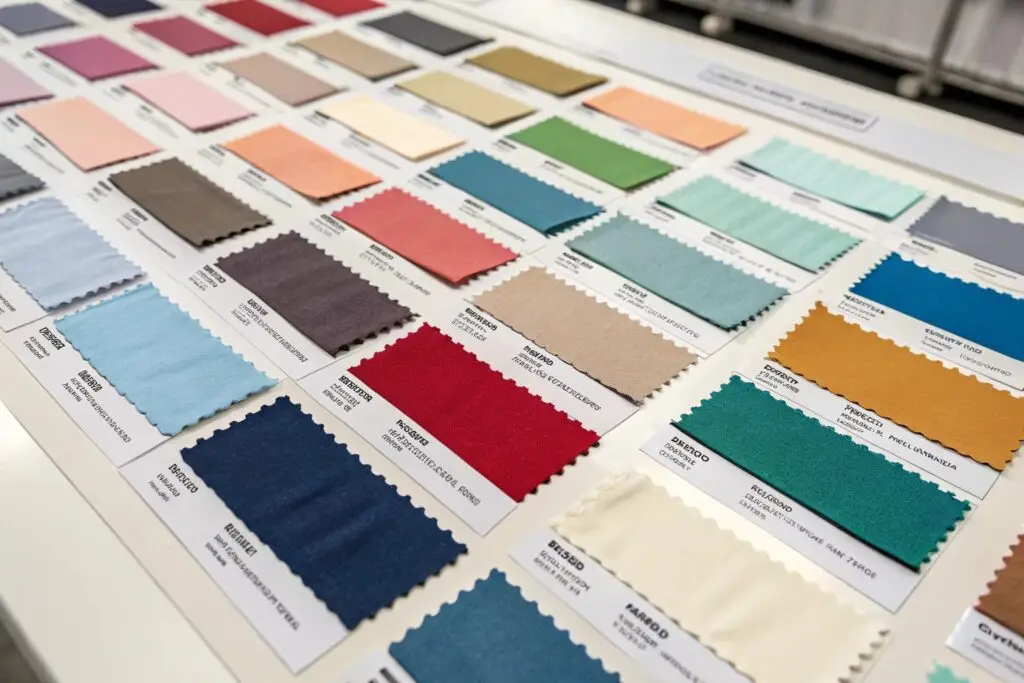
What causes simultaneous shrinkage and fading7, and how can manufacturers prevent it?
It usually happens when cotton fibers contract in heat and dyes release during high pH washing. This is especially bad in low-quality blends or unprocessed fabrics.
We use a triple approach:
- Pre-shrink using sanforization or compacting
- Fix dyes using post-dye heat treatment
- Wash test every batch in 60°C water + alkaline detergent
A logistics client once reported polos shrinking and turning gray. We discovered their factory skipped dye-fixation. We reworked production and added extra shrink protection—no more complaints.
What fabric blends offer both shrink and fade protection?
| Blend Type | Shrink Control | Fade Control | Best Use |
|---|---|---|---|
| 65/35 Poly-Cotton | High | Medium-High | Uniform shirts |
| 100% Polyester | Very High | Very High | Rental coats, pants |
| Bamboo-Polyester | Medium | Medium | Spa or hospitality wear |
| Nylon-Spandex | High | Medium-High | Stretch uniforms |
Always ask for ISO 15797 and AATCC 61 test results8 before mass order. If your supplier can’t provide them, shrinkage and fading7 are almost guaranteed.
How do you make fabric less wrinkly?
Some fibers wrinkle easily, but construction, chemistry, and finishing can make a huge difference.
To make fabric less wrinkly, choose high-twist yarns, apply wrinkle-resistant finishes, and heat-set garments during final production.
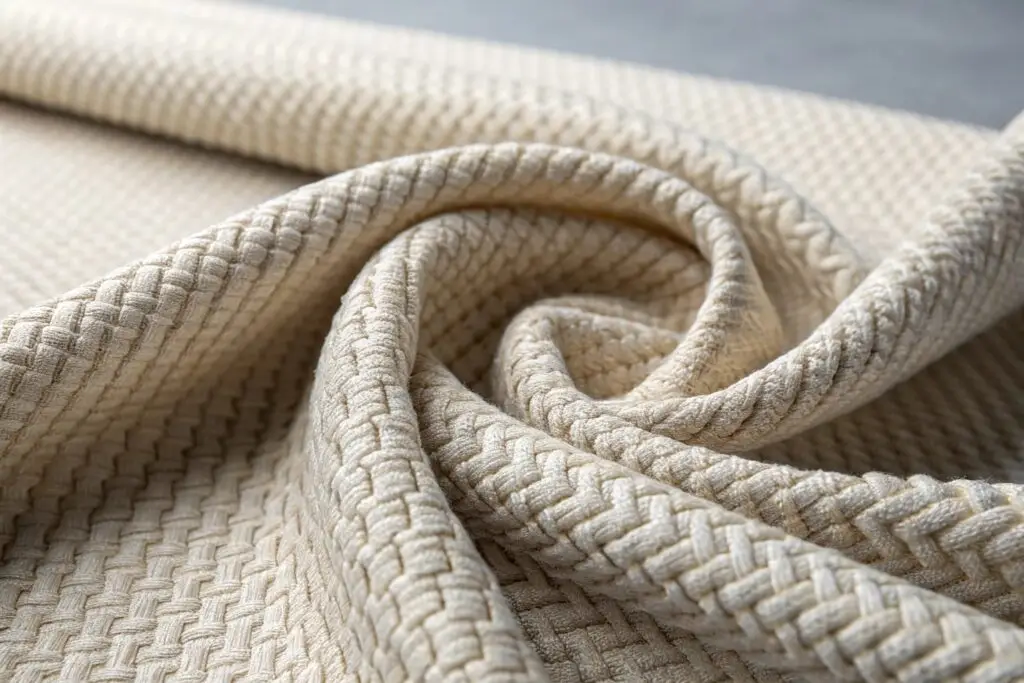
What mechanical and chemical methods reduce wrinkling in commercial textiles?
At Fumao, we combine mechanical tensioning with chemical treatments:
- Calendering9: smooths fabric under heated rollers
- Resin Finishing10: cross-links fibers to reduce crease memory
- Heat Setting: locks fiber position through tunnel drying
We also use polyester-rich blends that naturally resist wrinkling. A U.S. hotel chain wanted wrinkle-free bedding for high turnover. We supplied 80/20 poly-cotton sateen with heat setting. After 50 washes, it looked pressed straight off the shelf.
What should rental buyers ask suppliers to confirm wrinkle resistance?
Ask for:
- Wrinkle recovery angle11 test reports
- AATCC 128 appearance after laundering grades
- Sample garments pressed flat, packed, then evaluated after unpacking
We rate garments that return to original form in under 2 hours as “high recovery.” Anything longer needs finishing post-wash to look good.
Conclusion
In high-turnover apparel, appearances are everything. At Fumao, we engineer wrinkle- and fade-resistant garments that stay sharp longer—because durability means more than just lasting threads.
-
Explore how polyester-cotton blends enhance durability and wrinkle resistance, making them ideal for everyday wear. ↩
-
Learn about the technology behind resin-based finishes that keep garments looking fresh and wrinkle-free all day. ↩
-
Discover how angled seams improve fit and comfort, reducing wrinkling and enhancing garment performance. ↩
-
Explore the advantages of solution-dyed polyester, including its superior fade resistance and durability, which can enhance your garment's lifespan. ↩
-
Discover various fabrics known for their high fade resistance and the treatments that help them maintain their color, ensuring better garment quality. ↩
-
Learn about colorfastness testing methods and their significance in ensuring fabric longevity and maintaining vibrant colors over time. ↩
-
Understanding the causes of shrinkage and fading can help manufacturers implement better quality control measures. ↩ ↩
-
Learning about these tests can help ensure fabric quality and prevent issues like shrinkage and fading in production. ↩
-
Explore this link to understand how calendering enhances fabric smoothness and reduces wrinkling, crucial for high-quality textiles. ↩
-
Learn about resin finishing and its role in reducing crease memory, making fabrics more durable and wrinkle-resistant. ↩
-
Discover the importance of the wrinkle recovery angle test in evaluating fabric performance and ensuring quality in wrinkle resistance. ↩