Seeing your design copied and sold by others is a nightmare scenario. For fashion brands producing overseas, protecting your intellectual property is not just legal paperwork—it's a critical business strategy. Many brands hesitate to manufacture abroad due to fears of idea theft, but with the right systems in place, you can securely leverage global manufacturing capabilities.
You can effectively protect your designs when manufacturing overseas through a multi-layered approach that combines legal, technical, and relationship-based strategies. Key protection methods include filing design patents and copyrights, implementing segmented production, establishing clear contractual agreements with manufacturers, and maintaining physical control over critical components. These measures create overlapping layers of security that make it difficult for factories to replicate your complete product while giving you legal recourse if infringement occurs.
The reality is that protection requires proactive measures before you even share your first sketch with a potential manufacturing partner. Here's how to build a comprehensive protection plan.
What Legal Documents Do I Need Before Manufacturing?
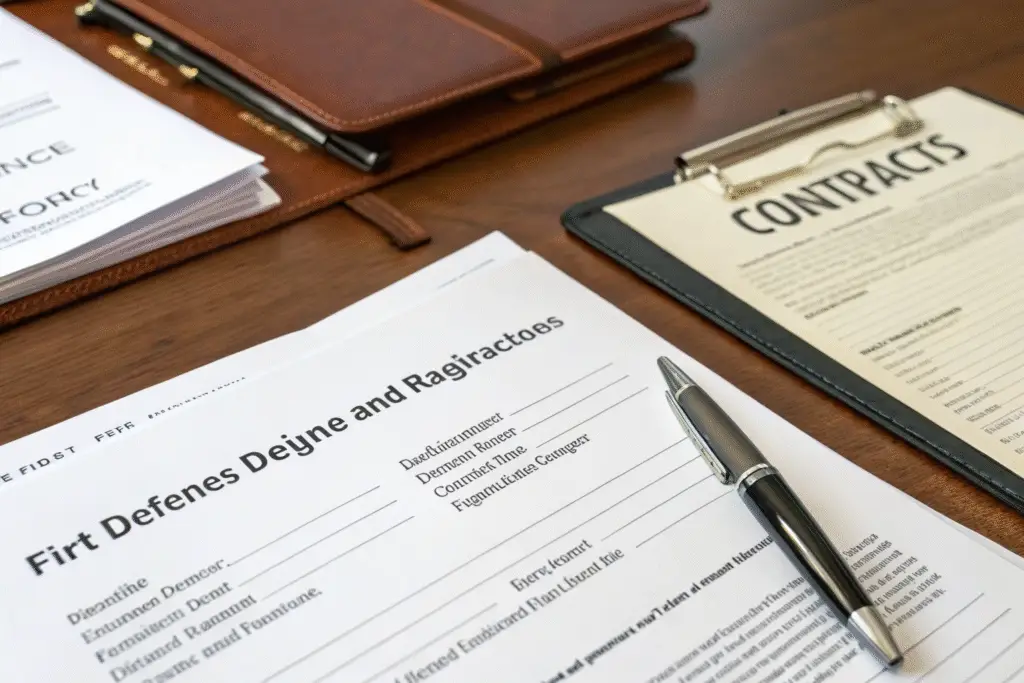
Legal documentation forms your first and most crucial line of defense. Proper contracts and registrations establish your ownership and create legal consequences for infringement.
How Can Non-Disclosure Agreements Protect My Designs?
A well-drafted Non-Disclosure Agreement (NDA) is your first protective barrier. It legally binds the manufacturer to confidentiality before you reveal any sensitive information. We require all potential partners to sign our comprehensive NDA that specifically covers design concepts, technical specifications, and business information. The agreement should clearly define what constitutes confidential information and specify penalties for violations. Last year, we helped a denim brand enforce their NDA when a factory shared their unique distressing technique with competitors. The contractual penalties provided leverage for a settlement without lengthy litigation. Remember that an NDA alone isn't sufficient protection, but it establishes the legal framework for confidentiality and demonstrates you take protection seriously from the outset.
What Type of Intellectual Property Registration is Most Effective?
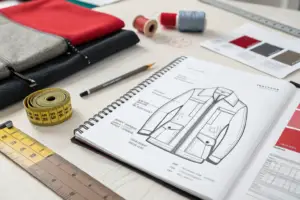
The most effective approach combines multiple types of intellectual property protection. For fashion designs, design patents protect the ornamental appearance of your product for 15 years. Copyright protection automatically applies to original graphic designs and patterns once fixed in a tangible medium. We recently guided a sportswear client through registering their unique jacket design with the United States Patent and Trademark Office, which provided federal protection before manufacturing. For logos and brand names, trademark registration is essential. The key is timing—file for protection before engaging with manufacturers. We've seen brands lose protection rights because they publicly disclosed designs before filing, which constitutes public disclosure that can invalidate certain protections in some jurisdictions.
How Can Production Segmentation Safeguard My Products?
Breaking your manufacturing process into separate components makes it significantly harder for any single factory to replicate your entire product. This technical approach to protection is often more practical than relying solely on legal measures.
Which Production Components Should I Separate?
The most effective segmentation involves separating raw material sourcing from final assembly and distributing specialized components among different suppliers. We recommend keeping proprietary fabric development with one mill and garment construction with another factory. For a luxury handbag client, we source their custom-developed leather from one specialist, hardware with engraved logos from another vendor, and final assembly with a separate manufacturing facility. This approach ensured that no single supplier had access to all materials and techniques needed to produce complete counterfeits. Additionally, consider separating the production of signature elements—like unique trims or specialized components—to further complicate replication attempts. This method protected a client's distinctive embroidery technique when we kept the embroidery process at a dedicated facility separate from the main garment factory.
How Does Multi-Factory Strategy Enhance Security?
Using multiple factories creates natural barriers against intellectual property theft. We implement a distributed manufacturing model where different product categories or components are produced at separate specialized facilities. For example, a client's knitwear production stays at one factory while their woven products are manufactured at another. This limits each factory's exposure to the complete product range. We also maintain what's called a "golden source" system where one trusted factory produces the flagship designs while secondary facilities handle basic items. This approach proved valuable when a seasonal partner attempted to copy a client's bestselling dress design—since they only had access to one product category, they couldn't replicate the entire collection. The distributed model contains potential damage to isolated incidents rather than risking your entire product line.
What Technical Methods Prevent Design Replication?
Beyond legal and logistical strategies, specific technical measures can make direct copying practically difficult or economically unviable for manufacturers.

How Effective Are Security Labels and Holograms?
Modern security labels and authentication features provide powerful deterrents against counterfeiting while helping verify genuine products. We integrate holographic labels with serial numbers, QR code systems that track individual items, and tamper-evident tags that show visible damage if removed. For a streetwear brand client, we implemented woven labels with custom security threads that glow under UV light—a feature that's virtually impossible to replicate without specialized equipment. The brand used these security features to authenticate products in the secondary market, actually enhancing brand value while protecting against fakes. These technical measures serve dual purposes: they deter factory overruns (when factories produce extra unauthorized units) and help distributors identify genuine products in the market.
Can Unique Material Specifications Deter Copying?
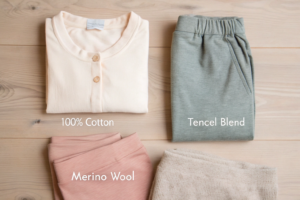
Developing proprietary material specifications creates significant barriers to duplication because standard factories cannot source these materials easily. We work with clients to create custom fabric developments with unique fiber blends, specialized weaving techniques, or exclusive dye formulations. One activewear brand invested in developing a signature fabric with a specific percentage of advanced moisture-wicking fibers combined with unique yarn twisting technology. Even if a factory attempted to copy the garment's design, they couldn't replicate the performance and handfeel of the proprietary fabric. Similarly, custom-developed trims, specialized hardware with unique finishing, or exclusive color palettes developed with specific dyeing techniques all add layers of protection. These technical barriers make exact replication economically unfeasible for most would-be copiers.
How to Build Trustworthy Manufacturer Relationships?
The human element of manufacturing partnerships often provides the most reliable protection of all. Long-term, transparent relationships built on mutual benefit create natural incentives for ethical behavior.

What Should I Look for in a Reliable Manufacturing Partner?
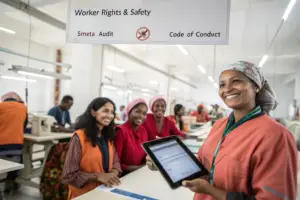
Identifying trustworthy manufacturers requires investigating their business history, client references, and operational transparency. We prioritize partners with proven track records working with international brands, proper business certifications, and transparent operational practices. When vetting new factories, we always conduct unannounced visits, audit their quality management systems, and speak with their current long-term clients. Last year, we identified a potential partner who claimed expertise in sustainable manufacturing but couldn't provide verification of their material sources—we declined the partnership, avoiding what later proved to be a problematic operation. Look for manufacturers who ask detailed questions about your business strategy and long-term goals—this indicates they're interested in building partnerships rather than just completing single transactions. The most reliable partners often have structured systems for protecting client intellectual property as part of their standard operating procedures.
How Can Regular Communication Prevent Problems?
Consistent, transparent communication creates relationship accountability that deters unethical behavior. We establish regular quality audit schedules, maintain open lines of communication between our clients and factory management, and implement surprise production checks. For one of our longest-standing clients, we've built a relationship where the factory manager actively suggests improvements to protect their designs because they're invested in the brand's long-term success. This relationship proved invaluable when the factory identified a subcontractor who had approached them offering to produce similar designs—they immediately alerted us, allowing us to take legal action against the infringing party. Regular factory visits, whether virtual or in-person, maintain your presence and demonstrate ongoing engagement. Manufacturers are less likely to compromise ethics when they know you're actively monitoring production and value the relationship beyond just price negotiations.
Conclusion
Protecting your designs when manufacturing overseas requires a comprehensive strategy that blends legal protection, production segmentation, technical security measures, and strong relationship management. No single method provides complete protection, but together they create multiple barriers that make infringement difficult and legally risky. The most successful brands view protection as an integrated business practice rather than a one-time legal formality.
Your designs represent significant creative and financial investment—they deserve robust protection strategies that allow you to manufacture confidently overseas. At Shanghai Fumao, we build intellectual property protection directly into our manufacturing processes, giving you peace of mind while accessing world-class production capabilities. Ready to discuss how we can help protect your designs while bringing them to life? Contact our Business Director Elaine to begin the conversation: elaine@fumaoclothing.com.