When working with overseas factories to create custom apparel, protecting intellectual property (IP) is more than a legal checkbox—it’s your brand’s survival strategy. Many U.S. apparel brands have learned the hard way that a lack of protection can lead to knockoffs, lost exclusivity, and even reputational damage. If your designs end up on someone else’s racks before your launch, the result could be catastrophic for your business.
Protecting your IP in custom apparel manufacturing requires a mix of legal tools, operational discipline, and the right partnerships. You need to know the specific risks in this industry, the common loopholes, and the steps that truly work in the global sourcing landscape.
This is not just a legal topic; it’s also about ensuring your creative vision reaches the market as intended, without being diluted or stolen. Let’s explore the strategies to safeguard your designs when collaborating with manufacturers abroad.
Register Your Designs And Trademarks Early
Registering your creative assets early is the most direct way to secure your rights before production begins. Delays in registration can give counterfeiters an opportunity to exploit your designs.

Why should you register before sharing designs?
By securing your trademarks and design registrations before you approach factories, you gain enforceable rights in court. This step makes it harder for competitors to legally reproduce your work, even if they see your designs on the production floor. In many countries, including China, IP protection works on a “first to file” basis—meaning whoever registers first owns the rights.
What is the best way to handle international filings?
For brands selling globally, tools like the Madrid System make it easier to protect trademarks in multiple jurisdictions at once. You can also work with IP lawyers familiar with both U.S. and Chinese law to ensure coverage in key markets.
Use Strong Non-Disclosure Agreements (NDAs)
NDAs are a frontline defense against unauthorized sharing or misuse of your designs by suppliers, subcontractors, or employees.

What clauses should an NDA for apparel include?
An effective NDA should clearly define confidential information, specify that all design-related discussions are protected, and outline consequences for breaches. It’s also wise to include jurisdiction clauses that specify where disputes will be resolved—often in your home country for stronger control. Check resources like Nolo’s NDA guide for standard clauses adapted to your needs.
How do you enforce NDAs in overseas partnerships?
In practice, NDAs are most effective when combined with ongoing supplier monitoring. You may also consider splitting production across suppliers so no single factory has full access to your final design.
Limit Design Access Within The Supply Chain
Restricting access to your designs at each stage of the production process reduces the risk of leaks.
How can you segment production effectively?
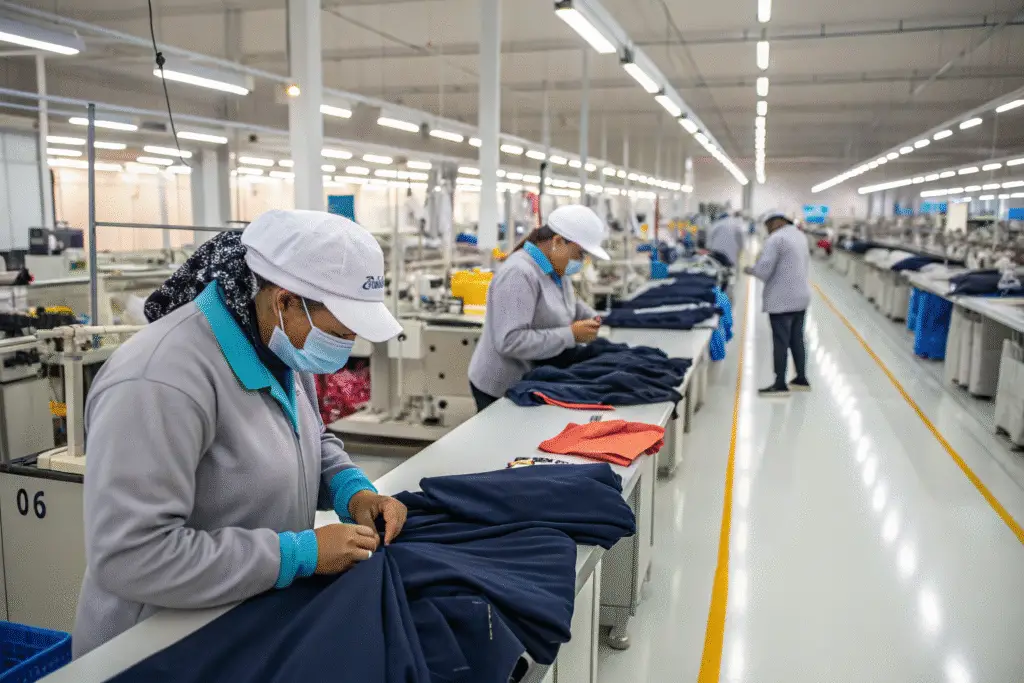
Consider working with suppliers who can agree to compartmentalized production. For example, one facility might handle fabric printing while another handles garment assembly. This ensures no single party can replicate your full design independently.
Is digital file protection worth it?
Yes—when sending CAD files or patterns, watermark them and use password-protected file transfer tools. These extra steps deter casual sharing and make unauthorized copies easier to trace.
Monitor The Market For Infringements
Even with strong legal and contractual protections, you must actively watch for signs of IP theft in the market.
Which tools can help detect knockoffs?
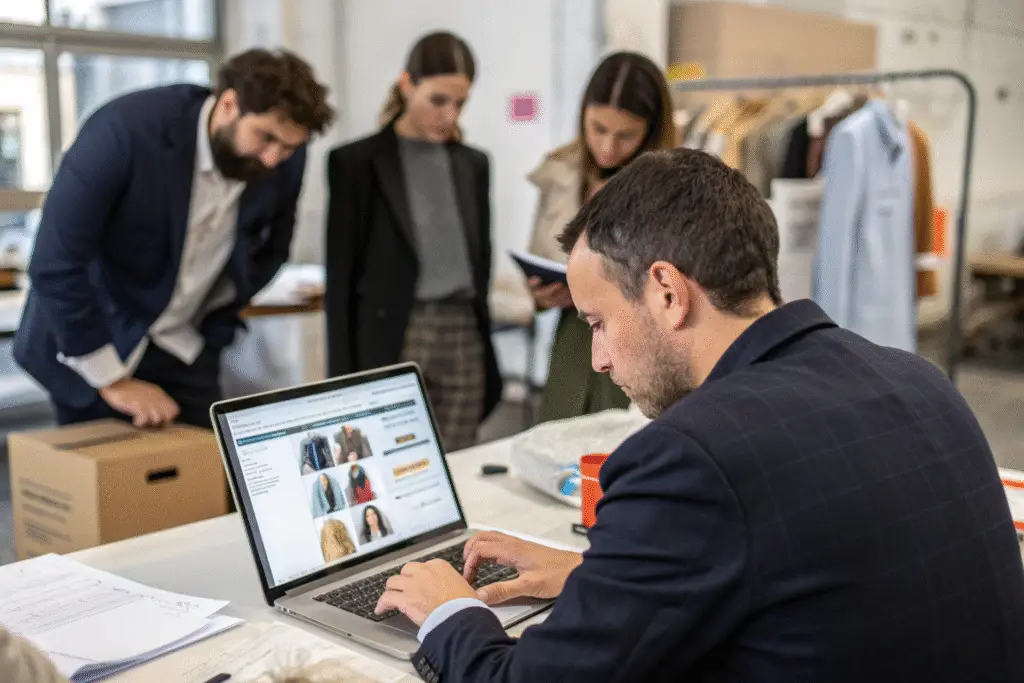
Platforms like Red Points and MarkMonitor can scan online marketplaces for unauthorized listings. These services automatically issue takedown requests, saving time and resources.
What steps should you take after finding infringement?
When you spot a violation, act quickly. Gather evidence, contact the infringer, and file formal complaints through marketplace IP protection programs, such as Amazon Brand Registry. Delayed action can weaken your claim.
Conclusion
Protecting your apparel designs in a customization project is about being proactive, not reactive. Register your rights early, use airtight NDAs, limit design exposure, and maintain constant market vigilance. These steps work best when combined with trustworthy suppliers who value long-term partnerships over short-term gains.
At Shanghai Fumao, we work closely with brand owners to ensure their IP stays safe while bringing their vision to life. If you want to produce your apparel line with both quality and security, contact our Business Director Elaine at elaine@fumaoclothing.com. We’ll help you create without fear of imitation.