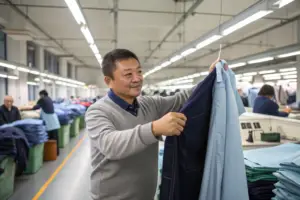
A kick-off meeting establishes the foundation for your entire garment production process. This initial meeting transforms design concepts into manufacturable products. Proper preparation ensures all parties share the same vision. It prevents costly misunderstandings later. Many brands approach these meetings unprepared. This leads to delays and disappointing results. Our guide provides essential preparation steps.
Effective kick-off meetings ensure timely, quality garment production. They create clear action plans for manufacturers. Preparation aligns brand and manufacturer expectations. It addresses design, cost, and timeline concerns early. This alignment is crucial for market success.
Let us explore the critical preparation areas. These steps will make your next meeting productive.
What documents should you prepare before the meeting?
Proper documentation demonstrates professionalism. It enables productive meeting discussions. Complete documentation helps manufacturers provide accurate feedback. It facilitates precise cost estimations.
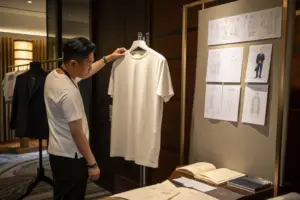
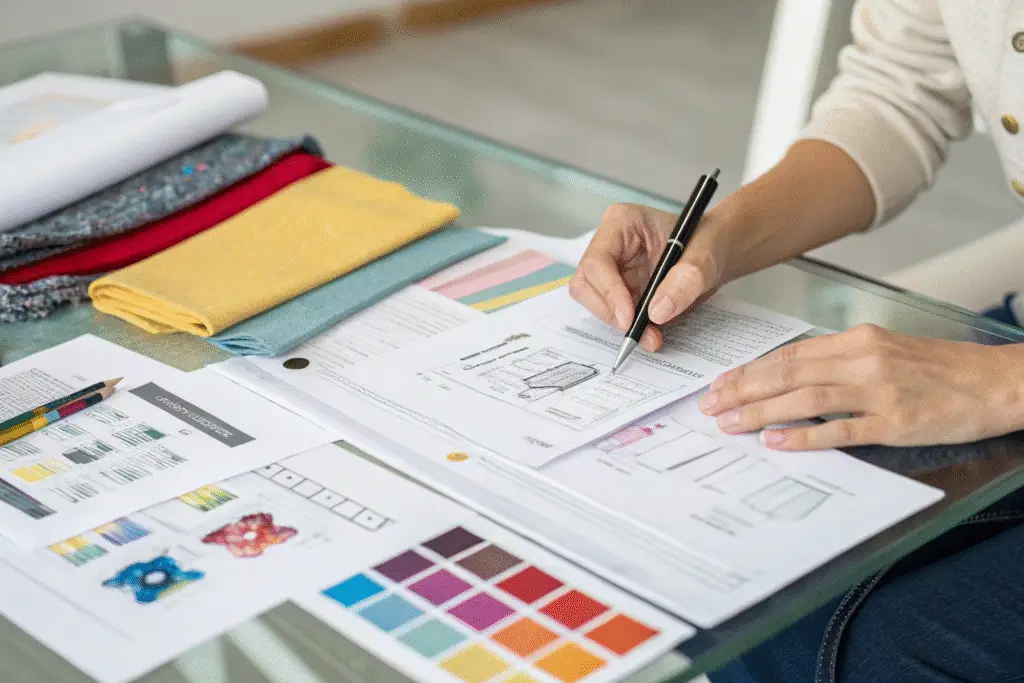
The tech pack serves as your garment's blueprint. It contains detailed sketches and construction details. The Bill of Materials lists all components. Without a thorough tech pack, manufacturers must guess your requirements. This causes errors and repeated sampling. The American Apparel & Footwear Association (AAFA) provides industry standard references.
Cost analysis defines your financial parameters. It guides material and production method selections. You should understand potential cost factors in global sourcing. Reference samples provide tangible quality standards. Physical samples communicate expectations effectively.
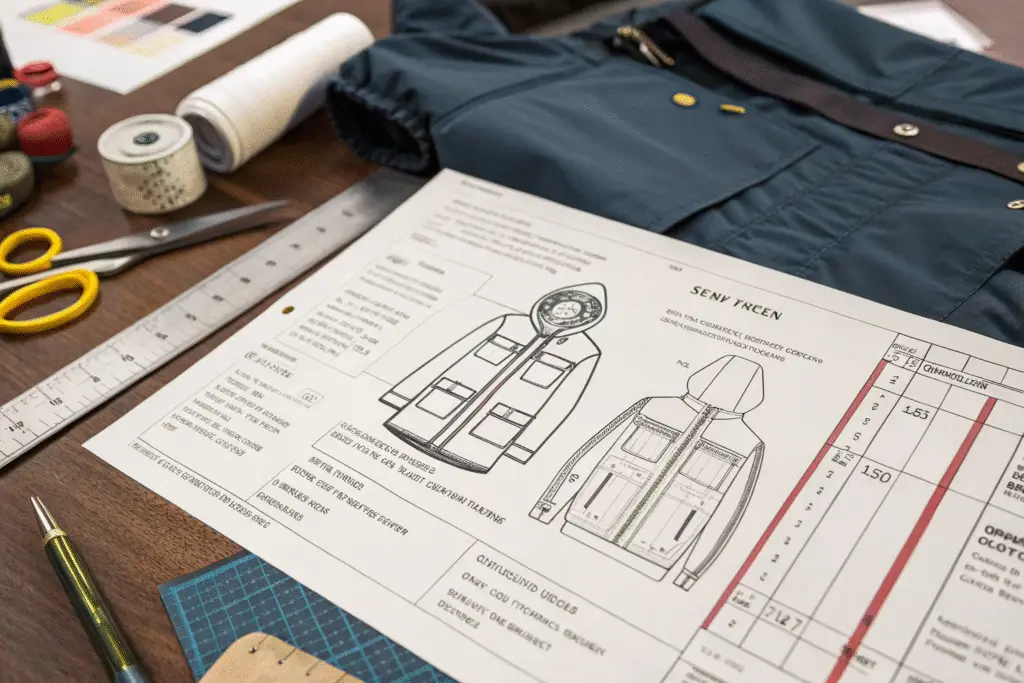
Why is a detailed tech pack crucial?
Tech packs eliminate interpretation errors. They specify every garment aspect precisely. Manufacturers assess production feasibility quickly. Clear specifications reduce clarification requests. This saves valuable development time.
How does a BOM assist manufacturers?
The Bill of Materials itemizes all garment components. It includes main fabrics and minor trims. Manufacturers use BOMs for material sourcing. This document enables preliminary costing. It establishes quality control benchmarks.
Which stakeholders should participate?
Correct attendance ensures efficient decision-making. It prevents project bottlenecks. It incorporates diverse perspectives from the beginning.
Your team needs decision-making authority. Product Developers and Brand Owners typically fill this role. Financial representatives handle costing discussions. Quality control staff provide inspection insights.
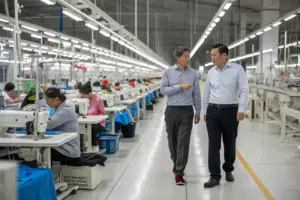
Manufacturer representation is equally important. Sales Managers manage client relationships. Technical Designers advise on production feasibility. Production Planners outline realistic timelines. Their combined expertise identifies potential issues early.
| Your Team Members | Manufacturer's Team | Primary Responsibilities |
|---|---|---|
| Product Developer / Owner | Sales Manager | Business terms and project alignment |
| Head Designer | Technical Designer | Design translation to manufacturing |
| Financial Controller | Production Planner | Costing and schedule confirmation |
Why include technical designers?
Technical designers connect creativity and manufacturing. They analyze tech packs for production issues. Their input prevents problematic design elements. Early involvement avoids costly sampling mistakes.
What should you ask production planners?
Production planners control your timeline. Ask about material sourcing lead times. Inquire about sample development durations. Question their delay management strategies. Understanding their workflow aligns your business plans.
How do you establish quality standards?
Clear standards prevent quality disappointments. Subjective terms like "good quality" cause misunderstandings. Objective measurements enable consistent quality control.
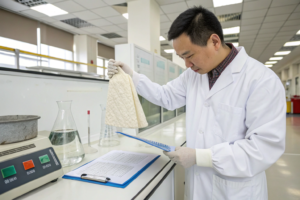
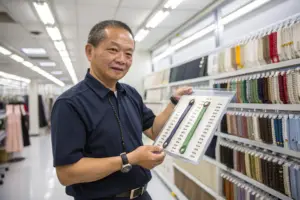
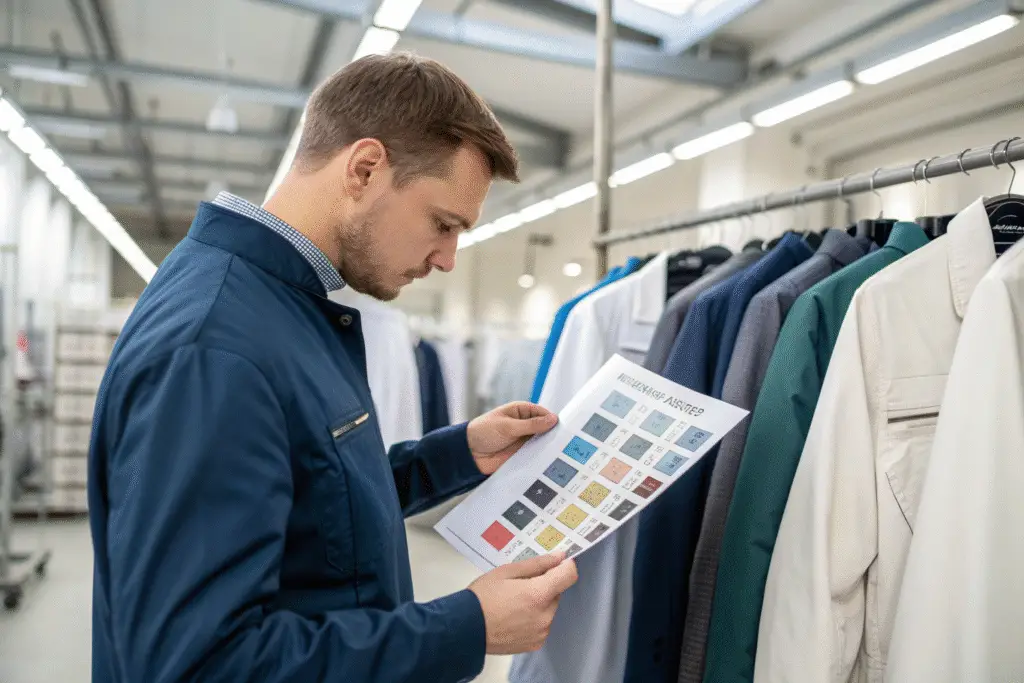
Define fabric requirements specifically. Specify composition and weight measurements. Request performance test results. Reference samples establish physical standards. They demonstrate desired hand-feel and appearance.
Detail construction requirements thoroughly. Define flaw tolerance levels. Specify seam strength requirements. Establish AQL inspection standards. This creates fair quality benchmarks for both parties.
What purpose does a proto sample serve?
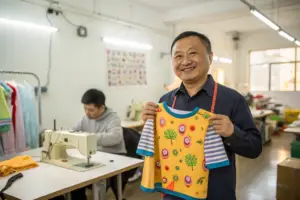
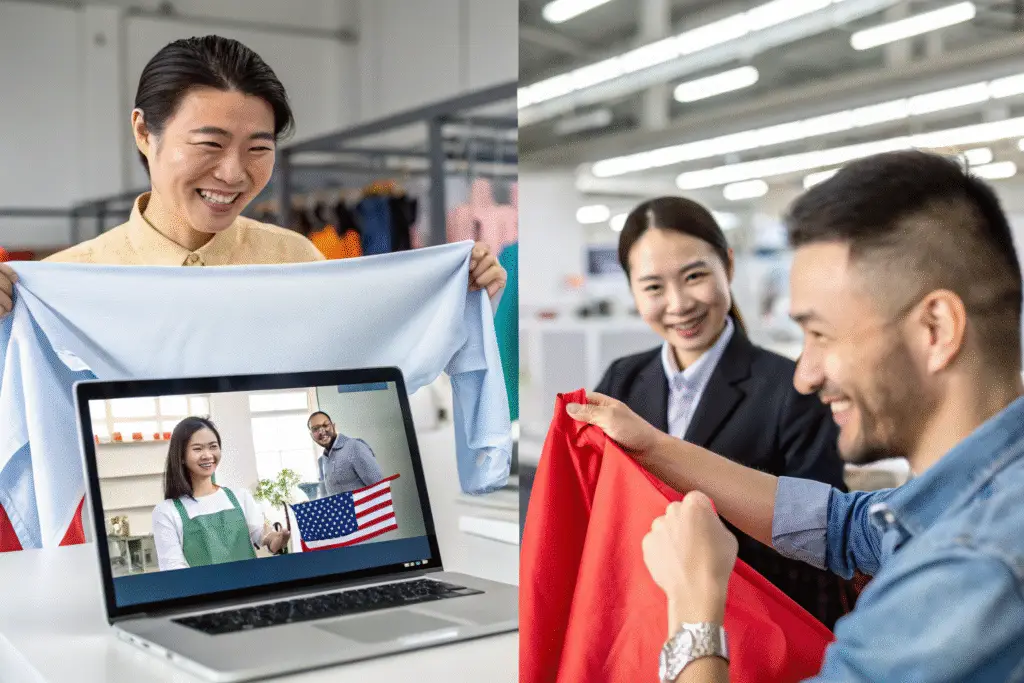
Proto samples verify design concepts initially. They confirm silhouette and style details. Approved samples become subsequent sample references. Post-approval changes increase costs and delays.
How do you create inspection protocols?
Agree on inspection methods during kick-off meetings. Determine AQL acceptance levels. Define inspection criteria clearly. Assign inspection responsibility specifically. Document the entire process transparently. This ensures accountability for final quality.
What makes a realistic production timeline?
Unrealistic timelines cause project failures. Mutually agreed schedules manage expectations effectively. They provide clear development roadmaps.
Break timelines into distinct phases. Development includes sampling stages. Production covers manufacturing processes. Shipping involves final logistics. Each phase needs clear dates. Include buffer time for approvals.
Discuss potential bottlenecks openly. Question factory capacity honestly. Understand material lead times realistically. Some processes have fixed durations. Collaborative tracking tools enhance visibility.
Why consider sample review cycles?
Sample reviews contain unpredictable elements. Factor in sample production time. Include international shipping duration. Allow thorough evaluation periods. Rushing causes oversight errors. Plan for multiple revision rounds.
How does logistics impact deadlines?
Logistics represents the final critical stage. Determine Incoterms during kick-off meetings. Consider shipping method durations. Account for customs clearance processes. Experienced manufacturers advise on optimal methods.
Conclusion
Thorough preparation makes kick-off meetings successful. It involves complete documentation and correct attendance. It requires clear standards and realistic scheduling. This approach minimizes risks and controls costs. It ensures precise vision execution.
We hope this guide improves your meeting confidence. Our company values preparation and transparency. We invite you to discuss your production needs. Contact our Business Director Elaine at elaine@fumaoclothing.com. Let us help bring your apparel visions to life.