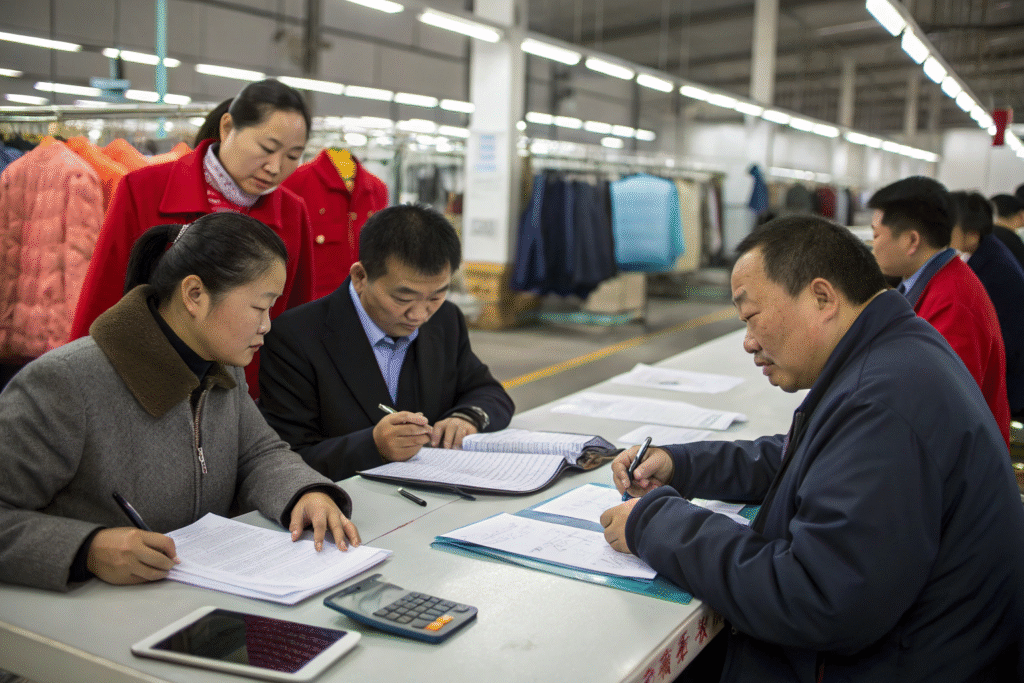
Negotiating with garment factories often feels intimidating, especially for new brands. I've witnessed both sides of these discussions for over a decade—as a manufacturer and previously as a buyer. The goal isn't to squeeze the lowest possible price, but to reach a fair agreement that sustains quality and partnership.
Successful price negotiation with garment factories involves understanding cost drivers, building long-term partnership value, focusing on mutual benefits, and maintaining transparency. The most effective negotiations create win-win scenarios where both parties feel respected and motivated to deliver their best work.
Price negotiation requires preparation, realistic expectations, and strategic conversation. Let me share the framework we use when clients negotiate with us, revealing what works and what damages relationships from the manufacturer's perspective.
What Cost Components Should You Understand Before Negotiating?
Understanding what makes up your garment's cost is the foundation of intelligent negotiation. Without this knowledge, you're negotiating blindly and risk compromising quality.
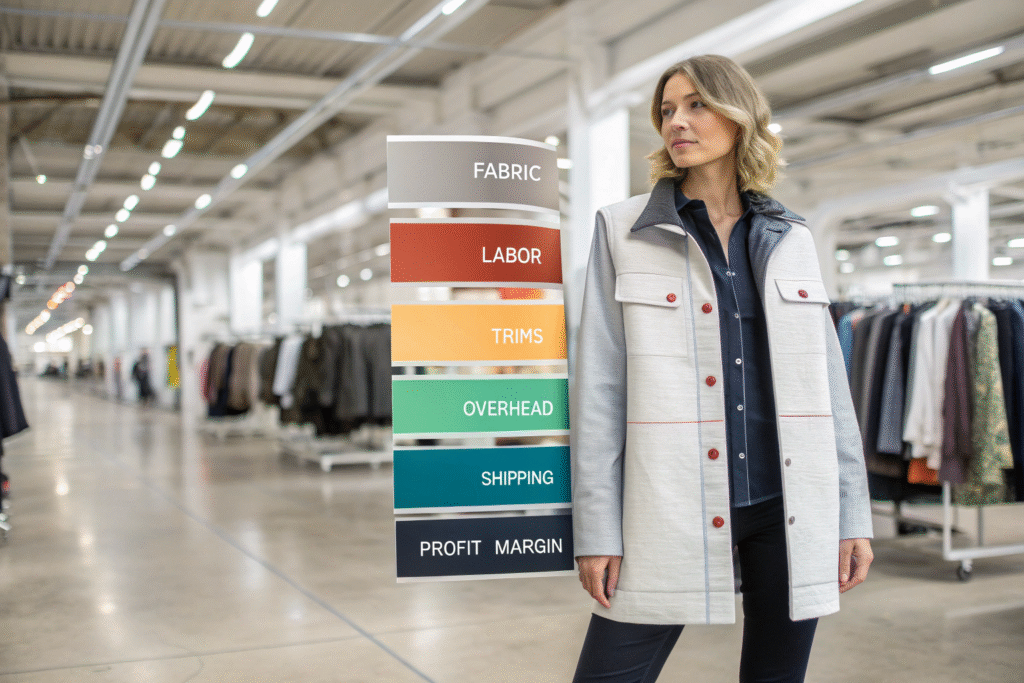
The main cost components include raw materials (45-60%), labor (20-30%), overhead (10-15%), and the factory's profit margin (10-15%). Each element has negotiation potential, but some offer more flexibility than others. We provide transparent cost breakdowns because educated clients make better partners.
Which cost elements typically have the most flexibility?
Overhead allocation and profit margin often have more negotiation room than direct costs like materials and labor. Factories with higher efficiency can sometimes offer better pricing because their overhead is spread across more units. We recently worked with a client who negotiated a 5% reduction by agreeing to flexible payment terms that improved our cash flow, creating mutual benefit.
How does order quantity impact cost structure?
Larger orders reduce per-unit costs by spreading fixed expenses like pattern making, sampling, and setup across more pieces. The most significant price reductions typically occur between 100-500 pieces, with diminishing returns beyond 2,000 units. Understanding these economies of scale helps set realistic negotiation targets based on your order volume.
What Negotiation Strategies Build Strong Partnerships?
The approach you take during negotiation sets the tone for your entire manufacturing relationship. Adversarial negotiations often lead to strained partnerships and quality issues later.
Effective strategies focus on mutual benefit, long-term value, and transparent communication. The best negotiations feel like collaborative problem-solving rather than confrontational bargaining. We remember clients who negotiated respectfully and often prioritize them during capacity constraints.

How can you demonstrate long-term partnership value?
Communicate your growth plans and commitment to a lasting relationship. Factories may offer better pricing to clients who show potential for increasing future orders. One startup secured 8% better pricing by sharing their realistic 3-year growth forecast and committing to volume increases in subsequent seasons, making the initial lower margin acceptable to us.
What conversation framing leads to better outcomes?
Instead of saying "Your price is too high," try "To fit our budget, could we explore alternatives for X component?" This collaborative approach preserves relationships while achieving your goals. We've accepted lower margins when clients framed requests around mutual problem-solving rather than unilateral demands.
When Is the Best Time to Negotiate Pricing?
Timing significantly impacts negotiation success. The same request made at different production stages can yield completely different responses.
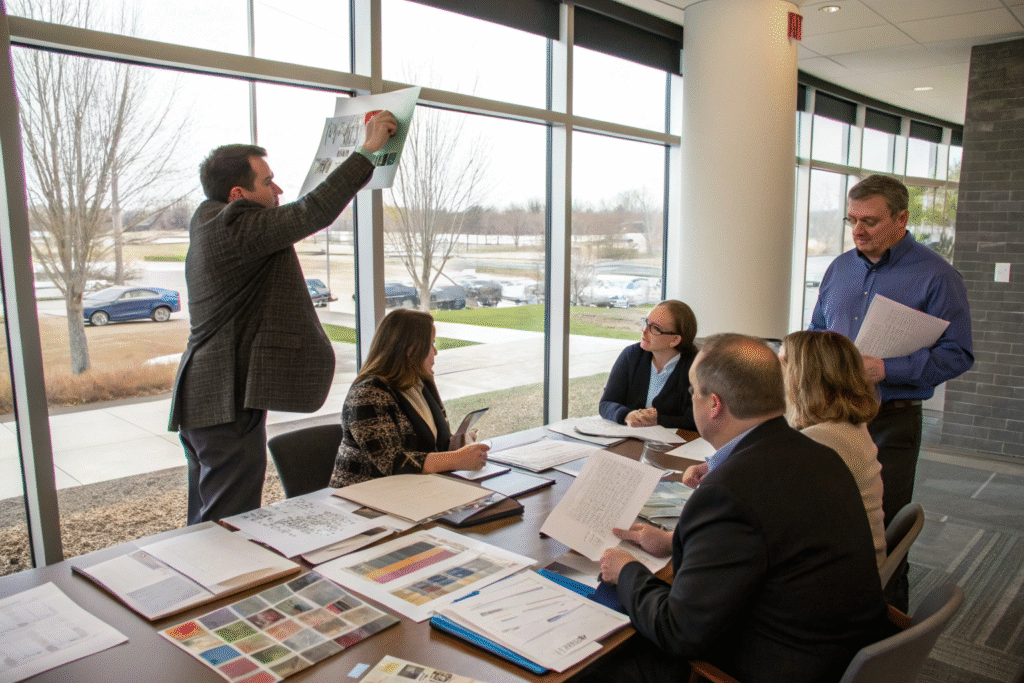
The ideal negotiation window is after sample approval but before full production commitment. At this stage, the factory has invested in understanding your requirements but hasn't committed raw materials or production capacity. We're most open to discussion once we've established a product's feasibility but before locking in production plans.
| Negotiation Timing | Advantages | Disadvantages |
|---|---|---|
| Initial Quoting | Maximum flexibility | Less relationship established |
| After Sampling | Understanding of complexity | Some costs already incurred |
| Production Planning | Clear timeline established | Limited flexibility on materials |
| Repeat Orders | Proven relationship | Expectations set from previous orders |
How does seasonal timing affect negotiation leverage?
Factories have slower periods, typically January-February and June-July, when they may be more flexible on pricing to maintain workforce utilization. Negotiating during peak production seasons (March-May and August-October) typically yields less flexibility. We recently offered better terms to a client who shifted their production timeline to our slower period, benefiting both parties.
Should you negotiate on your first order with a factory?
Modest negotiation on first orders is reasonable, but aggressive price reduction requests can signal that you'll be a difficult partner. Focus on understanding their pricing structure and building trust. We remember initial negotiations that respected our need for reasonable profitability while seeking fair value.
What Are the Most Effective Leverage Points in Negotiation?
Understanding where you have legitimate leverage helps focus your negotiation efforts on achievable outcomes rather than across-the-board price demands.
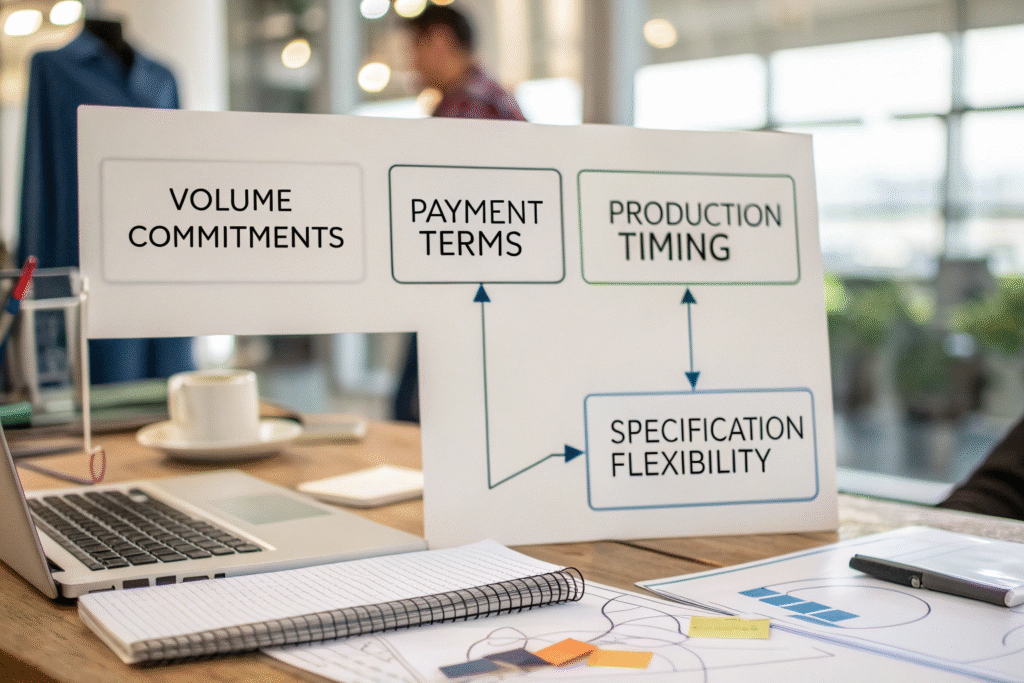
Your strongest leverage points include order volume, payment terms, production timing, and specification flexibility. We're most responsive to requests that align with our operational efficiencies and business priorities.
How can payment terms be used as negotiation leverage?
Faster payments or larger deposits improve factory cash flow, creating value that can offset price reductions. We offered a 3% discount to a client who agreed to 50% deposit instead of our standard 30%, significantly improving our working capital position for their materials purchase.
What specification changes offer significant cost savings?
Simpler label requirements, reducing the number of fabric colors, or standardizing trim sizes can generate meaningful savings without compromising product integrity. We helped a client reduce costs by 12% through value engineering that maintained quality while simplifying production complexity.
What Should You Avoid During Price Negotiations?
Certain negotiation tactics damage relationships or trigger unintended consequences that ultimately cost more than the initial savings.
Avoid ultimatums, misleading information about competing quotes, last-minute changes after agreement, and disrespectful communication. These approaches may secure short-term gains but damage trust essential for long-term partnership. We've walked away from clients who employed aggressive tactics, regardless of order size.

Why shouldn't you exaggerate competing quotes?
Experienced manufacturers recognize unrealistic competing quotes and may question your credibility. Instead, share genuine market rates and ask how their offering differs. Transparency about market pricing builds credibility and leads to more productive discussions about value differences.
How do last-minute negotiations impact quality?
Factories that accept pricing below sustainable levels often compensate through quality compromises or hidden cost recoveries. We maintain consistent quality standards but may need to adjust other service aspects if pricing becomes unsustainable. A client who demanded 15% reduction after production planning ultimately received slower communication and less flexible scheduling.
How Can You Create Win-Win Negotiation Outcomes?
The most successful negotiations create value for both parties, strengthening the partnership rather than creating resentment.
Look for creative solutions that address both parties' underlying interests rather than just bargaining over positions. Often, what's costly for one party is inexpensive for the other, creating exchange opportunities. We've developed some of our best client relationships through negotiations that solved problems for both sides.

What trade-offs create mutual benefit?
Consider exchanging faster payments for better pricing, longer production timelines for cost reductions, or volume commitments for preferential treatment. One client secured 7% better pricing by agreeing to extended production timelines that allowed us to optimize our production scheduling around other orders.
How can you frame negotiations around total value?
Look beyond unit price to consider quality, reliability, communication, and problem-solving responsiveness. Sometimes paying slightly more for a superior partner delivers better overall value. We've had clients acknowledge that our pricing was 5% higher but recognize our total value proposition justified the difference through fewer defects and better communication.
Conclusion
Effective price negotiation with garment factories requires preparation, realistic expectations, and a partnership mindset. The goal should be fair value that sustains quality manufacturing and a productive long-term relationship.
Remember that manufacturers need reasonable margins to invest in equipment, train workers, and maintain quality systems. The most successful brands negotiate respectfully while recognizing that sustainable pricing enables the reliability and quality they need.
If you're preparing to negotiate with manufacturers and want transparent insights into cost structures and flexibility points, we're happy to provide guidance. At Fumao Clothing, we believe educated negotiations build stronger partnerships. Contact our Business Director, Elaine, at elaine@fumaoclothing.com for honest discussions about pricing and value.