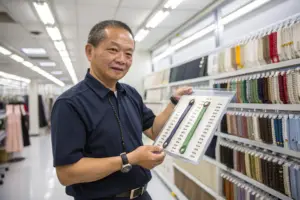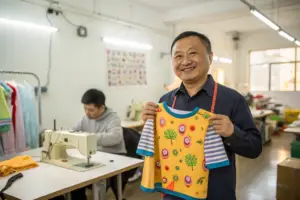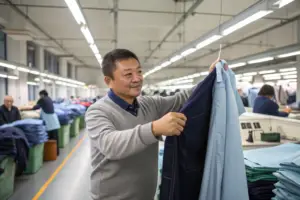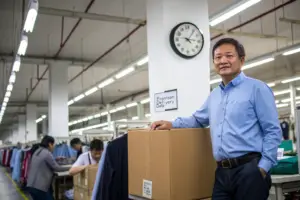
Navigating garment production beginnings can be challenging. Minimum Order Quantity requirements often pressure brands. You might feel forced to order excess inventory. This critical moment impacts your product launch success.
Effective MOQ negotiation seeks mutual agreement. It requires preparation and clear communication. Understanding both party needs is essential. Successful meetings build transparent partnerships. They lead to smoother production cycles.
Let's explore confident MOQ negotiation approaches. These strategies secure workable quantities for your brand.
What Are Typical MOQs for Garment Manufacturers?
Many brands encounter surprisingly high MOQs. Understanding influencing factors enables productive conversations. Factories need MOQs to cover fixed costs. These include production setup and material sourcing.
MOQs vary significantly across product categories. Simple t-shirts might require 500 pieces. Complex outerwear often needs 1,000+ units. This reflects increased production complexity.
Why do MOQs vary between product types?
Cost and complexity drive MOQ differences. Basic garments use standard production processes. Factories achieve high daily output volumes. Technical items involve multiple manufacturing steps. Each step requires specialized equipment. Skilled labor demands increase accordingly. Production setup time expands significantly. These factors justify higher quantity requirements.
How can you assess MOQ reasonableness?
Research industry standards first. Compare manufacturers for similar products. Request detailed cost breakdowns. Transparent factories explain MOQ components. They cover fabric sourcing and pattern making. Unusually low MOQs might indicate quality risks. Reasonable MOQs ensure factory profitability. They provide your viable market entry.
What Strategies Can Reduce Your Initial MOQ?
Multiple approaches can lower initial quantities. The key involves reducing factory risk. Creative solutions meet inventory needs effectively.
Phased ordering commits to future business. It starts with smaller initial quantities. Style simplification reduces color options. This decreases production complexity immediately.

Can fabric consolidation lower MOQs?
Fabric choices significantly impact MOQs. Using identical materials across styles increases order volume. This reduces per-meter material costs. Factories achieve better pricing from mills. Your overall quantity per garment decreases. This approach leverages bulk purchasing advantages.
Is higher pricing worth lower MOQs?
Unit cost increases often justify quantity reductions. They compensate for fixed production expenses. Calculate your profit margins carefully. Determine acceptable price thresholds beforehand. Willingness to pay fair prices demonstrates understanding. Manufacturers appreciate reasonable business partners.
| Strategy | Implementation | Ideal Situation |
|---|---|---|
| Phased Orders | Multiple shipments across time | Predictable demand patterns |
| Fabric Consolidation | Shared materials between styles | Cohesive collection planning |
| Style Simplification | Reduced colors and details | Initial market testing |
| Advanced Payment | Larger deposit security | Established trust relationships |
How Does Communication Impact MOQ Negotiations?
Communication quality affects negotiation outcomes. Trust and transparency build strong foundations. Approach discussions as partnership conversations.
Clearly articulate your brand vision. Share growth plans and market potential. Manufacturers invest in promising relationships. Honesty about constraints enables creative solutions.

Business plans demonstrate professional commitment. They show long-term partnership potential. Manufacturers see future order security. This reduces perceived financial risk. Negotiations transform into collaborative planning.
What communication pitfalls exist?
Vague requirements create misunderstandings. Budget dishonesty wastes valuable time. Email-only communication misses nuances. Video calls build better rapport. They ensure clear expectation alignment.
How to Prepare for Successful MOQ Discussions?
Thorough preparation demonstrates professionalism. It enables data-driven conversation leadership. Understand your priorities and flexibility limits.
Research market standards extensively. Calculate financial parameters precisely. Prepare alternative solution options.

What data supports negotiations?
Bring concrete supporting information. Sales forecasts show market potential. Cost breakdowns clarify financial boundaries. Complete tech packs indicate readiness. Competitor analysis provides context. This preparation enables reasonable requests.
How to select flexible manufacturers?
Target factories matching your scale. Review their business model alignment. Seek "small batch" capability indications. Mid-sized factories often provide ideal balance. They ensure quality while maintaining flexibility. Always verify certification authenticity.
Conclusion
MOQ negotiation is essential scaling skill. The goal involves mutual success achievement. Understanding manufacturer constraints enables creative solutions. Thorough preparation with data builds confidence. Clear communication establishes partnership foundations.
These approaches transform MOQ barriers into growth opportunities. They establish reliable production partnerships. Your brand achieves sustainable market expansion.
Begin your flexible manufacturing partnership today. Contact Business Director Elaine at elaine@fumaoclothing.com. Discuss your apparel production requirements with our team.