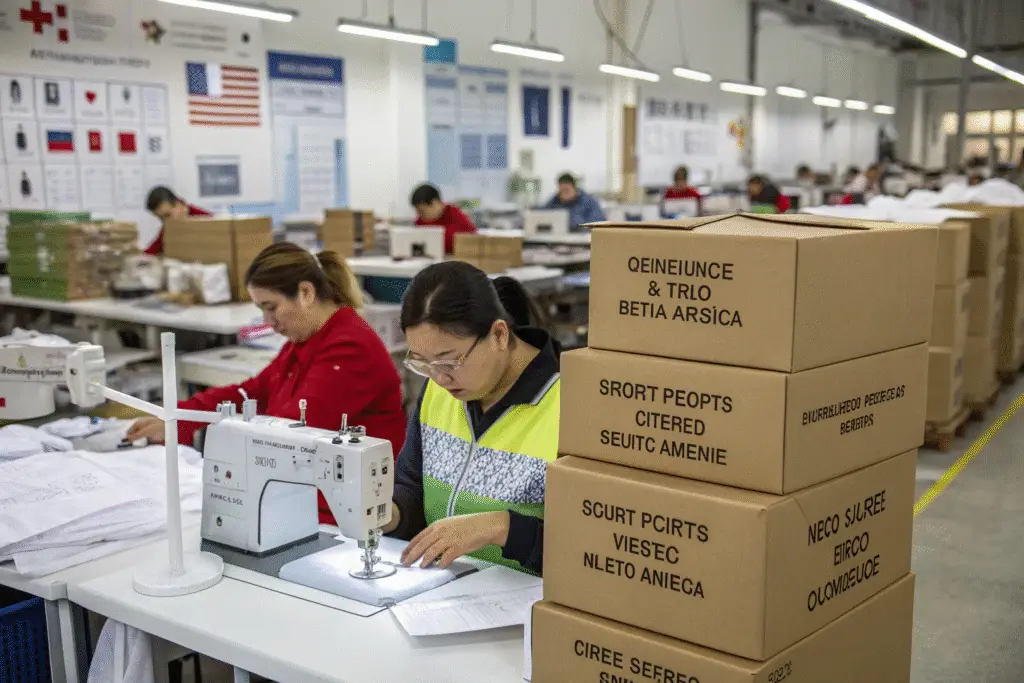
Importing garments from China remains a profitable business for many U.S. and European brands, but tariffs can significantly impact margins. Understanding and navigating tariffs is crucial to keeping costs competitive while maintaining quality.
As a Chinese garment manufacturer exporting to North America and Europe, I’ve worked with many clients on tariff-related strategies. Knowing how to classify products, use trade agreements, and plan shipments can mean the difference between a healthy profit and a financial loss.
This article will cover how tariffs work, ways to reduce their impact, and practical steps to stay compliant while keeping costs under control.
What Are Tariffs and How Do They Apply to Garment Imports?
Tariffs are taxes imposed on imported goods, calculated based on the product’s classification under the Harmonized System (HS) code. Different garment types, fabrics, and production methods can lead to different tariff rates.
For apparel importers, correct classification is critical—misclassification can lead to fines, shipment delays, or higher duties.
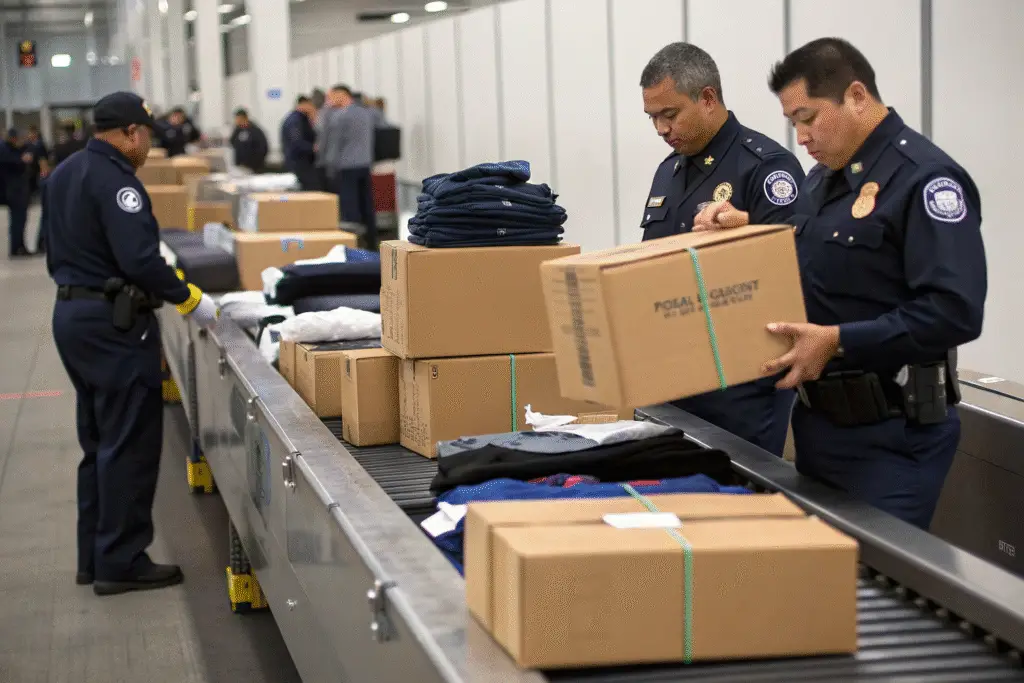
How do HS codes affect tariff rates?
Each product has a specific HS code that determines its tariff rate. Check the U.S. International Trade Commission tariff database and World Customs Organization for details.
Why is product origin important in tariffs?
The country of origin affects duty rates and eligibility for trade agreements. See U.S. Customs and Border Protection rules and EU TARIC database for guidelines.
How to Classify Garments to Avoid Overpaying Duties?
Correct classification ensures you pay only the duties required. Many importers overpay because they fail to identify the most accurate HS code for their product.
We help clients review garment construction, fabric type, and intended use to ensure correct coding before shipping.

Can small changes in product design affect tariffs?
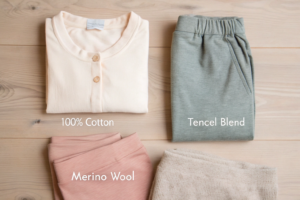
Yes. Altering fabric composition or garment features can change the HS code and tariff rate. Learn more from Trade Compliance Center and Apparel Export Promotion Council.
Is it worth using a customs broker?
Absolutely. Licensed brokers navigate complex classifications and reduce costly errors. See National Customs Brokers & Forwarders Association of America and Freightos customs resources.
What Strategies Reduce Tariff Costs for Apparel Imports?
Reducing tariff costs is possible through smart sourcing, production planning, and leveraging trade agreements.
For example, shifting part of production to a country with a free trade agreement can significantly cut duties while keeping costs competitive.

How can trade agreements lower tariffs?
Agreements like USMCA and ASEAN-China Free Trade Agreement offer reduced or zero tariffs for qualifying goods. Read about USMCA apparel rules and ASEAN trade agreements.
Can duty drawback programs help?
Yes. Importers can reclaim duties paid on goods that are later exported. Learn from U.S. CBP Duty Drawback Program and UK HMRC re-export schemes.
How to Stay Compliant While Managing Tariff Exposure?
Staying compliant with customs regulations is essential to avoid fines, delays, or shipment seizures. Compliance also builds trust with customs authorities, making inspections smoother.
We keep detailed documentation of every shipment, including HS codes, invoices, and certificates of origin, to ensure compliance and speed up clearance.
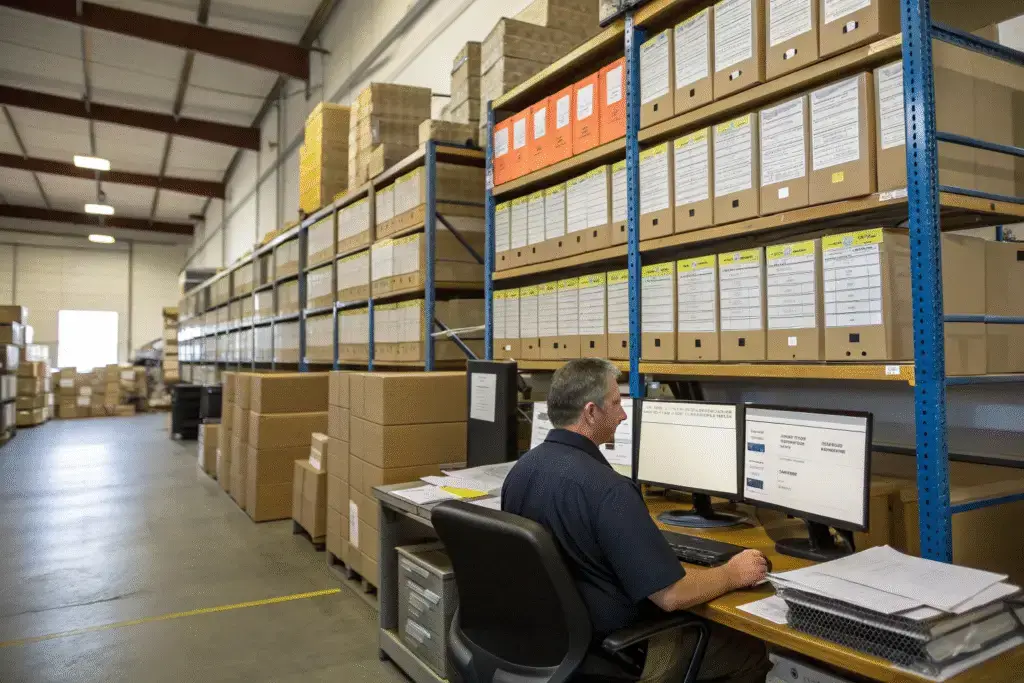
What documentation is essential for tariff compliance?
Invoices, packing lists, HS code records, and certificates of origin are mandatory. See Export.gov documentation guide and ICC Incoterms rules.
How often should importers review tariff classifications?
At least annually, or whenever product designs change. Refer to U.S. ITC annual tariff updates and EU customs updates.
Conclusion
Tariffs are a complex but manageable part of importing garments from China. By understanding HS codes, using customs brokers, leveraging trade agreements, and maintaining strict compliance, brands can reduce costs and protect their supply chains.
If you’re ready to import apparel efficiently, Shanghai Fumao Clothing can guide you through tariff classification, documentation, and shipment planning. Contact our Business Director Elaine at em>elaine@fumaoclothing.com</em to start optimizing your import process.