For seasonal apparel brands, timing is everything. A shipment that arrives even a few weeks late can mean missing the entire sales window, leading to unsold stock and significant revenue loss. Many U.S. apparel buyers sourcing from China have faced these costly delays caused by port congestion, customs issues, or poor supplier coordination.
If you want to hit every selling season on time, you need a proactive strategy to manage and reduce shipping risks.
In this article, I will share proven methods, from my experience as a manufacturer and exporter, to keep your seasonal apparel shipments on schedule — without overpaying for expedited services.
What Causes Delays In Seasonal Apparel Shipping?
Seasonal apparel shipments face unique challenges compared to year-round products.
Most delays happen due to a combination of production overruns, port congestion, customs clearance issues, and inadequate logistics planning.
When apparel is meant for a specific season — such as winter coats or summer dresses — a two-week delay can turn profitable inventory into markdown stock.
How Does Production Impact Shipping Timelines?
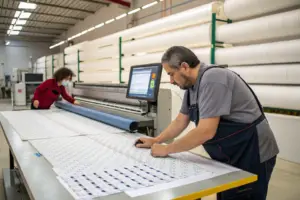
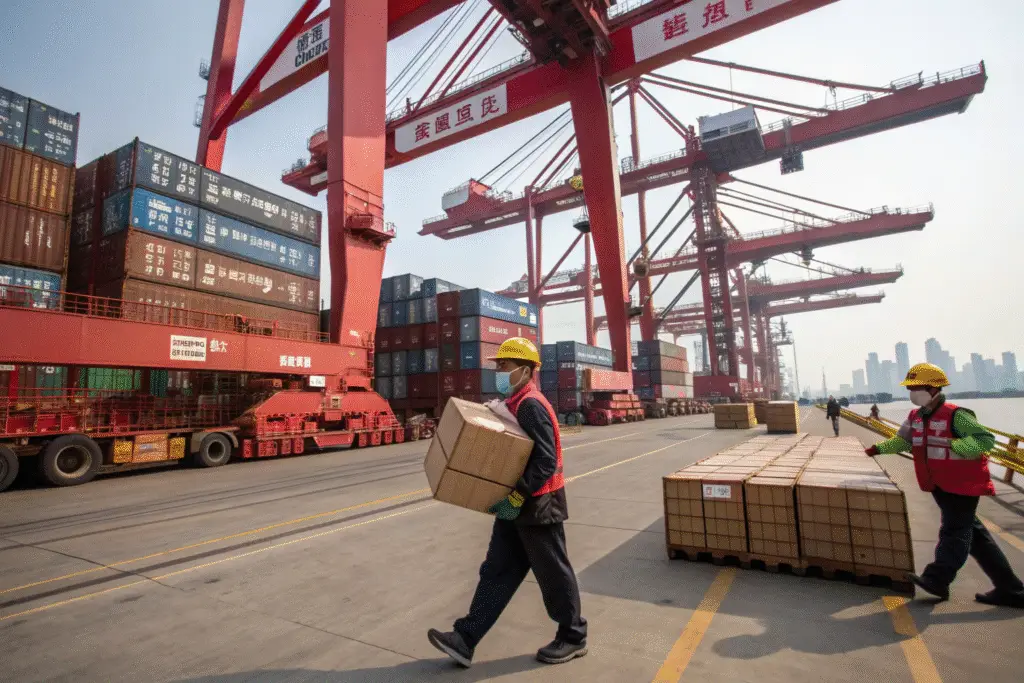
Production delays often occur when suppliers overcommit during peak seasons. Without production scheduling, factories may start orders late or struggle to meet finishing deadlines. This pushes back your shipping date.
Why Do Ports Become Bottlenecks?
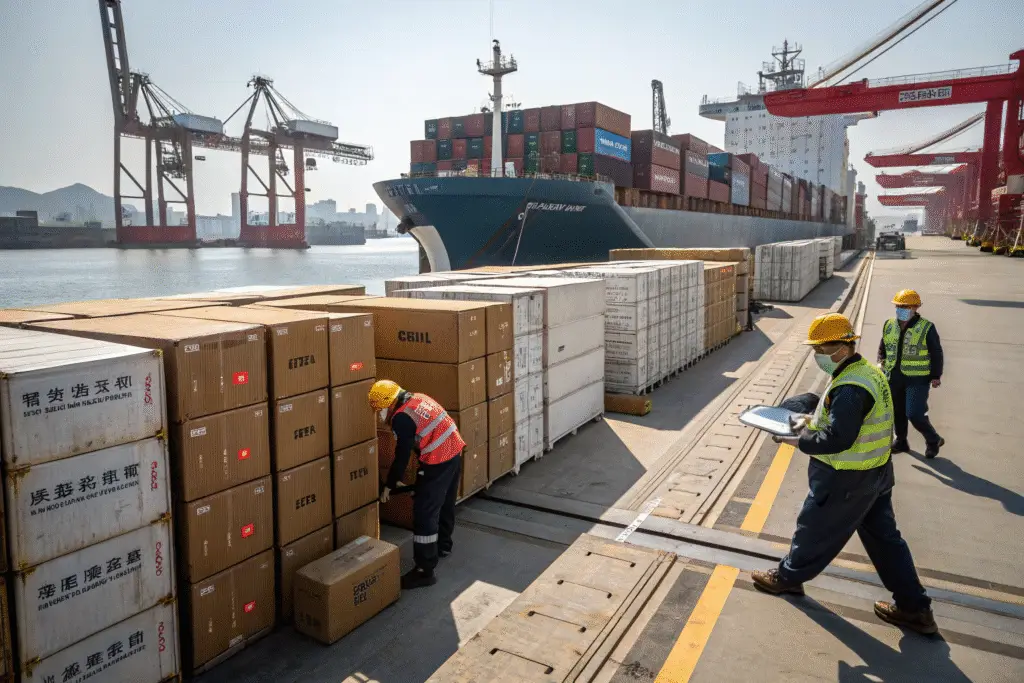
Major Chinese ports like Shanghai and Shenzhen experience heavy traffic during pre-holiday periods. According to World Shipping Council, vessel schedules can shift unexpectedly, affecting container availability and departure times.
How Can You Plan Shipments To Avoid Seasonal Bottlenecks?
Planning is the single most effective way to reduce shipping risks.
By booking cargo space early, avoiding peak congestion times, and using diversified routes, you can improve your odds of on-time arrival.
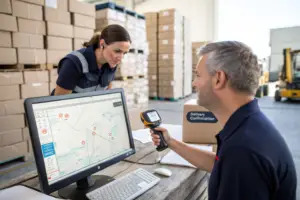
An experienced local sourcing agent can forecast these risk periods and help secure space before competition spikes.
When Should You Book Cargo Space?
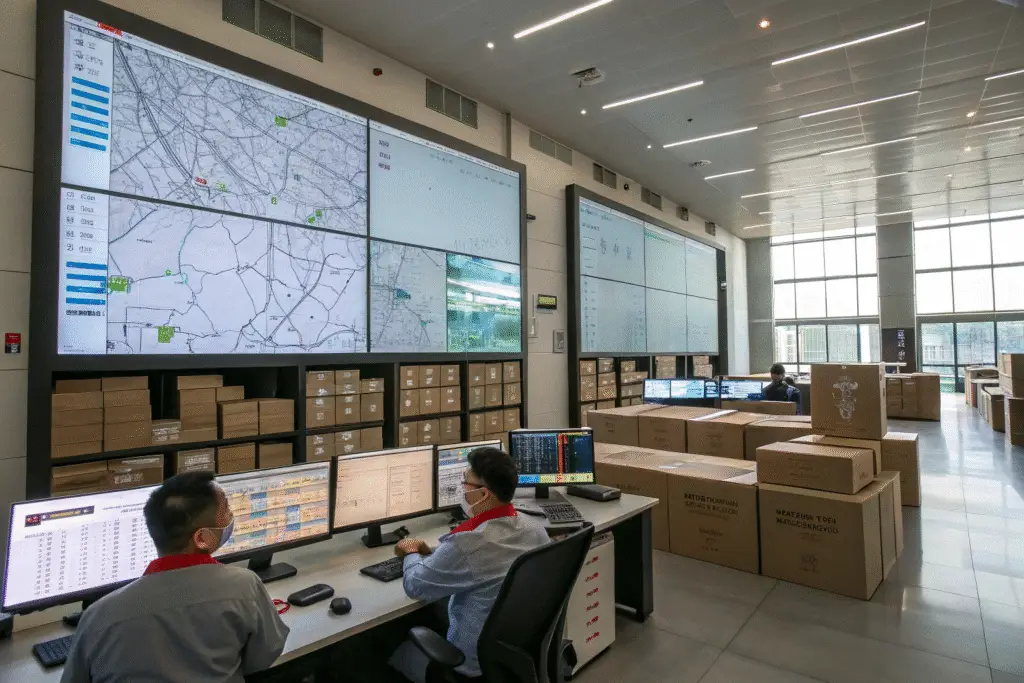
For seasonal apparel, booking space at least 4–6 weeks before production ends is ideal. Platforms like Freightos allow shippers to compare rates and schedules early, preventing last-minute premium charges.
How Do Alternative Routes Help?
If a primary port is congested, agents can route shipments through secondary ports like Ningbo or Qingdao. As Drewry Shipping Consultants notes, alternative ports often maintain steadier turnaround times during peak periods.
What Role Does Packaging Play In Preventing Delays?
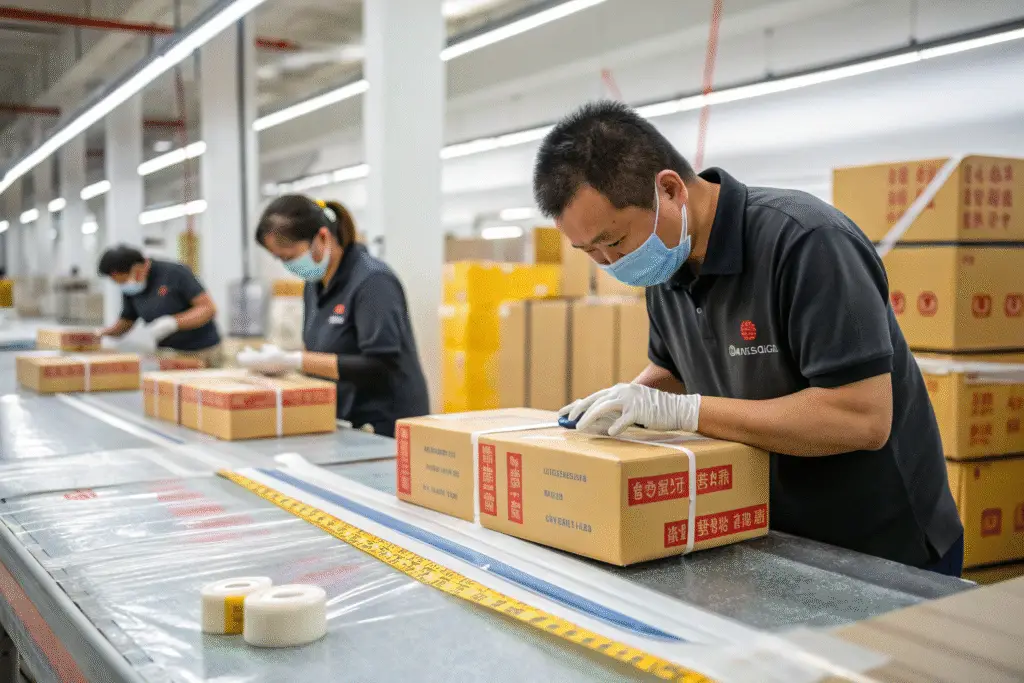
Poor or incorrect packaging can cause customs holds or damage claims, both of which delay shipments.
Using compliant, protective, and clearly labeled packaging can speed up customs clearance and reduce inspection risks.
Seasonal apparel is often shipped in bulk cartons, so packaging must protect against moisture, dust, and compression.
How Do You Ensure Packaging Meets Regulations?
Follow ISPM 15 standards for wooden pallets and ensure labels match your commercial invoice. Customs agencies, like U.S. CBP, can detain shipments with unclear or incorrect markings.
Can Packaging Speed Up Inspections?
Yes. Uniform carton sizes, clear barcodes, and accurate packing lists make it easier for customs officers to process your shipment quickly, reducing time in bonded warehouses.
How Do Insurance And Contingency Planning Reduce Risk?
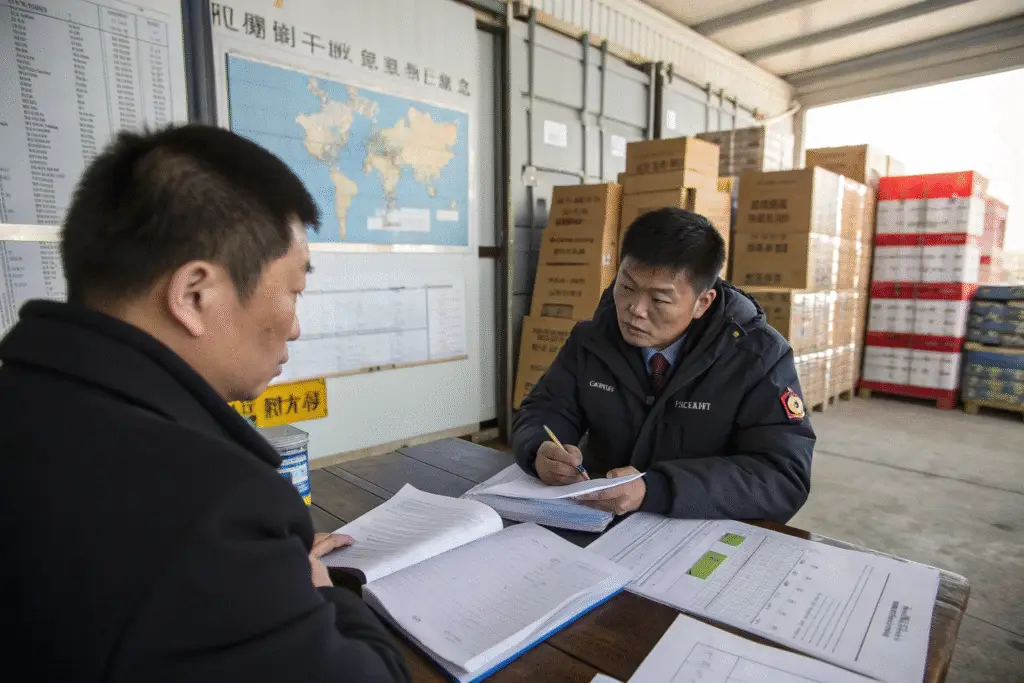
Even the best planning cannot prevent every delay. That’s where insurance and backup plans come in.
Cargo insurance covers financial loss from damage or loss during transit, while contingency plans ensure you can still meet deadlines if problems arise.
This combination gives you financial and operational security.
What Insurance Should You Choose?
Most apparel importers use marine cargo insurance, which covers both sea and air shipments. Policies vary, so review exclusions carefully, especially for moisture or theft.
What Makes A Good Contingency Plan?
This might include splitting shipments between sea and air, or staging partial deliveries to meet launch dates. Resources like Flexport provide hybrid shipping models for time-sensitive goods.
Conclusion
Shipping seasonal apparel from China is a race against the calendar. Delays can quickly erode margins and damage customer trust. By understanding causes, planning routes early, improving packaging, and adding insurance safeguards, you can dramatically reduce your risks.
For tailored logistics strategies that keep your apparel launches on time, contact Shanghai Fumao. Our Business Director, Elaine, can be reached at elaine@fumaoclothing.com — let us help you deliver your next seasonal collection right on schedule.