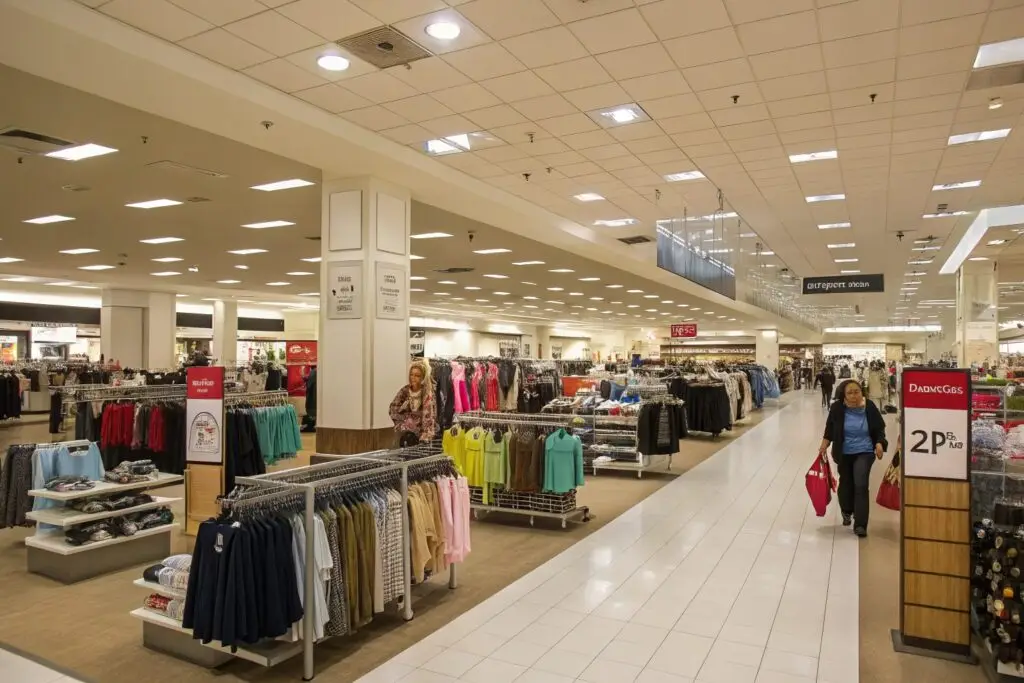
Every rental piece that sits in return limbo is revenue on pause. Managing that flow quickly is the key to scaling.
Effective returns and restocking management in fashion rental depends on clear intake protocols, rapid garment inspection, smart restocking priorities, and tech-based tracking systems.
At Fumao, we’ve worked with rental businesses to shrink their turnaround time by over 40%—just by fixing the return and restock process. Here's how to do it right.
Efficient Return Processes to Minimize Downtime
Returns are a daily challenge. If not handled fast, they clog inventory and reduce availability.
To minimize downtime, create a standardized return workflow that includes scanning, visual checks, sorting, and scheduled reintroduction into active stock.
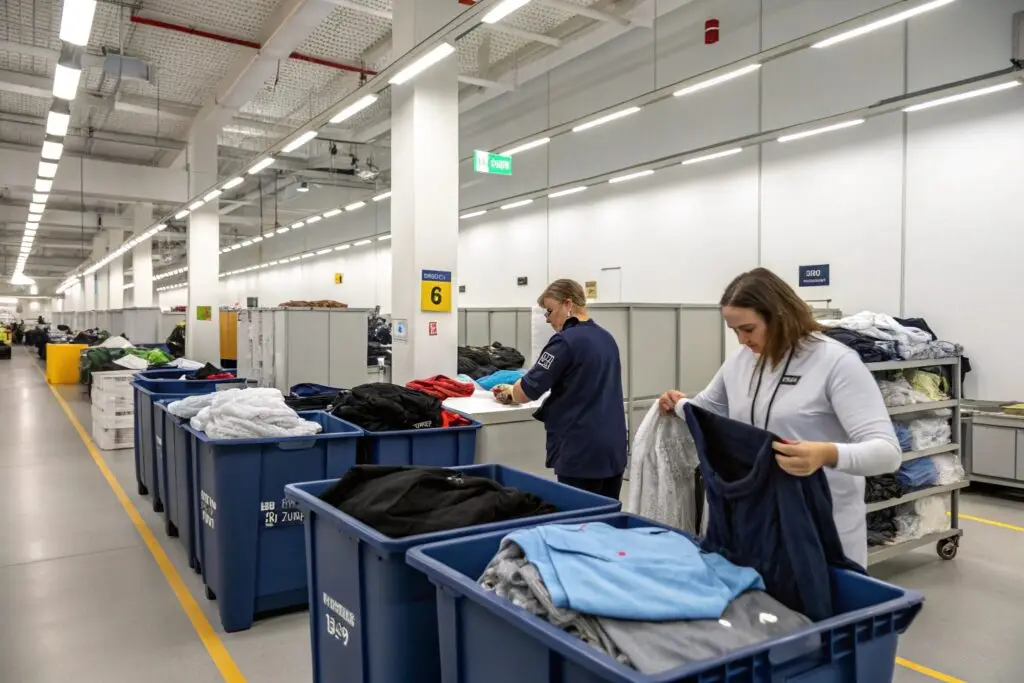
What does an ideal return workflow1 look like for a rental operation?
Here’s our proven 5-step framework:
- Scan-in on arrival (barcode or QR label)
- Quick visual inspection (stains, tears, missing parts)
- Sort by condition: “Ready to restock,” “Needs cleaning,” “Repair required”
- Direct to zone (laundry, tailoring, or ready-rack)
- Mark as available or move to blocked stock
This workflow should be completed within 24–48 hours max.
For example, one uniform client used to mix all returns in one bin. After introducing sorting carts2 labeled by garment type and condition, their restock rate improved by 55%.
How can teams coordinate across laundry, repair, and inventory?
- Assign roles by department with handover tags
- Use color-coded bins or racks
- Create daily processing targets
- Hold weekly cross-team check-ins3
Returns only work fast when every department speaks the same language.
How do you inspect and refresh returned garments quickly?
Inspection can’t be rushed—but it can be systematized.
To inspect and refresh returned garments efficiently, use a triage system, check key wear zones, and apply pre-set cleaning and steaming protocols.
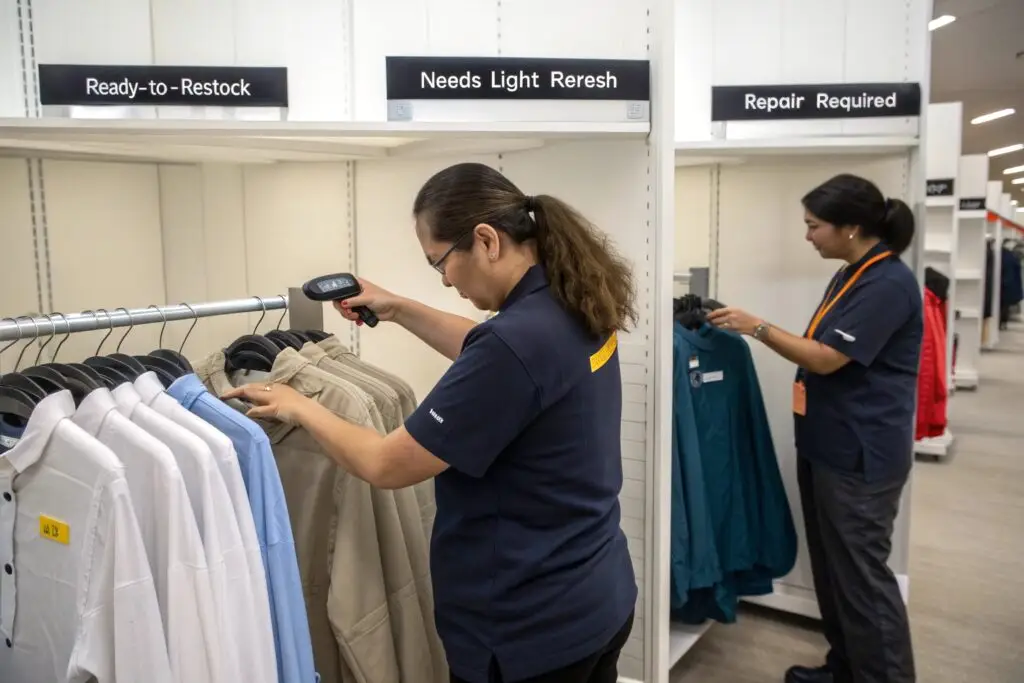
What are the most important areas to inspect on return?
We coach clients to use the “F-S-C” model:
- F = Fabric – check for stains, fading, or wear
- S = Structure – inspect seams, hems, buttons, zippers
- C = Cleanliness – note odors, underarm stains, or visible dirt
Inspection should take under 2 minutes per item. If it takes more, something needs to be automated or delegated.
We also recommend:
- UV lamps for invisible stains
- Lint rollers at inspection tables
- Checklist tags that travel with each item
How do you reduce total prep time from return to ready-for-rent?
- Use fast-dry fabrics4 and water-saving laundry cycles
- Steam in batches instead of per-piece
- Pre-position garments by size/category for faster matching
- Train staff to inspect during the unboxing phase—not later
At Fumao, we developed a “3-cycle prep system5” for one eventwear rental client:
- Light wear: return → steam → restock (same day)
- Moderate wear: return → wash → press → restock (48 hrs)
- Heavy damage: return → repair → deep clean (5–7 days)
Best Practices for Restocking High-Demand Items
When customers want it, it has to be ready. Restocking is not about filling shelves—it’s about filling need.
Restock high-demand rental items by prioritizing top-performers, automating inventory alerts, and using data to schedule reorders and replacements.
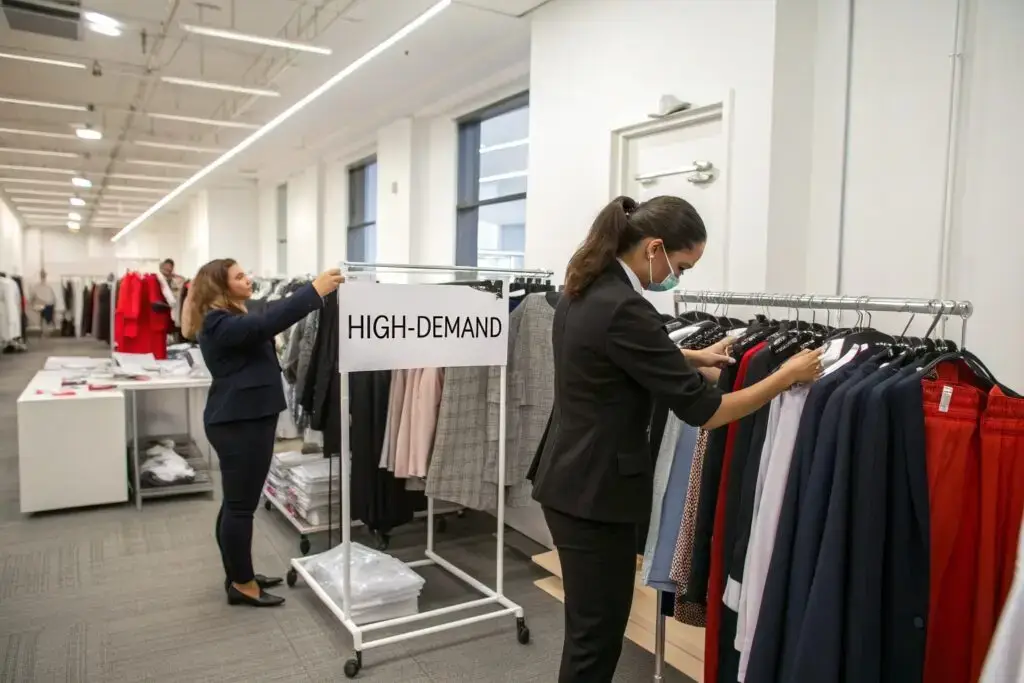
What indicators show a garment needs to be restocked immediately?
- High turnover rate (5+ rentals/month)6
- Consistent waitlist or out-of-stock notifications
- Above-average damage/retirement rate
- High seasonal demand (e.g., outerwear in winter)
We recommend setting usage-based reorder triggers7. For example, when 75% of M-size chef coats are in use or repair, auto-flag the SKU for restock.
Use this priority matrix:
| Priority Level | Trigger Condition | Action Plan |
|---|---|---|
| Urgent | Out of stock, high demand | Pull backup, notify sales |
| Medium | Low stock + high rotation | Prep faster turnaround |
| Low | High stock, low rotation | No restock needed |
How do you prepare restocked items faster without compromising quality?
- Pre-batch items by category and size
- Create “fast-track restock” tags during return intake
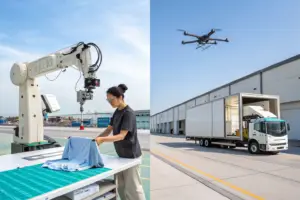
- Use semi-automated folding + packaging stations8
- Train staff in parallel tasks (e.g., inspect while tagging)
In one client’s warehouse, we helped reduce restock lag by 60% by introducing a “Ready in 4” rule: any garment used over 4 times/month must return to stock in under 4 days.
Using Tech to Track Returns and Improve Turnaround Time
Manual tracking fails fast as you scale. Smart systems save time and catch patterns.
Technology helps track returned garments, measure downtime, flag repairs, and identify return bottlenecks through scanning, dashboards, and lifecycle analytics.
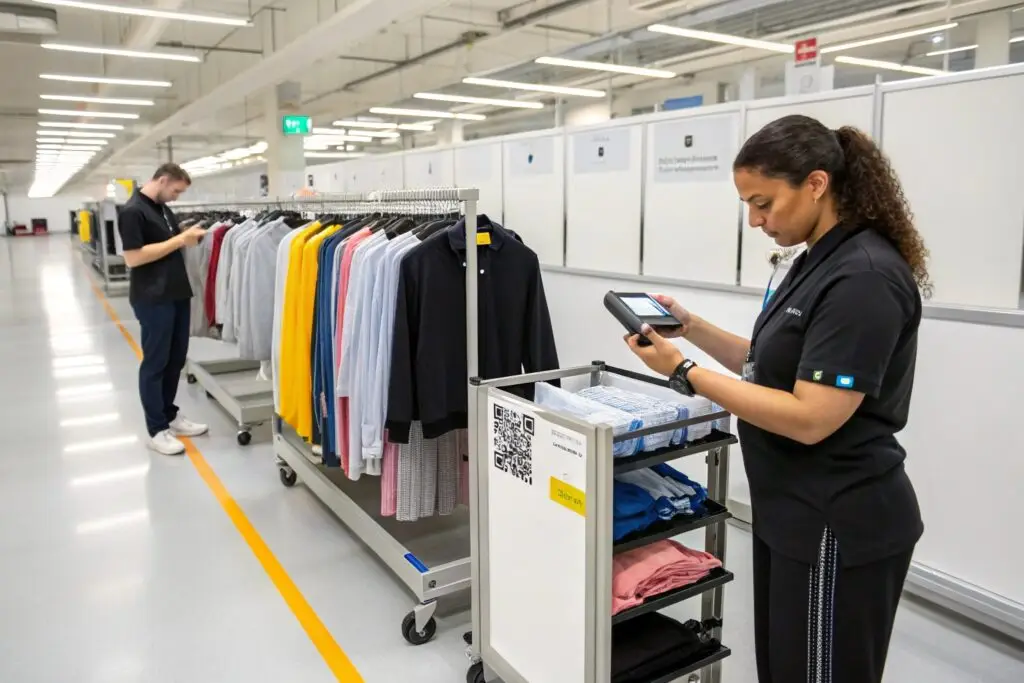
What tools work best for tracking returns in fashion rental?
- Barcode or RFID tags on each garment
- Return intake apps9 with scanning functionality
- Inventory dashboards10 for visualizing stock status
- Lifecycle history logs (who wore it, when, condition)
One of our large clients uses RFID bins that automatically update garment return time when scanned. Their real-time dashboard shows:
- % in use
- % in repair
- % idle
- Avg. return-to-stock time
This helped them cut their “unknown status” stock from 12% to 1.3% in just two months.
How does tech improve efficiency beyond just scanning?
- Tracks garment fatigue → schedule replacement
- Automates reorder alerts → avoid shortages
- Flags repeat damage areas → adjust designs
- Reduces human error in intake → fewer lost garments
At Fumao, we integrate garment life tracking tools11 into care labels via QR—clients can scan, update, and analyze garment condition with every wash cycle.
Conclusion
Returns aren’t a problem—they’re an opportunity to perform better. At Fumao, we help rental brands turn garment returns into fast restocks, clean inventory cycles, and satisfied customers who always find what they need, when they need it.
-
Understanding the ideal return workflow can significantly enhance efficiency in rental operations, ensuring timely processing and improved customer satisfaction. ↩
-
Exploring the benefits of sorting carts can provide insights into optimizing inventory management and increasing restock rates effectively. ↩
-
Learning about cross-team check-ins can help improve communication and coordination, leading to a more efficient return process. ↩
-
Learn about fast-dry fabrics to optimize your laundry operations and reduce prep time effectively. ↩
-
Discover the 3-cycle prep system to streamline your rental process and improve turnaround times. ↩
-
Understanding high turnover rates can help optimize inventory management and restocking strategies. ↩
-
Exploring usage-based reorder triggers can enhance your restocking efficiency and reduce stockouts. ↩
-
Learn how semi-automated systems can streamline your restocking process and maintain quality. ↩
-
Explore this link to discover top-rated return intake apps that enhance efficiency in fashion rental returns. ↩
-
Learn how inventory dashboards can optimize stock management and improve operational efficiency in fashion rental businesses. ↩
-
Find out how garment life tracking tools can revolutionize garment care and management in the fashion rental industry. ↩