Managing returns and leftover stock is one of the biggest headaches for U.S. apparel businesses that import garments from overseas suppliers. Whether you're a DTC brand, Amazon seller, or boutique wholesaler, excess inventory erodes profit, and returns—especially on imported items—can get expensive fast.
Without a clear strategy, unsold apparel turns into sunk costs that damage cash flow, warehouse space, and forecasting.
As a Chinese clothing manufacturer and exporter, I’ve worked with dozens of U.S. brand owners like Ron who struggle with high return rates and overstock. This article covers practical, profitable strategies to manage those issues—before and after the product lands in your warehouse.
What Causes High Return Rates in Imported Clothing?
Return issues often start long before the product is sold. Inconsistent sizing, unmet expectations, slow shipping, or miscommunication during development all contribute to higher apparel return rates.
The top reasons for apparel returns are poor fit, inaccurate product descriptions, and defects—many of which can be solved at the manufacturing stage.
How Can You Prevent Returns Before They Happen?
Work closely with your supplier to:
- Approve full size sets before mass production
- Add accurate fit notes and measurements to product pages
- Use 3D mockups or high-res videos for online listings
- Confirm fabric handfeel and drape in sampling
- Set clear QC standards with defect tolerances
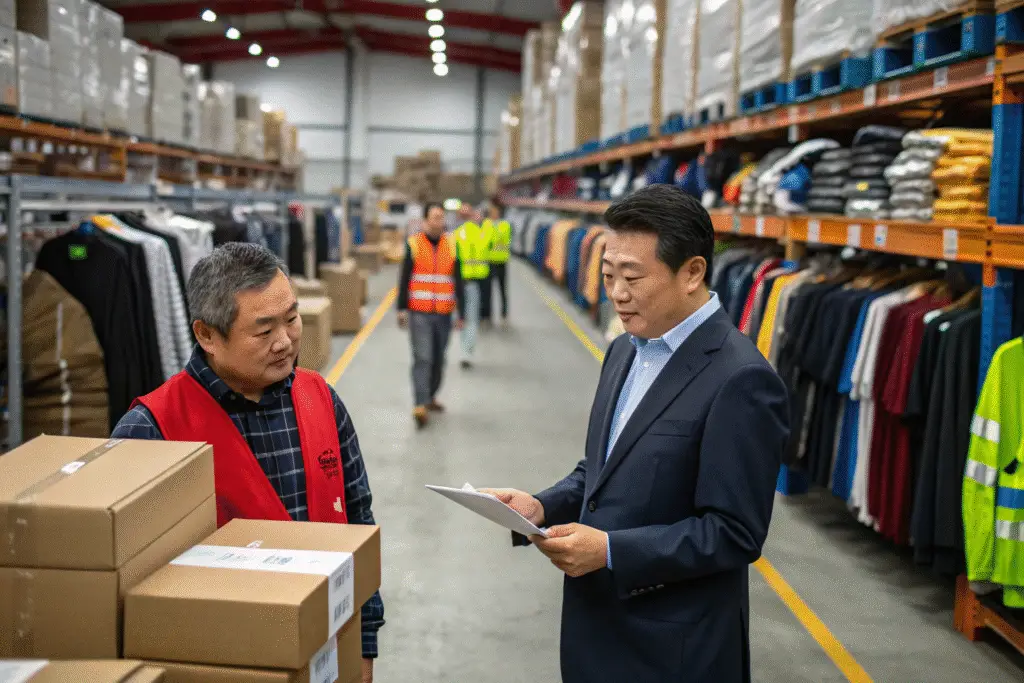
We recommend services like QIMA or Intertek for third-party inspection before the goods ship.
Can Technology Reduce Return Rates?
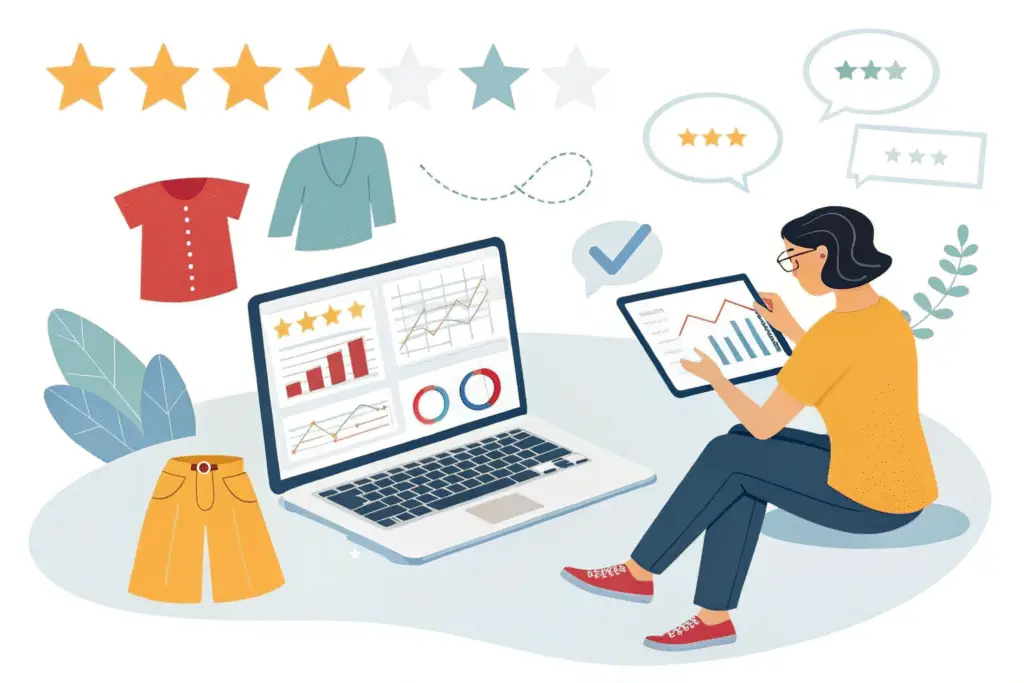
Yes. Many DTC brands now use virtual try-on apps, AI sizing tools, and automated return reason tracking. You can integrate tools like True Fit or Loop Returns to gain insights and reduce manual processing.
For imported goods, syncing warehouse data with return feedback helps optimize future production and sourcing.
How to Handle Excess Apparel Inventory Without Losing Profit?
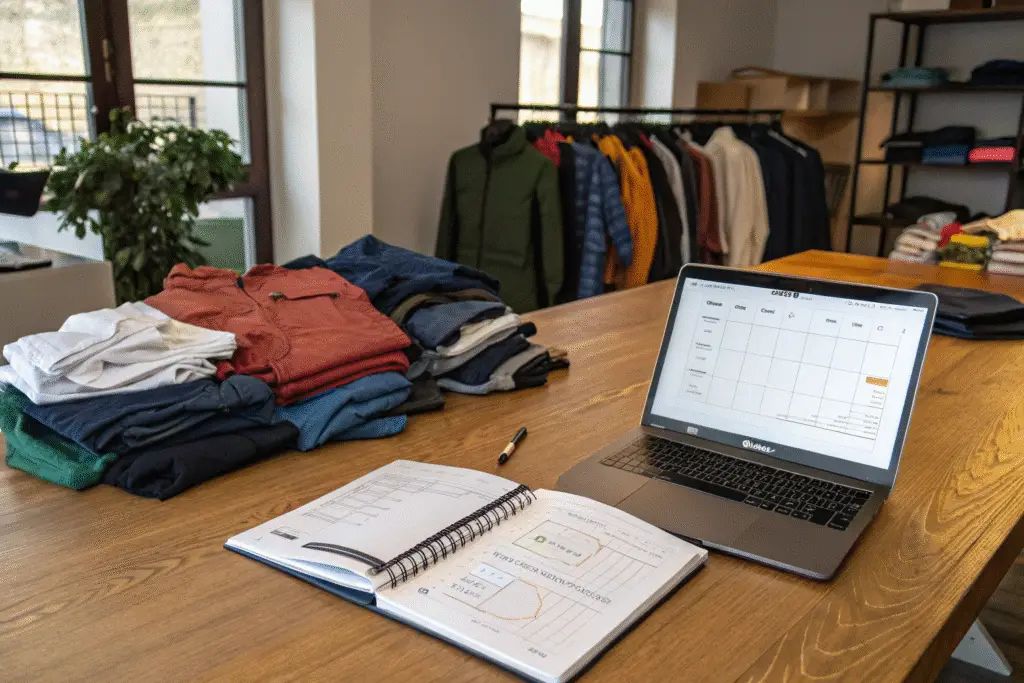
Excess inventory is a silent killer for apparel brands—especially those that import from China or other Asian countries with long lead times. Leftover seasonal stock ties up capital and clutters fulfillment centers.
Liquidating the wrong way hurts brand equity. The best strategy balances clearance, repurposing, and resale channel diversification.
What Are Smart Ways to Liquidate Overstocks?
Here’s what we’ve seen work for our clients:
- Bundle slow sellers with popular products
- Sell to off-price retailers or discount marketplaces like Tundra or Faire
- Launch flash sales via email or SMS
- Offer limited-time BOGO deals to increase units per order
- Create a separate outlet site or private Shopify collection
Never list distressed inventory directly next to new releases—it undermines your pricing power.
Can You Rework or Repurpose Unsold Apparel?
Absolutely. Some clients return unsold blanks to us for relabeling, over-dyeing, or repurposing. For example, white tees can be garment-dyed for a new capsule drop. Damaged returns can be salvaged into kidswear, bags, or scrunchies.
Brands that prioritize sustainability often opt for textile recycling programs like Retold Recycling or donation-to-credit partnerships.
What Return Handling Options Exist for DDP or FOB Shipments?
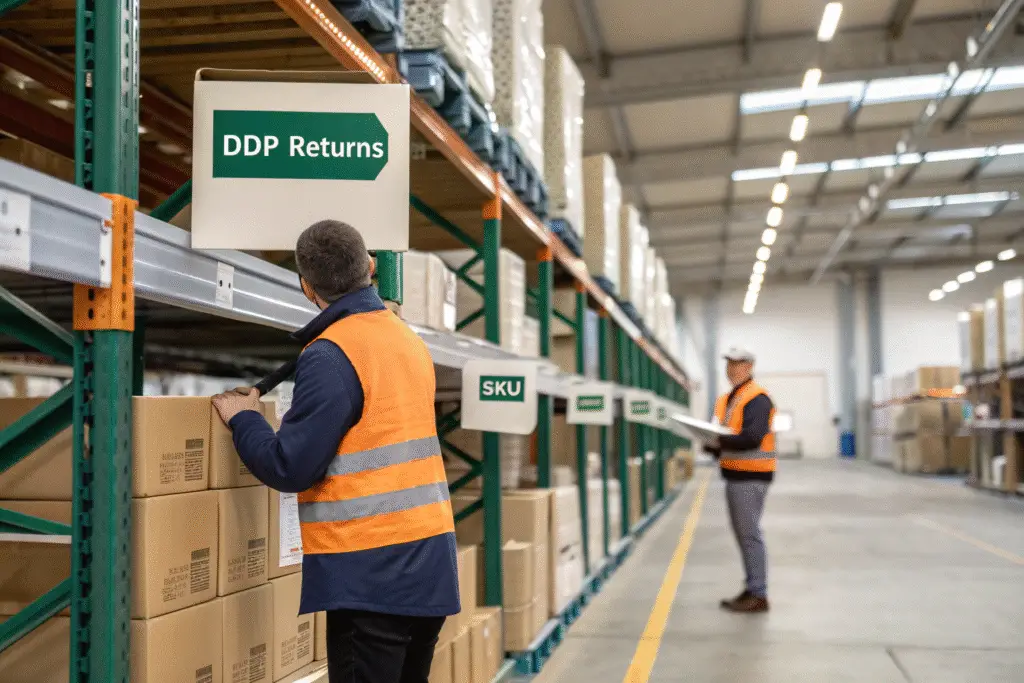
When you're importing via DDP (Delivered Duty Paid), the returns stay in your country. But if you're using FOB (Free on Board) or EXW (Ex Works) terms, getting defective or unsold stock back to China is usually not cost-effective.
Instead of sending goods back to the factory, negotiate return allowances, repair credits, or salvage strategies during contract terms.
Should You Ship Returns Back to the Factory?
In 95% of cases, no. The international return shipping cost (especially post-COVID) is higher than the garment value. Customs duties are not refundable, and goods often get stuck in clearance.
We recommend using local repair or redistribution strategies. Ask your supplier to provide credit memos or future order discounts instead of physically receiving returns.
Learn more about Incoterms and returns at Freightos Academy.
How to Negotiate Return Terms with Your Supplier?
Before you place your order, build in protection clauses such as:
- 2% return rate credit allowance
- Repair service reimbursement
- Defective allowance threshold
- Spare fabric and trims for in-house repairs
Factories like ours are open to offering credits or split-shipment options if returns exceed expectations. A proactive approach builds trust and keeps operations smooth.
How to Use Data to Prevent Repeat Overstock and Returns?
Data is your best ally. Many brands focus on design and marketing but fail to track why certain styles underperform or come back. By auditing the lifecycle of each SKU, you can make smarter buying decisions on your next production run.
Track and segment returns and inventory by reason, season, style, and factory batch—and let that guide your next sourcing order.

Which Metrics Should You Monitor?
Here are 6 key KPIs to track:
| Metric | Why It Matters |
|---|---|
| Return Rate % | Indicates product fit or quality issues |
| Sell-Through Rate | Measures how fast inventory converts to cash |
| Days of Inventory (DOI) | Tracks how long stock is held before selling |
| Style/SKU Return Reason | Helps isolate sizing or design flaws |
| Factory Defect Rate | Gauges quality reliability by supplier |
| Markdown % | Measures margin erosion due to slow selling |
Use tools like Inventory Planner or Skubana to centralize these analytics.
Can You Automate Future Inventory Decisions?
Yes. Many of our buyers now integrate their Shopify or Amazon store with AI-based forecasting tools that auto-adjust PO quantities based on prior sell-through and return trends.
We support order flexibility and monthly production splits for clients using these models. Less waste = more cash flow. Find automation case studies at Shopify Plus.
Conclusion
Returns and excess inventory are part of the apparel business—but they don’t have to drain your profit. With smarter sourcing, predictive planning, and value-driven liquidation strategies, your brand can stay agile, responsive, and profitable.
At Shanghai Fumao, we support U.S. apparel brands with flexible MOQ production, sample validation, return credit solutions, and DDP logistics. If you're looking for a proactive supplier that helps you reduce returns and manage excess stock, contact our Business Director Elaine at elaine@fumaoclothing.com.