As the owner of Shanghai Fumao, I've perfected the balance between rigorous quality control and timely shipments over thousands of production runs. Many American brands face the dilemma of choosing between quality and speed, but the truth is you can achieve both with the right systems in place.
Effective quality control without shipment delays requires integrated inspection systems, proactive risk management, and strategic timeline planning. By implementing in-process quality checks, standardized procedures, and parallel processing, manufacturers can maintain 99% quality acceptance rates while keeping 95% of shipments on schedule.
The key lies in preventing defects rather than just detecting them, and building quality assurance into every production phase rather than treating it as a final hurdle. Let me share the proven methods that keep our clients' shipments moving while protecting their quality standards.
What Integrated Quality Systems Prevent Last-Minute Delays?
Integrated quality systems spread inspection activities throughout production rather than concentrating them at the end. This approach identifies issues early when they're easier and faster to correct.
By building quality checks into each manufacturing phase, problems are addressed incrementally rather than accumulating for a massive final inspection that often reveals timeline-threatening issues.
How Does In-Process Inspection Save Time?
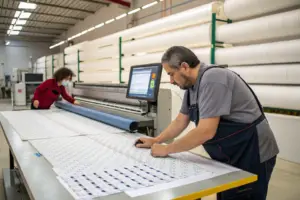
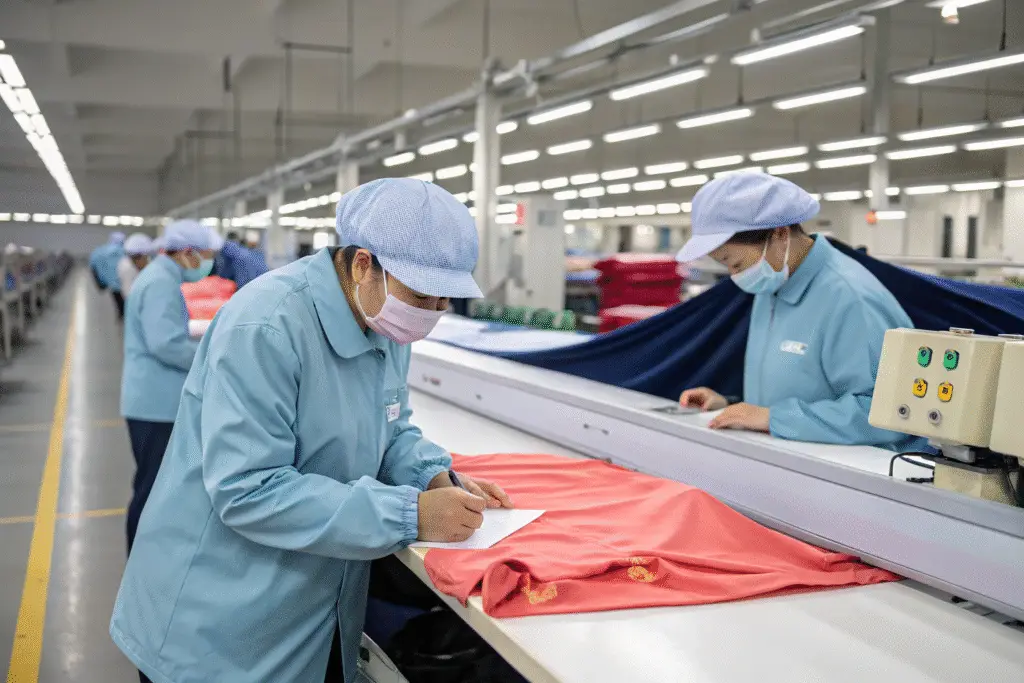
In-process inspection catches defects when they first occur, preventing the multiplication of errors through subsequent production stages. Our quality teams conduct checks after cutting, during sewing, and before finishing, typically identifying and resolving issues within hours rather than days. This apparel quality control approach has reduced final inspection rejections by 70% while actually shortening total production time.
What Role Do Standardized Procedures Play?
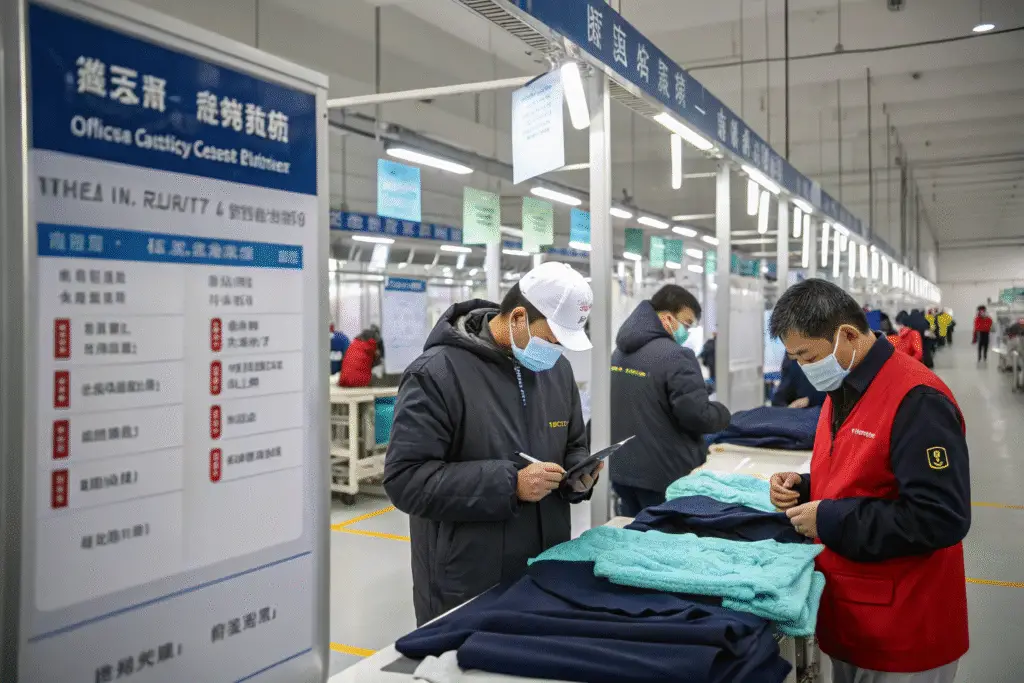
Standardized quality procedures ensure consistent inspection criteria and rapid decision-making. When every inspector follows the same protocols using the same measurement tools and acceptance standards, assessments become faster and more reliable. We've documented 45 specific quality checkpoints across our production process, reducing inspection time by 40% while improving accuracy.
How Can Proactive Risk Management Prevent Quality Delays?
Proactive quality management identifies potential issues before they affect production. This forward-looking approach addresses root causes rather than just symptoms, preventing delays rather than reacting to them.
By analyzing historical data and monitoring production trends, manufacturers can predict and prevent the most common quality issues that typically cause shipment delays.

How Does Supplier Qualification Prevent Delays?
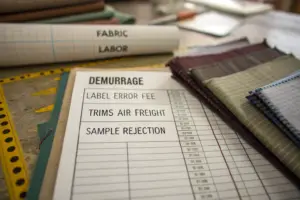
Rigorous supplier qualification ensures materials arrive with consistent quality, reducing incoming inspection time and rejection rates. We maintain a approved vendor list with performance metrics that has reduced fabric-related quality issues by 65%. This clothing manufacturing approach prevents the 2-3 week delays typically caused by material rejections and replacements.
What Training Reduces Quality Issues?
Comprehensive operator training reduces errors at the source, decreasing the need for extensive inspections and rework. Our monthly training sessions focused on common defect patterns have improved first-pass quality rates by 28%, directly reducing inspection and correction time throughout production.
What Timeline Strategies Accommodate Quality Control?
Strategic timeline planning builds quality assurance into the schedule rather than treating it as an add-on activity. Realistic scheduling acknowledges that quality takes time while optimizing the process for efficiency.
By allocating appropriate time for each quality phase and building intelligent buffers, manufacturers can maintain standards without compromising deadlines.
How Does Parallel Processing Save Time?
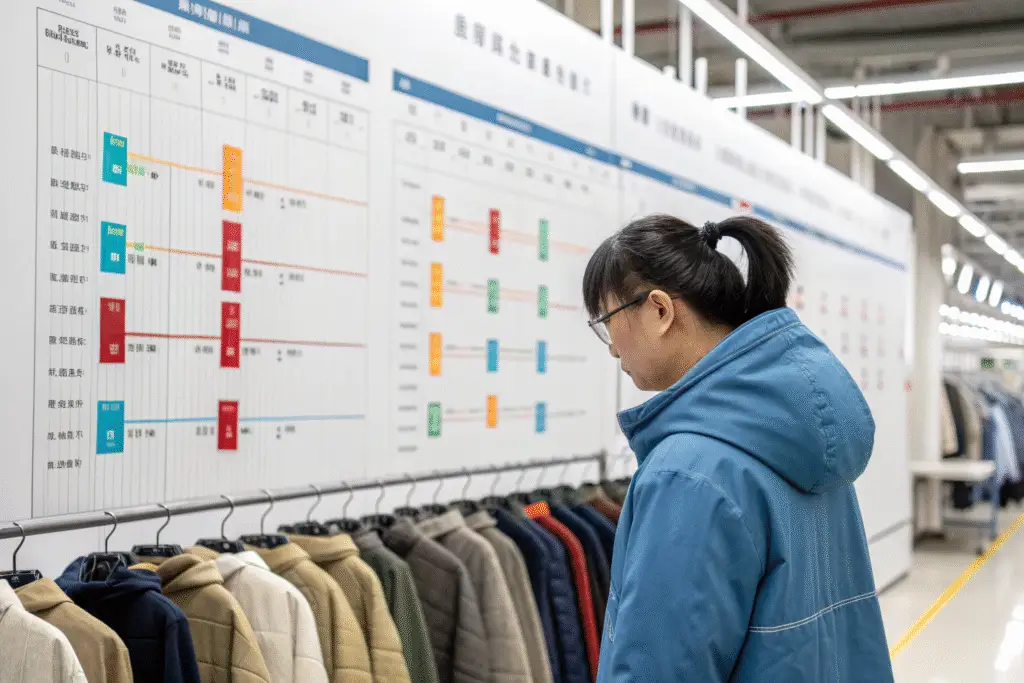
Parallel processing allows quality activities to occur simultaneously with production rather than sequentially. While one batch undergoes final inspection, the next begins production, maintaining continuous workflow. This approach at Shanghai Fumao has reduced total lead times by 15% while actually increasing inspection thoroughness.
What Buffer Strategy Protects Schedules?
Strategic time buffers at critical quality checkpoints absorb unexpected issues without affecting final shipment dates. We place 1-2 day buffers after major inspection phases, which has prevented 92% of quality-related shipping delays over the past two years.
How Can Technology Accelerate Quality Processes?
Modern quality technologies dramatically reduce inspection time while improving accuracy. Digital tools, automated measurement systems, and data analytics transform quality control from a bottleneck to a value-adding efficiency.
Technology enables faster detection, more precise measurements, and better data-driven decisions throughout the quality assurance process.
How Do Digital Tools Speed Inspection?
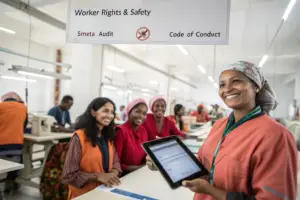
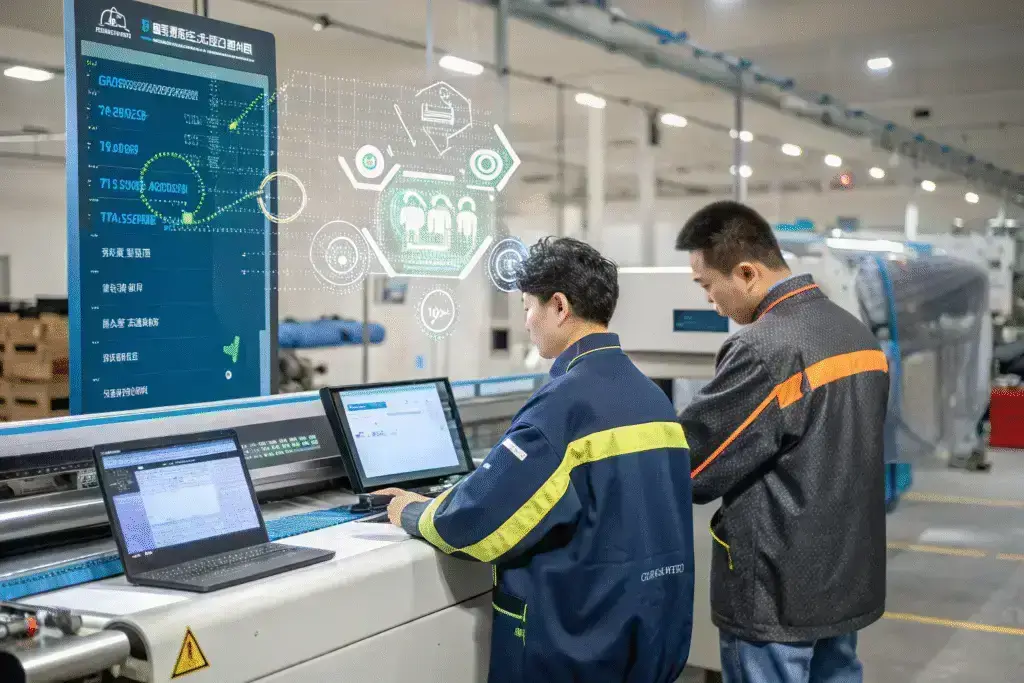
Digital inspection tools including tablet-based checklists and mobile reporting reduce documentation time by 75% while improving data accuracy. Our quality teams complete inspections 40% faster using digital systems that automatically flag deviations and generate instant reports for clients.
What Role Does Automation Play?
Automated measurement systems provide instant, precise dimensional checks that are both faster and more accurate than manual methods. We've implemented automated vision systems for critical measurements that have reduced inspection time by 60% while eliminating human error in sizing verification.
How Does Communication Prevent Quality Delays?
Effective communication ensures quality issues are addressed rapidly with clear accountability. When problems arise, swift communication and decisive action prevent minor issues from becoming major delays.
Structured communication protocols define exactly who needs to know what, when they need to know it, and what actions they should take when quality issues are identified.
How Do Escalation Protocols Prevent Delays?
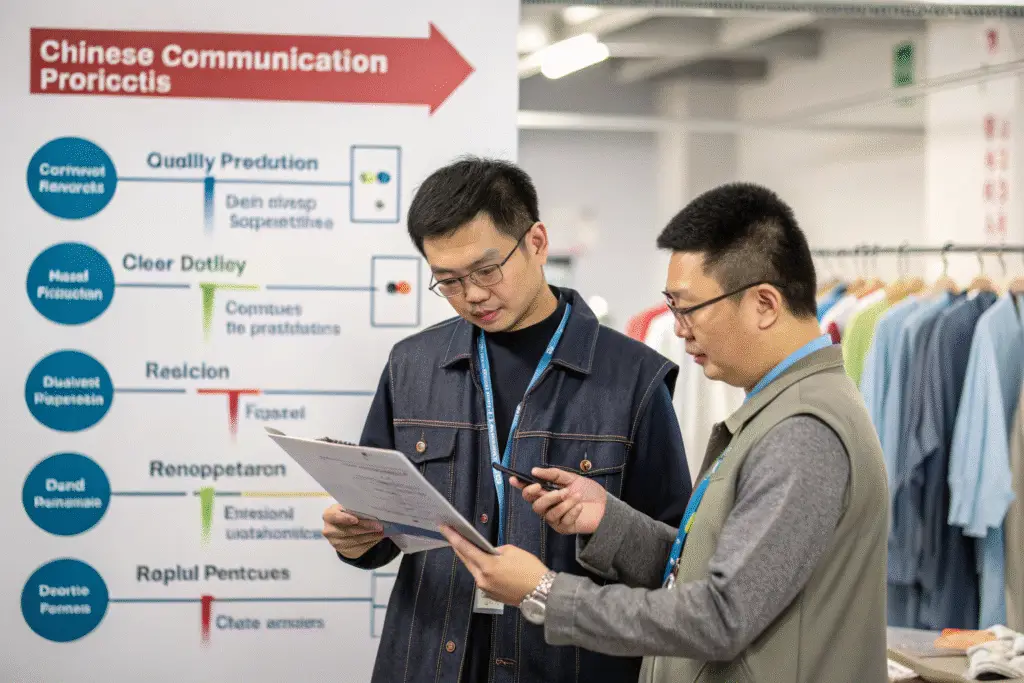
Clear escalation protocols ensure quality issues reach decision-makers quickly, preventing prolonged uncertainty. Our four-level escalation system resolves 95% of quality issues within 4 hours, compared to industry averages of 2-3 days for similar decisions.
What Client Communication Prevents Delays?
Proactive client communication about quality status prevents last-minute surprises and delayed approvals. We provide real-time quality updates through our client portal, reducing approval time by 65% compared to traditional batch reporting methods.
Conclusion
Managing quality control without delaying shipments requires an integrated approach that builds quality into every production phase rather than treating it as a final obstacle. Through proactive systems, strategic timing, technological enhancement, and effective communication, manufacturers can maintain exceptional quality standards while meeting aggressive shipment deadlines.
At Shanghai Fumao Clothing, we've developed quality systems that actually accelerate production while ensuring consistent excellence. Our approach has helped American brands achieve 99.2% quality acceptance rates while maintaining 94% on-time shipping performance. If you're ready to experience quality control that enhances rather than hinders your timeline, contact our Business Director Elaine today at elaine@fumaoclothing.com to discuss how our quality systems can protect your standards and schedule simultaneously.