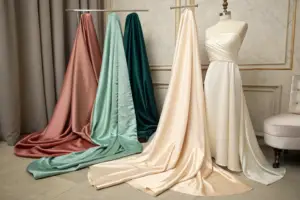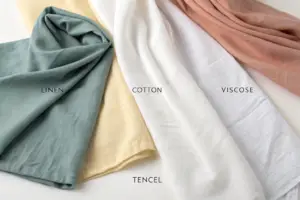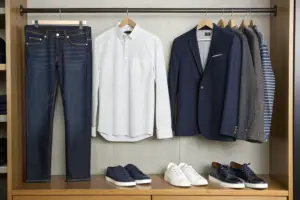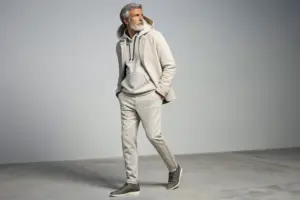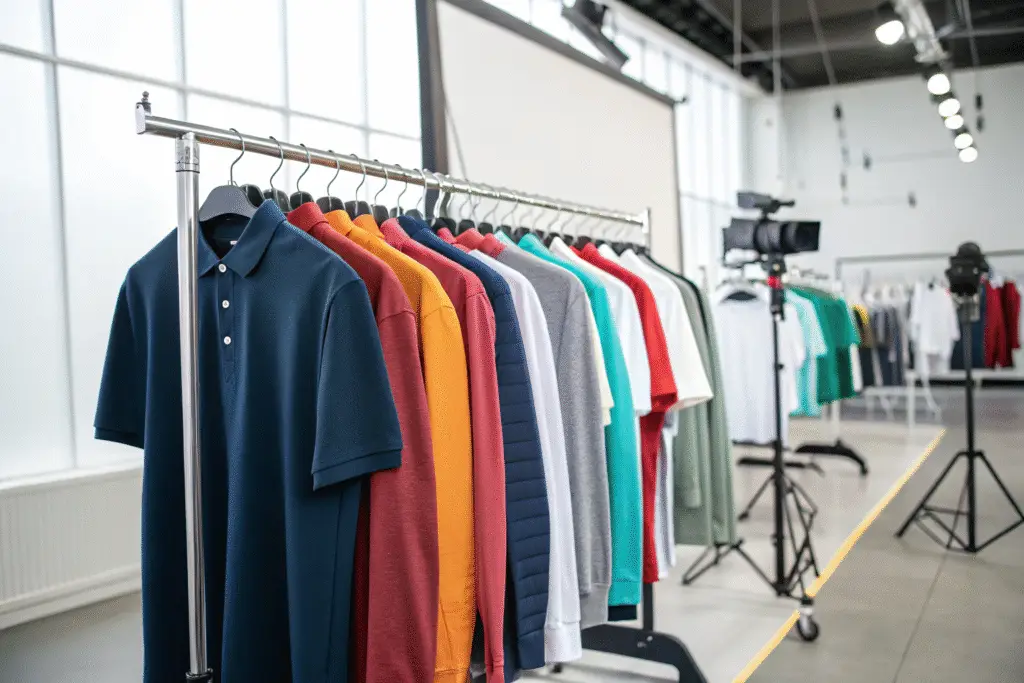
In the competitive apparel industry, especially in bulk clothing exports to markets like the U.S., first impressions are often made through visuals. As a factory owner dealing with large-scale apparel production, I’ve seen firsthand how professional product photography can make or break a buyer’s interest—even before they request a sample.
Product photography for bulk clothing lines is about consistency, speed, and brand alignment. It must showcase fabric quality, fit, and customization without sacrificing workflow efficiency. American buyers want clean visuals that communicate quality, not just quantity.
Let me walk you through how we at Fumao Clothing manage large-scale product photography that satisfies both eCommerce brands and wholesale distributors across the U.S. and Europe.
What Equipment Is Essential for Clothing Photography?
To photograph hundreds of garments efficiently without compromising quality, you need the right tools. Whether you’re shooting in-house or outsourcing, preparation saves hours per session.
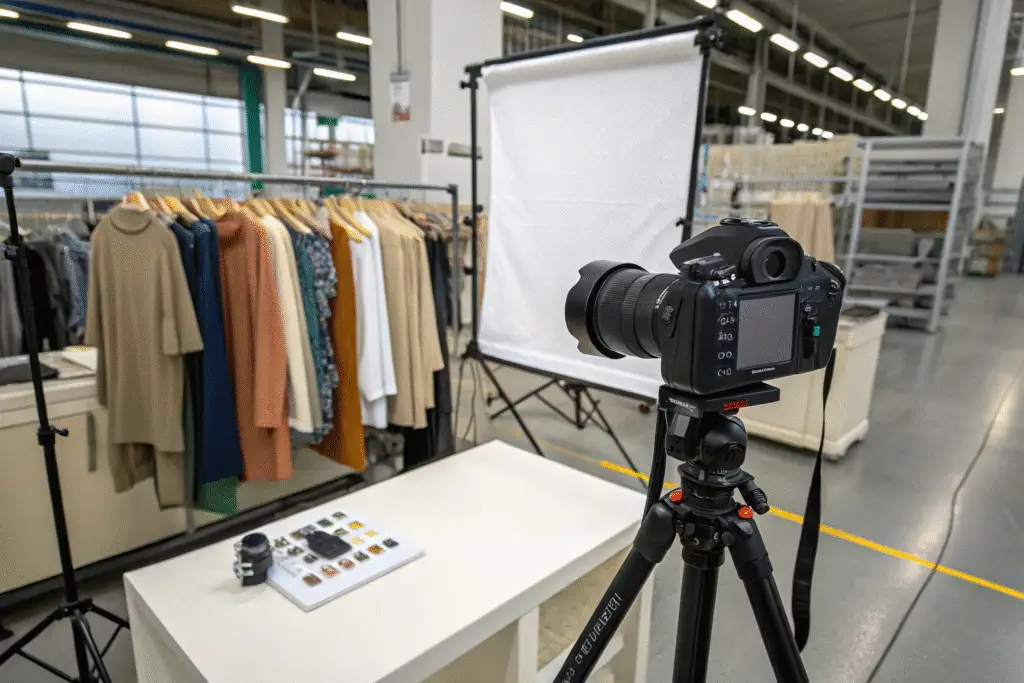
A pro-level camera, adjustable lighting, and a consistent background system are the top tools for high-volume fashion photography.
Which Camera and Lens Work Best for Apparel Shots?
We’ve tested everything—from smartphones to cinema-grade cameras. In our experience, a Canon EOS 5D Mark IV paired with a 50mm f/1.8 lens offers great clarity for clothing. The full-frame sensor captures subtle fabric textures and stitching detail.
We also use Sony Alpha series for flat lays and mannequin setups, thanks to their fast autofocus and color accuracy. These work well for consistent eCommerce-style shots.
How Important Is Lighting in Apparel Photography?
Lighting is everything. Softbox diffused lights reduce harsh shadows, while LED panels with adjustable temperature keep whites true. We mount Godox SL150 II LEDs overhead and at 45° angles for even garment exposure.
We also color-calibrate the room using X-Rite ColorChecker tools. This ensures the red hoodie on screen looks like the red hoodie in real life—a big deal for color-sensitive buyers.
How Can You Streamline Photography for Large Batches?
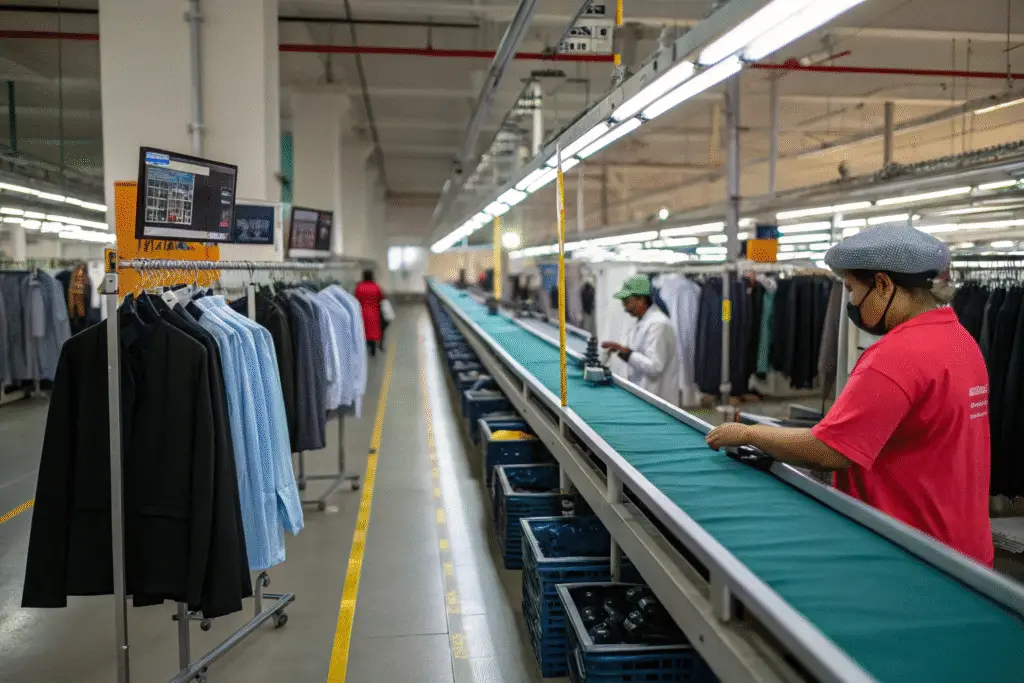
Shooting 300 SKUs in 2 days is possible—but only with a tight system. We break our photography workflow into repeatable, step-by-step actions that mirror our production rhythm.
Batch photography success depends on a consistent garment prep station, fixed lighting setup, and barcode-linked shot lists.
What’s the Best Workflow for Bulk Garment Shooting?
First, we prep each item: steaming, lint removal, and tagging. Then our team lays out a Kanban-style board to manage which pieces are in queue, in shoot, or completed. It cuts confusion by 70%.
We name every image using the SKU number directly pulled from our ERP, synced to our photo folders. This makes it easy for U.S. buyers to link visuals with line sheets, which is a standard in wholesale presentation.
Should You Hire In-House or Use Photography Services?
We tried both. In-house photography is faster and cheaper long-term, especially if you shoot collections monthly. But for seasonal lookbooks or U.S. marketing campaigns, we send product samples to Third-party apparel studios who offer lifestyle photography.
Many buyers prefer U.S.-based lifestyle shots for their websites, while factory shots work well for B2B catalogs. A hybrid approach is best.
What Photo Styles Work for B2B vs DTC Clients?
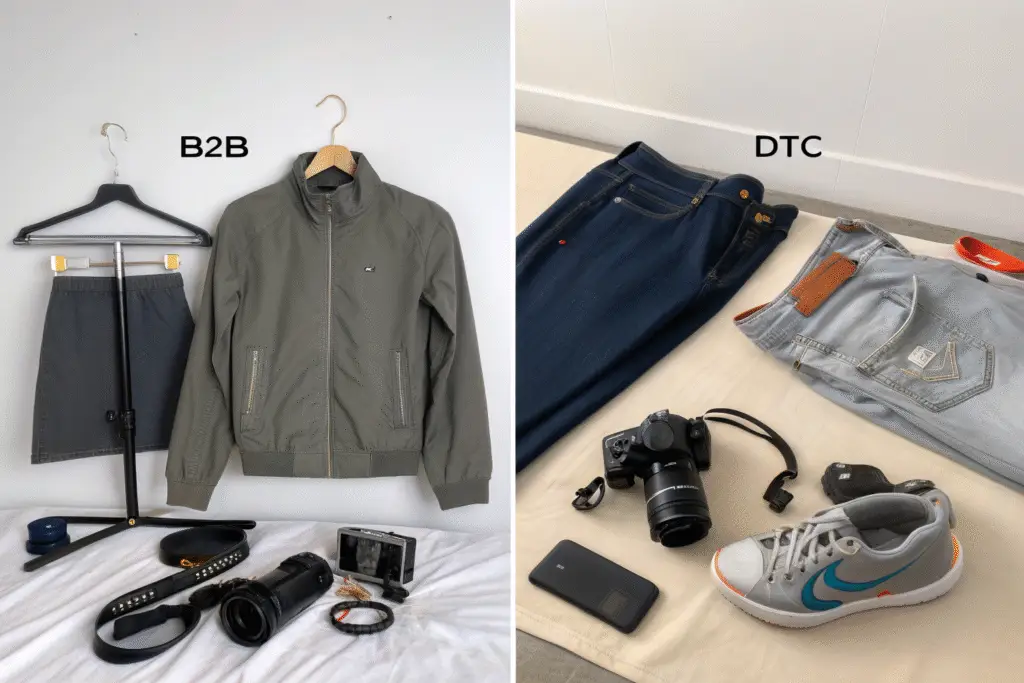
Different clients need different visuals. A wholesale buyer browsing SKUs needs fast product comparison. A DTC brand, on the other hand, wants emotional appeal for online conversion.
B2B buyers prefer flat lays, ghost mannequins, and hang tags; DTC brands need lifestyle shots, model photography, and detailed close-ups.
What’s Best for Wholesale or Marketplace Use?
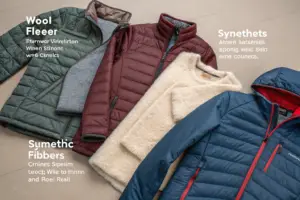
Wholesale buyers like clarity over creativity. We use flat lay photography for T-shirts, ghost mannequins for dresses, and hanger shots for outerwear.
Every image includes a ruler reference or measurement note. This saves email back-and-forth and builds trust with buyers who want precise specs before committing to bulk orders.
How Do You Capture Brand Appeal for DTC Buyers?
For private label and Shopify clients, emotion sells. We work with freelance models via platforms like Model Mayhem and Backdrop rentals to stage studio-quality lifestyle shoots.
These photos appear on Instagram, Amazon A+ pages, and packaging. We offer optional studio shoots in Shanghai or send samples overseas for seasonal campaigns.
How to Store and Deliver Photos Efficiently?
Product photography is pointless if your client can’t access it fast. We treat digital photo delivery like we do physical shipping—organized, branded, and on time.
We use structured cloud folders, automated links, and labeled image naming conventions to streamline delivery.

Each photo is named using SKU, color, and size code: e.g., FMW-KN2201-GR-S.jpg. This matches the invoice line and order confirmation. We also separate folders by product type (knitwear, woven, outerwear).
Clients access folders via Dropbox Business or Google Drive Shared Links. Some distributors prefer ZIP bundles, so we include both online preview and offline download.
How Do You Protect Image Use Rights and Brand IP?
All clients sign a photo usage agreement. We watermark drafts, provide editable PSDs on request, and log access history using cloud activity monitors.
If we shoot for a brand’s private label, we store that photo set separately with limited access. That way, their content stays exclusive even when they reorder the same SKU next season.
Conclusion
In high-volume apparel manufacturing, clean and consistent product photography isn't a bonus—it’s a requirement. Whether your client is a U.S. distributor or a DTC fashion startup, they need visuals that drive sales, reduce returns, and enhance trust.
At Fumao Clothing, we’ve built an in-house photo system that’s optimized for scale and clarity. We tailor our shoots for different buyer types and integrate photo access into our post-production flow. If you're ready to elevate your bulk clothing line's presentation, reach out to our Business Director Elaine at elaine@fumaoclothing.com.
Let's make every image work as hard as your product.