Managing logistics for European apparel imports can feel overwhelming. Many brands struggle with customs, shipping delays, and unexpected costs. I've seen companies lose their competitive edge because of poor logistics planning. The European market offers huge opportunities, but only for those who master the supply chain.
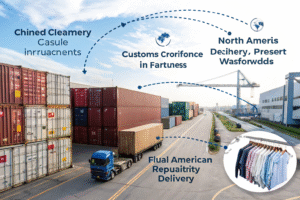
Effective logistics management for European apparel imports requires understanding EU regulations, choosing the right shipping partners, implementing robust customs clearance procedures, and having contingency plans for supply chain disruptions. It's about creating a seamless flow from your factory to European customers.
The key is to treat logistics as a strategic advantage, not just a necessary cost. When done right, it can differentiate your brand in a crowded market. Let me share what we've learned from years of shipping to Europe.
What Are The Key EU Regulations For Apparel Import?
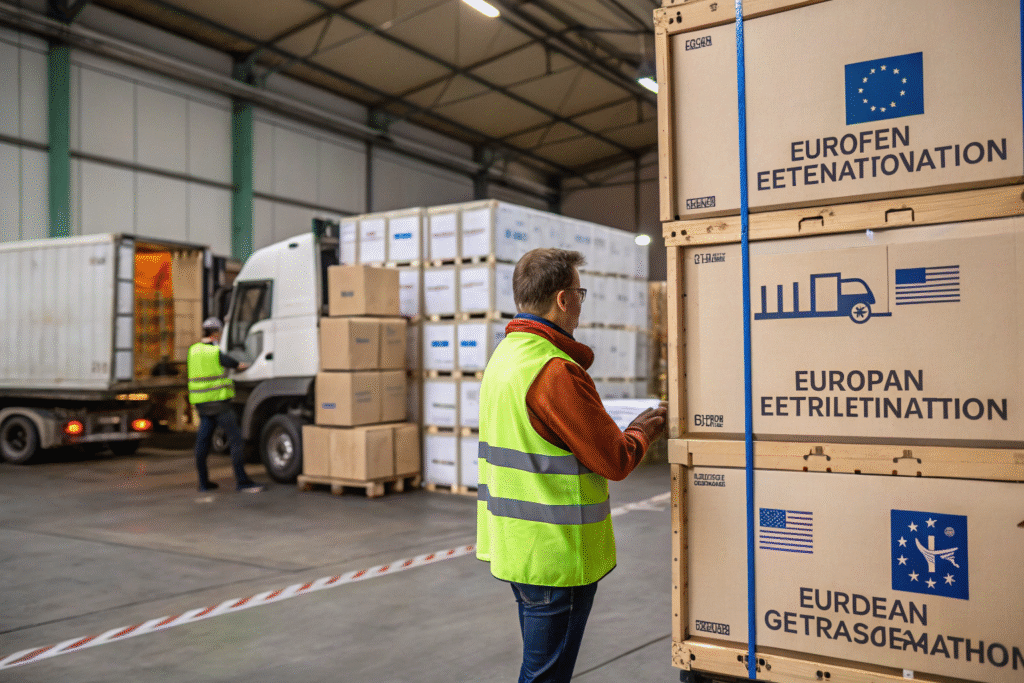
EU regulations are strict but manageable when you understand them. Many importers get caught by surprise with labeling requirements and certification standards. We once had a client whose shipment was held at Hamburg port for two weeks because of incorrect fiber labeling.
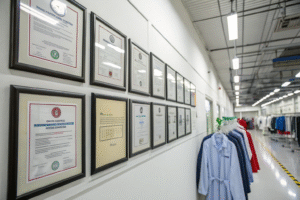
The main regulations cover product safety, labeling, and customs compliance. REACH regulates chemical substances in textiles. The Textile Labeling Directive requires clear fiber composition information. CE marking is needed for certain protective clothing. Understanding these from the beginning saves time and money.
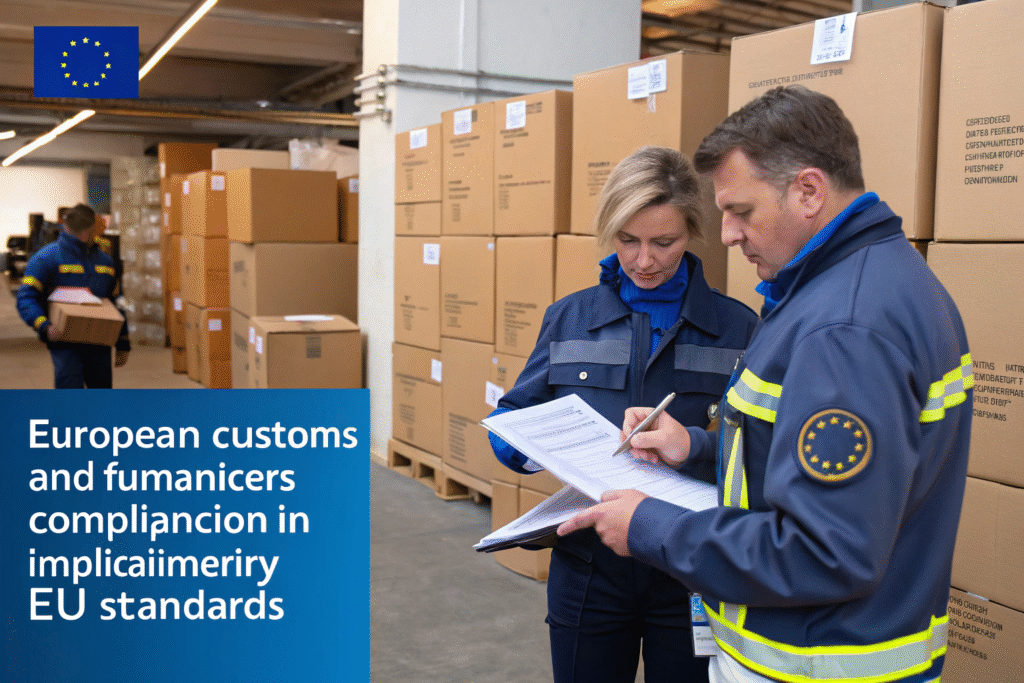
Why is CE marking crucial for certain apparel?
CE marking indicates conformity with health and safety standards for products sold in the European Economic Area. For apparel, this mainly applies to personal protective equipment (PPE) like high-visibility clothing or protective gloves. Regular fashion items typically don't require CE marking. However, we helped a workwear brand navigate this process last year. Their protective jackets needed CE certification to meet EU safety standards. The process took extra time but prevented costly rejections at European borders.
How does REACH affect textile imports?
REACH (Registration, Evaluation, Authorisation and Restriction of Chemicals) regulates chemical substances in textiles. It restricts substances like AZO dyes, nickel, and formaldehyde. We implement strict quality control measures at our factory to ensure compliance. Last quarter, we tested 15 fabric batches for a German client to verify REACH compliance before shipping. This proactive approach prevented potential recalls and protected their brand reputation.
How To Choose The Right Shipping Method?
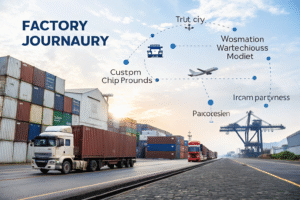
Choosing between air freight and sea freight depends on your priorities: speed versus cost. For time-sensitive fashion collections, air freight makes sense despite higher costs. For basic replenishment orders, sea freight offers better economics.
We recommend considering these factors: order quantity, delivery timeline, product value, and seasonality. Fast fashion brands typically use air freight for new collections. Basic apparel lines often ship by sea. Some clients use a mixed approach - air for samples and urgent orders, sea for bulk shipments.
| Shipping Method | Typical Transit Time | Cost per KG | Best For |
|---|---|---|---|
| Air Freight | 5-10 days | $4-$8 | Small batches, urgent orders |
| Sea Freight | 30-45 days | $1-$3 | Large volumes, cost-sensitive orders |
| Express Courier | 3-7 days | $8-$15 | Samples, very urgent small shipments |
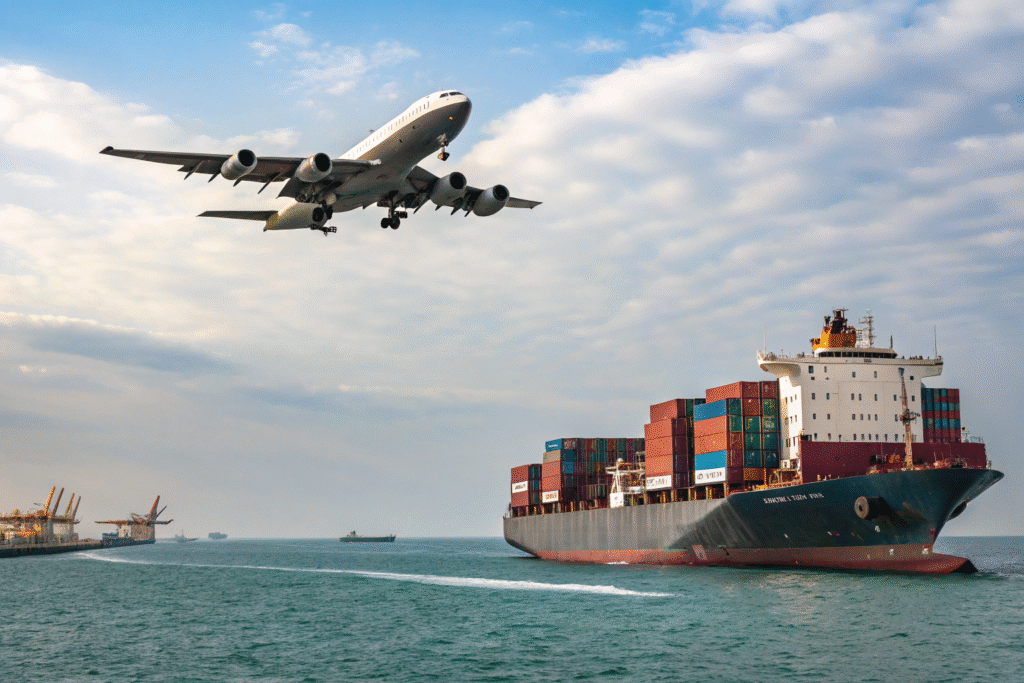
When should you consider sea freight versus air?
Sea freight works best for orders over 500kg with flexible deadlines. The cost savings are substantial - typically 60-80% cheaper than air freight. However, you need to plan for longer transit times and buffer stock. We work with a French retailer who ships 80% of their volume by sea, maintaining just enough inventory for the transit period. This balance keeps their costs competitive while ensuring shelf availability.
What are the hidden costs in each method?
Both methods have hidden costs beyond the basic freight charges. Air freight includes terminal handling, security, and fuel surcharges. Sea freight incurs port fees, container demurrage, and customs bond costs. Most importantly, insurance costs vary significantly between methods. We always recommend comprehensive insurance, especially for high-value fashion items. One client learned this the hard way when a water-damaged sea shipment resulted in $50,000 in losses with only basic coverage.
How To Handle Customs Clearance Efficiently?
Customs clearance is where many importers face delays and unexpected charges. The key is preparation and working with experienced partners. Having complete and accurate documentation is non-negotiable.
Essential documents include commercial invoice, packing list, bill of lading, certificate of origin, and import declarations. Using an experienced customs broker makes the process smoother. We've developed relationships with brokers in major European ports who understand apparel-specific requirements.
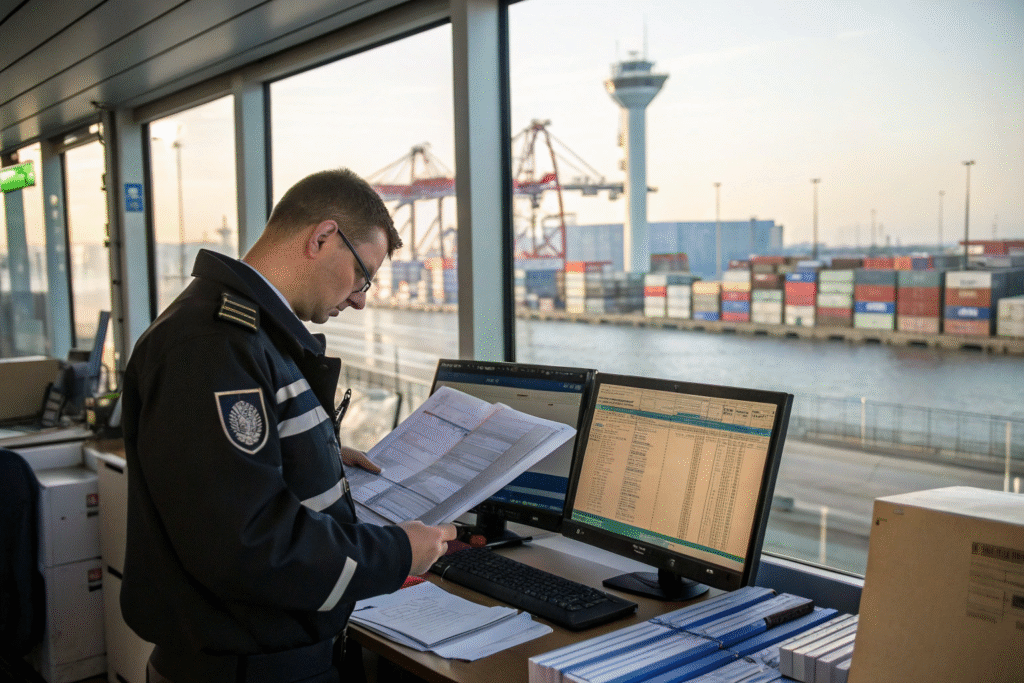
What documents are essential for smooth clearance?
The mandatory documents include commercial invoice with detailed product descriptions, packing list with carton contents, bill of lading/air waybill, and certificate of origin. For apparel, you also need the textile import license for certain categories. We create a digital document package for each shipment that our clients can share with their customs brokers. This system reduced clearance delays by 40% for our Spanish client last year.
How to calculate and pay import duties correctly?
Import duties are calculated based on the product classification under the Combined Nomenclature (CN) code and the declared value. Apparel typically faces duties of 8-12%. You also need to pay VAT, which varies by EU country (usually 19-27%). Using the correct harmonized system codes is crucial. We assist clients by providing pre-classification advice based on garment type and material composition. This prevents under or over-payment of duties.
How To Optimize Your Supply Chain For Europe?
Supply chain optimization goes beyond just shipping. It involves inventory management, distribution strategy, and risk mitigation. The goal is to balance cost efficiency with service level.
We recommend establishing regional distribution centers within Europe to reduce final delivery times. Many successful importers use hubs in the Netherlands, Germany, or Poland. These locations offer good infrastructure and central access to European markets.
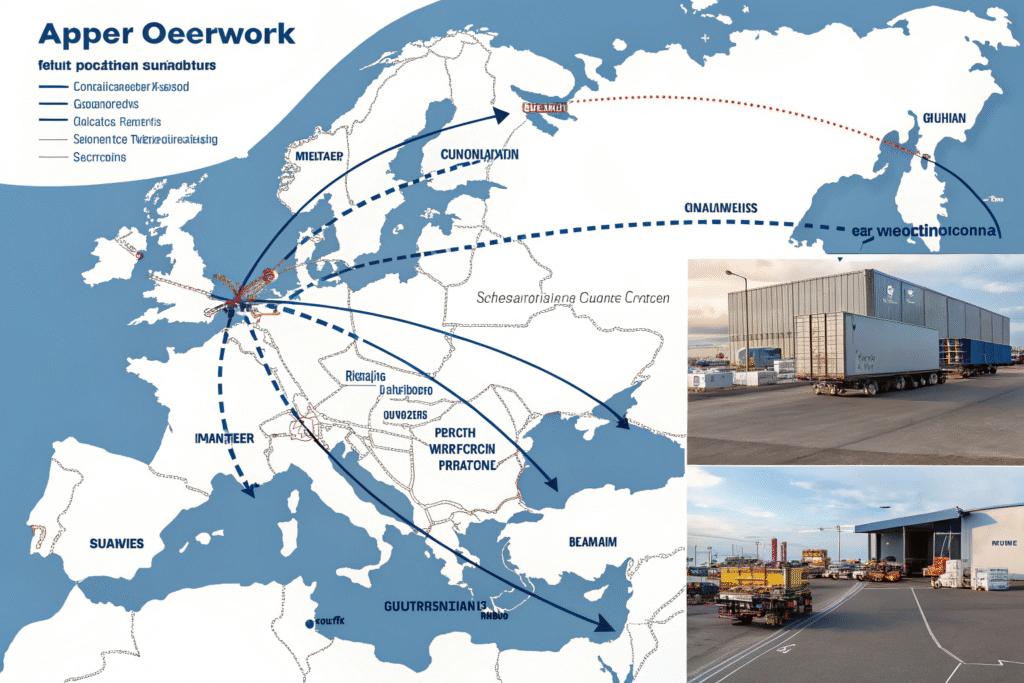
Where to establish European distribution centers?
The Netherlands and Germany are popular choices for distribution centers due to their excellent infrastructure and central location. Rotterdam and Hamburg ports handle massive container volumes with efficient customs processing. For Eastern European markets, Poland offers cost advantages. We helped a UK brand set up a distribution center in the Netherlands last year. This reduced their delivery times to German customers from 10 days to 2 days, significantly improving customer satisfaction.
How to manage inventory across multiple markets?
Effective inventory management requires understanding sales patterns in each market. We recommend implementing a demand forecasting system that accounts for seasonal variations and regional preferences. One of our clients uses a centralized system that tracks sales across their European stores. This allows them to adjust production and shipping schedules dynamically. Their stock-out rate decreased from 15% to 4% after implementing this approach.
Conclusion
Managing European apparel logistics requires careful planning and expert partners. From regulatory compliance to customs clearance and final distribution, each step needs attention. The companies that succeed are those who treat logistics as a competitive advantage rather than a necessary evil.
The European market rewards those who master these complexities with access to 450 million consumers. With the right approach, you can build a reliable, cost-effective supply chain that supports your brand's growth across Europe.
If you're looking for a manufacturing partner with proven European logistics expertise, we can help. At Fumao Clothing, we've developed streamlined processes for European imports that save time and reduce costs. Contact our Business Director, Elaine, at elaine@fumaoclothing.com to discuss how we can support your European expansion.