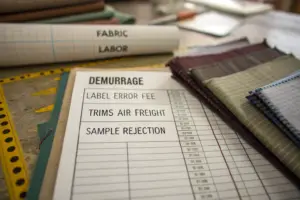
You've received a DDP (Delivered Duty Paid) production estimate that fits your budget. The price includes everything from fabric to final delivery at your warehouse. But what happens between factory completion and your products arriving at your door? Many brands make the mistake of thinking DDP means they can forget about logistics entirely. The reality is that proactive management ensures your shipment arrives on time, intact, and without unexpected costs.
Effective logistics management after a DDP estimate requires maintaining clear communication with your supplier, understanding the documentation process, preparing your facility for receipt, and verifying all cost inclusions. While DDP simplifies the shipping process for buyers, your active oversight ensures compliance, prevents delays, and maintains the quality of your goods throughout transit. Proper management transforms the DDP advantage from a theoretical benefit into a practical, stress-free experience. Here's how to stay engaged without micromanaging the process.
What documentation should you prepare in advance?
Even with DDP terms, you remain responsible for providing specific import documentation and information to your supplier. Having these documents ready before production completes prevents customs clearance delays that can cost thousands in demurrage fees and missed selling seasons.
Your supplier should provide a clear list of required documents early in the process. Typically, this includes your business registration details, tax identification numbers, and any special certifications for your product category. Last year, a children's wear brand learned this lesson the hard way when their shipment was held at customs for two weeks because they hadn't provided their CPSC compliance documentation in advance. The delay cost them $8,500 in storage fees and missed their key marketing campaign launch. Now, we provide clients with a documentation checklist at the estimate stage so everything is prepared before shipping.

Why are accurate commercial invoices critical?
The commercial invoice is the foundation of customs clearance. Under DDP terms, your supplier prepares this document, but you must verify the accuracy of product descriptions, harmonized tariff codes, and declared values. We create draft invoices during production and share them for client review. One client discovered we'd used an outdated HS code for their technical outerwear that would have resulted in higher duties. Our collaboration corrected this before shipping, saving them from potential compliance issues and ensuring smooth customs processing.
What import security filings are required?
For U.S. shipments, your supplier must file Importer Security Filings (ISF) 24 hours before loading at the origin port. While this is their responsibility under DDP, you should confirm filing and provide accurate manufacturer and seller information. We recently worked with a first-time importer who didn't realize they needed to verify their ISF filing status. When we proactively shared the filing confirmation and explained its importance, they appreciated understanding this crucial step in the process and felt more confident about their shipment's compliance.
How can you track shipment progress effectively?
DDP doesn't mean operating in the dark. Professional suppliers provide transparent tracking throughout the logistics journey. Establishing clear communication protocols and understanding tracking technologies ensures you're informed without needing to manage the process directly.
We provide clients with a personalized tracking portal that shows real-time container status from factory departure to port arrival. For ocean shipments, this includes vessel name, departure date, estimated arrival, and customs clearance status. A sportswear client used our portal to perfectly time their warehouse staffing and marketing announcements. When their shipment encountered unexpected weather delays, they knew immediately and adjusted their launch schedule proactively, avoiding customer service issues and maintaining brand credibility.

What tracking technology should you expect?
Modern logistics partners use GPS container tracking, automated status updates, and digital documentation platforms. Ask your supplier about their tracking capabilities during the estimate phase. We integrate with major shipping lines' systems to provide clients with the same tracking data we see internally. When a client's high-value silk shipment was rerouted due to port congestion, our system automatically notified them and provided a revised arrival estimate within hours, demonstrating the value of advanced shipment tracking in maintaining supply chain visibility.
How often should you receive status updates?
Establish an update schedule that matches your comfort level without overwhelming your supplier. For most shipments, weekly updates during ocean transit with daily updates during customs clearance and final delivery work well. We recently developed a customized update system for a client importing seasonal goods, sending automated notifications at 12 key milestones from factory gate to their warehouse door. This balanced approach kept them informed while respecting their time and our operational workflow.
How do you verify final costs match your DDP estimate?
The primary advantage of DDP is cost predictability, but unexpected charges can still appear if you're not vigilant. Understanding what's included in your DDP estimate and conducting a final cost reconciliation ensures you pay exactly what was quoted.
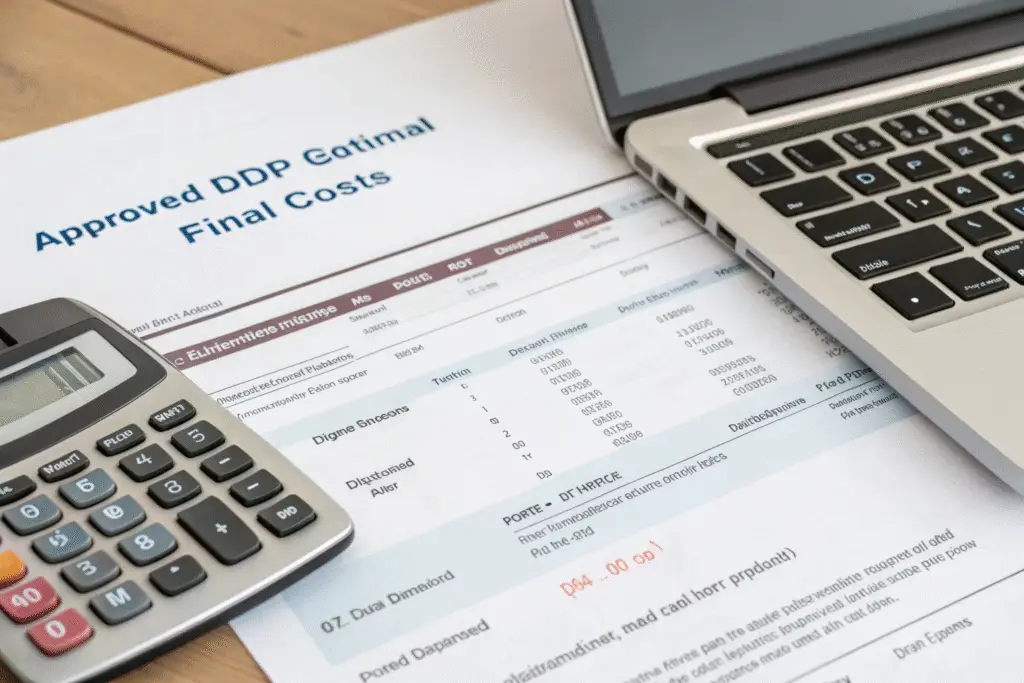
A proper DDP estimate should include all costs: manufacturing, export fees, ocean/air freight, insurance, import duties, taxes, and final delivery to your warehouse. We provide clients with a comprehensive cost breakdown that specifies each element. Last quarter, a client questioned why their final invoice was $1,200 higher than the estimate. Upon review, we discovered the port congestion surcharge hadn't been included in the original quote. Since we believe in transparent DDP pricing, we absorbed this cost ourselves, honoring our original estimate and strengthening our partnership.

While DDP should cover all major costs, watch for potential extra charges like storage fees if your shipment is held at customs, special handling fees for oversized items, or additional insurance for high-value goods. We include a "Potential Additional Costs" section in our estimates that clearly outlines these rare but possible scenarios. This transparency helped a client understand why we recommended additional marine insurance for their $150,000 shipment of cashmere coats, giving them peace of mind rather than an unexpected bill.
How should you handle currency fluctuation?
DDP estimates are typically quoted in U.S. dollars, but your supplier pays many costs in local currencies. Professional suppliers absorb normal currency fluctuations, but significant changes can impact costs. We use forward currency contracts to lock in exchange rates for major cost components, providing clients with price stability. When the dollar weakened unexpectedly against the Chinese yuan, our hedging strategy protected both us and our clients from cost increases, demonstrating the value of working with financially sophisticated manufacturing partners.
What should you do when the shipment arrives?
Your responsibilities don't end when the shipment leaves the factory. Preparing for receipt, conducting proper inspection, and handling any issues professionally completes the DDP process successfully and sets the stage for future smooth collaborations.
Coordinate with your warehouse team to ensure they're prepared for the delivery date. Provide them with advance shipment notices and special handling instructions. We help clients develop receiving protocols that maintain product quality. A luxury brand client implemented our suggested inspection workflow, where they check 20% of units before accepting the entire shipment. This approach recently helped them identify water damage on two cartons from a storm during transit. Since we had arranged the insurance, the claim process was straightforward, and replacement production began immediately.
How should you conduct arrival inspections?
Develop a systematic inspection process that checks for transit damage, quantity accuracy, and quality preservation. Document any issues with photos and notes immediately. We provide clients with a digital inspection checklist they can complete on tablets or phones. When a client discovered crushed boxes due to improper stacking during transit, their thorough documentation helped us file a successful freight claim with the carrier and recover their damages quickly.
What if you discover quality issues upon arrival?
Even with rigorous factory quality control, transit can sometimes affect garments. Establish a clear process with your supplier for addressing any issues discovered upon arrival. We offer a 7-day window for clients to report problems, with rapid response for legitimate concerns. When a client found slight color transfer on white dresses from packaging materials, we immediately authorized local cleaning at our expense and modified our packaging protocols for future orders, turning a problem into a process improvement.
Conclusion
Managing logistics after a DDP estimate requires active partnership rather than passive waiting. By preparing documentation, tracking shipments, verifying costs, and conducting thorough arrival inspections, you transform the DDP advantage into real-world reliability. This proactive approach protects your investment, maintains your timeline, and ensures your products reach your customers in perfect condition.
The true value of DDP emerges when both supplier and buyer understand their roles in the logistics journey. For a manufacturing partner who provides transparent DDP estimates and seamless logistics execution, contact our Business Director Elaine at elaine@fumaoclothing.com. Let's ensure your next shipment arrives exactly as planned, from our production line to your warehouse door.