Currency volatility can be a hidden threat for international apparel buyers. When exchange rates fluctuate, profit margins shrink or vanish altogether. As a factory owner working with U.S. and European clients, I’ve seen how unexpected shifts in foreign exchange can hurt long-term contracts if not managed smartly.
To manage currency risk in long-term garment manufacturing contracts, buyers and suppliers must jointly use smart hedging strategies, flexible payment terms, and real-time exchange rate monitoring tools. These techniques preserve margins and reduce uncertainty.
In this article, I’ll share how our clients and we at Fumao Clothing handle currency risk in multi-year deals. I’ll walk you through proven strategies that you can adopt whether you're sourcing from China, India, or Vietnam.
What Is Currency Risk in Apparel Manufacturing?
Currency risk refers to the possibility of losing money due to unfavorable changes in exchange rates between the buyer's and the supplier's currencies.

Why Are Apparel Buyers More Vulnerable to Currency Swings?
Global garment deals often involve long lead times, from order placement to final delivery. A payment agreed in U.S. dollars today may cost more or less in yuan, rupees, or dong at the time of settlement.
For example, if a U.S. buyer signs a contract at 7.0 CNY/USD, but the yuan strengthens to 6.6, the Chinese supplier gets 5.7% less in local currency. This threatens production stability or invites requests for price adjustments.
According to OECD trade data, apparel is among the top five categories most affected by FX risk in B2B sourcing.
How Do Exchange Rates Affect Long-Term Contracts?
Contracts over six months often span multiple accounting periods, price lists, and sourcing cycles. Without clear currency terms, suppliers may push back on quotes, or buyers might hesitate to reorder.
World Bank FX trend reports show that emerging market currencies can swing 10-15% within a fiscal year, amplifying contract risk when values are fixed upfront.
What Are the Best Hedging Tools for Apparel Importers?
Hedging refers to using financial instruments or contracts to lock in exchange rates. These help stabilize the cost of goods and prevent future surprises.
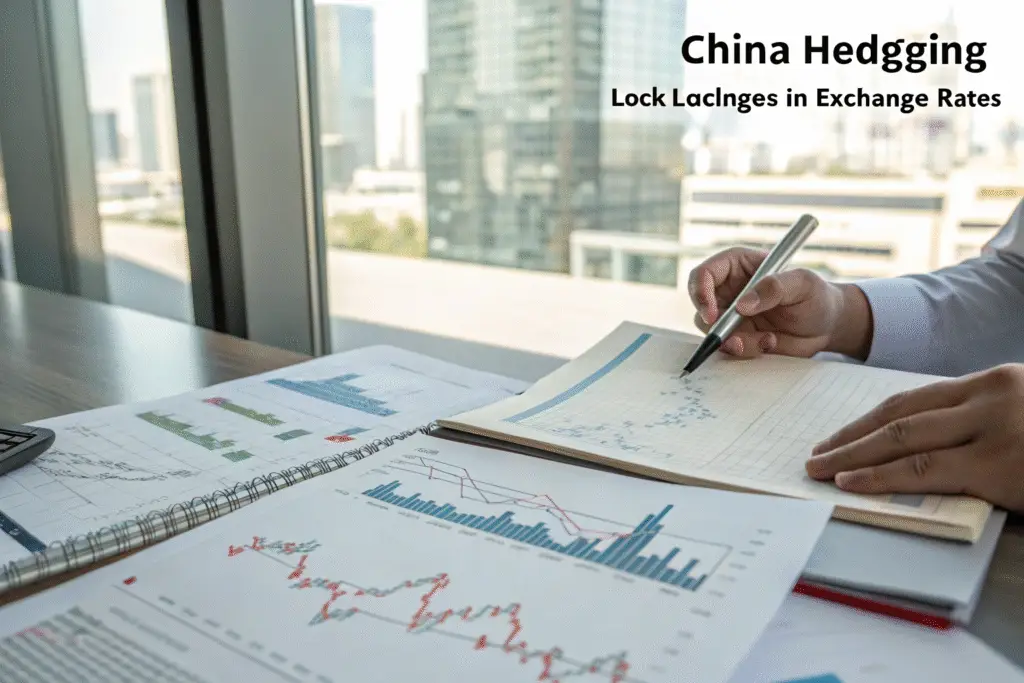
Should You Use Forward Contracts with Clothing Suppliers?
Yes, if your order volume is large and payment terms span 3–6 months. Forward contracts let you buy foreign currency at a locked-in rate, which ensures predictability.
For instance, a U.S. buyer planning to pay ¥700,000 in 90 days can use a forward exchange contract to secure today's rate. This shields both parties from mid-contract currency turbulence.
Are Multi-Currency Bank Accounts Helpful for B2B Orders?
Absolutely. Multi-currency accounts allow buyers to hold different currencies and choose the best moment to convert. Many cross-border payment providers now offer these services at low cost.
We advise our clients to use USD, EUR, and CNY balances when working with multiple factories. This reduces last-minute currency exchange stress and helps manage margin targets.
What Payment Terms Minimize Currency Fluctuation Risks?
Payment terms can be designed to share currency risk fairly between buyer and seller. The best contracts combine installment flexibility with exchange rate protection.

Can Split Payments Protect Against FX Losses?
Yes, many clients divide payments: 30% deposit, 70% before shipment. If the dollar weakens between deposit and balance, both sides can renegotiate part of the balance without destabilizing the full order.
This split model also allows space for currency-neutral clauses where payment is recalculated if rates deviate beyond a set threshold.
How Do Currency Adjustment Clauses Work?
These are clauses that automatically trigger renegotiation if exchange rates deviate by a certain margin—say, 5%—from the contract rate.
They’re especially useful for long-run production or repeat orders. For example, we used this in a 12-month sportswear manufacturing agreement to shield both sides from volatility.
What Tools Help You Monitor Currency Risk in Real-Time?
Currency tools help procurement teams stay aware of market shifts and avoid surprise costs. These tools can be integrated into ERP systems or accessed independently.
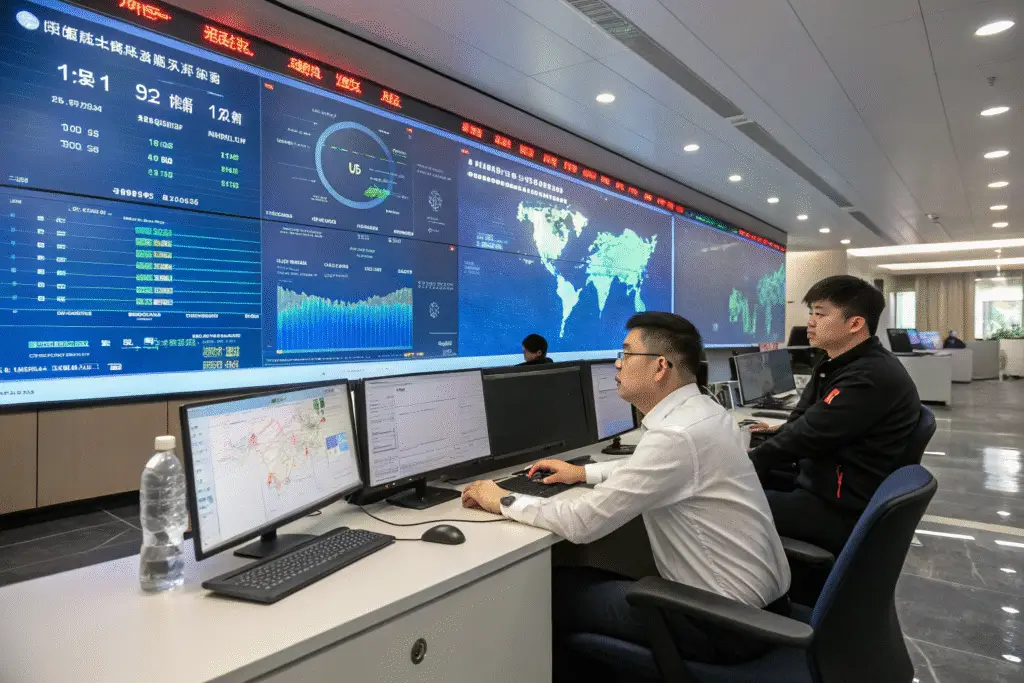
Which Apps Are Best for Live FX Tracking?
Many of our clients use XE Currency and OANDA for live exchange rates, historical charts, and forecast models.
They allow buyers to compare CNY/USD or INR/USD trends, and set alerts for optimal purchasing windows. Several tools now integrate directly into sourcing platforms like TradeGecko.
Do ERPs and Sourcing Software Offer Currency Modules?
Yes, modern ERP systems like SAP Business One or NetSuite provide modules for FX exposure tracking.
They help map currency risk by order type, region, or product line. These are crucial for buyers managing seasonal SKUs across multiple production hubs.
Conclusion
Currency risk is unavoidable in global garment contracts—but it doesn’t have to be unmanageable. By using tools like forward contracts, split payments, multi-currency accounts, and ERP-integrated FX tracking, you can protect your margins and maintain strong factory relationships.
At Fumao Clothing, we’ve built long-term partnerships with U.S. buyers by offering clear FX clauses, stable pricing, and flexible settlement options. If you’re looking to source custom apparel from China without currency stress, contact our Business Director Elaine at elaine@fumaoclothing.com. Let’s build stable, scalable fashion business together.