A kick-off meeting with your clothing manufacturer can feel like a formality. You might think it's just about confirming orders and deadlines. But what if this meeting is the key to unlocking your next best-selling apparel line? Many brands miss this golden opportunity. They stick to a basic agenda and leave value on the table. This approach can lead to misunderstandings, delays, and products that don't quite hit the mark.
A strategic kick-off meeting is your first and best chance to align your creative vision with your manufacturer's practical expertise, transforming a simple brief into a commercially successful product. It sets the tone for the entire production cycle. When done right, it builds a strong partnership foundation. This collaboration is crucial for navigating challenges and ensuring quality from start to finish.
Let's explore how you can turn this initial meeting into a powerful tool for your brand's growth. We will guide you through the key steps to ensure you get the most out of your manufacturer's knowledge and experience.
How to prepare for a manufacturing kick-off meeting?
Preparation is the non-negotiable first step. Walking into a kick-off meeting unprepared is a recipe for wasted time and vague outcomes. Your preparation shows your manufacturer that you are serious and professional. It allows them to come to the meeting ready to provide concrete solutions, not just general ideas. A well-prepared brief is the roadmap that guides the entire production journey.
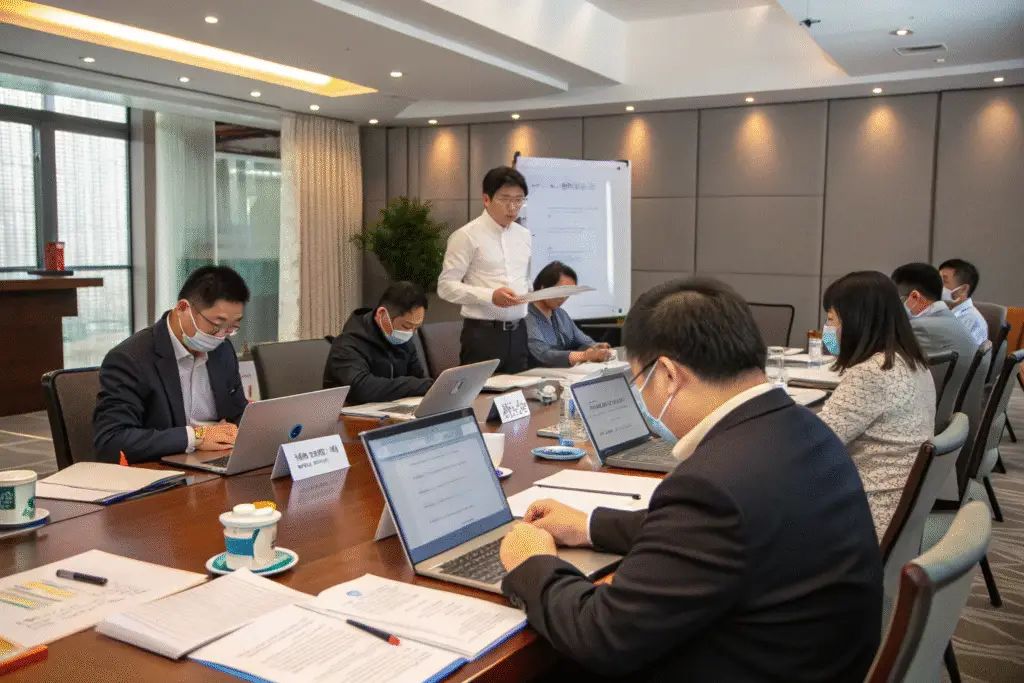
You must share a comprehensive information pack with your manufacturer at least one week before the meeting. This pack should include your initial tech pack, detailed design files, and any reference samples you have. Sending this in advance gives the technical team time to review your designs thoroughly. They can analyze the feasibility, identify potential production challenges, and start sourcing the right materials. This proactive step moves the conversation from "what if" to "how to" from the very start. For instance, sharing your designs early allows us to assess the complexity and suggest suitable fabrics from our established network, ensuring both quality and cost-efficiency.
Who are the key people that must attend?
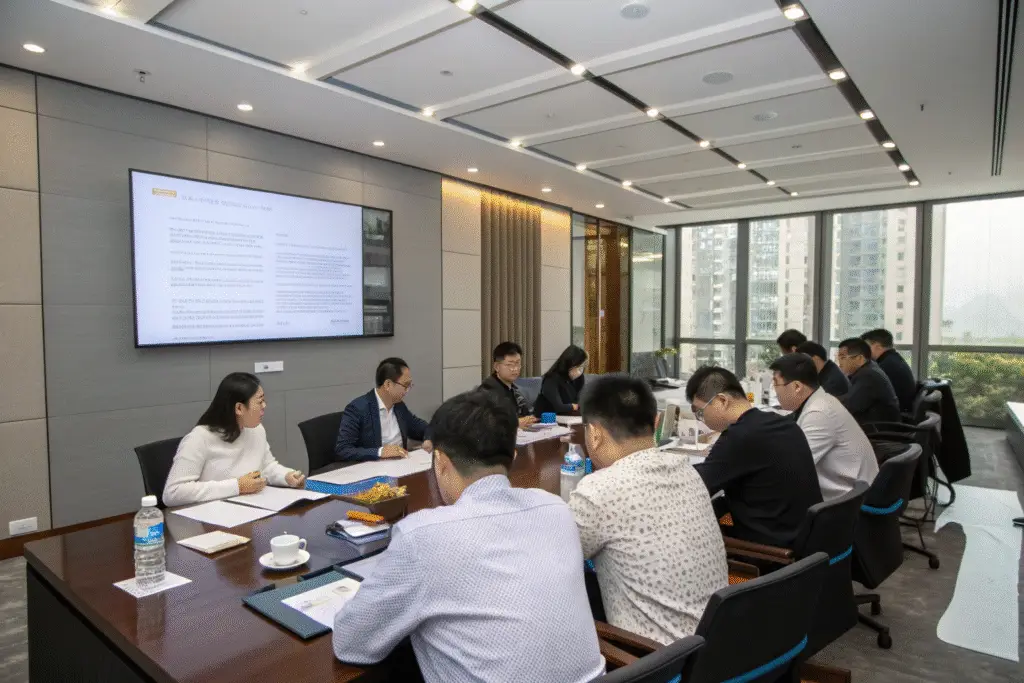
The success of this meeting hinges on having the right decision-makers in the room. From your side, ensure someone with final approval on design, cost, and timeline is present. From the manufacturer's side, you need more than just a sales representative. Insist on having a technical expert, such as a production manager or senior pattern maker, and a quality control lead. These experts can provide immediate feedback on your designs from a construction and quality standpoint. Their direct input is invaluable for troubleshooting potential issues before they become costly factory mistakes. A direct line of communication with the factory's technical team is a cornerstone of reliable apparel manufacturing.
What questions to ask your garment manufacturer?
The questions you ask set the direction for the entire project. Go beyond simple yes-or-no questions. Your goal is to uncover their process, their expertise, and how they handle obstacles. This is your chance to vet their capability and build trust. A manufacturer that welcomes detailed questions is one that is confident in its processes and transparent in its operations.
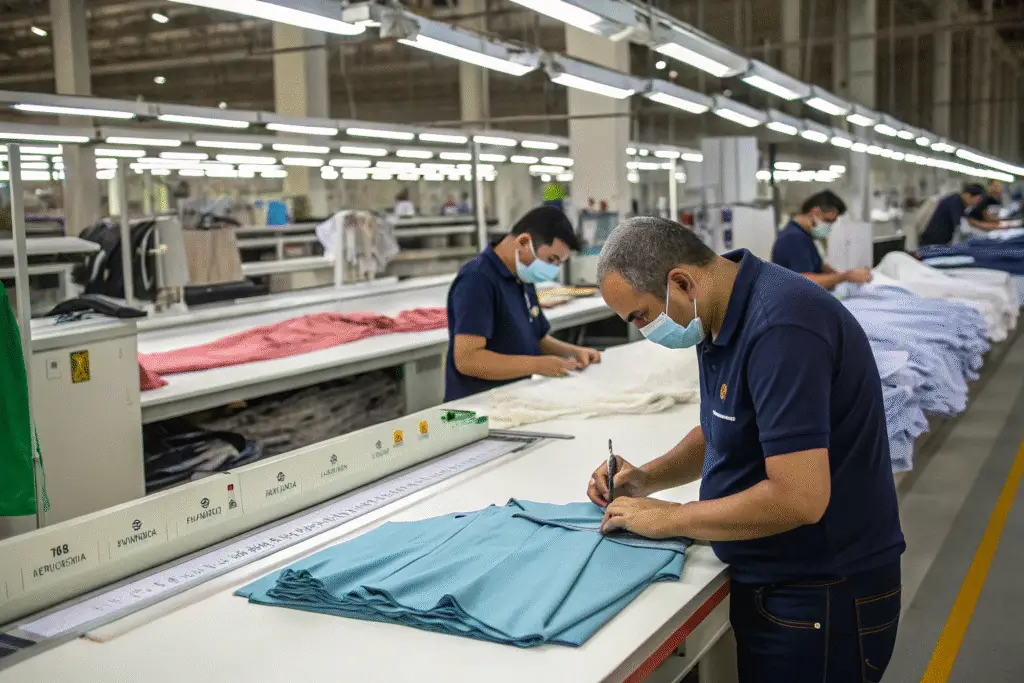
How do you ensure quality control during production?
Do not simply accept "we have high quality" as an answer. Drill down into the specifics of their quality control system. Ask about their defined Quality Control checkpoints. For example, "At what stages do your QC teams inspect the garments? Is it after cutting, during sewing, and at final assembly?" Inquire about their defect rate tolerance and how they handle goods that fail inspection. A professional manufacturer will have a clear, multi-stage inspection process documented and will be proud to share it. This demonstrates their commitment to delivering consistent quality that meets your brand's standards.
What is your protocol for handling production delays?
This is a critical question that addresses a major pain point for brands. Ask directly about their contingency plans for common delays, such as raw material shortages or machine breakdowns. A transparent manufacturer will explain their communication protocol. They should tell you how they will notify you of a potential delay, what solutions they will propose (like splitting shipments), and how they prioritize orders to minimize impact. Knowing their proactive approach to problem-solving provides peace of mind and builds a foundation of trust, which is essential for a long-term partnership.
How to align on costs and timelines effectively?
Clarity on budget and schedule is the bedrock of a successful manufacturing partnership. Ambiguity in these areas is the primary source of conflict. The kick-off meeting is the perfect time to move beyond ballpark figures and establish firm, mutual commitments. This alignment ensures both parties are working towards the same financial and calendar goals, preventing unpleasant surprises down the line.
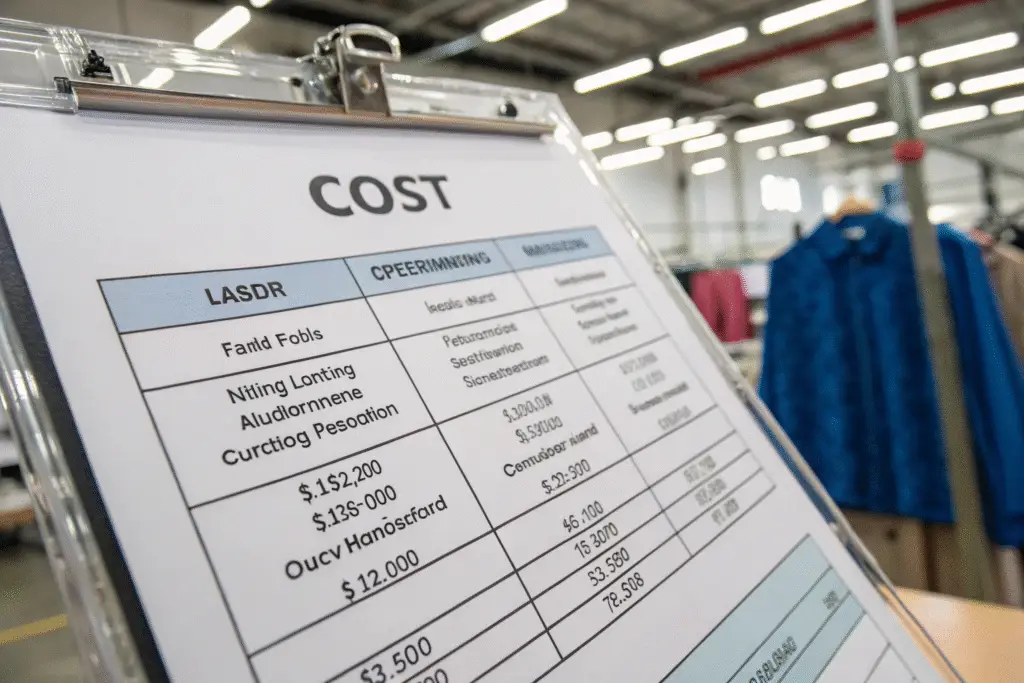
What cost breakdown details should you expect?
You have the right to a detailed cost breakdown. A reputable manufacturer will provide a transparent quotation that separates the cost of fabric, trims, labor, and overhead. This transparency allows you to understand where your money is going and provides a basis for value engineering. For example, if the cost is higher than expected, a detailed breakdown lets you and the manufacturer identify areas for adjustment, such as exploring alternative fabrics or simplifying a construction detail, without compromising the garment's integrity.
| Cost Component | What It Typically Includes | Why It Matters to You |
|---|---|---|
| Fabric & Trims | Main fabric, lining, threads, buttons, zippers. | The largest cost driver; transparency allows for material alternatives. |
| Labor | Cutting, sewing, finishing, and quality control. | Reflects the garment's complexity and the factory's skill level. |
| Overhead | Factory utilities, administration, and profit margin. | A standard charge; understanding it ensures a fair partnership. |
How to set a realistic production timeline?
A realistic timeline accounts for every step, not just the sewing. Work with your manufacturer to build a timeline backwards from your required delivery date. This timeline must include buffer periods for sampling, fabric sourcing, production, quality checks, and shipping. Ask them to specify the lead time for each phase. For instance, confirm how long it will take to produce and ship the first proto sample after the meeting. A clear and detailed schedule, managed by experienced fashion production planners, is your best defense against missed selling seasons.
How to build a strong manufacturer relationship?
The kick-off meeting is more than a transaction; it is the beginning of a partnership. The relationship you build with your manufacturer can be your greatest competitive advantage. A strong, communicative partnership leads to better problem-solving, priority status during busy seasons, and a shared commitment to quality. This relationship turns your supplier into a true extension of your team.
Why is designating a single point of contact crucial?
To solve the pain point of inefficient communication, you must insist on a single point of contact (POC) on the manufacturer's side. This person, often a project or account manager, is responsible for streamlining all communication and disseminating information to the technical, production, and QC teams. This eliminates the confusion of multiple, conflicting messages and ensures you always know who to ask for a status update. A dedicated POC guarantees that your instructions are clear and your concerns are addressed promptly and accurately.
How can you foster transparent communication?
Set the expectation for regular, proactive updates from the very beginning. Agree on a communication rhythm—such as a weekly status report—that includes progress photos and any potential issues. Use the kick-off meeting to establish the primary channels (e.g., email for formal approvals, WhatsApp for quick queries). This proactive approach prevents surprises and builds trust. When a manufacturer is open about both good and bad news, it shows they are invested in a honest, long-term partnership and are committed to finding solutions together.
Conclusion
A kick-off meeting with your apparel manufacturer is a powerful strategic tool, not an administrative task. By preparing thoroughly, asking the right questions, aligning clearly on costs and timelines, and focusing on building a strong relationship, you lay the groundwork for a smooth and successful production cycle. You transform your manufacturer from a simple order-taker into a valuable partner invested in your brand's success. This collaborative approach mitigates risks, controls costs, and ultimately brings better products to market.
Ready to experience a kick-off meeting that truly leverages manufacturing expertise for your next collection? Let's build a successful partnership. Contact our Business Director, Elaine, today at elaine@fumaoclothing.com to schedule a consultation and see how Fumao Clothing can become your trusted partner in apparel manufacturing.