As a children's wear manufacturer, I see many brands struggle on Facebook. They post cute pictures, but the orders don't come. Why? Because B2B buyers, like brand owners and distributors, aren't shopping for just cuteness. They are shopping for solutions to business problems. They worry about safety recalls, supplier reliability, and profit margins. Your Facebook content must speak to these fears. Let me show you how turning a certification from a background detail into your frontline sales message can change everything.
To leverage OEKO-TEX in B2B sales on Facebook for children's wear, you must reframe it from a compliance certificate into a powerful business solution. It's your key tool for addressing core buyer pain points: mitigating risk, justifying premium pricing, and building brand trust. Your Facebook strategy should use targeted content that educates, proves credibility, and showcases the tangible business outcomes of using certified products, moving beyond simple product listings to become a resource for business growth.
Stop thinking of Facebook as just a catalog. For B2B buyers, it's a research and vetting tool. They are silently judging your capability and reliability. An OEKO-TEX certified manufacturer who knows how to communicate its value stands out immediately in a crowded feed.
Why Should B2B Buyers Care About Your OEKO-TEX on Facebook?
You have the certification. But posting the logo alone does nothing. Your buyer, perhaps a children's brand owner in the Midwest, scrolls past dozens of posts. They need to understand why your certification matters to their bottom line. A distributor from Florida once told me they ignore factory posts that just say "OEKO-TEX certified." They click on posts that ask, "Tired of worrying about import customs holds?" That speaks directly to their daily stress.
B2B buyers care about your OEKO-TEX certification on Facebook because it serves as a public, verifiable proxy for your factory's professionalism, process control, and commitment to risk management. In a platform where trust is hard to establish, it's a third-party validation that reduces their perceived risk of doing business with you, an overseas supplier. It answers their unspoken question: "Can I trust this factory with my brand's reputation?"

How does certification content reduce a buyer's perceived risk?
Buyers fear hidden costs. A product failing safety tests at customs is a hidden cost. A recall due to harmful substances is a catastrophic cost. When you feature OEKO-TEX on Facebook, you are not talking about a test. You are offering risk insurance. Create content that makes this benefit explicit.
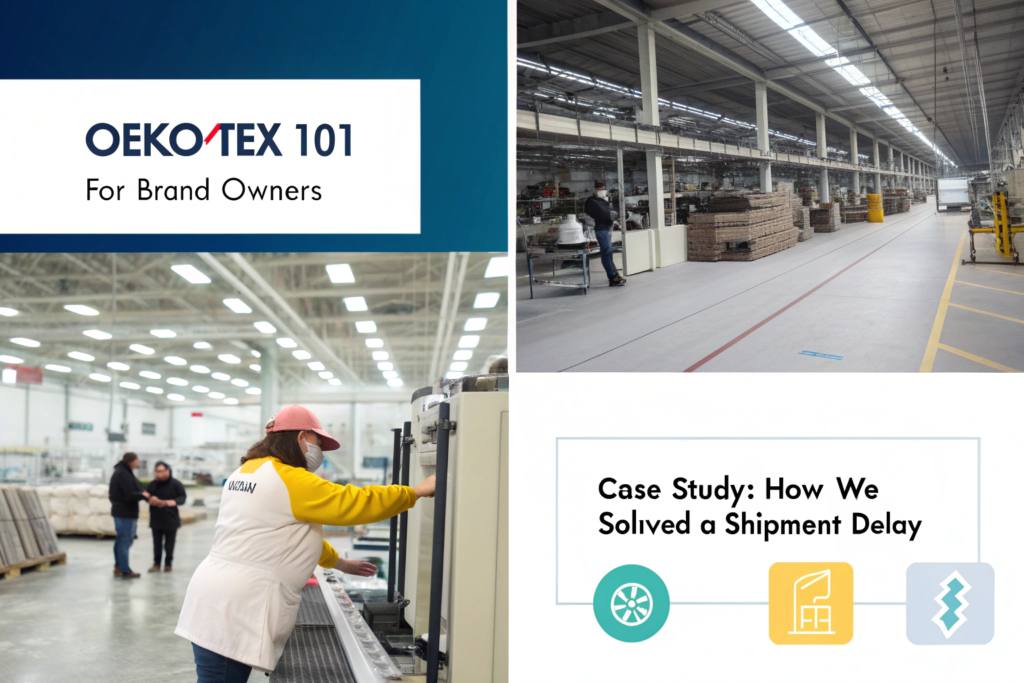
For example, last year, we created a short video case study for Facebook. We didn't name the client, but we outlined the scenario: "A US brand faced a potential delay when a component failed a routine lab test. Because our Shanghai Fumao process is built around OEKO-TEX compliance, we had pre-approved alternative materials in our system. We switched sources within 48 hours, and the shipment left on time." The video showed our material approval logs (blurred for confidentiality) and our certification database. This single post generated more qualified leads than a month of product photos. It showed we understand the business consequence of failure, not just the technical standard. The American Apparel & Footwear Association (AAFA) provides resources on global compliance standards that you can reference to show your industry awareness.
What specific buyer objections does OEKO-TEX content address?
Your Facebook content should act as a pre-emptive sales pitch. Address these common objections head-on in your posts and reels:
- Objection: "Your price is higher than another factory in Bangladesh."
- Content Angle: Create a carousel post titled "The True Cost of a 'Cheaper' Garment." One slide can show a photo of a customs hold notice, another can show a calculator with costs of delays, and the final slide can show your OEKO-TEX certificate with the caption, "Our certification is your guarantee against these hidden costs."
- Objection: "How do I know you're a real, professional factory?"
- Content Angle: Post a video walkthrough of your QC lab. Show the technician testing a fabric sample for pH balance. Say, "This is one of over 100 tests behind our OEKO-TEX STANDARD 100 certification. We invest in these processes so you can invest in us with confidence." This builds immense credibility.
What Types of Facebook Content Convert B2B Leads for Certified Kids' Wear?
Cute kids modeling clothes is B2C content. B2B buyers need content that demonstrates expertise, process, and results. They are looking for a partner, not just a product. The most effective content we've used doesn't directly sell clothes; it sells the system and security that produces them.
The Facebook content that converts B2B leads for certified kids' wear includes educational mini-guides, behind-the-scenes process videos, client problem-solving case studies (anonymous), and data-driven comparisons. This content positions your company as an industry expert and a reliable problem-solver, rather than just another supplier, which is crucial for attracting serious business partners.
Can educational content really attract serious buyers?
Absolutely. In fact, it's a magnet for them. Serious buyers are researchers. We created a simple PDF guide called "The 5-Point Checklist for Vetting a Kids' Wear Manufacturer's Safety Credentials." We offered it for free in exchange for an email (a lead generation tool). We promoted it on Facebook with a video where I, as the factory owner, briefly explained each point, with Point being "Verifying Authentic Certifications."
The guide detailed how to use the OEKO-TEX online database, what questions to ask about component testing, and how to request audit trails. This content did two things: it provided immense value, and it demonstrated that Shanghai Fumao is so confident and transparent that we teach our potential clients how to vet us. We generated over 50 high-intent leads from that single campaign. One became a client who told us, "Your guide showed me you understand my anxieties. The other factories just sent me price lists." This approach aligns with content marketing principles that focus on building authority first.
How to showcase certification in engaging video formats?
Static photos of certificates are boring. Bring the certificate to life.
- "Day in the Life" Reel: A fast-paced reel following a baby romper from fabric arrival to packing. Key frames pause to highlight: "Fabric Check: OEKO-TEX certified," "Print Check: Phthalate-free inks," "Final Audit: Against STANDARD 100 parameters." Use text overlays and trending audio.
- Client Testimonial Teaser (Anonymous): Record a voice-over (with permission) from a happy client describing a problem we solved. Pair it with B-roll of our factory and certification process. The script could be: "We had a last-minute design change. Shanghai Fumao's pre-approved material system, part of their OEKO-TEX framework, meant we had safe alternative fabric options immediately. It saved the entire production run." This builds powerful social proof.
- FAQ Video Series: Host short, talking-head videos answering questions like "What's the difference between a fabric certificate and an article certificate?" or "How often is your certification audited?" This builds a personal connection and trust.
How to Target and Retarget the Right B2B Audience on Facebook?
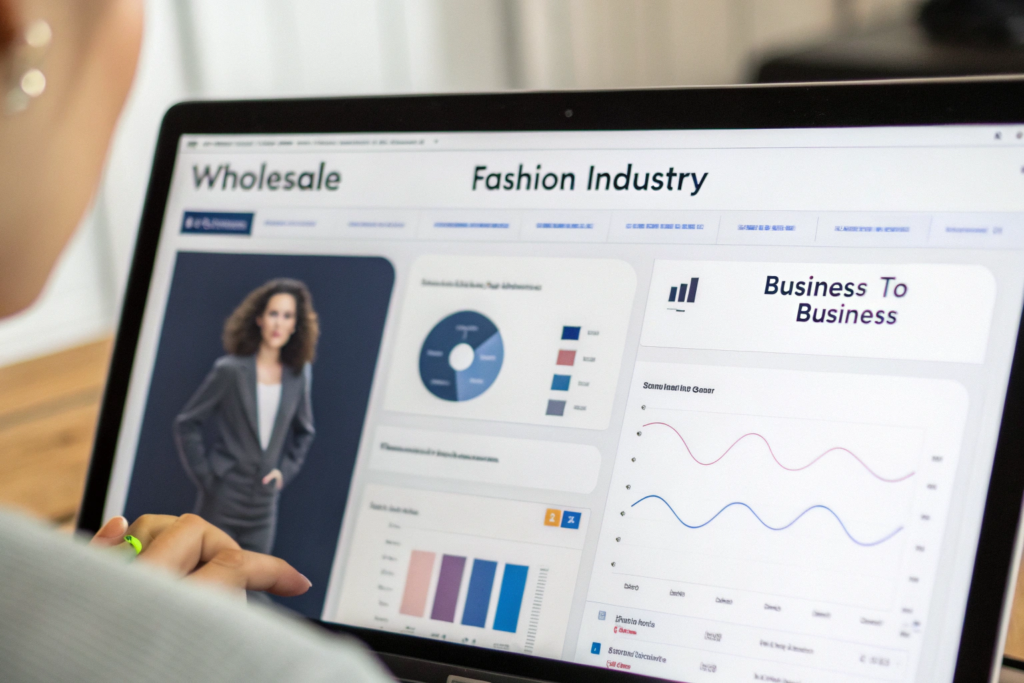
Even the best content is wasted if the wrong people see it. Targeting "people interested in kids' clothing" will spend your budget on parents, not procurement managers. Your targeting must be surgical, focusing on job roles, business interests, and purchasing behaviors.
To target the right B2B audience on Facebook, you must use layered interest targeting, custom audiences from your website, and lookalike audiences. Focus on interests like "Fashion Merchandising," "Apparel Manufacturing," "Retail Buyers," and "Small Business Ownership," combined with job titles like "Owner," "Founder," "Purchasing Manager" in the retail and wholesale sector.
What are the most effective interest and behavior targets?
Forget broad categories. Combine these for precision:
- Interests: Fashion Merchandising, Wholesaling, Business Services, Alibaba.com, Shopify Plus, Entrepreneurship.
- Behaviors: Small Business Owners, Engaged Shoppers, Frequent Travelers (likely for trade shows).
- Job Titles: Use Facebook's job title targeting if available, or target by "Industry" set to Retail, Apparel & Fashion, or Wholesale.
A campaign we ran for our certified baby organic cotton line used this combination:
- Location: United States, Canada, United Kingdom.
- Interests: Sustainable Fashion AND Children's Apparel.
- Detailed Targeting Expansion: Off (to keep the audience tight).
- Placements: Facebook Feed, Instagram Feed only.
The ad creative asked, "Sourcing Organic Cotton Kids Wear? Let's talk compliance from Day 1." The link led to a landing page about our OEKO-TEX and GOTS integrated process. Our cost per lead was 40% lower than our general brand awareness campaigns because we were speaking directly to a qualified niche.
Why is retargeting website visitors crucial for conversion?
A B2B buyer rarely converts from a single Facebook ad. They see your ad, visit your website, look at your "Certifications" page or product catalog, and leave. Retargeting is your second chance to close the deal.
- Create a Custom Audience of everyone who visited your website in the last 30 days but did not visit the "Contact" page.
- Serve them a specific retargeting ad. For example: "Still researching safe manufacturers? Download our free guide: 'The 5 Most Common Mistakes in Kids' Wear Sourcing and How to Avoid Them'." The guide, of course, heavily features the role of credible certifications.
- Use a "Lead Magnet" like a spec sheet template or a compliance checklist to capture their email. Once you have the email, you can move them to your email nurture sequence.
This strategy warms up cold leads. A European distributor visited our site 7 times over two weeks, viewing our certification and production capacity pages. Our retargeting ad offered a virtual factory tour. They clicked, booked the tour, and are now a client. Platforms like HubSpot often publish data on how retargeting improves conversion rates across industries.
How to Measure ROI from Your Facebook OEKO-TEX Marketing?
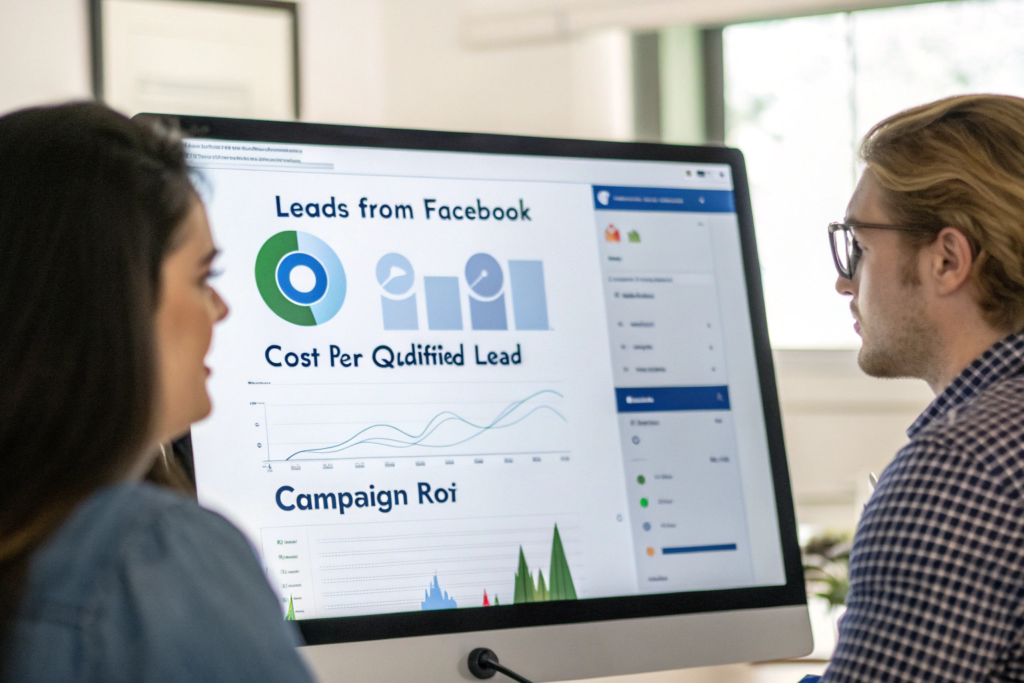
Spending money on Facebook without tracking return is a common mistake. For B2B, ROI isn't just about direct online sales; it's about lead quality, cost per lead, and sales cycle acceleration. You need to track beyond likes and shares.
Measure ROI from your Facebook OEKO-TEX marketing by tracking key performance indicators (KPIs) like Cost Per Lead (CPL), Lead-to-Client Conversion Rate, and the specific attribution of new clients to Facebook campaigns. Use Facebook's tracking pixel, UTM parameters, and a dedicated CRM to connect social media engagement to actual sales conversations and closed deals.
What are the essential KPIs for B2B Facebook campaigns?
Track these metrics religiously:
- Cost Per Lead (CPL): Total ad spend / Number of leads (form submissions, email sign-ups, booked calls).
- Lead Quality Score: Work with your sales team to rate leads from Facebook (e.g., 1-5). Are they brand owners? Do they have realistic budgets? Track the average quality score per campaign.
- Lead-to-Client Conversion Rate: Number of clients won / Number of leads generated from Facebook.
- Cost of Client Acquisition (CAC): Total ad spend / Number of new clients acquired.
We implemented a simple system where our Business Director, Elaine, tags every new inquiry in our CRM with its source ("FB_Cert_Campaign_Oct"). After 6 months, we analyzed the data. We found that while our general Facebook page posts brought in many inquiries, the leads from our targeted OEKO-TEX educational campaign had a 300% higher lead-to-client conversion rate. Their average order size was also 25% larger because they valued the certified, full-package service.
How to attribute long sales cycles to Facebook efforts?
B2B sales, especially in manufacturing, can take months. Use these methods:
- UTM Parameters: Add unique tracking tags to every link in your Facebook ads (using Google's Campaign URL Builder). This tells your website analytics exactly which ad and campaign brought the visitor.
- CRM Integration: When a lead from Facebook submits a contact form, the UTM data should flow into your CRM. This creates a record of their first touchpoint.
- Nurture Sequences: Use automated emails (with valuable content) to stay in touch with Facebook leads. Track open and click rates to gauge continued interest.
A brand owner might see your ad in January, download your guide, and then go quiet. In April, they might email Elaine directly saying, "We spoke a few months ago..." If your CRM shows they came from the "FB_OEKO-TEX_Guide" campaign, you can confidently attribute that client—and their revenue—to your Facebook marketing investment. This closed-loop reporting is essential for proving true ROI. Understanding marketing attribution models can help refine this process.
Conclusion
Leveraging OEKO-TEX in your B2B Facebook strategy for children's wear is not about plastering a logo everywhere. It's a strategic repositioning of your entire value proposition. It’s about speaking the language of business risk, trust, and profitability to the savvy buyers who need those assurances most. By creating educational content, showcasing your processes, targeting with precision, and measuring real business outcomes, you transform your Facebook presence from a passive gallery into a dynamic sales engine.
Remember, you are not just selling certified clothing. You are selling peace of mind, operational reliability, and a competitive edge for your client's own brand. When your content makes that value unmistakably clear, you stop competing on price and start attracting partners who value long-term, secure collaboration.
Ready to build a Facebook strategy that attracts serious B2B partners, not just likes? At Shanghai Fumao, we don't just manufacture OEKO-TEX certified children's wear; we help our partners market this advantage effectively. Reach out to our Business Director Elaine to discuss how we can support your brand with safe, premium kids' clothing and the marketing insights to sell it successfully. Start the conversation at elaine@fumaoclothing.com.