The fashion industry faces a constant tension between mass production efficiency and the growing demand for personalized products. Many brands struggle to offer customization without sacrificing speed or inflating costs. But what if technology could resolve this contradiction?
Automation enables unprecedented customization in apparel manufacturing by combining digital design tools, flexible production systems, and data-driven processes. Advanced manufacturers now leverage automated cutting, digital printing, and AI-powered pattern making to deliver personalized garments at scale, transforming how brands approach product individualization.
The rise of fast fashion and e-commerce has conditioned consumers to expect both variety and speed. Meanwhile, sustainable fashion advocates push for reduced waste through made-to-order production. Automation bridges these competing demands, allowing manufacturers to offer customization while maintaining efficiency.
What Automation Technologies Enable Mass Customization?
Modern apparel factories increasingly resemble tech companies, with sophisticated systems that transform how customized garments are created. These technologies work together to maintain efficiency while accommodating individual specifications.
Key automation technologies enabling mass customization include digital printing systems, automated pattern making software, AI-driven design tools, and flexible manufacturing cells. These systems allow manufacturers to efficiently produce small batches or even single items while maintaining the cost advantages typically associated with large production runs.
How Does Digital Printing Support Customization?
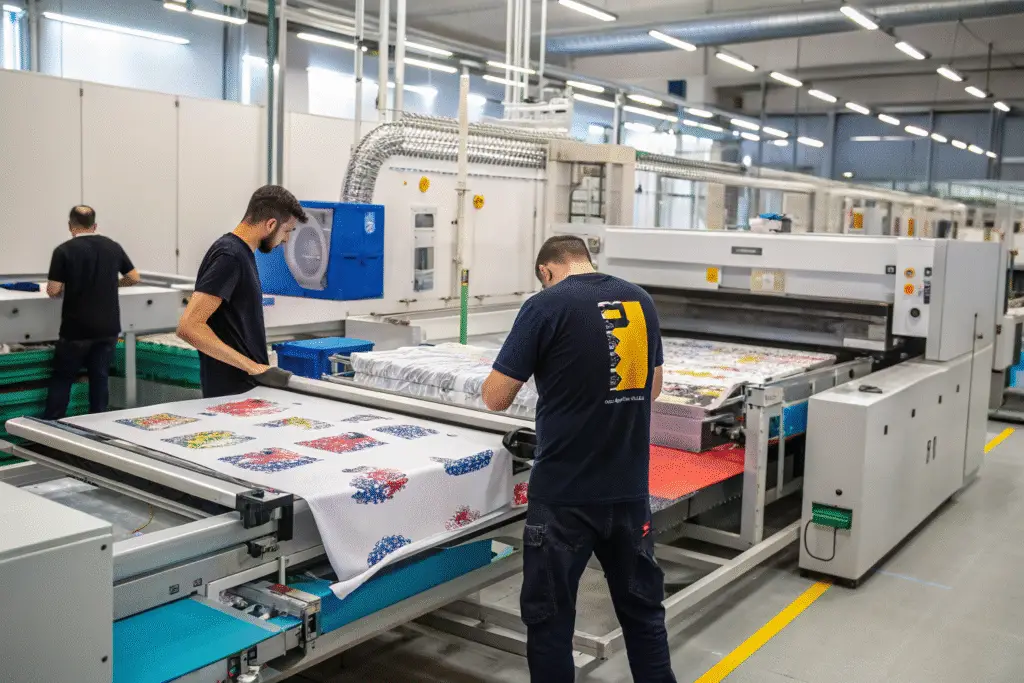
Digital textile printing has revolutionized customization capabilities by eliminating the need for traditional screens and minimum quantity requirements. Unlike conventional methods that require expensive setup for each design, digital systems can print unique patterns on individual garments without additional costs or time penalties. This technology enables brands to offer extensive design personalization.
At Fumao Clothing, our Kornit digital printing systems allow American clients to create limited editions, regional designs, or even fully individualized pieces. The automated color matching and pattern alignment ensure consistent quality across different production runs, whether we're producing ten units or ten thousand. This flexibility has been particularly valuable for brands testing market response to new designs before committing to larger orders.
Can Automated Cutting Handle Variable Sizes?
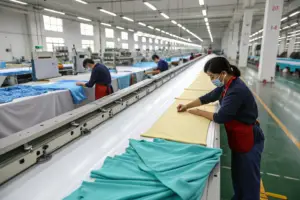
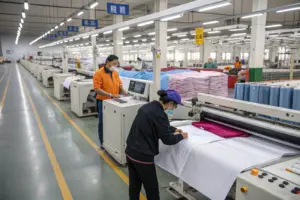
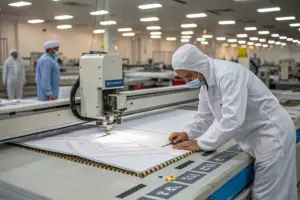
Automated cutting systems have evolved beyond simply processing large stacks of identical patterns. Modern computer-controlled cutters can instantly adjust to different sizes, styles, and even individual measurements while maintaining optimal fabric utilization. This eliminates the traditional trade-off between customization and material efficiency.
Our factory utilizes Lectra automated cutting solutions that seamlessly integrate with our clients' sizing specifications. Whether creating standard size runs or accommodating special measurements, these systems ensure precision while dramatically reducing lead times. The technology automatically nests patterns to minimize waste – a significant advantage for brands promoting sustainability through their customization options.
How Does Automation Improve Customization Logistics?
The benefits of automated customization extend beyond the factory floor to encompass the entire supply chain. From order processing to final delivery, technology streamlines the journey of personalized products.
Automation transforms customization logistics through integrated order management systems, real-time production tracking, and streamlined fulfillment processes. These systems coordinate complex information flows, ensuring that each customized item moves efficiently from design conception to customer delivery while maintaining complete specification accuracy.
What Role Does ERP Play in Custom Orders?
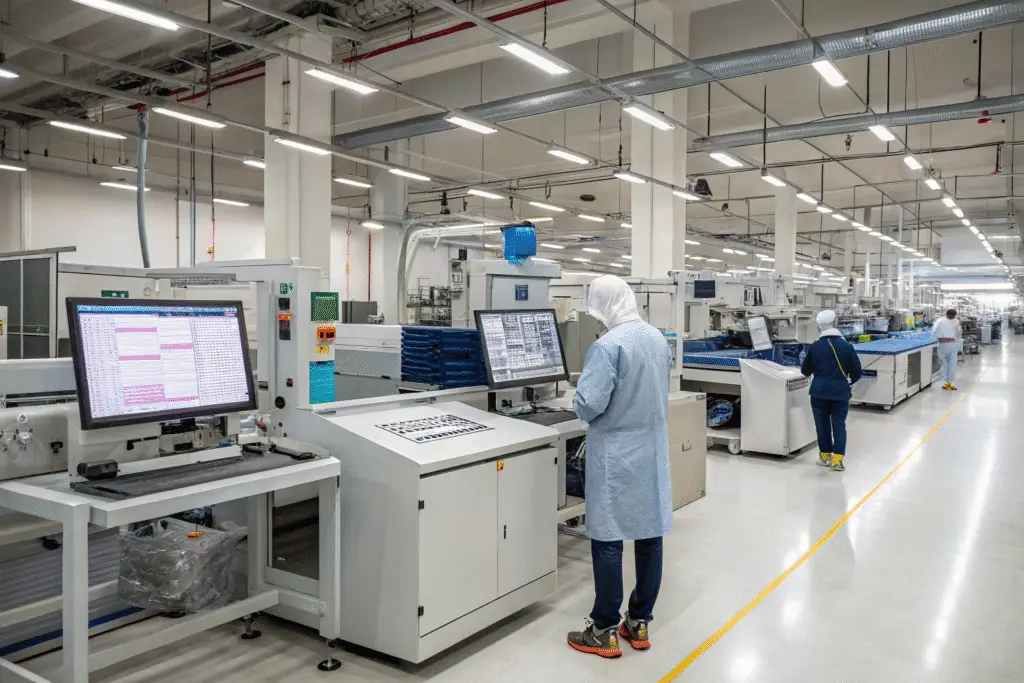
Enterprise Resource Planning (ERP) systems form the digital backbone of efficient customization operations. These platforms synchronize order details, inventory management, production scheduling, and shipping information in real-time. For customized apparel, this means tracking each item's unique specifications throughout the entire manufacturing journey.
Our implementation of Oracle NetSuite ERP allows U.S. clients to monitor their custom orders through every production stage. The system automatically alerts both our team and clients about potential delays or specification questions, preventing errors before they occur. This visibility is particularly valuable for brands offering personalized corporate wear or limited-edition collections with tight deadlines.
How Automated Tracking Enhances Customer Experience?
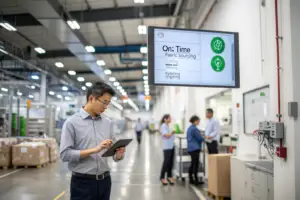
Modern consumers expect transparency, especially when purchasing customized products. Automated production tracking systems provide this visibility by generating real-time updates at each manufacturing milestone. This transforms the waiting period from a source of anxiety to an engaging experience.
We provide branded tracking portals that our U.S. clients can white-label for their customers. These systems automatically update when personalized items move through key stages – design approval, fabric cutting, printing, assembly, quality check, and shipping. This level of transparency has helped our partners build stronger customer relationships while reducing "where is my order" inquiries by over 60%.
What Are the Cost Implications of Automated Customization?
Many brands assume that customization inevitably means higher costs and longer production times. However, strategic automation can challenge these assumptions while delivering superior value.
While automation requires significant initial investment, it ultimately reduces the cost premium for customization by minimizing labor requirements, decreasing error rates, and optimizing material usage. The most sophisticated systems can produce customized apparel at just 10-15% above standard mass production costs, compared to 50-100% premiums with traditional methods.
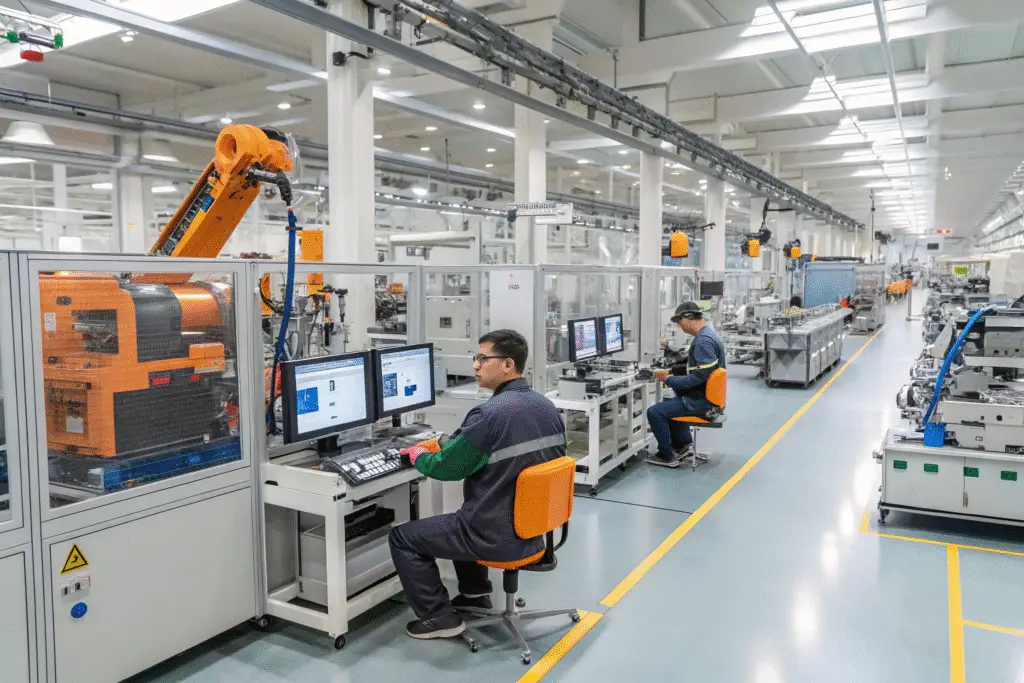
How Does Automation Reduce Customization Errors?
Human error represents a significant cost in traditional customization approaches. Misinterpreted specifications, measurement mistakes, and production miscommunications often result in wasted materials and remanufacturing. Automated systems dramatically reduce these errors through digital continuity.
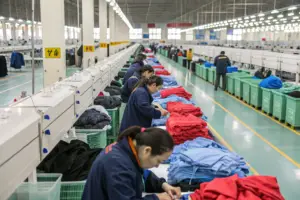
Our factory's automated workflow ensures that customer specifications entered into our online customization platform flow directly to pattern making, cutting, and assembly systems without manual reinterpretation. This end-to-end digital thread has reduced customization errors by 85% compared to our previous semi-manual processes. For our U.S. clients, this means fewer returns and higher customer satisfaction with personalized items.
What Is the Real Cost-Benefit Analysis?
| Cost Factor | Traditional Customization | Automated Customization |
|---|---|---|
| Labor Costs | High (skilled artisans) | Moderate (machine operators) |
| Material Waste | 20-30% excess | 8-12% optimized usage |
| Error Rate | 15-20% require rework | 3-5% require rework |
| Minimum Order Quantity | 50-100 units | 1 unit feasible |
| Lead Time | 8-12 weeks | 3-5 weeks |
The table demonstrates how automation transforms the economics of customization. While our automated systems required substantial investment, the efficiency gains have allowed us to offer personalized manufacturing to American brands at accessible price points. This has been particularly valuable for emerging labels seeking to differentiate through customization without prohibitive costs.
How to Implement Automation in Your Customization Strategy?
Adopting automation for customization requires careful planning and partnership selection. The transition impacts everything from design processes to customer experience.
Successful implementation begins with assessing current capabilities, identifying customization priorities, selecting appropriate technology partners, and developing phased integration plans. Manufacturers with existing automation infrastructure typically achieve faster returns than those building from scratch, making partnership often more effective than in-house development.

What Preparation Maximizes Automation Success?
Thorough preparation separates successful automation implementations from expensive failures. Begin by documenting your current customization processes in detail, identifying specific bottlenecks and cost drivers. This analysis will clarify which automation technologies will deliver the greatest impact.
At Fumao, we've developed a customization assessment framework that helps our U.S. clients evaluate their readiness for automated personalization. This tool considers factors like technical specifications standardization, digital asset management, and integration requirements with existing systems. Brands that complete this assessment typically achieve their automation goals 40% faster than those who skip this crucial step.
How to Choose the Right Manufacturing Partner?
Selecting a manufacturing partner with relevant automation experience is crucial for brands venturing into customized apparel. Look for factories that can demonstrate successful automation implementations with clients of similar scale and complexity. The ideal partner will have both the technological infrastructure and the process expertise to guide your customization strategy.
Our work with American brands has shown that the most successful partnerships develop through phased projects rather than immediate full-scale implementation. We typically begin with a pilot program focusing on one customizable element – such as custom color options or logo placement – before expanding to more complex personalization. This approach builds confidence while identifying potential integration challenges early.
Conclusion
Automation has fundamentally transformed the economics and possibilities of customization in apparel manufacturing. What was once a costly luxury reserved for premium segments is now accessible to brands across market positions. The combination of digital design tools, flexible production systems, and integrated logistics enables manufacturers to deliver personalized products with unprecedented efficiency.
At Shanghai Fumao Clothing, our investment in automation technologies specifically focused on customization has allowed our U.S. partners to explore new business models – from made-to-order collections reducing inventory risk to fully personalized offerings strengthening customer loyalty. While some manufacturers resist these technological shifts, we've embraced automation as the key to delivering both individualization and efficiency. If you're ready to explore how automated customization could transform your apparel line, contact our Business Director Elaine to discuss implementation strategies at elaine@fumaoclothing.com.