As a manufacturer who has worked with both performance sportswear brands and eco-conscious labels, I've seen a clear market shift. Golfers today demand more than just moisture-wicking fabric; they want performance that doesn't compromise on safety or environmental responsibility. Integrating certified fabrics is no longer a niche choice—it's a smart design strategy.
Successfully integrating OEKO-TEX fabrics into technical golf shirt designs requires a holistic approach that starts at material sourcing, balances performance chemistry with safety standards, and leverages the certification as a core part of the product's technical story to meet both functional needs and evolving consumer values. It's about engineering trust into every layer.
The process involves specific challenges and solutions that go beyond simply swapping fabrics. Let's walk through the key steps to ensure your next golf shirt line performs on the course and in the marketplace.
Why Start with Fiber and Yarn Selection for Golf Shirts?
The journey of a certified golf shirt begins long before the cutting table. The foundation—fiber and yarn—determines not only performance but also certification feasibility.
Starting with OEKO-TEX certified fibers and yarns is critical because it ensures the core material complies with safety standards from the origin, preventing certification failures later and allowing for greater design flexibility in blending performance fibers like polyester with natural ones for optimal moisture management and comfort. It secures the supply chain at its root.

What Performance Fiber Blends are Compatible with Certification?
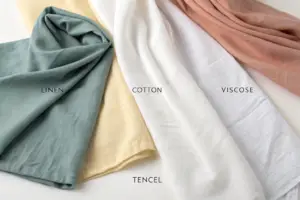
Technical golf shirts rely on smart blends. Common combinations like polyester for wicking and durability mixed with cotton for softness are fully compatible with OEKO-TEX. The key is ensuring each component fiber source is certified. For advanced cooling, lyocell (like Tencel™) from certified wood pulp is an excellent, sustainable choice. The challenge often lies with specialty finishes applied at the yarn stage. For instance, an anti-odor silver-ion treatment must itself be OEKO-TEX approved. At Shanghai Fumao, we maintain a library of pre-certified yarns from trusted spinners, which allows us to prototype blends—such as 87% polyester/13% lyocell—with guaranteed certification pathways, saving weeks of validation time.
How Does Yarn Choice Impact Moisture-Wicking and Breathability?
The certification process does not inhibit performance; it verifies it. A yarn's wicking capability is primarily a function of its cross-section and hydrophilicity. OEKO-TEX tests for pH and extractable heavy metals ensure that the chemical treatments used to make polyester hydrophilic (water-loving) are safe and non-irritating. This means the yarn can still be engineered with micro-channels to move sweat away from the skin efficiently, but without harmful residue. A brand we collaborated with wanted a "zero-irritation" guarantee for golfers with sensitive skin. By using certified, finely textured polyester yarns, we achieved superior moisture management test results while the OEKO-TEX label directly addressed their marketing promise.
This is the most critical phase where performance and safety intersect. The dyes and functional finishes are essential for golf shirts but are also the main source of chemical concerns.
Navigating dyeing and finishing requires partnering with mills that use OEKO-TEX approved colorants and auxiliaries, and strategically selecting finishing technologies—such as biostatic or UV-protection treatments—that are pre-approved within the certification's positive list, ensuring the final fabric meets both technical specs and safety limits. It's a precision balancing act.

What are the Best Practices for Dyeing Certified Performance Fabrics?
The goal is vibrant, colorfast hues without restricted substances. For synthetic blends, disperse dyes are standard. The OEKO-TEX standard bans specific allergenic disperse dyes. Therefore, mills must use safer alternatives from certified chemical suppliers. A key best practice is "right-first-time" dyeing, which minimizes the need for corrective chemical stripping and re-dyeing—processes that can leave residues. For a recent line of golf polos, we worked with a mill that used advanced low-liquor-ratio dyeing machines. This technology used less water and chemicals but required precise control to ensure evenness. The resulting fabric passed certification with excellent color fastness to chlorinated water (simulating pool or sweat exposure), a critical test for sportswear.
How to Integrate Functional Finishes Like UV Protection or Odor Control?
Functional finishes must be carefully selected. The OEKO-TEX standard maintains a "Positive List" of approved chemical products. Finishes like UV protection treatments based on inert minerals (like titanium dioxide) or certain odor-control technologies are permissible. The challenge is application method. For instance, a moisture-wicking finish might be applied via padding. The factory must ensure the finish bath's chemical composition is certified and that the final add-on percentage does not exceed safety limits. We advise clients to finalize their performance requirements early. Last year, for a golf brand targeting sunny climates, we sourced a pre-certified fabric with a UV protection factor (UPF) of 50+ that was integral to the yarn, avoiding a separate chemical finish altogether—a elegant solution that simplified certification.
What are Key Design and Construction Considerations?
The certification follows the final product. Therefore, every component used in assembling the golf shirt must be compliant. Design choices directly impact this.
Key design and construction considerations include selecting OEKO-TEX certified threads, interlinings, buttons, zippers, and prints; simplifying trim where possible to reduce compliance complexity; and ensuring sewing lubricants and cleaning processes in the factory are also controlled to prevent contamination. It's a full-package mindset.

How to Source and Verify Compliant Trims and Accessories?
Every non-fabric element needs a certificate. This includes:
- Sewing Thread: Often polyester or nylon, it must be certified.
- Interlining: Used in collars and plackets for structure.
- Buttons/Zippers: Plastic, metal, or resin components.
- Printing Inks: For logos or patterns.
The most efficient method is to work with a full-package manufacturer like Shanghai Fumao that has an established network of certified trim suppliers. They can provide a consolidated "Component Dossier" for the entire shirt. For a client last season, we replaced a standard plastic button with a certified corozo nut button, which added a natural, premium storytelling element aligned with the shirt's eco-tech positioning. Always insist on seeing the specific OEKO-TEX certificate for each component—generic statements are insufficient.
Does Garment Construction Affect Certification or Performance?
Yes. Construction techniques can influence both. For example:
- Flatlock Seams: Reduce chafing but use more thread. The thread must be certified.
- Laser-Cut Vents: A physical cutting process avoids the chemical residues that might come from a traditional finish on cut edges.
- Bonded Seams (using adhesive): The adhesive tape or film must be certified.
The table below contrasts common golf shirt features and their certification implications:
| Golf Shirt Feature | OEKO-TEX Integration Consideration | Performance Benefit |
|---|---|---|
| Mesh Panels | The mesh fabric must be separately certified. | Enhances breathability in key areas. |
| Silicone Print/Grip (inside hem) | The silicone ink must be certified. | Prevents shirt from riding up during swing. |
| Reflective Logo Print | The reflective ink and binder must be certified. | Adds visibility for early/late play. |
| Antimicrobial Treatment | Must be an OEKO-TEX approved technology. | Reduces odor for extended wear. |
How to Market OEKO-TEX Technical Golf Shirts Effectively?
Certification is a technical achievement, but its value is unlocked through clear, compelling communication that resonates with both the golfer's performance needs and personal values.
Market OEKO-TEX technical golf shirts by authentically weaving the certification into the product's performance narrative—positioning it as "Clean Performance" or "Engineered for Trust"—and providing tangible proof through hangtags, website content, and retailer training that explains the "why" behind the label. It's about translating a standard into a story.

What is the Most Compelling Marketing Angle?
The most compelling angle is "Performance Without Compromise." Avoid making it solely an "eco" story. Frame it as the ultimate in smart engineering: shirts that manage moisture, block UV rays, and stay fresh are also guaranteed to be free from skin-irritating chemicals. This addresses the active golfer's dual desire for peak performance and personal well-being. Use phrases like "Certified Safe-Sweat Technology" or "Skin-Safe Performance." On product pages, alongside specs on breathability and stretch, include a section titled "Our Safety Standard" explaining Article Class I or II certification. A brand we produce for saw a 20% increase in online engagement after adding a short video explaining OEKO-TEX on their product detail pages.
How to Communicate Value to Retailers and Consumers?
Provide retailers with simple, clear tools:
- Hangtags: Feature the OEKO-TEX label prominently alongside performance icons.
- Counter Cards: Explain what the certification means for the golfer in bullet points.
- Sales Training Points: e.g., "This means the advanced cooling finish won't irritate your skin, even on a hot 18-hole round."
For consumers, leverage your website's blog and social media to educate. Create a post titled "What's Really in Your Golf Shirt?" This builds trust and justifies a premium price point. Transparency is your strongest tool. Share that you've chosen a certified factory partner like Shanghai Fumao to ensure integrity from source to stitch.
Conclusion
Integrating OEKO-TEX fabrics into technical golf shirt designs is a multifaceted process that demands expertise from fiber science to marketing. When executed correctly, it yields a product that stands apart: a high-performance garment built on a foundation of verifiable safety and responsibility. This integration mitigates supply chain risk, future-proofs your brand against tightening regulations, and fulfills the growing consumer demand for transparency.
The complexity is best managed with a manufacturing partner experienced in navigating both performance specifications and certification protocols. If you are ready to develop a line of golf shirts that deliver uncompromising performance with certified safety, we have the expertise and supply chain to make it a seamless reality. For a technical consultation on your next project, please contact our Business Director Elaine at elaine@fumaoclothing.com. Let Shanghai Fumao help you design confidence into every round.