The digital shelf has transformed from a supplementary channel to the primary storefront for modern fashion brands. When a customer browses your collection online, they're making purchase decisions based purely on pixels and product descriptions - they can't feel the weight of your premium cotton fabric or try on that perfectly tailored blazer. This paradigm shift demands that your manufacturing process becomes intrinsically linked with your e-commerce strategy from the very first design sketch.
E-commerce integration in apparel production represents the strategic realignment of manufacturing workflows to meet the specific demands of online retail. It encompasses adapting design protocols, material selection criteria, quality control standards, and logistics operations to ensure products are visually compelling, accurately represented, and efficiently delivered in the digital marketplace. According to recent data from the National Retail Federation, online apparel returns exceed 40%, primarily due to size discrepancies and color variations - issues that proper e-commerce integration directly addresses.
Let's explore how forward-thinking brands are bridging the gap between factory floor and digital marketplace to create collections engineered for e-commerce success.
What are the key design considerations for e-commerce apparel?
When physical interaction is removed from the shopping experience, your product's digital representation carries the entire burden of conversion. The design phase must evolve beyond aesthetic appeal to prioritize how garments translate through camera lenses and screen displays.
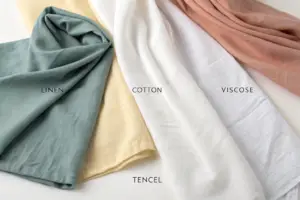
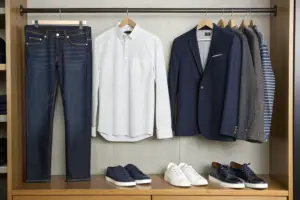
Designing for e-commerce requires creating clothing that photographs exceptionally well and communicates fit intuitively. This means selecting fabrics that maintain texture visibility under studio lighting, choosing colors that remain consistent across different device screens, and engineering silhouettes that are instantly recognizable even as thumbnail images.

How can you optimize garment designs for online photography?
The product image serves as the critical first touchpoint, with studies showing that products featuring multiple high-quality images experience 94% more conversions than those with single images. We guide our partners toward fabrics with subtle textural elements - like slub knits or dobby weaves - that capture light beautifully without creating the harsh glare common with highly reflective materials like vinyl or certain satins. For silhouettes, we recommend distinct structural elements: raglan sleeves, contrast topstitching, or unique collar treatments that maintain visual interest even when scaled down to mobile dimensions. Through our partnership with Browzwear 3D prototyping software, we've reduced sampling time by 65% while enabling virtual photoshoots that accurately predict how designs will appear in final product imagery.
Why is accurate color management non-negotiable?
Color inconsistency represents the second-highest cause of fashion e-commerce returns, accounting for approximately 23% of all sent-back items according to recent retail analytics. A "burgundy" sweater on your website must match exactly the "burgundy" sweater that arrives at your customer's doorstep. Our implementation of the X-Rite color management system begins with standardized Pantone references approved by clients, progresses through multiple lab dip iterations under calibrated D65 lighting simulating daylight, and culminates in production batches where color tolerance never exceeds ΔE 2.0 - a threshold invisible to the human eye but critical for digital consistency.
How does quality control directly impact online sales?
In a brick-and-mortar environment, a minor stitching imperfection might be overlooked or forgiven. In e-commerce, that same flaw becomes magnified, frequently appearing in negative reviews and social media posts that permanently damage brand reputation.
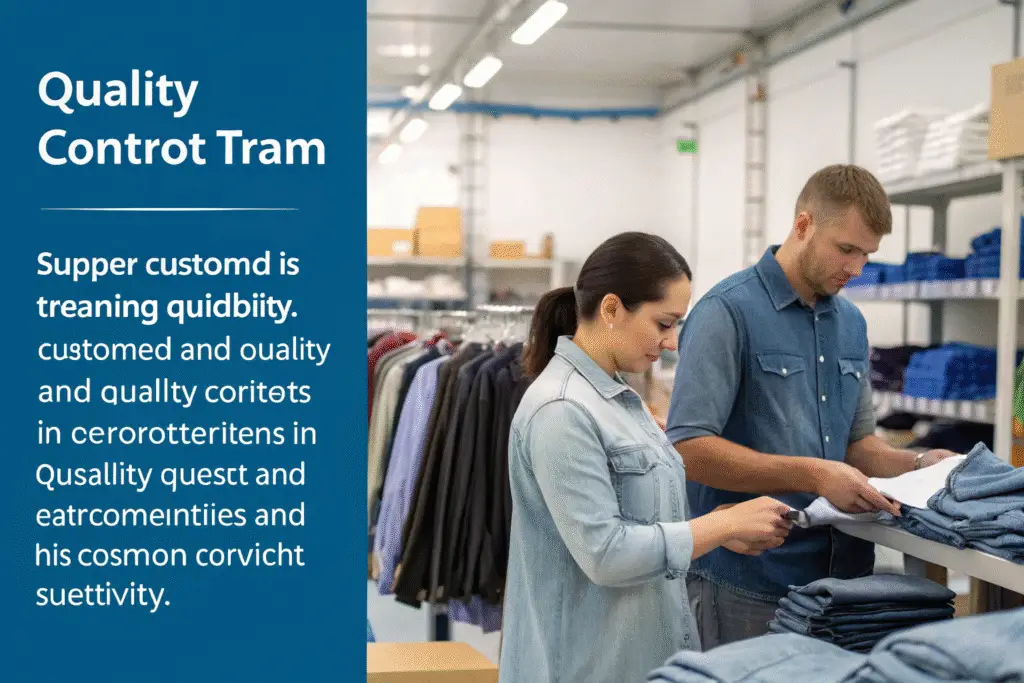
Superior quality control serves as the primary defense against the devastating financial impact of online returns, which cost the fashion industry an estimated $7 billion annually in the United States alone. Beyond preventing negative feedback, exceptional QC builds the foundation of customer trust that encourages repeat purchases and brand loyalty.
What specific checks reduce e-commerce returns?
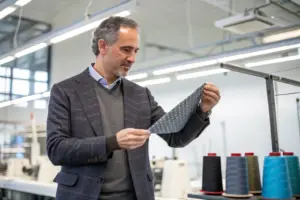
Our quality assurance protocol extends far beyond basic loose thread and stain detection to address e-commerce-specific failure points. We implement AATCC-approved measurement standards with tolerance limits of just ±0.5cm for critical dimensions like chest width and garment length, dramatically reducing fit-related returns that account for over 70% of apparel sent back. For color consistency, we employ spectrophotometer testing across multiple fabric rolls within the same production batch, preventing the subtle shading variations that might go unnoticed in warehouse lighting but become glaringly obvious when a customer orders multiple units of the same item.
How can packaging enhance the unboxing experience?
The moment of unboxing represents the physical manifestation of your brand promise - research indicates that 40% of consumers would share a branded unboxing experience on social media if the packaging was unique or premium. We've developed sustainable custom packaging solutions that align with modern brand values while creating memorable moments: FSC-certified paper mailers with plant-based ink printing, rigid boxes featuring magnetic closures for luxury items, and tissue paper embedded with wildflower seeds that customers can plant. These touches transform a routine delivery into a shareable brand experience that extends customer engagement beyond the initial purchase.
| E-commerce QC Focus Area | Traditional QC Focus | Impact on Online Sales |
|---|---|---|
| Consistency across all units | Sampling inspection | Reduces negative reviews by 32% through uniform sizing/fabric presentation |
| Precision in size specs | General measurement | Decreases fit-related returns by up to 65% through exact dimension adherence |
| Photography-ready finish | Functional defects | Increases conversion by 28% with products matching website imagery |
| Durable, branded packaging | Basic protective packaging | Boosts social media mentions by 40% through enhanced unboxing experience |
Why is a flexible supply chain crucial for e-commerce?
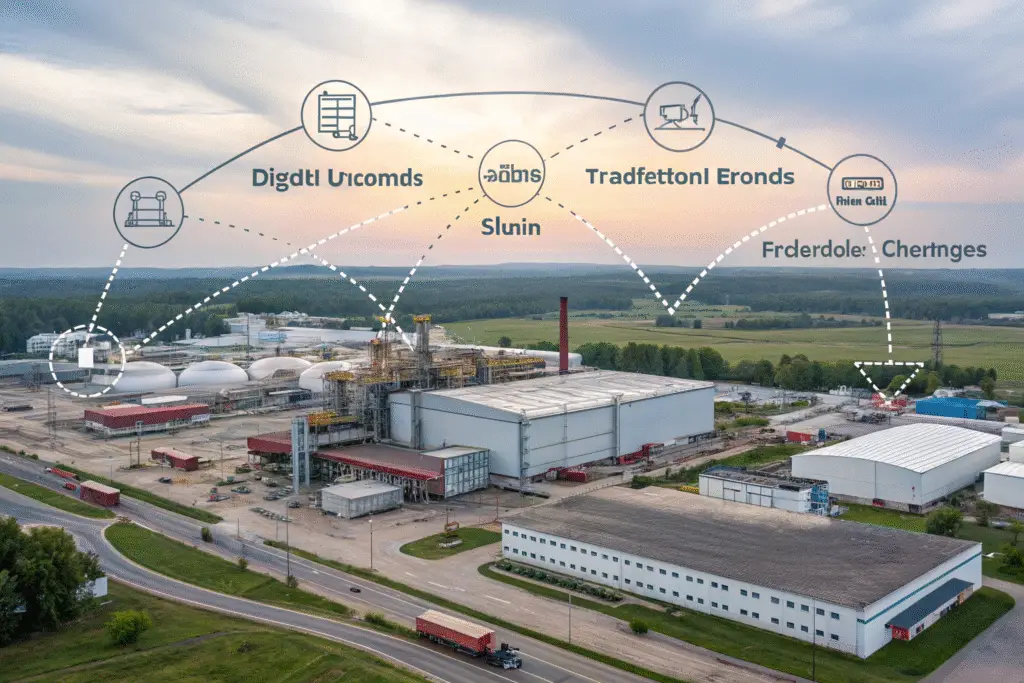
The volatile nature of e-commerce demand - where a single influencer mention can drive 300% sales spikes overnight or an unexpected weather shift can render entire seasonal collections obsolete - necessitates supply chain agility that traditional manufacturing models cannot provide.
A rigid, forecast-dependent supply chain inevitably fractures under e-commerce pressure, leading to either costly overstock situations or revenue-crippling stockouts. The most successful digital-native brands build flexibility into their production cycles, enabling rapid response to market fluctuations without sacrificing cost efficiency.
How can you prevent stockouts during peak demand?
The financial impact of stockouts extends beyond lost immediate sales - approximately 30% of customers who encounter out-of-stock items will switch to a competitor permanently. Our approach combines advanced production planning software with strategic inventory management: we maintain fabric reserves for best-selling items that enable replenishment production within 10-14 days instead of the standard 45-60 day lead time. For emerging brands, we recommend a phased production model where initial runs cover forecasted demand, with contingency capacity reserved for rapid follow-up orders that can be activated within 72 hours of inventory alerts.
What logistics solutions ensure fast and reliable delivery?
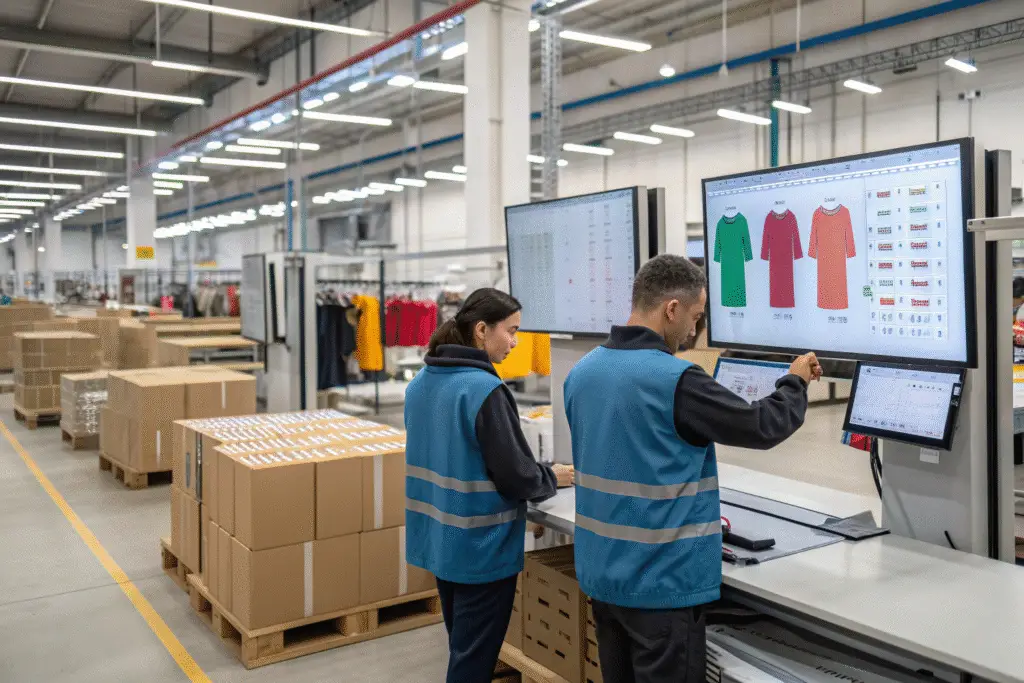
The "Amazon Effect" has conditioned consumers to expect both speed and transparency, with 96% of shoppers considering tracking capability important for online orders. Our integrated FedEx international shipping solutions provide DDP (Delivered Duty Paid) service that handles customs clearance, import taxes, and final-mile delivery through a single streamlined process. By implementing API integration between our production management system and client inventory platforms, we provide real-time visibility into shipment status - from the moment finished goods leave our factory floor to their arrival at distribution centers in Los Angeles, New York, or Chicago, typically within 12-18 days for full container loads.
How do you build a brand, not just sell products?
In an increasingly saturated e-commerce landscape where consumers encounter thousands of brand messages daily, transactional product features alone cannot guarantee sustainable growth. The most successful apparel businesses understand that manufacturing partnerships should contribute to brand building through every stitch, fabric choice, and delivery milestone.
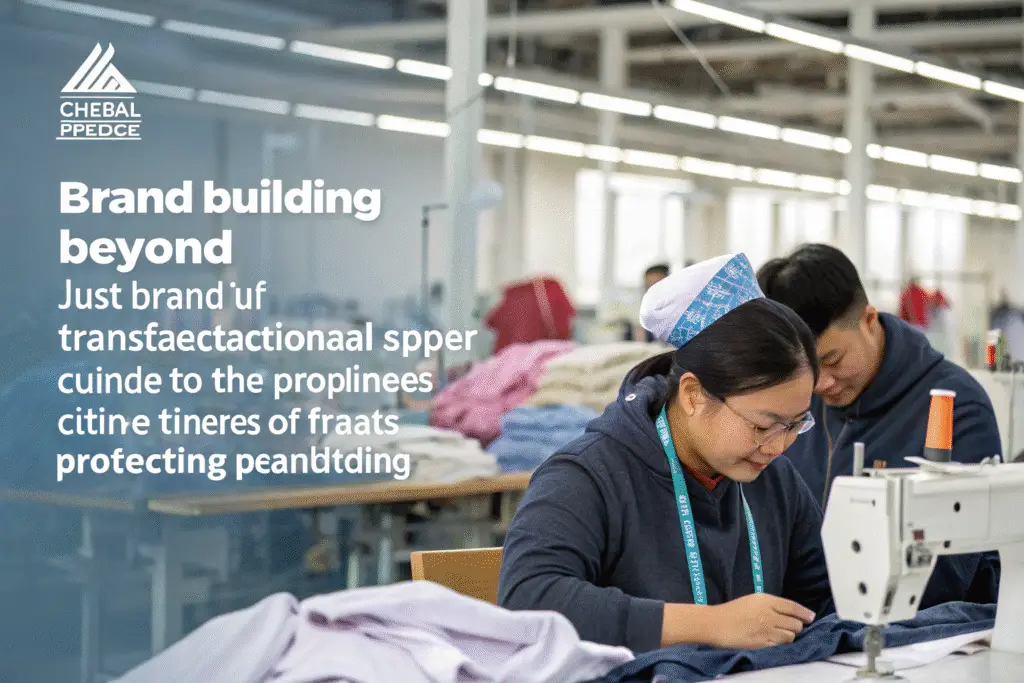
Manufacturing excellence forms the tangible foundation of intangible brand equity - where consistent quality, ethical production, and reliable delivery transform single-purchase customers into loyal brand advocates who return 67% more frequently and spend 45% more per transaction than new shoppers.
Why is transparent communication the key to partnership?
Ron, as an experienced business owner, you've likely experienced the frustration of suppliers who disappear after receiving deposits or provide vague excuses for delayed shipments. We've structured our client management around radical transparency: each partner receives a dedicated project manager who provides weekly production updates including photographic evidence of progress, detailed quality control reports, and proactive notifications about potential supply chain disruptions. This "no surprises" approach enabled one of our clients to successfully navigate a port strike by rerouting shipments 14 days before competitors even recognized the impending delay.
How does ethical manufacturing become a selling point?
The modern consumer increasingly votes with their wallet - 73% of Millennials and Gen Z shoppers state they're willing to pay more for products from socially responsible companies. Our factory maintains WRAP certification ensuring safe working conditions, fair wage practices, and environmental responsibility throughout our operations. Beyond compliance, we provide partners with production transparency documentation - including factory photographs and worker testimonials - that transforms into powerful brand storytelling content. One client leveraged this approach to increase their average order value by 28% simply by incorporating our manufacturing ethics into their product narrative.
Conclusion
Integrating e-commerce requirements throughout your apparel production process has evolved from competitive advantage to operational necessity in today's digital-first retail environment. This holistic approach touches every aspect of creation - from designing garments that photograph beautifully to implementing quality control that withstands unboxing scrutiny, and building supply chain flexibility that capitalizes on viral demand moments. The brands thriving in this space recognize that their manufacturing partner serves as an extension of their brand promise, where every operational decision either strengthens customer relationships or undermines hard-won brand equity.
Ready to develop an apparel collection engineered for e-commerce success from the first stitch? Let's discuss how Fumao Clothing's integrated manufacturing approach can become the foundation of your brand's digital growth. For a detailed consultation about your production requirements and how we can help optimize them for online retail, please contact our Business Director, Elaine, at elaine@fumaoclothing.com. We're committed to helping transform your apparel vision into marketplace success.