When sourcing from China, one unpredictable factor that can significantly impact your profit margins is currency fluctuation. For U.S. apparel importers like Ron, a sudden swing in the USD/RMB exchange rate can mean thousands of dollars in unexpected costs—or savings lost.
Handling currency fluctuations effectively requires proactive strategies—from price agreements to payment timing, hedging tools, and supplier partnerships that offer flexibility.
If your business relies on stable landed costs and consistent pricing, ignoring currency risks isn’t an option. In this guide, I’ll explain how experienced importers protect their bottom line and how we as a Chinese clothing manufacturer support them every step of the way.
What Causes Exchange Rate Volatility in the USD/RMB Market?
Currency movements may seem abstract—but they’re often driven by predictable economic and political forces.
Understanding the factors behind RMB movements helps importers plan and negotiate better when buying from Chinese factories.
How Do U.S. and Chinese Economic Policies Affect Rates?
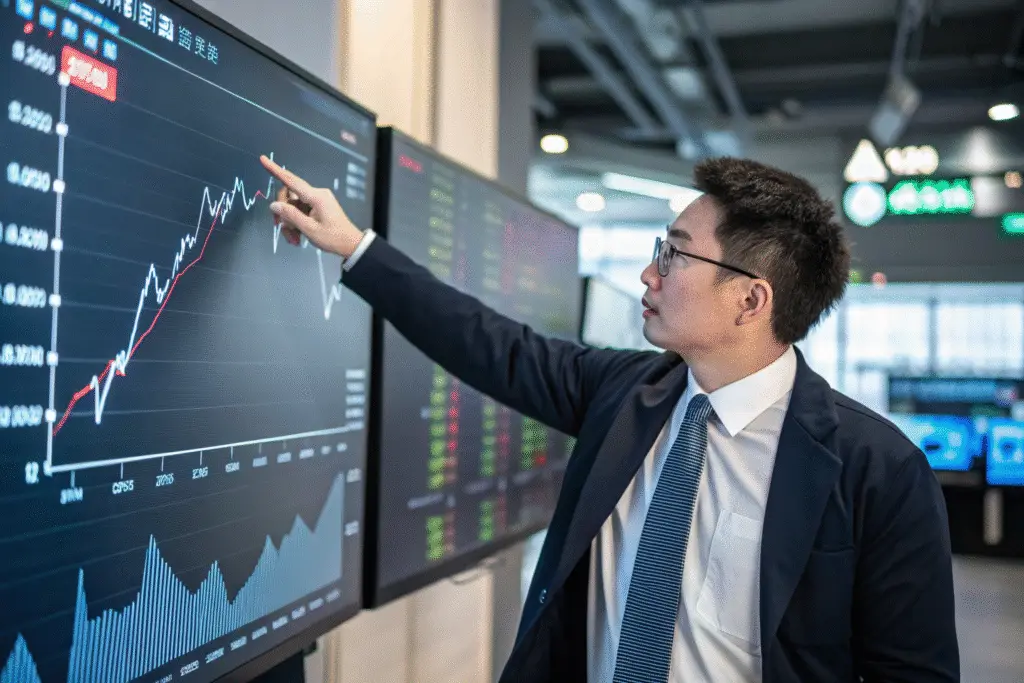
The USD/RMB exchange rate is influenced by central bank interest rate changes, U.S. inflation data, Chinese export volumes, and broader macroeconomic policies. When the U.S. Federal Reserve hikes rates, the dollar strengthens. Conversely, when China eases capital controls or supports export incentives, the yuan may weaken.
Reuters frequently reports on how policy shifts from either country shake up the currency market. Staying updated helps importers anticipate changes and time large payments strategically.
For example, during the COVID-19 recovery, the yuan strengthened by 7% against the dollar—making Chinese goods more expensive. Platforms like XE offer long-term historical exchange charts for planning.
Why Are Apparel Importers Especially Vulnerable?
Garment orders often involve long lead times: 30-90 days for production, plus weeks in shipping. That gap between deposit and final balance payment creates exposure. If a rate shifts significantly, your landed cost may increase even if the unit price hasn’t changed.
In many cases, buyers quote retail pricing based on initial factory quotes. A sudden 4% currency drop wipes out net profit—unless properly managed.
What Are the Best Practices for Pricing and Payment Terms?
Preventing losses starts with how you set up pricing agreements and payment schedules with your supplier.
Smart contract terms and transparent communication allow you to stabilize pricing even in a volatile currency environment.

Should You Negotiate in USD or RMB?
At Fumao Clothing, we offer both USD and RMB quotes. Most U.S. buyers prefer USD to reduce complexity, but RMB pricing often results in better factory rates. However, paying in RMB exposes buyers to rate changes during production.
Some seasoned buyers use RMB quotes for big orders and hedge currency externally. Others stick to USD and request “exchange-neutral” pricing for 30–60 days. According to Alibaba’s payment guide, USD quotes are generally safer for short production runs.
For high-volume, multi-month campaigns, locking rates in RMB and using a payment service like OFX or Wise to convert currency in advance may offer savings.
How Can You Structure Payments to Reduce Exposure?
We recommend splitting payments to reduce risk. A typical model:
- 30% deposit at contract (locks in commitment)
- 70% balance after QC but before shipping
This lets you delay your main exposure until closer to delivery, giving you time to monitor rates. Some of our buyers also use a rolling payment buffer—agreeing to pay the final balance within ±1.5% of the original FX rate.
That kind of rate buffer needs to be written into your terms clearly. Templates from Trade Finance Global show how to include FX fluctuation clauses.
Can Currency Hedging Help Apparel Buyers Stay Profitable?
Currency hedging may sound like something only for big corporations—but in reality, even SME apparel brands can use simple tools.
Forward contracts and digital FX platforms allow you to lock exchange rates or automate purchases to reduce uncertainty.

What Hedging Options Are Available for Small Importers?
Buyers like Ron can use services like Kantox, Western Union Business, or Airwallex to lock in currency rates up to 90 days in advance. These platforms offer contracts where you convert USD to RMB at a fixed rate for a future date—eliminating guesswork.
For larger buyers, their bank can offer customized FX forwards. If you regularly order $50,000+ in goods, that predictability can be worth it.
Some platforms, like Payoneer, also offer auto-conversion based on daily rate thresholds you set, limiting downside risk.
Is It Worth Paying More for a Fixed-Rate Contract?
Sometimes, yes. Fixed exchange pricing typically comes with a premium (e.g., 1–2% above spot), but it allows stable pricing for forecasting. Especially for apparel resellers who pre-sell to retailers or eCommerce stores, that certainty can protect your entire season.
We work with clients who choose fixed-rate pricing for all prebooked orders—especially around peak sourcing months, when FX volatility spikes.
How Can Chinese Suppliers Help Mitigate Currency Risk?
Working with a transparent, experienced factory can make a big difference when navigating FX challenges.
A strong supplier relationship allows flexibility in pricing, clear timelines, and joint planning for currency-sensitive orders.
Can Factories Offer Exchange Rate Protection?
Yes—many factories, including ours, offer short-term price validity periods (e.g., 15–30 days). For repeat clients, we may also split risk if the exchange rate swings more than 3% between deposit and final payment.
Some manufacturers accept USD pricing but hedge on their end to maintain profitability—passing stability on to buyers. Others offer a multi-currency pricing sheet, allowing buyers to compare USD vs. RMB rates monthly.
ImportYeti even recommends asking potential suppliers about their currency flexibility during vendor selection.
How Does Fumao Clothing Support Buyers Against FX Risk?
We support flexible payment terms, offer price validity windows, and notify buyers when major RMB shifts are expected due to known events (like National Congress or Fed announcements).
We’ve also partnered with banks and fintechs to help clients lock in favorable exchange rates through pre-funding or rolling settlements. Our sales team proactively tracks CNH and CNY movement to guide clients on timing.
When sourcing at scale, having a partner that understands your currency exposure is just as important as price and lead time.
Conclusion
Currency fluctuation is a reality of international trade—but it doesn’t have to derail your sourcing strategy. With the right tools, smart payment terms, and a factory partner who understands FX dynamics, you can minimize risk and protect your profits.
At Fumao Clothing, we work closely with U.S. buyers to offer pricing stability, transparent quotes, and expert advice. Whether you're a seasoned importer or just starting out, handling currency volatility is part of building a resilient and profitable apparel business.