Starting a clothing manufacturing business can be overwhelming. You need to consider location, production processes, and business structures. Without a clear plan, it’s easy to get lost in the complexities of the industry.
The key to success is understanding the fundamentals. Choosing the right manufacturing location, learning the production steps, and setting up an efficient supply chain are crucial. By mastering these elements, you can build a thriving clothing business.
Understanding how to break into the industry step by step will save time, money, and effort. Let’s explore the essential aspects of launching a clothing manufacturing business.
Where is the best place to manufacture clothing?
Choosing the wrong location for clothing manufacturing can lead to high costs, poor quality, and logistical issues. Many factors, such as labor costs, infrastructure, and supplier networks, determine the ideal place to set up production.
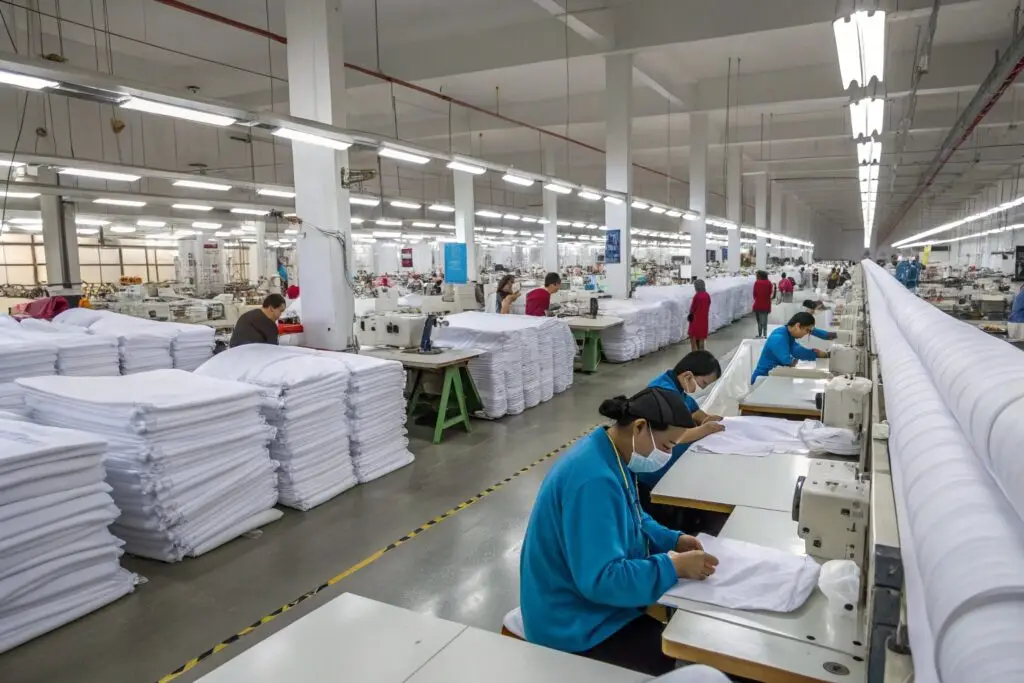
The best location for clothing manufacturing depends on budget, target market, and production needs. Countries like China, Vietnam, and India offer cost-effective solutions with skilled labor. For high-end or sustainable manufacturing, European countries may be a better choice.
What factors should you consider when choosing a manufacturing location?
The decision on where to manufacture depends on several factors, including cost, quality, and efficiency. Here’s a breakdown of key aspects:
| Factor | Importance | Considerations |
|---|---|---|
| Labor Costs1 | High | Lower costs in Asia; higher in the U.S. and Europe |
| Quality Standards2 | High | Europe and the U.S. have strict quality controls |
| Infrastructure | Medium | Ports, roads, and supply chain networks matter |
| Regulations & Tariffs3 | High | Import/export duties vary by country |
| Production Capacity | High | Some regions specialize in bulk production |
Sourcing from the right location can ensure better pricing, higher quality, and smoother logistics. It’s essential to research and weigh the pros and cons before making a decision.
What is the first step in garment production?
Many new clothing manufacturers struggle because they don’t start with a clear production plan. Without a structured approach, delays, cost overruns, and quality issues can arise.
The first step in garment production is designing and prototyping. This includes creating sketches, selecting materials, and making samples. These initial stages help define the final product before mass production.

How do you create a solid production plan?
A structured production plan helps avoid costly mistakes. Here’s a breakdown of essential steps:
- Concept Development – Define the style, fabric, and target audience.
- Sketching & Designing – Create detailed drawings and specifications.
- Pattern Making4 – Develop the blueprint for cutting fabrics.
- Sampling & Testing5 – Produce a prototype to check quality and fit.
- Finalizing Materials & Suppliers – Secure raw materials and reliable vendors.
- Production Scheduling6 – Set timelines for manufacturing and delivery.
A well-structured plan ensures a smoother production process and helps maintain quality standards.
What is a clothing manufacturing company?
Many people confuse clothing brands with clothing manufacturers. While a brand focuses on marketing and sales, a manufacturer handles the actual production process.
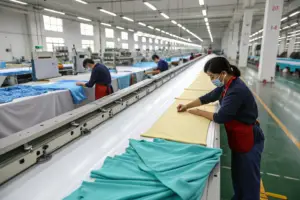
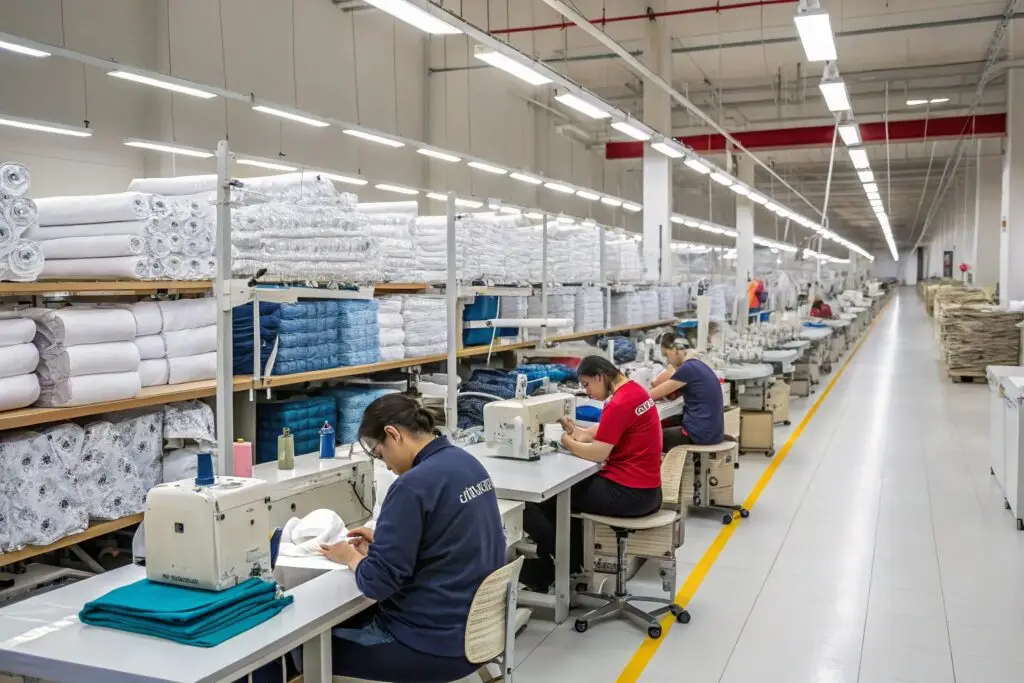
A clothing manufacturing company specializes in producing garments at scale. It manages fabric sourcing, cutting, sewing, finishing, and packaging to deliver final products to brands or retailers.
How do manufacturers and brands differ?
Understanding the difference between manufacturers and brands is crucial:
| Feature | Clothing Manufacturer7 | Clothing Brand8 |
|---|---|---|
| Main Focus | Production & Supply | Marketing & Sales |
| Operations | Fabric sourcing, cutting, sewing | Branding, retail, advertising |
| Ownership | Owns factories & equipment | May outsource production |
| Target Clients | Brands, wholesalers | End consumers |
Many brands rely on manufacturers to produce high-quality clothing9 efficiently. Partnering with a reliable manufacturer is essential for success.
What is the process of making clothes called?
Understanding the clothing production process helps ensure efficiency and quality control. Many businesses fail due to poor planning and execution in manufacturing.
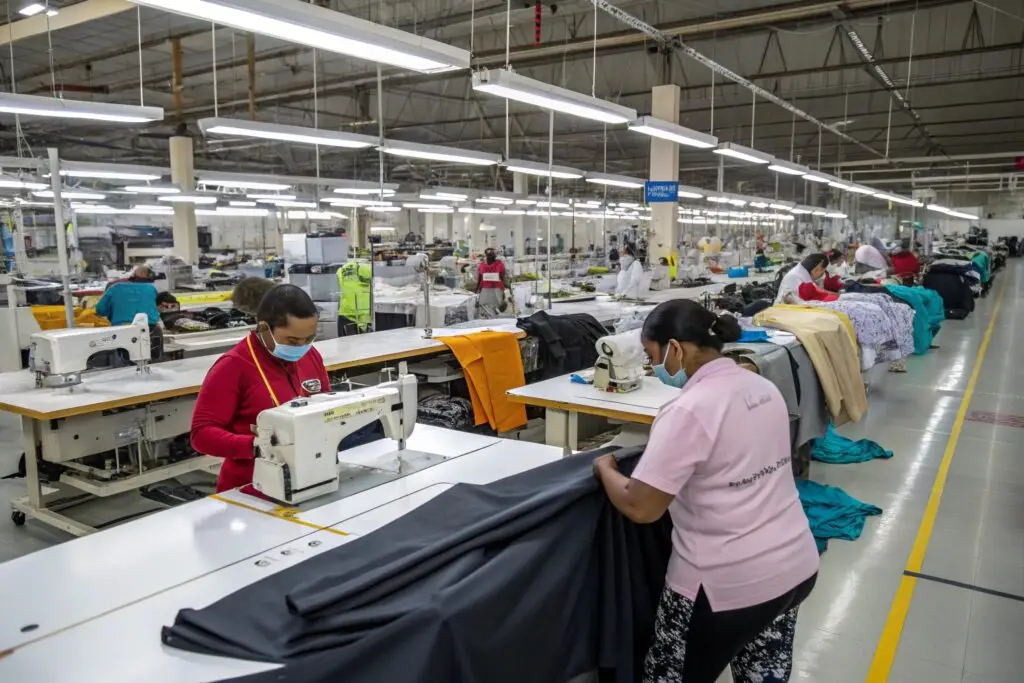
The process of making clothes is called garment production. It involves multiple stages, from fabric selection to final packaging, ensuring high-quality output.
What are the key steps in garment production?
The garment production process consists of several crucial stages:
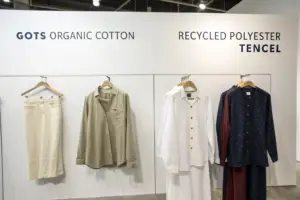
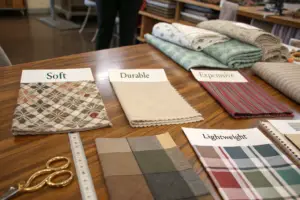
- Fabric Selection10 – Choosing the right material for durability and comfort.
- Pattern Making – Creating templates for cutting fabric pieces accurately.
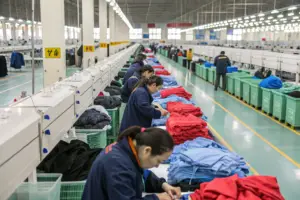
- Cutting & Sewing – Transforming fabric into garments through precise stitching.
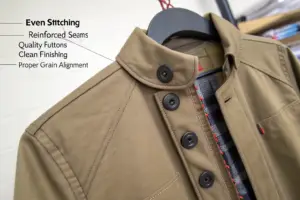
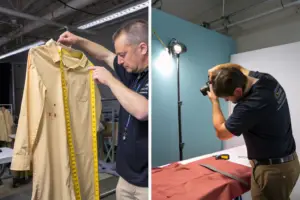
- Quality Control11 – Inspecting for defects to maintain consistency.
- Finishing & Packaging12 – Ironing, labeling, and preparing garments for shipment.
A streamlined production process ensures timely delivery and high-quality clothing for customers.
Conclusion
Starting a clothing manufacturing business requires careful planning. Choosing the right location, understanding production steps, and working with reliable manufacturers are key to success. By following these guidelines, you can build a profitable and sustainable clothing business.
- Understanding labor costs is crucial for optimizing production expenses and maximizing profit margins. Explore this link for detailed insights. ↩
- Quality standards can significantly impact product reliability and customer satisfaction. Discover more about these differences to make informed decisions. ↩
- Navigating regulations and tariffs is vital for cost-effective manufacturing. Learn more to avoid unexpected expenses and delays. ↩
- Learning about pattern making can provide insights into the foundation of garment design and production accuracy. ↩
- Exploring the significance of sampling and testing can help ensure product quality and customer satisfaction. ↩
- Understanding best practices in production scheduling can enhance efficiency and reduce delays in your production process. ↩
- Explore this link to understand the role of clothing manufacturers in the fashion industry and their importance in production. ↩
- Discover insights into how clothing brands market their products and connect with consumers effectively. ↩
- Learn about the best practices for producing high-quality clothing and the standards involved in the manufacturing process. ↩
- Understanding fabric selection is essential for creating durable and comfortable garments. Explore this link to enhance your knowledge. ↩
- Quality control is vital for maintaining high standards in garment production. Discover insights on its importance and methods. ↩
- Effective finishing and packaging can elevate the presentation of garments. Learn the best techniques to impress customers. ↩