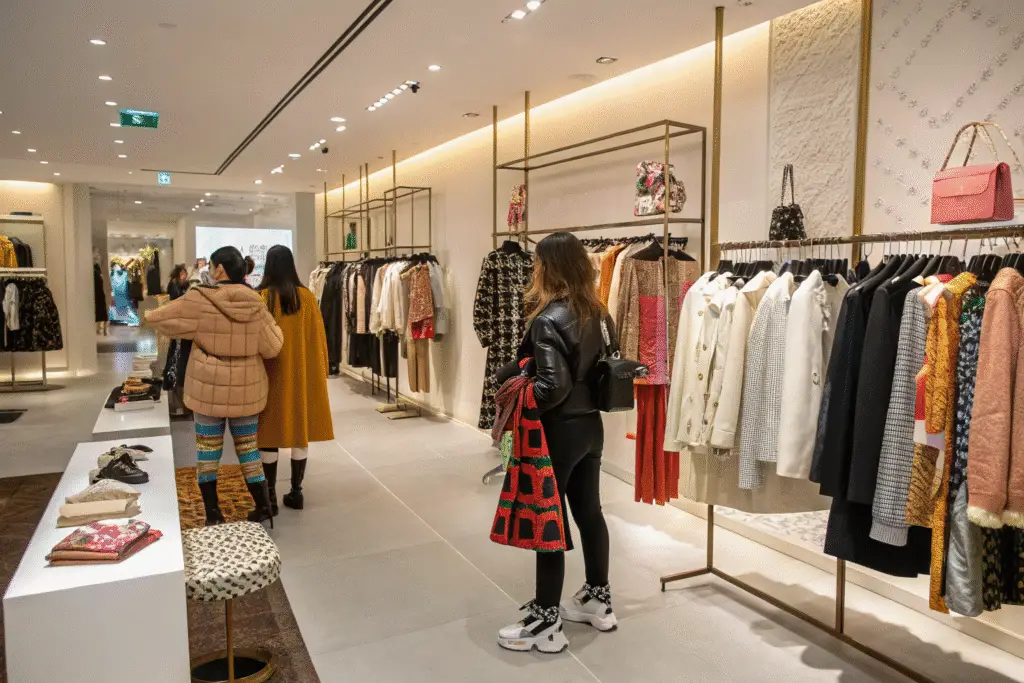
Standing out in today's fashion market isn't just a creative goal—it's a necessity. If you're running a boutique clothing brand, the pressure to offer garments that aren't available on every rack or in every Instagram ad is real. Yet finding those unique and rare styles that reflect your brand identity, appeal to your niche audience, and differentiate you from mass-market sellers can feel like searching for a needle in a haystack.
To discover unique and rare clothing styles for your boutique brand, explore niche suppliers, attend regional tradeshows, collaborate with independent designers, and monitor emerging cultural trends through specialized fashion platforms and local markets.
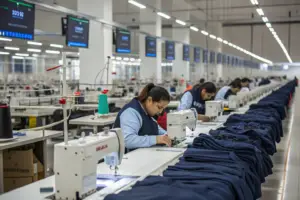
As the owner of a garment manufacturing business based in China, I’ve worked with boutique founders like Ron—U.S.-based, bold decision-makers who know fashion but want a partner who understands sourcing mechanics. In this article, I’ll break down proven ways to access rare style gems that elevate your boutique’s value proposition.
Where Can You Discover Authentic Regional Styles?
Boutique owners looking for originality should start by tapping into the wealth of traditional designs rooted in local culture. Regional styles from India, Africa, China, and Latin America offer patterns, techniques, and silhouettes unseen in mainstream Western fashion.
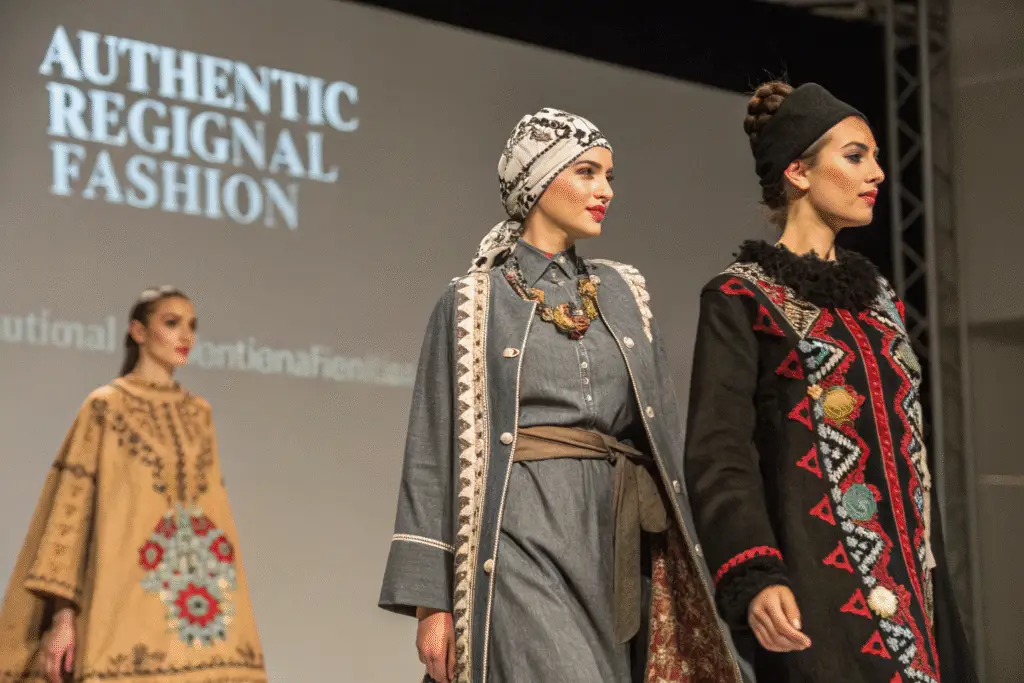
Authentic regional fashion is a goldmine for boutique brands seeking one-of-a-kind aesthetics. These styles tell stories and carry generational craftsmanship that mass producers can’t replicate.
What Types of Regional Fashion Offer Unique Looks?
Styles like Japanese boro patchwork, Peruvian handwoven alpaca coats, or Indonesian batik offer depth, color, and cultural storytelling. Whether it's Chinese Hanfu-inspired modern dresses or West African wax prints, these garments can form the soul of your collection.
We’ve helped boutique clients import textiles from Guizhou minority villages in China to create limited runs of embroidered coats. The same is possible with Moroccan kaftans or Indian Bandhani dresses—if you know where to look.
How to Source These Styles Responsibly?
Sourcing rare cultural garments requires respect. Partner with ethical artisan cooperatives or certified fair-trade suppliers. If you're not familiar with local sourcing networks, work with a regional sourcing agent or a factory like ours with global supplier links. Request origin verification and design usage rights where necessary.
Are Small-Batch Designers Worth Collaborating With?
Independent designers are often overlooked sourcing partners for boutique brands. Yet they are a rich source of innovative ideas, sustainable practices, and limited-edition designs you can’t find through wholesale platforms.
Collaborating with indie designers helps boutique owners co-create capsule collections that are entirely original and tailor-made for niche customers.

How Can You Find Small-Scale Designers?
Use platforms like Not Just a Label or Showroom to find emerging designers. LinkedIn design communities and fashion forums also host creative talents willing to collaborate.
Another option: scout local design colleges like FIT or Parsons in New York. Many students produce concept collections that are bold, daring, and not yet commercialized.
How to Structure Win-Win Collaborations?
When approaching a designer, offer co-branding or limited-run agreements. Ensure that intellectual property is well-defined in writing. We’ve facilitated OEM manufacturing for designer boutiques where our factory handles the production, and the design remains exclusive to that brand.
Joint marketing, like limited drops with behind-the-scenes design stories, also creates buzz among boutique followers.
What Role Do Fabric Markets and Raw Textile Hunts Play?
The core of every unique garment is the fabric itself. For boutique brands, sourcing exclusive textiles is a strategic move to create never-before-seen apparel—even from classic silhouettes.
Fabric sourcing in markets and trade hubs unlocks endless customization opportunities, especially if you're producing in small batches and want total control.
Where Are the Best Markets for Rare Fabrics?
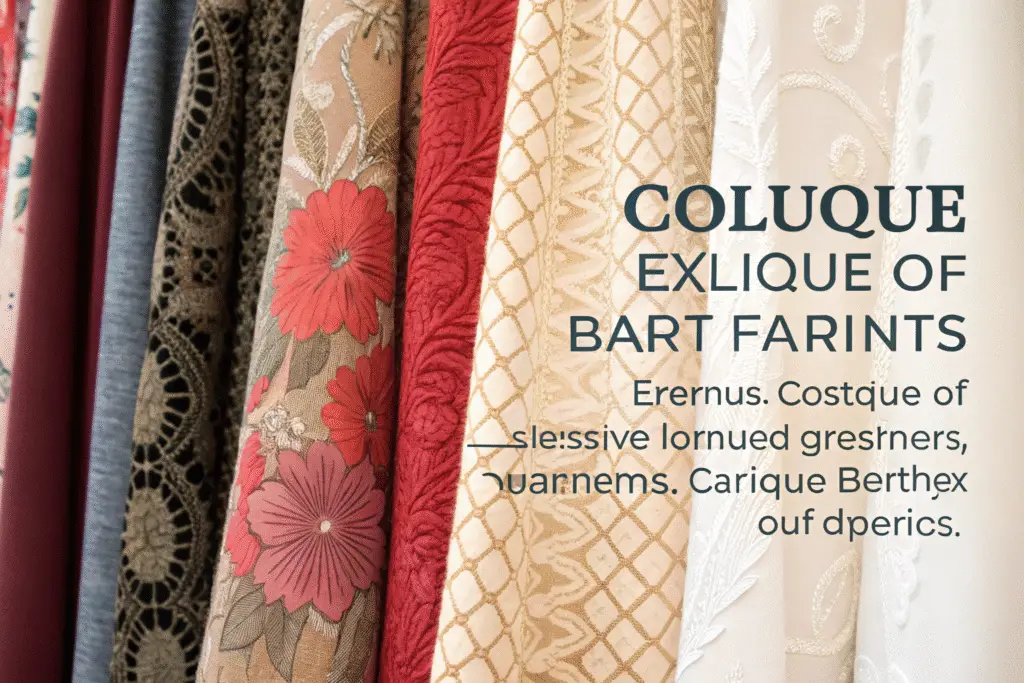
Markets like Keqiao Textile Market in China, the Prato District in Italy, or Crawford Market in India stock vintage, limited-run, or artisanal fabrics. You’ll find everything from eco-dyed hemp knits to lace handwoven by local cooperatives.
We once had a client who built a loungewear brand around a batch of rare bamboo-cotton fleece discovered in an overstock textile warehouse in Guangzhou. These finds can't be repeated—and that's their value.
How to Turn Fabric Finds Into Branded Collections?
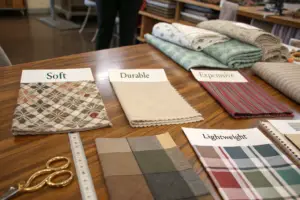
Once you find the right fabric, request yardage samples, check for colorfastness and wearability, and build 3-5 sample designs. Our product development team supports boutique clients in turning “raw textile dreams” into technical packs, and then into full runs of 100–300 pieces per SKU.
To protect your exclusivity, inquire about stock volume and ask for hold agreements where possible.
How Do Digital Fashion Platforms Help Spot Rare Trends?
Data is your best friend when trying to get ahead of fashion trends. Today’s AI-powered trend platforms help boutique owners discover rare emerging styles months before they hit mainstream awareness.
Digital tools offer boutique brands a radar into micro-trends and obscure aesthetic movements that may never be featured on mass-market runways.

Which Platforms Should You Monitor?
Sites like WGSN, Heuritech, and Google Trends are key. Pinterest Predicts and niche Reddit fashion communities also serve as underrated insight engines.
Look for rising search terms like “romantic gothic blouse,” “dystopian tailoring,” or “post-Soviet punk.” These often correlate with aesthetic waves surfacing from underground or cultural crossover scenes.
How to Turn Data Into Product Decisions?
Use the insights to brief your design team or factory. Share references and vibe boards instead of generic cut sheets. Our development team helps clients prototype low-MOQ runs based on trend alerts. This flexibility enables fast test launches—perfect for boutiques that thrive on constant renewal.
Conclusion
If you want your boutique brand to thrive, offering rare and distinctive styles is non-negotiable. The best approach combines cultural sourcing, designer collaboration, custom textile selection, and digital forecasting.
Over the years, we’ve helped boutique clients navigate every one of these paths. From sourcing Himalayan wool jackets to developing Afro-boho summer collections, we’ve seen how originality drives loyalty. And it doesn’t have to mean high risk—just smart sourcing.
Let’s talk if you’re ready to break away from the ordinary and build a brand with soul, story, and standout style.