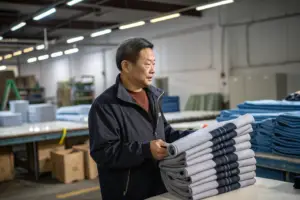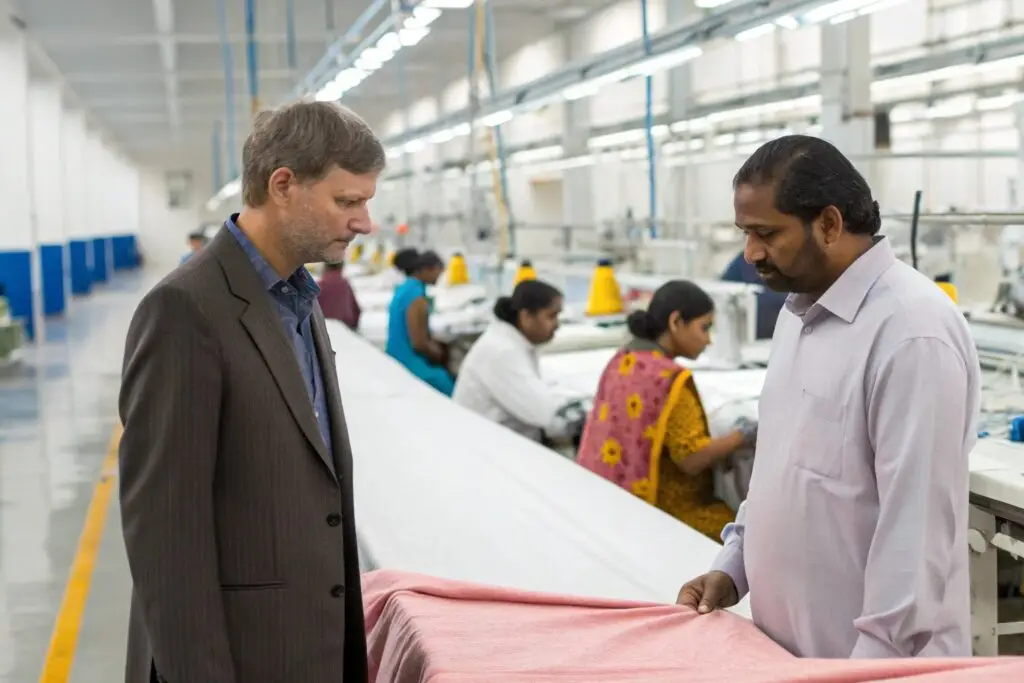
If you’re sourcing clothing from India, you’ve probably struggled with finding a reliable manufacturer who matches your quality standards and timeline.
To find the top Indian manufacturers of clothing, you need to know where to look, what to verify, and how to manage communication, payment, and logistics effectively.
Finding great Indian suppliers isn't just about the lowest price. It’s about finding the right fit for your business goals, timelines, and quality expectations. Let’s explore how to make that happen.
How to find a manufacturer for clothing in India?
Many buyers waste time dealing with middlemen and unverified factories. This causes delays, miscommunication, and poor-quality samples.
To find a clothing manufacturer in India, start by attending major trade shows, using verified sourcing platforms, and reaching out directly through official websites and email. Always check certifications and visit the factory if possible.
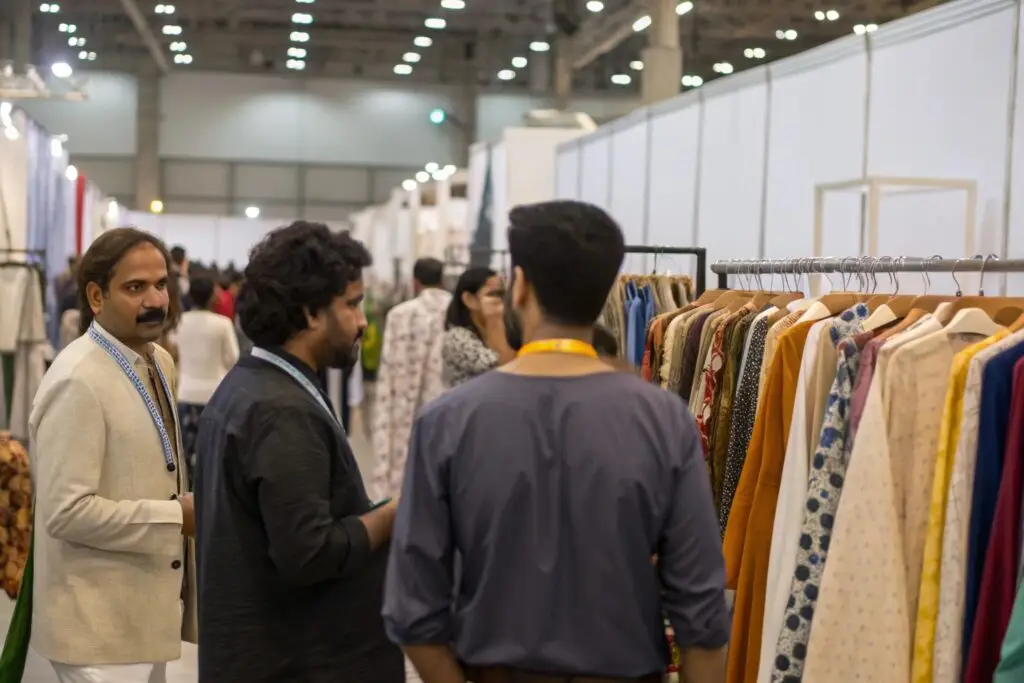
Which online platforms are reliable?
Start with trusted platforms like IndiaMART1, Fibre2Fashion2, TradeIndia3, and even Google Maps listings. These can help you locate actual factories and not just trading companies.
Here’s how I usually validate the manufacturer:
- Look for a complete business profile
- Check their GST number or company registration
- Ask for factory photos or videos
- Request at least 3 recent references from overseas clients
- Confirm the production capacity and lead time
| Platform | Factory Info Provided | Buyer Reviews | Direct Contact |
|---|---|---|---|
| IndiaMART | Yes | Yes | Yes |
| Fibre2Fashion | Yes | Limited | Yes |
| TradeIndia | Yes | Yes | Yes |
| Alibaba (IN) | Yes | Yes | Yes |
I also use LinkedIn to cross-check company staff and see if they actually work in manufacturing. A quick video call showing the factory floor can be the deciding factor before I even ask for a sample.
How to avoid middlemen?
To avoid middlemen, I use this checklist:
- Ask for pictures of the factory equipment, sewing lines, and cutting tables
- Ask them to list their in-house capabilities
- Check if the email address uses a company domain (e.g., info@xyztextiles.com)
- Call the number listed on the company registration—middlemen rarely have landlines
- Request certifications like ISO, Sedex, or GOTS; real factories usually have them
Many trading companies act like manufacturers, but when you push for production videos or timelines, they can’t deliver specifics. That’s a red flag. I also sometimes request a live WhatsApp video tour. It’s fast and gives instant clarity.
Who is the biggest clothing manufacturer in India?
The Indian garment industry is huge, with thousands of factories across states like Tamil Nadu, Karnataka, and Gujarat.
Shahi Exports is considered the biggest clothing manufacturer in India. They serve major global brands and operate dozens of large-scale production facilities across the country.
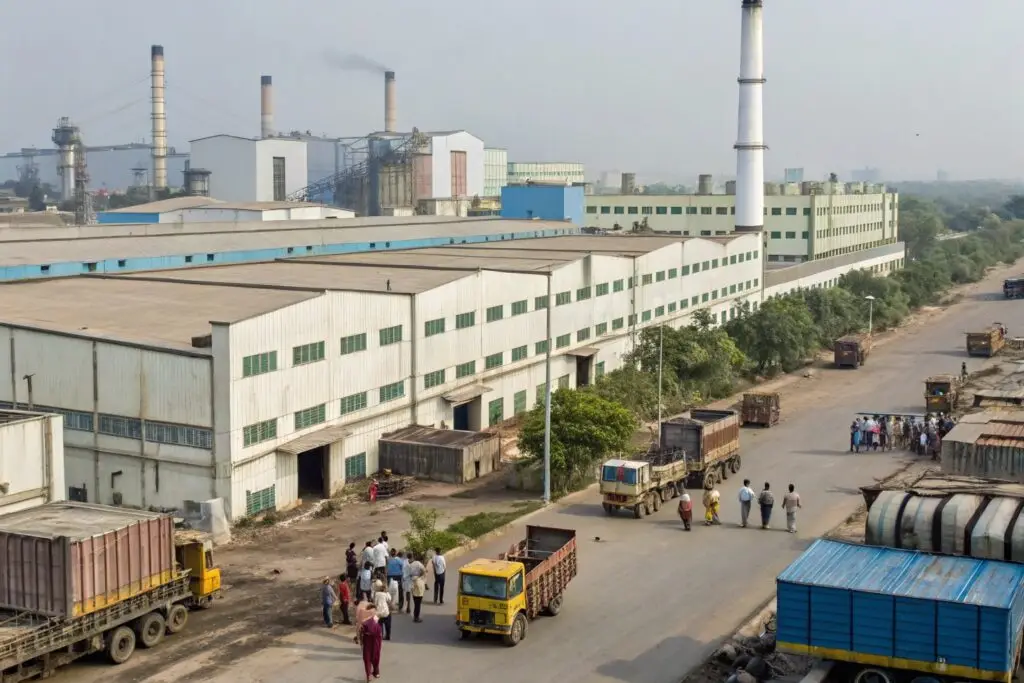
Why is Shahi ExportsShahi Exports4 the biggest?
Shahi Exports started in 1974 and now employs over 100,000 workers. They offer a complete vertical setup—from spinning to stitching to shipping. Their clients include Gap, H&M, and Walmart.
Key factors behind their dominance:
- In-house design and R&D teams
- Certifications like WRAP, SA8000, and ISO
- Large daily output (over 500,000 pieces)
- Long-term contracts with Tier-1 buyers
| Feature | Shahi Exports | Small Factory |
|---|---|---|
| Daily Output | 500K+ pcs | 5K–50K pcs |
| Certifications | Global | Limited |
| MOQ | High | Flexible |
| Customization | Limited | High |
| Speed to Market | Fast | Medium |
While Shahi and similar firms are great for huge brands, they don’t offer flexibility for smaller businesses. I tried reaching out once, but their minimums were way too high for my needs. Smaller factories in Tiruppur or Noida turned out to be a better fit.
What other large factories exist?
Here are a few major names you should know:
- Raymond Ltd – Strong in suiting fabrics and formalwear
- Arvind Limited – Works with Levi’s and Tommy Hilfiger
- Gokaldas Exports – Based in Bangalore, produces for top U.S. retailers
- KPR Mill – Vertical mill based in Tamil Nadu
- Pearl Global – Known for fast fashion production
If you're a smaller brand or buyer, these names are still useful—for benchmarking, understanding production quality, or even negotiating with your mid-size supplier.
How to buy clothes directly from manufacturers in India?
Buying directly from manufacturers sounds simple but involves a lot of steps. One mistake can delay your entire season.
To buy directly, you need to contact the factory, confirm the MOQ, get a tech pack ready, negotiate terms, and manage shipping and payment method efficiently.

What’s the full buying process?
Here’s my personal checklist:
- Shortlist 3–5 factories
- Send them a detailed tech pack or sample
- Request a quote, MOQ, and lead time
- Order a sample (paid)
- Negotiate payment terms (I prefer 30% deposit, 70% before shipping)
- Place PO after approving sample
- Book QC inspection during production
- Arrange DDP shipping if possible
How to reduce risks?
I recommend using bank transfers5 only after confirming company registration and sample approval. Use third-party QC firms6 like SGS or Intertek for inspections.
Shipping Tip: Ask if the supplier can handle DDP (Delivered Duty Paid)7. It simplifies customs and delivery.
| Step | Risk | How to Manage |
|---|---|---|
| Sample Approval | Wrong product | Video + physical sample |
| Payment | Scam risk | Use secured terms |
| Logistics | Delay, customs | Ask for DDP or 3PL option |
| Certification | Fake docs | Verify with QR/barcode |
Once I learned to manage all these steps, my Indian suppliers became more predictable and reliable than expected. It’s all about setting clear terms from day one.
What clothing brand is made in India?
Many buyers assume that only cheap, unbranded clothes come from India. That’s not true anymore.
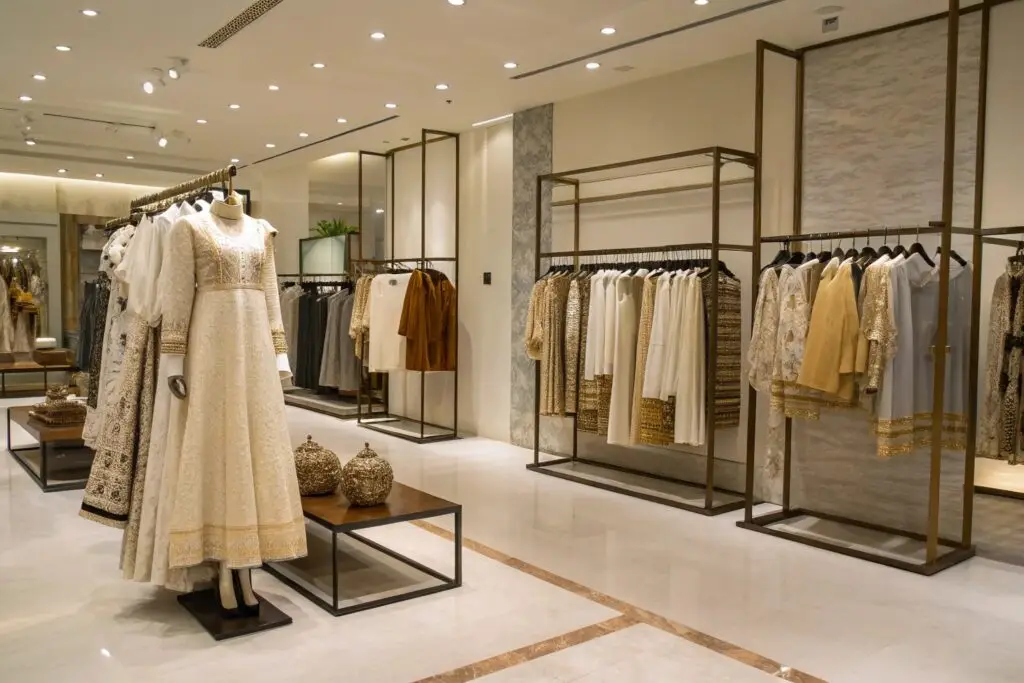
Several high-quality clothing brands are made in India, including FabIndia, BIBA, AND, Allen Solly, and W. These brands export or sell in premium segments.
What Indian brands are well known?
Here are some well-known Indian brands:
- FabIndia – Handloom and ethnic styles
- BIBA – Women’s ethnic fashion
- AND – Western-style casualwear
- W for Woman – Indo-western women’s wear
- Allen Solly – Owned by Aditya Birla, great for business casuals
Some global brands also manufacture in India:
- Zara (limited items)
- H&M (via Shahi Exports)
- Gap
- Tommy Hilfiger
- Old Navy
If these brands trust Indian factories, it tells you something about the country’s capabilities. The key is working with factories that already produce for these labels. Their systems are more refined.
Why should you care about Indian brands?
Many Indian factories that produce for big brands offer private label services8. This means they can also produce for you—with your logo, tags, and packaging.
Advantages include:
- Access to global-quality manufacturing9
- Transparent compliance and certifications10
- Competitive pricing with fewer middlemen
- Fabric variety, from cotton to viscose
I once worked with a factory that made for both BIBA and a German brand. They offered me similar quality at half the price I was paying in Vietnam. That’s the power of knowing where to look.
Conclusion
Finding top Indian clothing manufacturers isn’t about luck—it’s about knowing where to look, asking the right questions, and managing the process clearly. Once you do, the quality and value can be game-changing.
-
Explore IndiaMART to discover a vast network of verified Indian clothing manufacturers, ensuring you connect with genuine suppliers. ↩
-
Fibre2Fashion offers a reliable platform for finding verified manufacturers, enhancing your sourcing experience with trusted connections. ↩
-
TradeIndia is a valuable resource for sourcing authentic Indian clothing manufacturers, providing insights and reviews to ensure quality connections. ↩
-
Explore this link to understand the unique strategies and strengths that position Shahi Exports at the forefront of the garment industry. ↩
-
Learn about the risks and best practices for using bank transfers to ensure secure transactions with overseas suppliers. ↩
-
Explore reputable QC firms to ensure product quality and reliability before shipment, reducing your risk significantly. ↩
-
Understanding DDP can help you simplify customs and delivery processes, making your shipping experience smoother. ↩
-
Understanding private label services can help you leverage quality manufacturing for your brand at competitive prices. ↩
-
Exploring global-quality manufacturing can enhance your knowledge of sourcing high-standard products for your business. ↩
-
Learning about compliance and certifications ensures you choose suppliers that meet industry standards and ethical practices. ↩