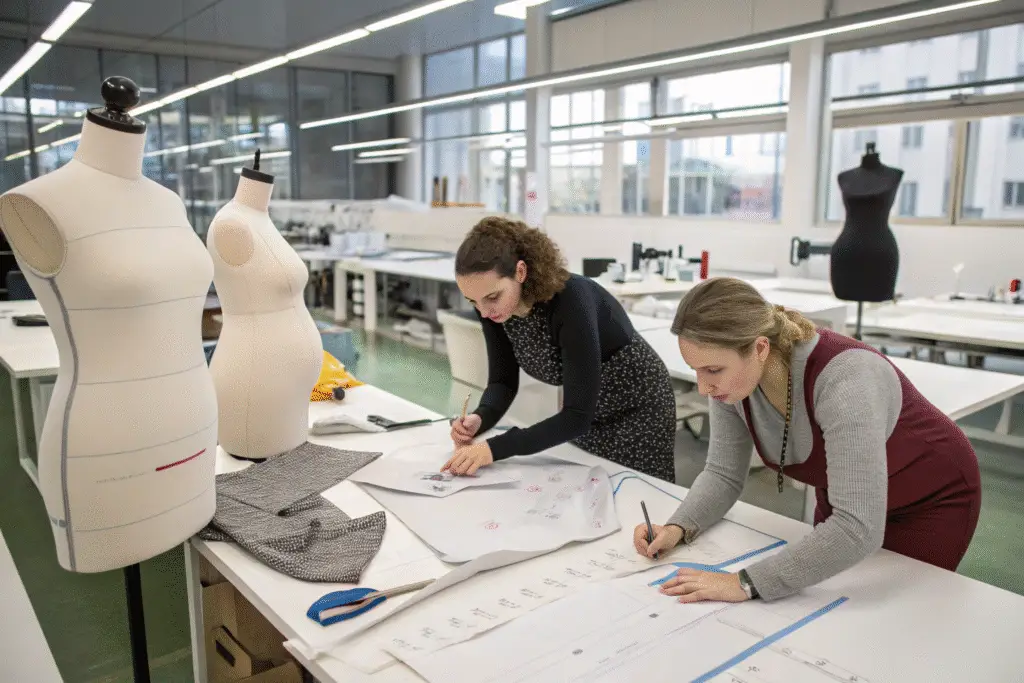
Finding the right manufacturer for maternity wear is about more than just producing stretchy garments. It’s about sourcing a partner who understands the nuances of comfort, sizing changes, soft-touch fabrics, and functional fashion. If you skip due diligence, your line could suffer from bad fit, uncomfortable seams, or inconsistent production.
To find the best maternity wear manufacturers, focus on suppliers with proven category experience, certified soft-performance fabric access, adaptable sizing expertise, and responsive production timelines. This article breaks down where to look, what to ask, and how to avoid common pitfalls.
As the owner of a garment manufacturing factory, I've helped brands transition into maternity lines or scale existing ones with the right development strategy. Here’s how U.S. brand owners like Ron can efficiently source reliable maternity manufacturers from China and beyond.
Where to Search for Maternity-Specific Apparel Factories?
Your sourcing journey should begin where specialization meets reputation. Generic factories often fail to grasp fit nuances required in maternity wear. That’s why starting with niche-focused searches increases your chances of finding the right match.
What online platforms offer specialized search filters?
Major sourcing websites like Alibaba and Made-in-China allow you to filter by product category. Use long-tail search terms such as “maternity dress manufacturer,” “pregnancy leggings OEM,” or “postpartum nursing apparel factory.”
Platforms like Foursource and Sqetch provide curated, verified supplier databases—many of which focus on ethical and category-specific apparel. These give you higher reliability than open-market platforms.
Can trade fairs help find maternity wear producers?
Yes—especially large sourcing fairs with fashion zones. Events like Global Sources Fashion Show or Canton Fair often have booths dedicated to maternity wear. Visiting these events (or attending virtually) lets you examine real product samples and ask critical questions face-to-face.
If you’re U.S.-based and can’t attend in person, some shows like MAGIC Las Vegas list global suppliers in their directory—even for maternity and niche wear.
What Qualifications Should Maternity Manufacturers Have?
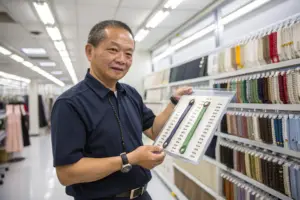
Maternity wear demands thoughtful production. It's not just fashion—it’s functional design for a sensitive demographic. So certifications, materials, and machinery must meet elevated standards.
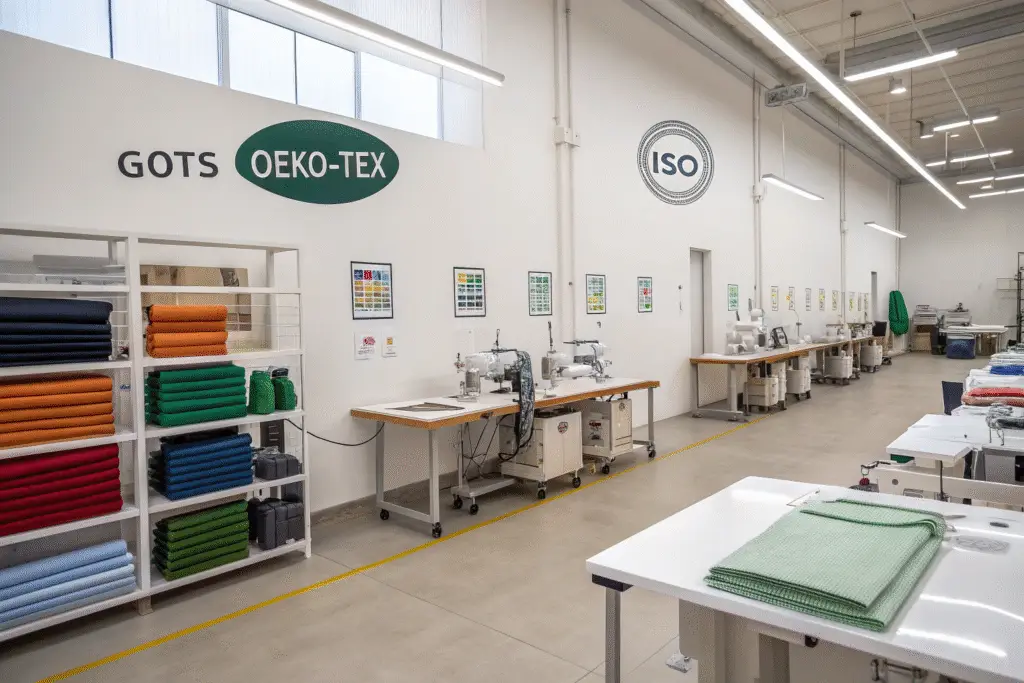
Which fabric certifications matter for pregnancy apparel?
Pregnancy skin is more sensitive, so demand certified safe fabrics. Look for suppliers that can provide:
- OEKO-TEX Standard 100
- GOTS for organic cotton lines
- REACH compliance for EU-bound products
These ensure your clothing is free from harmful substances and suitable for direct skin contact. Be cautious—verify certifications through official databases, not just scanned images.
What machinery and processes are preferred?
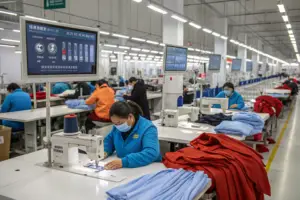
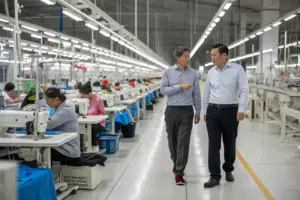
Factories should use flatlock stitching, elastic waistband insertion tech, and machines that accommodate stretch materials like spandex, modal, and bamboo blends. Ask what tension tests or washing standards they follow. Brands that care about performance often collaborate with factories experienced in sportswear or activewear, since the material knowledge overlaps.
Platforms like Textile Exchange also list environmentally aligned suppliers who produce high-stretch, maternity-friendly garments.
How to Ensure Proper Fit and Size Adaptability?
Sizing is tricky for maternity wear because bodies shift week by week. An experienced manufacturer will understand these fluctuations and offer proactive solutions in sampling and production.
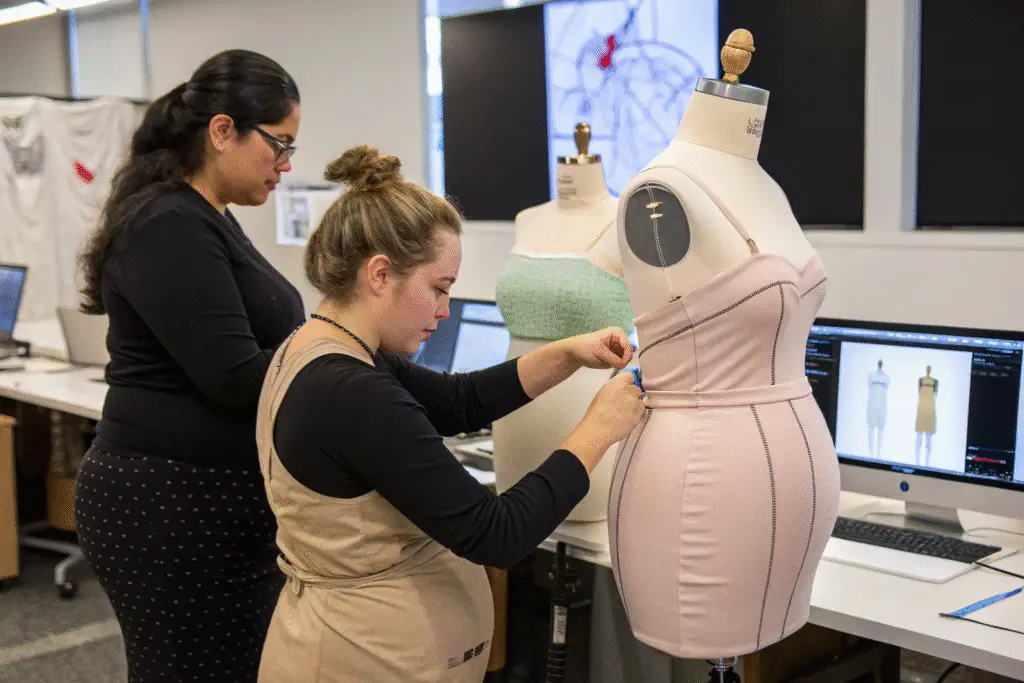
What questions should you ask about size grading?
Ask if they have a maternity size grading template or if you need to provide your own. A strong supplier will already work with ranges like:
- XS–XL with built-in stretch zones
- EU/UK/US sizing conversions
- Belly panel adjustability (with elastic or drawcords)
Check if they offer dual-stage sampling—once at base size and once on a pregnancy belly dummy. If they can't do this, look for partners that serve adaptive clothing or yoga brands—those teams often have similar sizing flexibility.
Can they offer postnatal or nursing functionality?
If your brand plans to support postpartum wear, ask whether they’ve produced nursing tops, two-layer dresses, or hidden zippers. You’ll want factories that understand discreet, washable, easy-access designs. Some also provide modular wear solutions that work both pre and post-pregnancy.
Request samples of existing nursing wear they’ve done. Also test zippers, snaps, and layering to ensure safety and comfort.
How to Manage Production, MOQ, and Timelines for Maternity Lines?
Maternity wear often launches in seasonal capsules—fall leggings, spring dresses—so speed and predictability are essential. Choose a partner that respects your time frame and understands maternity trends.
What’s a realistic MOQ and lead time?
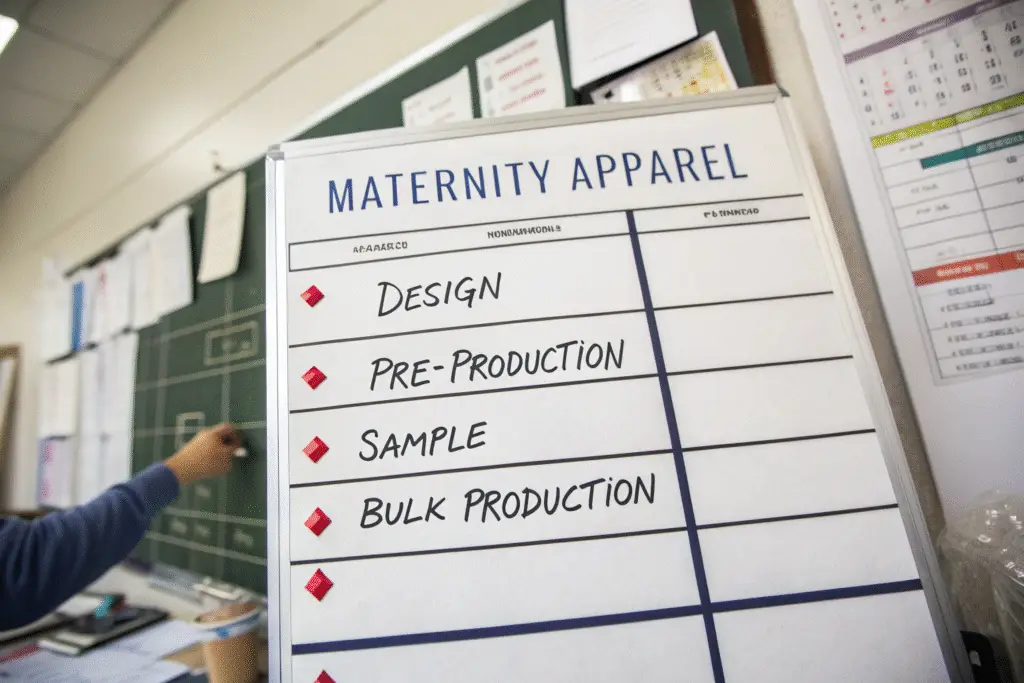
Most maternity-specialized factories set MOQs between 300–500 pcs per style, which is lower than mass fashion but higher than dropshipping setups. Lead times usually follow this cycle:
| Stage | Duration |
|---|---|
| First sample | 10–14 days |
| Fit revisions | 7–10 days |
| PP sample | 7 days |
| Bulk production | 25–40 days |
Ask if they offer stock-supported fabric to shorten timelines. Some activewear factories stock bamboo or modal blends and can start cutting immediately after PP approval. Brands like Kindred Bravely often use this model to launch limited runs.
How do you avoid seasonal delays?
The best way is to work with DDP partners and set shipping slots early. Factories with in-house export teams or long-term freight forwarder partnerships can schedule shipments around Golden Week and CNY slowdowns. Also ask if they offer replenishment programs or MOQ flexibility once a SKU sells out.
Use tools like ClickUp or Notion to track deliverables and samples in real time.
Conclusion
Finding the right maternity wear manufacturer requires specificity, patience, and the right questions. Don’t settle for factories that treat maternity like a simple cut of stretch cotton. Your customers—expecting mothers—deserve better. Look for partners who specialize in soft, functional, safe, and scalable production. If you follow these sourcing best practices, your brand will stand out in a growing niche that values comfort and care.