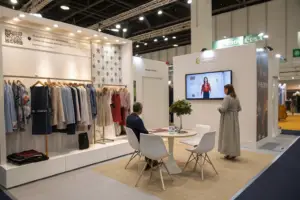
Starting a fashion brand is exciting—until you need a supplier. Suddenly, everything feels confusing. Too many options, but no clear answers.
To find fashion clothing suppliers, focus on trusted sourcing platforms, visit trade shows, check factory credentials, test samples, and always prioritize communication and reliability.
When I launched my first collection, I wasted months emailing the wrong factories. They looked good on paper but failed to deliver. After years of trial, I built a system that actually works—and now I’ll share it with you.
Where do most clothing stores get their clothes?
Clothing stores don't make their own inventory. They buy from people like us—factories, wholesalers, private labels. The trick is finding the right one.
Most clothing stores get their clothes from wholesale markets, online B2B platforms, manufacturer partnerships, and private label suppliers.
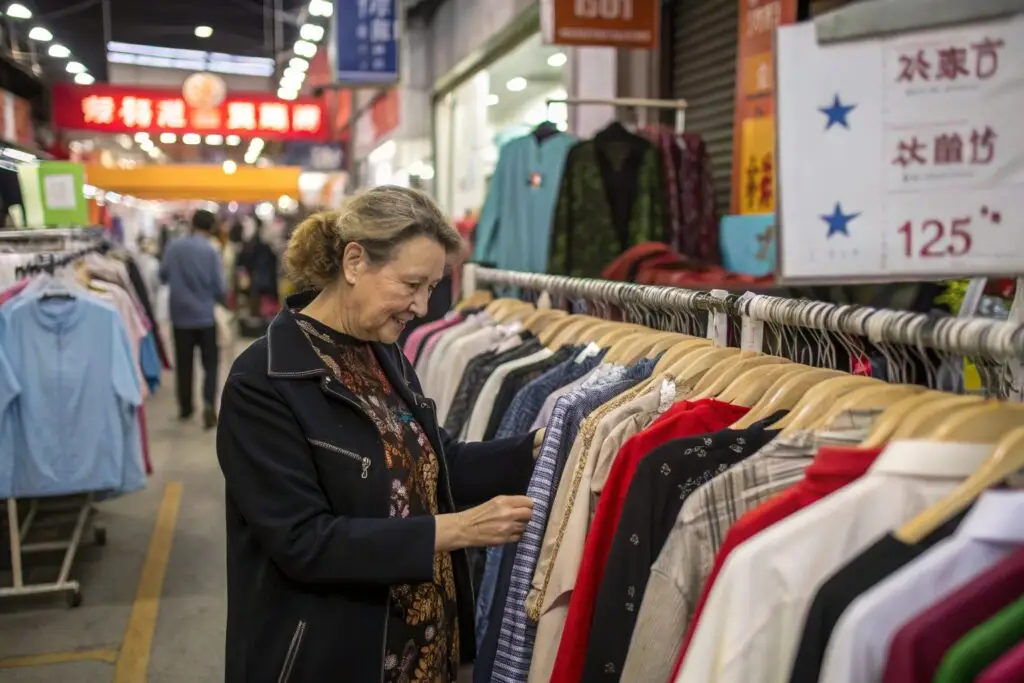
Why do many fashion retailers rely on wholesale markets1 and online B2B platforms to source inventory?
Most boutiques and stores don’t design from scratch. Instead, they:
| Source Type | Use Case |
|---|---|
| Wholesale Markets | Trendy items, fast stock |
| B2B Platforms (Alibaba, Faire)2 | Wide selection, scalable orders |
| Factory Direct | Custom items, better margins |
Places like Guangzhou, Istanbul, and Bangkok are packed with physical markets. But for many, online platforms are faster and easier—especially when you’re just starting out.
How do private label and white-label services help clothing stores scale fast with minimal design work?
Not every store needs to reinvent the wheel. Some want fast access to great styles with their own brand tag. That’s where white-labeling comes in.
Private label suppliers allow you to:
- Choose from ready-made designs
- Add your logo
- Package under your brand name
This helps small stores look big—without spending on full development.
How do I partner with a clothing manufacturer?
Finding a manufacturer is easy. Finding a good one is hard. The real challenge is building a partnership, not just placing orders.
To partner with a clothing manufacturer, you must align on goals, sign clear agreements, test samples, set timelines, and build trust through clear, honest communication.

What are the first steps to build a reliable partnership with a fashion clothing factory3?
It starts with research. Look for factories that match your product type. Then:
- Ask for past work or brand references.
- Start small with a sample order.
- Clarify MOQs, lead times, and payment terms.
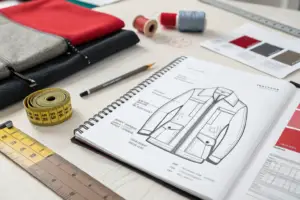
- Use clear tech packs4 or design specs.
| Step | Tip |
|---|---|
| First Contact | Keep your inquiry focused—show professionalism |
| Sample Stage | Check quality, timelines, communication style |
| First Order | Document every detail: sizes, materials, packing |
Manufacturers prefer long-term partners. So act like one from day one.
How do contracts, timelines, and communication affect success in a factory partnership?
Vague terms = big problems. I once lost an entire season’s sales due to unclear deadlines.
Every partnership must have:
- Signed order confirmation
- Clear delivery dates
- Penalties for delays
- Agreed quality standards
Good factories welcome structure. Bad ones avoid it. That’s how you tell the difference.
Which country is best for wholesale clothing?
You’ve found styles you like. Now you ask: where do I buy them cheap, fast, and reliably?
The best countries for wholesale clothing are China, India, Vietnam, and Turkey, offering low prices, strong production ability, and wide product variety.

How do China, India, Vietnam, and Turkey compare as global wholesale clothing hubs5?
Each country has its strengths. I’ve worked with all of them. Here’s how they stack up:
| Country | Strengths | Weaknesses |
|---|---|---|
| China | Fast production, many styles, tech support | Rising labor costs |
| India | Cotton, handcrafts, low MOQs | Slower lead times |
| Vietnam | High quality, stable ethics | Smaller supplier pool |
| Turkey | Fast to Europe, trendy designs | Higher pricing |
Your brand’s needs should guide where you go. Want variety? China wins. Want handwoven cotton6? Go India.
What should first-time buyers know before sourcing from overseas suppliers7?
Don’t rush. Overseas sourcing brings:
- Time zone delays
- Language barriers
- Certification issues
- Longer shipping cycles
Use agents, translators, or sourcing platforms if needed. And always start with small, trial orders.
How much does it cost to make a clothes line?
Budgeting for a new clothing line isn’t just about fabric and sewing. Branding, sampling, logistics—it all adds up.
Starting a clothing line typically costs $2,000–$10,000 depending on designs, order size, materials, customization, and shipping.

What are the key cost components when launching your own fashion clothing collection?
Here’s what you should expect to pay for:
| Cost Area | Estimated Range |
|---|---|
| Sampling | $50–$200 per item |
| Bulk Production8 | $3–$20 per unit |
| Labels + Tags | $0.10–$1 each |
| Design (if outsourced)9 | $200–$1,000 per set |
| Shipping (DDP or FOB)10 | Varies by region/weight |
Other hidden costs:
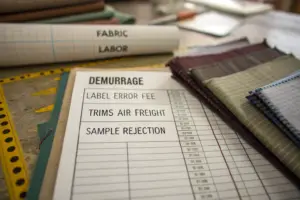
- Tech packs
- Import duties
- Brand photography
- Webstore setup
Create a simple spreadsheet to track it all before placing your first order.
How can you lower clothing line startup costs without sacrificing product quality?
Smart tips I’ve learned:
- Choose fewer styles at first
- Use stock fabrics (custom dyeing adds cost)
- Partner with flexible MOQ factories
- Go slow on packaging—upgrade later
Start lean. Prove demand. Then scale.
Conclusion
Finding fashion clothing suppliers is not about luck—it’s about research, smart planning, and building long-term partnerships. Once you know where to look and how to work with the right people, your fashion journey becomes much smoother.
-
Discover the advantages of wholesale markets in providing trendy items and fast stock for retailers. ↩
-
Explore how B2B platforms can streamline sourcing and expand your inventory options efficiently. ↩
-
Exploring this resource will provide insights into effective strategies for building strong partnerships with clothing manufacturers. ↩
-
Understanding tech packs is crucial for ensuring your designs are accurately produced, making this resource invaluable for your partnership success. ↩
-
Explore this link to understand the dynamics of global wholesale clothing hubs and how they can impact your sourcing decisions. ↩
-
Discover the unique qualities and advantages of handwoven cotton, which can enhance your product offerings. ↩
-
This resource will provide essential tips and insights for first-time buyers looking to source products internationally. ↩
-
Understanding bulk production costs is crucial for budgeting your fashion collection effectively. Explore this link for detailed insights. ↩
-
Outsourcing design can significantly impact your budget. Discover the costs involved to make informed decisions. ↩
-
Shipping terms can affect your overall costs. Learn the differences to choose the best option for your collection. ↩