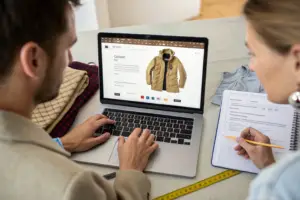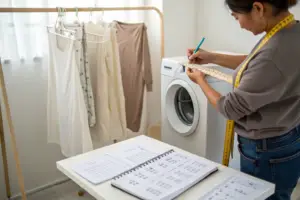
For fashion brands targeting underserved body types, producing accurate petite or tall sizing isn’t just a marketing strategy—it’s a technical challenge. Regular factories often apply simple length scaling to standard sizes, which results in poor fit for petite or tall frames.
To serve these markets well, you need factories experienced in pattern grading, shoulder-to-hip ratio adjustments, and proportional fitting—not just hem lengthening or shortening.
At Fumao Clothing, we’ve worked with U.S. and European brands that specialize in niche sizing. Here’s how you can identify and evaluate the right manufacturers for petite and tall collections.
What Are the Differences in Petite, Tall, and Regular Sizing?
Before choosing a factory, it's crucial to understand that petite and tall sizes are not simply “shorter” or “longer” versions of standard fits. They require proportional adjustments throughout the entire garment.
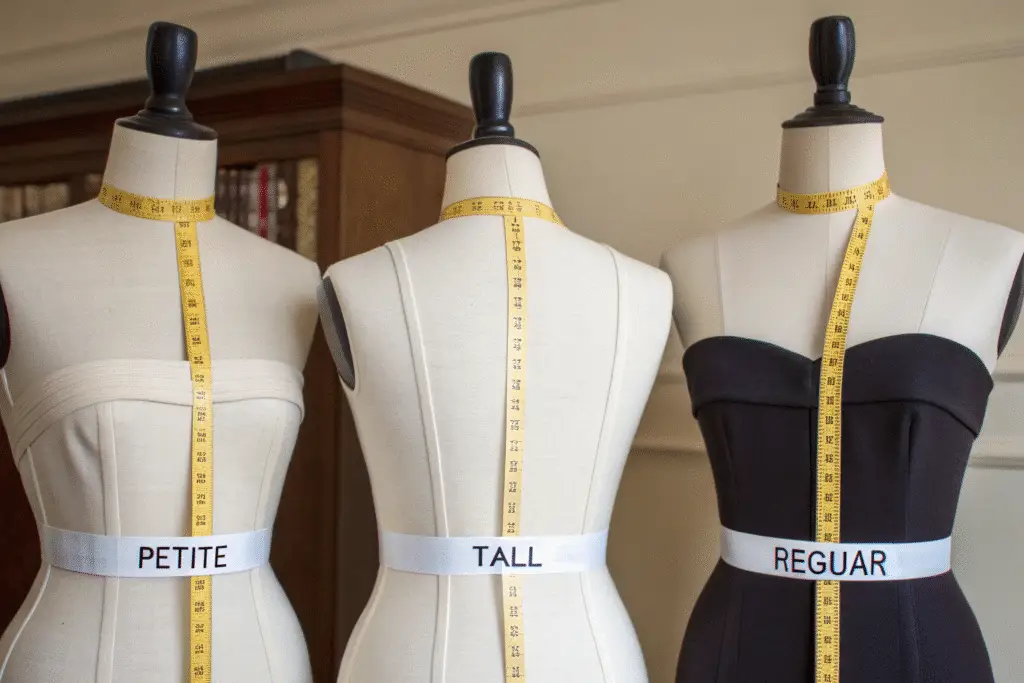
Petite sizing typically shortens the rise, sleeve, and torso without reducing width, while tall sizing increases length with careful attention to armhole and knee placements.
How Does Petite Sizing Differ from Standard?
Petite (usually for women 5'4"/162cm and under):
- Shorter sleeve and inseam lengths
- Raised waistline placement
- Narrower shoulders, higher bust point
- Shorter rise in pants
Read more on Petite Fit Guidelines by ASTM or Nordstrom’s petite sizing standards.
What Is Considered “Tall” Sizing?
Tall apparel (usually for women over 5’8”/173cm or men over 6’0”/183cm) includes:
- Longer torso and inseam
- Extended sleeve length
- Lower hip shaping
- Adjusted yoke and darts
Refer to Long Tall Sally’s measurement chart for reference.
How to Identify Factories Experienced in Specialty Grading?
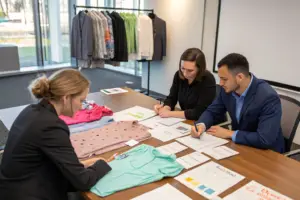
Not every apparel factory has technical expertise in fit engineering. You need to look for suppliers with in-house pattern teams, digital grading systems, and real fit model testing experience.
Specialty sizing factories will have petite and tall blocks, custom grading tables, and fit-tested references for adjusted lengths and placements.

What Tools Should the Factory Use?
- Optitex or Gerber AccuMark digital pattern software
- Adjustable mannequins in petite/tall sizes
- In-house fitting with professional models
- Size set approval for all lengths
Factories equipped with these tools are more likely to execute petite and tall production accurately. Learn more from Gerber Technology or Lectra.
What Questions Should You Ask During Vetting?
- Have you produced petite or tall lines before?
- Can you show graded size charts beyond standard XS–XL?
- Do you offer separate fit samples for petite/tall sizing?
- Do you have mannequins or live models for test fits?
Use vetting templates from Common Objective or Fibre2Fashion.
Where to Find Factories That Offer Petite or Tall Services?
Finding the right supplier starts with knowing where to look. Many petite- or tall-capable factories don’t advertise it publicly—you’ll need to dig into capabilities and past client projects.
Search on verified B2B platforms, attend trade shows, and use keywords like 'custom sizing', 'graded patterns', or 'fit engineering'.
Which Platforms Are Best for Niche Sizing Factories?
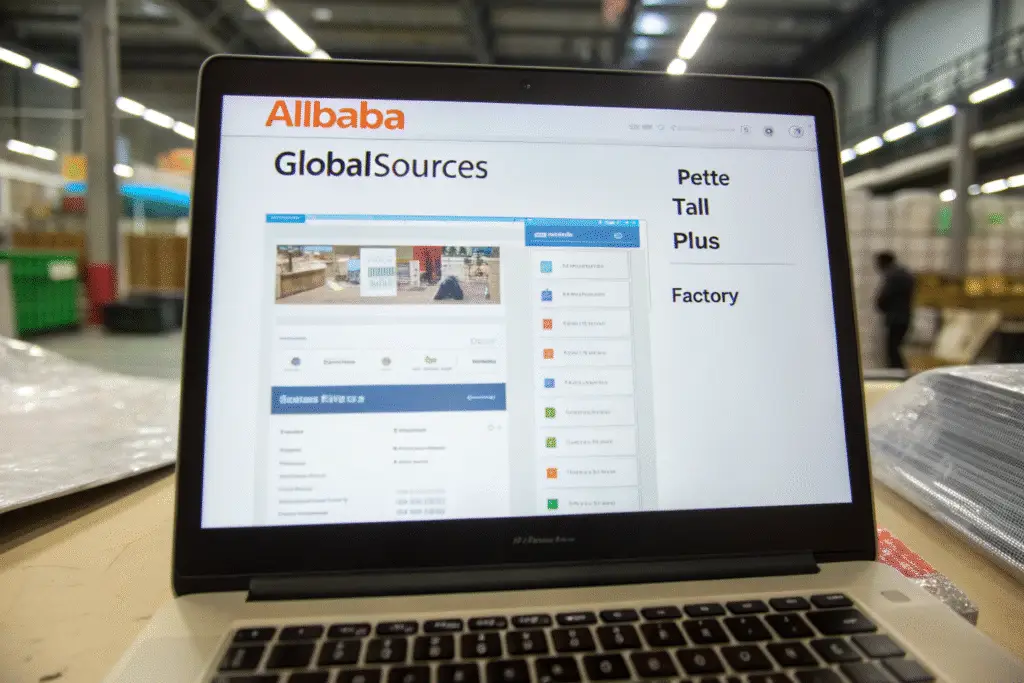
- Alibaba: Use filters like "custom OEM/ODM", "private label", and “grading”
- Fibre2Fashion: Focus on technical apparel factories
- GlobalSources: Look under fashion with sizing customization tags
- Common Objective Directory: Focus on sustainable petite and adaptive clothing
If possible, attend sourcing fairs like Canton Fair or Texworld Paris and ask directly about specialty sizing.
Should You Work With a Tech Pack Consultant First?
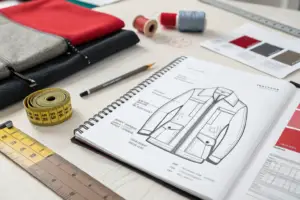
If your brand is launching petite or tall styles for the first time, consider hiring a sizing consultant to develop accurate blocks before approaching a factory.
See expert services like Techpacker or pattern specialists via Upwork.
How to Approve Fit Samples and Ensure Consistency?
Production mistakes are common if sampling is rushed. Petite/tall garments must be tested on models or mannequins that reflect those body types—not just adjusted CADs.
Always approve both fit and size set samples for specialty sizing before bulk. Maintain graded measurement tables and require factory adherence.

What Is a Fit Sample vs. Size Set?
- Fit Sample: One size (usually base size S or M) made to test proportion, posture, and comfort
- Size Set: Complete range (e.g., XS to XL) or Petite XS to XL to ensure grading accuracy
Use measurement standards from ISO 8559 or Alvanon.
How to Ensure Sizing Is Reproducible in Bulk?
- Require graded spec sheets with tolerances
- Ask for photos of each size set worn on mannequins
- Audit one random unit per size in pre-shipment QC
- Use third-party inspection firms like QIMA or SGS
Be sure your purchase order specifies sizing category, label coding (e.g., “P-S” for petite small), and separate packaging per size range.
Conclusion
Finding the right factory for petite or tall sizing isn’t just about availability—it’s about technical fit precision, communication, and verified sampling. Brands that serve height-diverse customers build deep loyalty, but only if the product truly fits.
At Fumao Clothing, we support brands developing petite, tall, plus, and adaptive garments. Our team offers pattern grading, custom size set approval, and consistent QC from tech pack to DDP delivery.
Ready to start? Contact our Business Director Elaine at elaine@fumaoclothing.com to discuss your next petite or tall production order.