Finding the right factory for custom sportswear and team uniforms can be a frustrating process—especially if you're a brand owner or buyer like Ron in the U.S., who depends on reliable suppliers to keep product launches on track. Many factories claim they offer customization, but fail on quality, delivery speed, or communication.
The truth is: to find a reliable sportswear manufacturer, you need a checklist of production capabilities, transparency in customization, and proven export experience—especially for teams and private label buyers in competitive markets. We've helped dozens of clients like Ron launch team jerseys, fitness sets, and custom activewear from concept to delivery.
In this article, I’ll walk you through exactly how we help brands find and evaluate the right sportswear and uniform factories—whether you're buying for schools, gyms, sports clubs, or eCommerce collections.
What Are the Key Factory Capabilities for Custom Sportswear?
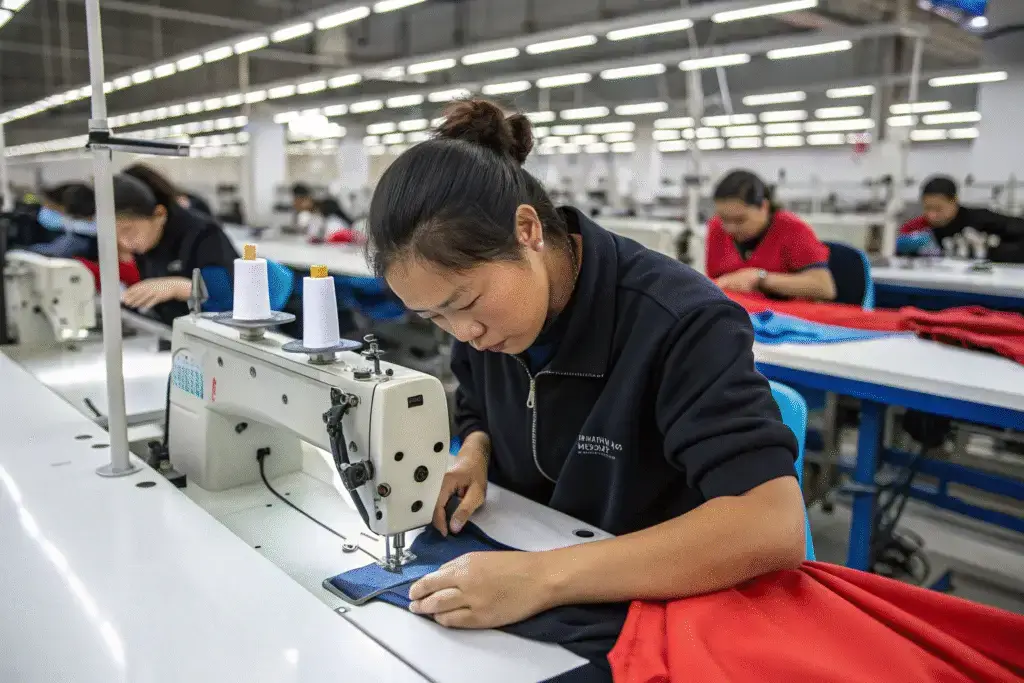
Buyers often overlook the most important part of sportswear sourcing: not all apparel factories are equipped for activewear production. From four-needle six-thread stitching to compression panel alignment, custom sportswear requires specialist skills.
The best factories for custom sportswear offer fabric innovation, sports-specific construction techniques, and scalable customization options.
What Type of Equipment Should You Look For?
To ensure durability and comfort, the factory should have:
- Flatlock and coverstitch machines
- Sublimation and screen-printing lines
- Heat-pressing stations for names and numbers
- Fabric testing labs (for stretch, pilling, sweat-resistance)
Explore how Gerber Technology supports automated activewear cutting, or see examples of Juki's industrial sewing machines for sportswear.
How Important Is Fabric Control in Performancewear?
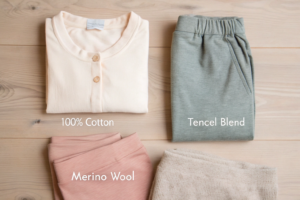
Very. Moisture-wicking polyester, spandex blends, mesh panels, and UV-protective knits must meet sports-level performance. A real sportswear factory will offer in-stock options from reliable mills and run quality control on GSM, stretch recovery, and breathability.
You can learn more from Textile School’s activewear fabrics guide or this OEKO-TEX® standards breakdown.
How Can You Verify Customization Capabilities?
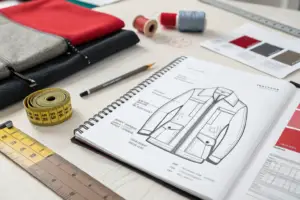
Customization is not just about putting a logo on a T-shirt. It involves translating sizing, colorways, performance features, and team aesthetics into a working tech pack and sample.
A qualified factory offers full-package custom development: from pattern creation to sample approval with consistent quality in bulk runs.
What Proof Should a Factory Show Before You Order?
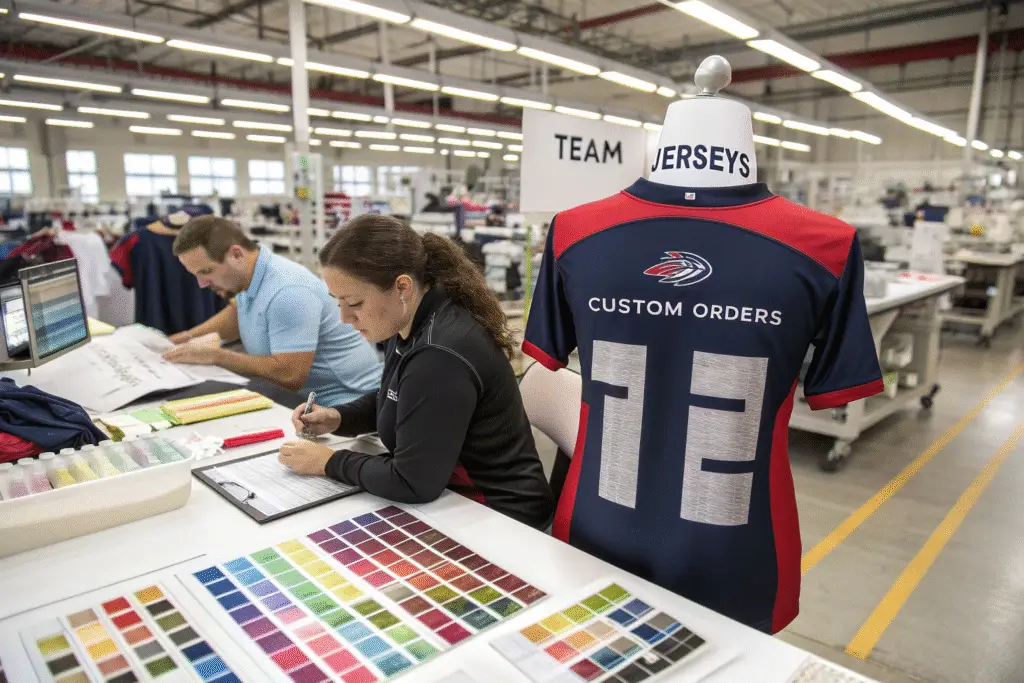
Ask to see:
- Tech packs they’ve built for other brands
- Sublimated sample swatches
- Size grading charts
- Pantone color-matching capability
- Label and packaging options
Platforms like Techpacker help standardize tech pack communication. Reliable factories usually already work with similar tools.
What’s the Process for Custom Logos and Team Details?
You should confirm if the factory supports:
- Digital sublimation printing (for intricate full-color logos)
- Embroidery (for chest logos or patches)
- Heat transfer vinyl (ideal for names and numbers)
Learn more from Stahls’ application guide or Printful’s customization breakdown.
Where to Source Reliable Sportswear Factories?
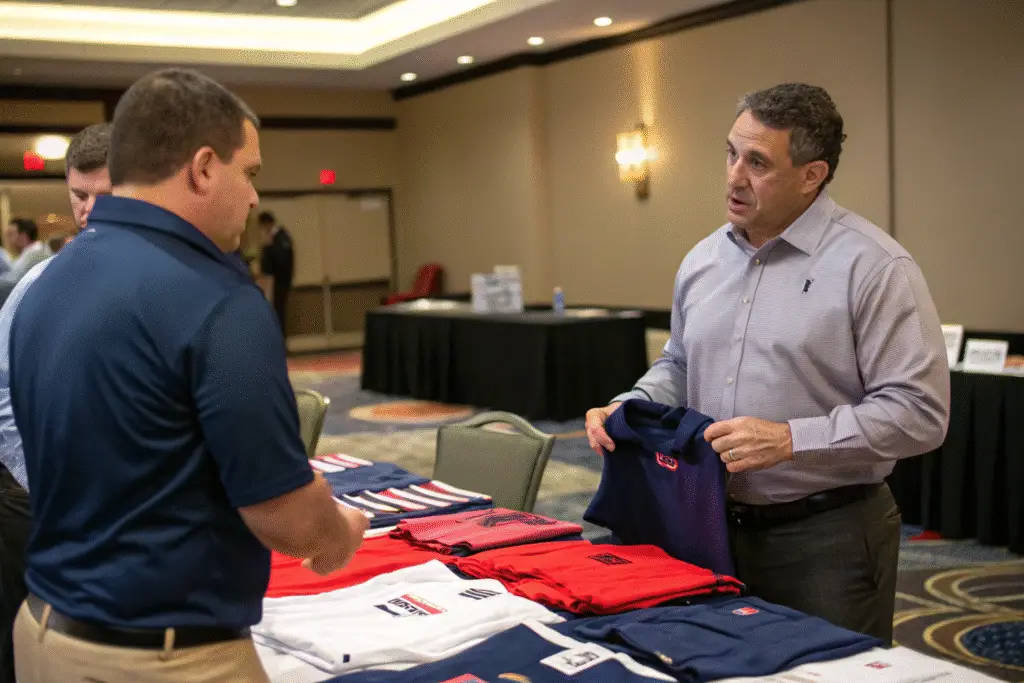
A big mistake many buyers make is choosing a factory based only on price or Alibaba reviews. But serious sourcing goes deeper: visiting trade shows, using professional sourcing platforms, and understanding local industry clusters.
Top channels for finding custom sportswear factories include: verified sourcing platforms, international trade shows, and direct referrals.

Which Online Platforms Are Most Effective?
Besides Alibaba, many U.S. buyers use:
You should always cross-reference claims with external certificates and third-party factory audits.
What Trade Shows Are Best for Apparel Buyers?
If you want to meet multiple factories face-to-face, attend:
- Canton Fair (Guangzhou) – China's largest sourcing event
- ISPO Munich – For performance and sports brands
- MAGIC Las Vegas – U.S. buyers meet Asian exporters
- Sourcing at MAGIC – Especially strong for activewear
Check Sourcing Journal for trade show calendars and 10Times for regional events.
How Can You Check Certifications and Quality Controls?
Beyond visual samples and emails, serious buyers must verify a factory’s compliance record, QC process, and export experience. Especially for uniforms worn by school teams or resold in developed countries.
Look for verified factory audits, in-house QC processes, and traceable materials testing reports.
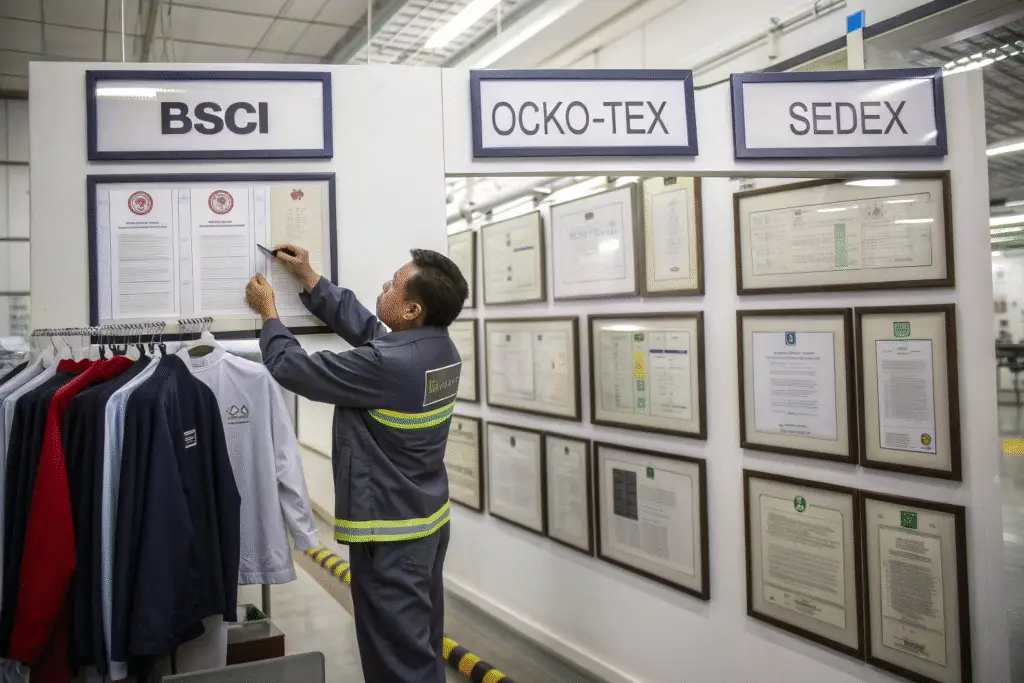
What Certifications Do Serious Buyers Require?
These are increasingly standard for custom sportswear factories:
- BSCI or Sedex (for social compliance)
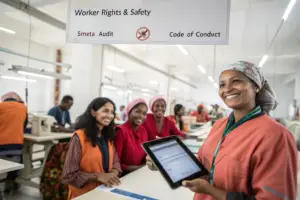
- OEKO-TEX 100 (for non-toxic fabrics)
- GRS or rPET (if recycled content is used)
See amfori BSCI’s guidelines and OEKO-TEX verification tool.
How Is Quality Control Conducted at Bulk Stage?
A real factory offers:
- Pre-production samples for your approval
- Midline inspection reports
- AQL-based final inspection reports
- Barcode and packaging verification
Companies like QIMA and Intertek can verify factory capabilities independently, giving you peace of mind before you commit to larger orders.
Conclusion
Sourcing custom sportswear and team uniforms isn't about who offers the cheapest quote—it's about who can truly deliver performance, accuracy, and brand consistency. Whether you're outfitting a high school football team or launching a private-label yoga line, your factory partner needs to have the machinery, materials, systems, and integrity to support you.
At Fumao Clothing, we specialize in export-ready sportswear manufacturing, offering full customization, certified quality, and seamless logistics to North America and Europe. Reach out to our Business Director Elaine at elaine@fumaoclothing.com to discuss your teamwear or activewear needs today.