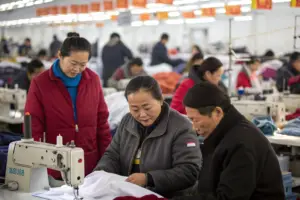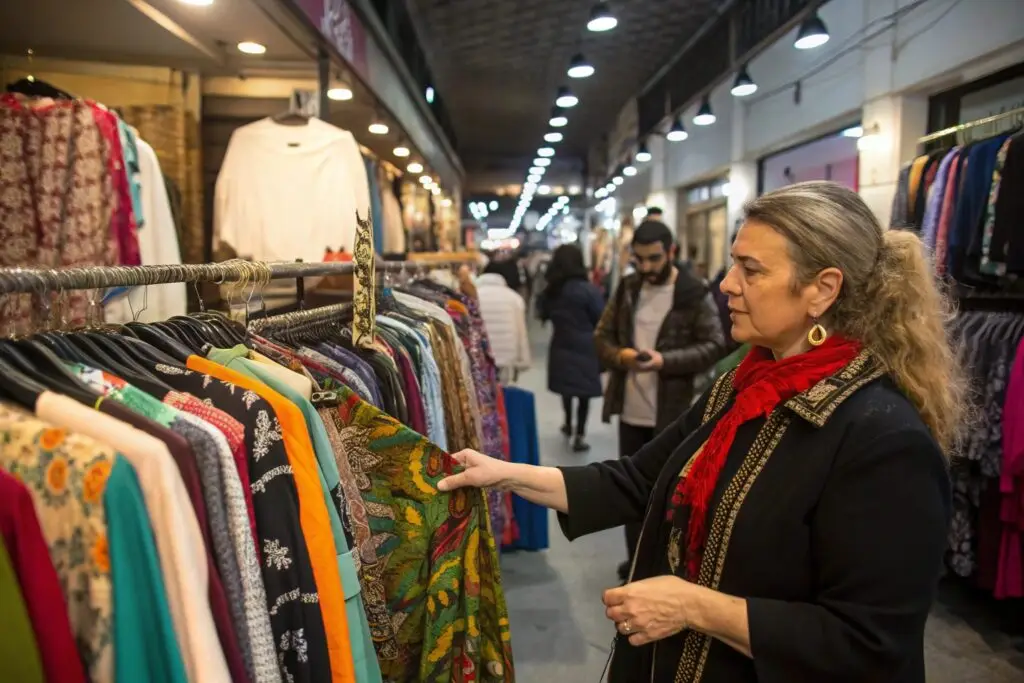
When I first considered sourcing from Turkey, I thought it was only for luxury brands. But I quickly discovered it’s a hotspot for boutique-quality wholesale clothing at competitive prices.
To find a wholesale clothing distributor in Turkey, explore major wholesale markets, attend local trade fairs, research trusted B2B platforms, and connect with agents specializing in Turkish apparel exports.
Turkey blends European quality with flexible pricing—making it a strong sourcing choice for serious brands.
What is the largest wholesale market in Turkey?
I assumed Istanbul would have just a few districts for sourcing. In reality, it’s packed with massive textile hubs designed for fast B2B deals.
The largest wholesale clothing market in Turkey is Laleli Market in Istanbul, known globally for ready-to-ship apparel, private label services, and factory-direct deals.
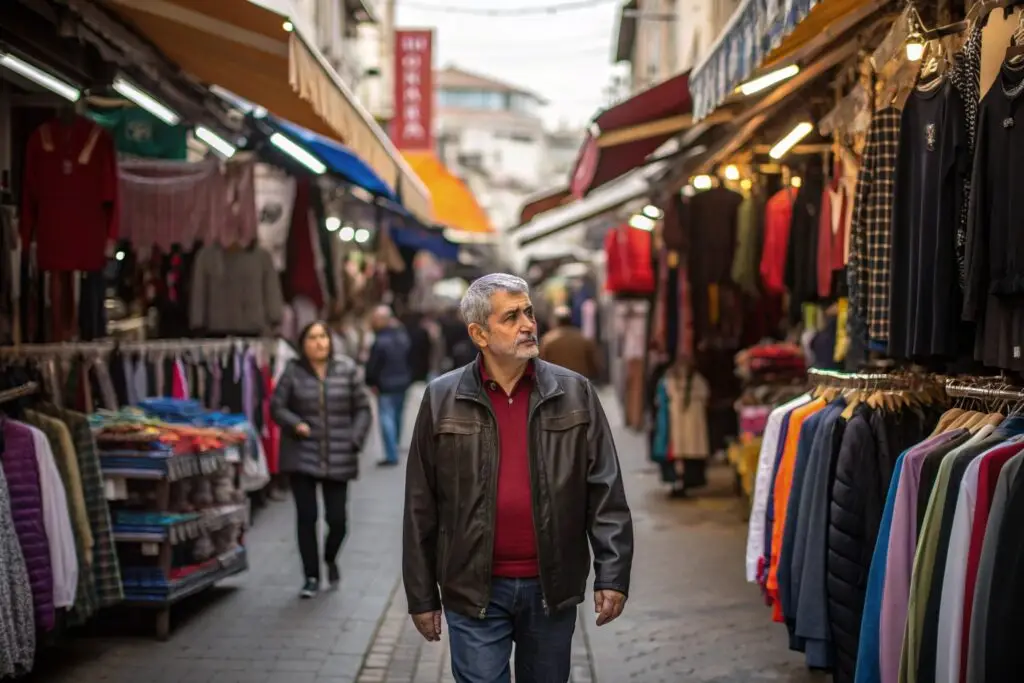
Why is Laleli Market1 so important for clothing buyers?
| Feature | Why It Matters |
|---|---|
| Size & Scope | Thousands of showrooms and stores |
| Product Range | From basics to high-end fashion |
| Export Focus | Vendors specialize in global shipping |
| Private Label Services | Many suppliers offer label options |
Laleli is ideal for brands looking for:
- Fast access to trendy inventory
- Mid-size MOQs (often 100–200 pcs)
- Negotiable pricing based on volume
Other strong wholesale districts include Merter, Osmanbey, and Zeytinburnu—especially for niche categories like denim or leather.
- Bring cash or immediate payment options for small deals
- Hire a local sourcing agent if language barriers exist
- Always negotiate—prices are often flexible based on volume
- Ask about ready stock vs. production timelines
A two-day walk through Laleli can connect you to 20+ potential vendors.
Which country is best for wholesale clothing?
Every country has a different edge. Turkey shines when you need quality fabrics, fast production, and lower minimums than China.
The best countries for wholesale clothing are China, Turkey, India, Bangladesh, and Vietnam—each excelling in different apparel categories.
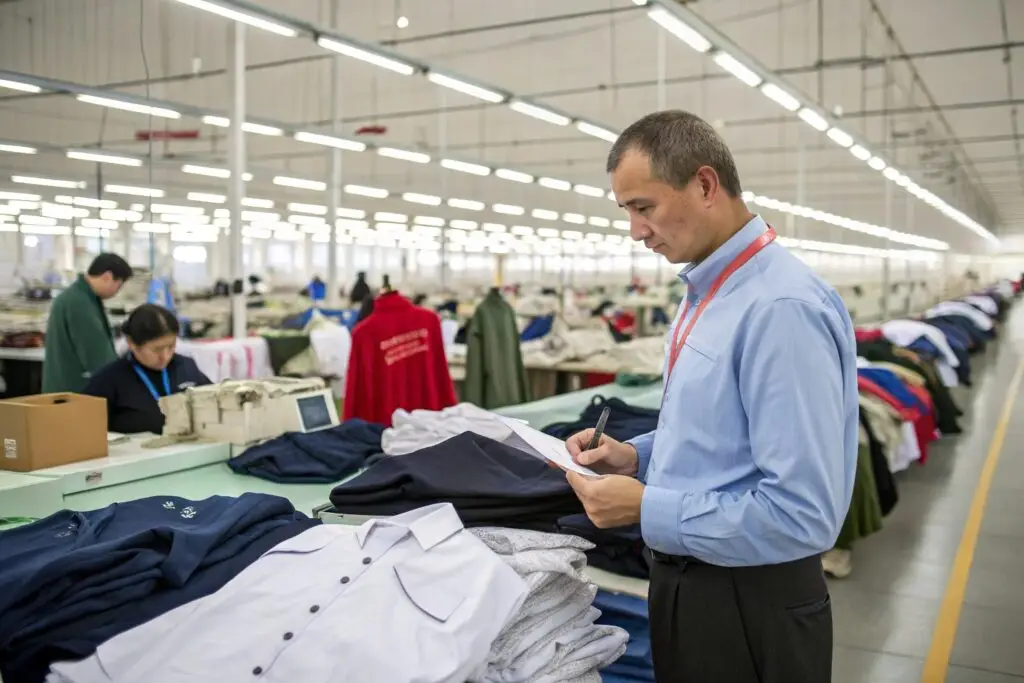
How does Turkey rank compared to other sourcing hubs?
| Country | Best For |
|---|---|
| Turkey | Knitwear, boutique fashion, fast shipping3 |
| China | Fast fashion, variety, cost efficiency |
| India | Cottonwear, sustainable sourcing |
| Bangladesh | Bulk basics, uniforms |
| Vietnam | Premium casualwear, improving compliance |
Turkey is especially strong for:
- Cotton-blend T-shirts
- Trend-driven women’s fashion
- Modest fashion and Islamic wear
- Outerwear like jackets and coats
If you’re targeting Europe or the Middle East, Turkey’s shipping advantage (3–10 days by sea) beats most Asian hubs.
Is it cheap to manufacture clothes in Turkey?
I thought Turkey would be expensive because of its EU ties. But surprisingly, for mid-range to premium quality apparel, it's cost-effective compared to European factories.
Yes, manufacturing clothes in Turkey is relatively affordable for high-quality products, offering better pricing than Europe but higher standards than many Asian manufacturers.
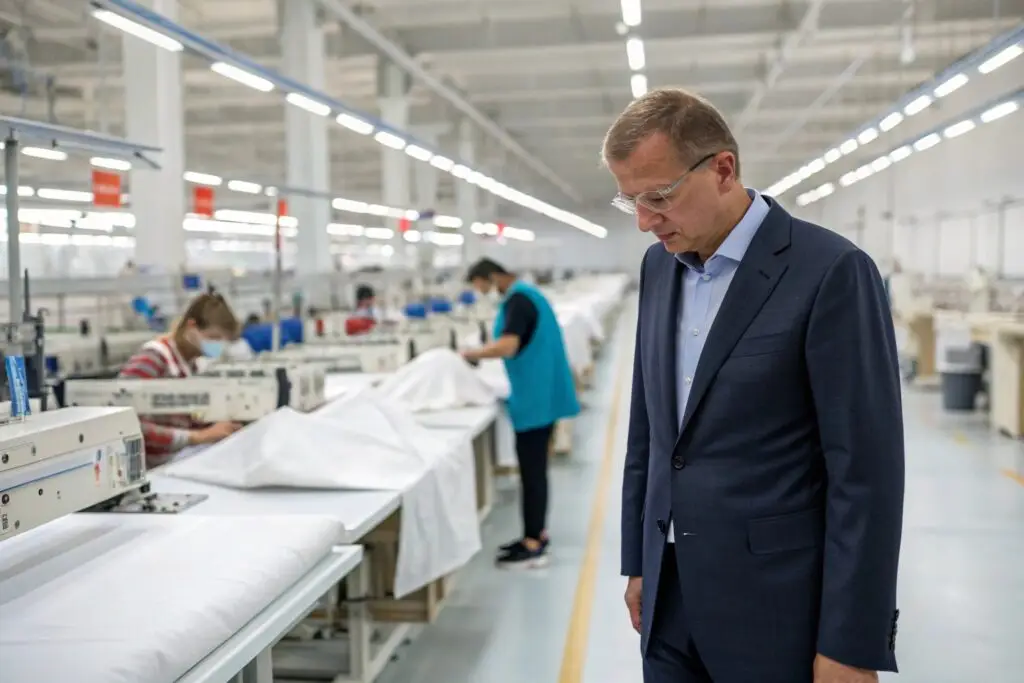
Why is Turkey a smart balance for clothing brands?
| Strength | What It Means for Buyers |
|---|---|
| Skilled Workforce4 | Better fit, finishing, fabric control |
| Vertical Integration5 | Factories handle fabric + stitching |
| EU Proximity | Lower shipping costs, faster logistics |
| Ethical Compliance6 | More certifications (BSCI, GOTS) |
Expect manufacturing costs about 20–30% higher than Bangladesh—but often 30–50% faster in delivery with much stronger quality control.
What products are best to manufacture in Turkey?
- Cotton T-shirts and polos
- Sweaters and knitwear
- Modest fashion collections
- Sportswear and athleisure basics
- Small-batch premium denim
If quality matters more than rock-bottom pricing, Turkey is a great choice.
Can I import clothes from Turkey?
I thought importing would be complex—but Turkey has streamlined systems for exports, especially for clothing.
Yes, you can import clothes from Turkey easily, as the country is highly export-focused, offering competitive freight options, flexible MOQs, and professional customs handling for apparel buyers.
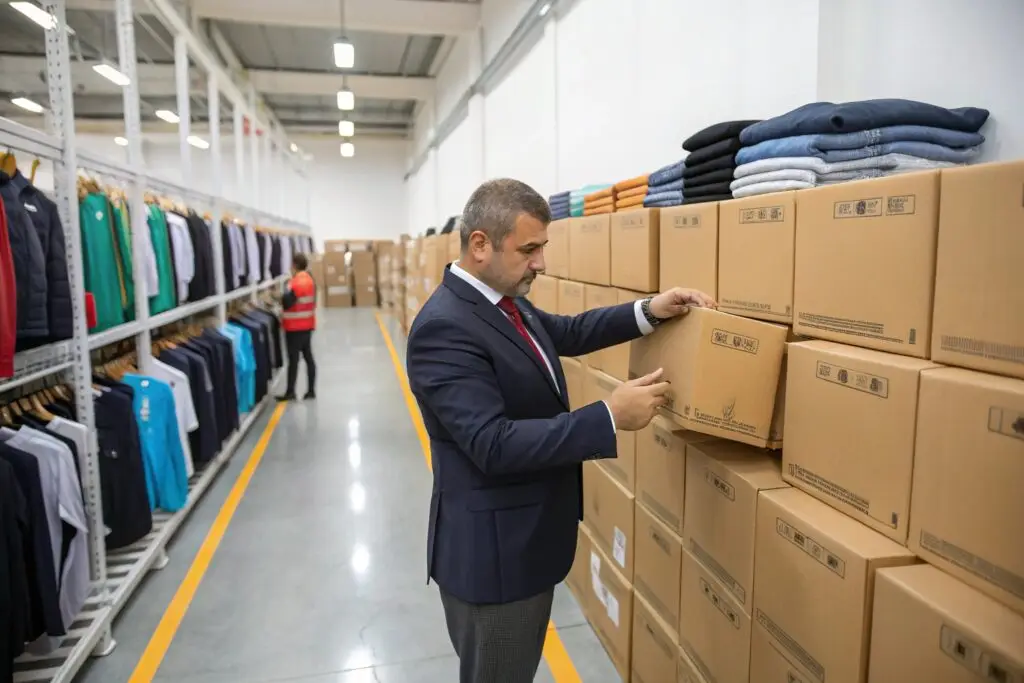
What steps are needed to import clothing from Turkey?
| Step | Details |
|---|---|
| Find a Trusted Vendor7 | Use trade shows, B2B platforms, or agents |
| Confirm Incoterms8 | Choose FOB, CIF, or DDP terms |
| Arrange Freight | Sea shipping is affordable; air for urgent |
| Handle Customs | Use an import broker if needed |
| Pay Duties (if applicable)9 | Check your country’s import tariffs |
Shipping from Turkey to Europe is incredibly fast—often 1–2 weeks by sea. To the U.S., it takes about 20–30 days by ocean freight.
What documents are required for importing?
- Commercial invoice
- Packing list
- Certificate of origin (for duty reductions, if applicable)
- Bill of lading or airway bill
Your Turkish supplier should guide you through this—good ones make the process very smooth.
Conclusion
Turkey offers one of the best sourcing environments for fashion brands today—balancing quality, ethics, and logistics perfectly. Find the right distributor, build relationships, and you’ll tap into a powerful engine for boutique growth and brand success.
-
Explore the significance of Laleli Market for clothing buyers and how it can benefit your sourcing strategy. ↩
-
Discover essential tips for navigating Turkish wholesale markets to maximize your sourcing efficiency and success. ↩
-
Explore how fast shipping can enhance your supply chain efficiency and customer satisfaction. ↩
-
Explore how a skilled workforce enhances quality and fit in clothing production, ensuring better products for consumers. ↩
-
Learn about vertical integration's role in streamlining production and improving quality control in the fashion industry. ↩
-
Discover the significance of ethical compliance in fashion, ensuring sustainable and responsible production practices. ↩
-
Exploring this resource will help you identify reliable vendors, ensuring a smoother import process and better quality products. ↩
-
Understanding Incoterms is crucial for managing shipping costs and responsibilities, making this resource invaluable for importers. ↩
-
This link will provide essential information on tariffs, helping you budget accurately for your imports and avoid unexpected costs. ↩