Finding a reliable garment factory that offers low Minimum Order Quantities can feel like searching for a needle in a haystack. Emerging brands need manufacturers that balance accessibility with professionalism, offering quantities under 300 pieces while maintaining quality standards and reliable delivery. The challenge is real, but with a strategic approach, you can identify partners who genuinely specialize in small-batch production rather than just accepting it as a concession.
The most effective way to find a reliable low-MOQ garment factory involves targeted searching on B2B platforms, attending specialized trade shows, leveraging industry referrals, and carefully vetting manufacturers through detailed questionnaires and sample evaluation. Success requires looking beyond basic MOQ numbers to assess a factory's specific systems, experience with small batches, and compatibility with your brand's needs and values.
The search process differs significantly from finding traditional mass-production partners. Low-MOQ specialists often operate differently, with distinct business models, equipment configurations, and client relationship approaches. Understanding these differences helps you identify true low-MOQ experts rather than factories that simply tolerate small orders when business is slow.
Where should you search for low-MOQ garment factories?
Your search strategy should combine digital platforms with real-world networking to identify potential manufacturing partners. Different channels yield different types of factories, each with distinct advantages and limitations. A multi-channel approach increases your chances of finding the right match for your specific needs.
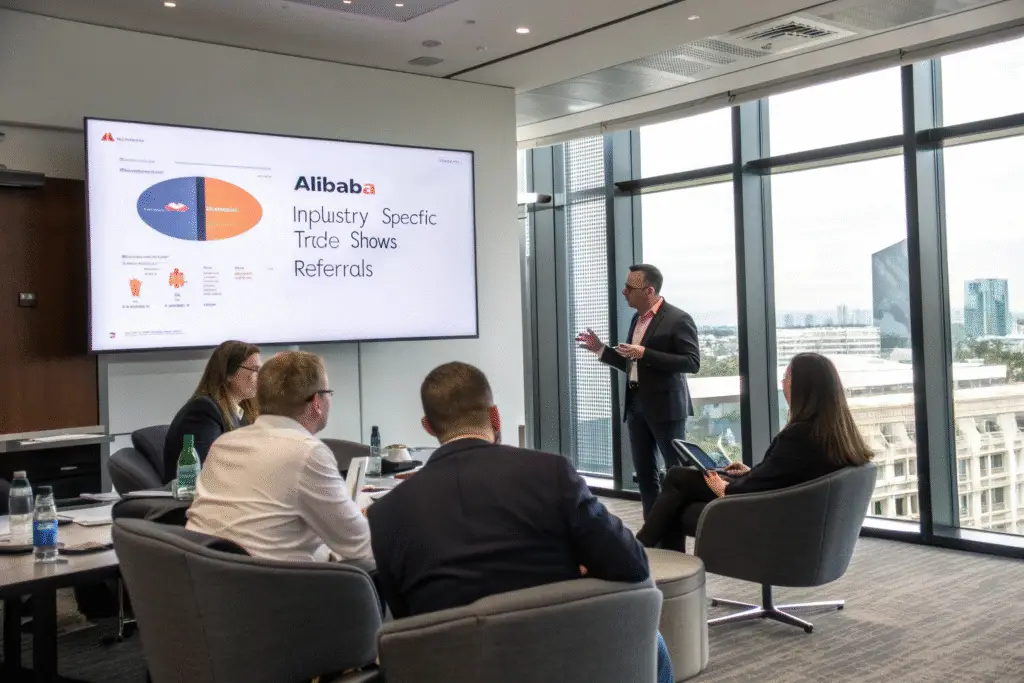
B2B platforms like Alibaba remain popular starting points, but require careful filtering to identify genuine low-MOQ specialists rather than mass producers listing low minimums to attract inquiries. Industry-specific trade shows often feature manufacturers with explicit low-MOQ capabilities, while referrals from other brands provide pre-vetted recommendations. We've found that approximately 60% of our low-MOQ clients discover us through platform searches, 25% through referrals, and 15% through trade shows and industry events.
Which digital platforms specialize in low-MOQ manufacturers?
Several platforms cater specifically to smaller production needs:
- Alibaba: Use filters for "Verified Supplier" and "Low MOQ" while checking response patterns
- MakersRow: Focuses on US manufacturing with transparent MOQ information
- Sourcify: Matches brands with pre-vetted manufacturers based on specific needs
- Kompass: International B2B directory with detailed company capability information
When evaluating factories on these platforms, look beyond the listed MOQ numbers. Examine their response time, ask specific questions about their low-MOQ processes, and request references from similar-sized clients. A factory that specializes in low MOQ will have detailed answers about how they maintain quality and efficiency at smaller quantities.
How effective are trade shows for finding low-MOQ partners?
Specialized trade shows can be highly effective for finding low-MOQ manufacturers because:
- You can assess quality firsthand through sample displays
- Face-to-face conversations reveal cultural compatibility
- Factory representatives can immediately address specific concerns
- You can compare multiple options in a single location
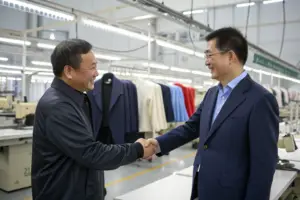
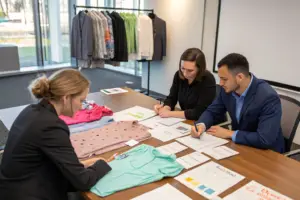
At the recent Apparel Sourcing show in New York, we met with 37 brands specifically seeking low-MOQ production. The conversations were substantially more productive than typical online inquiries because we could immediately address fit questions, fabric options, and production timelines while examining physical samples together.
What questions should you ask potential low-MOQ factories?
Vetting potential manufacturers requires going beyond basic MOQ and pricing questions to understand their specific capabilities and approaches to small-batch production. The right questions reveal whether a factory genuinely specializes in low MOQ or simply accepts small orders as fill-in business. Focus your inquiry on processes, experience, and compatibility.
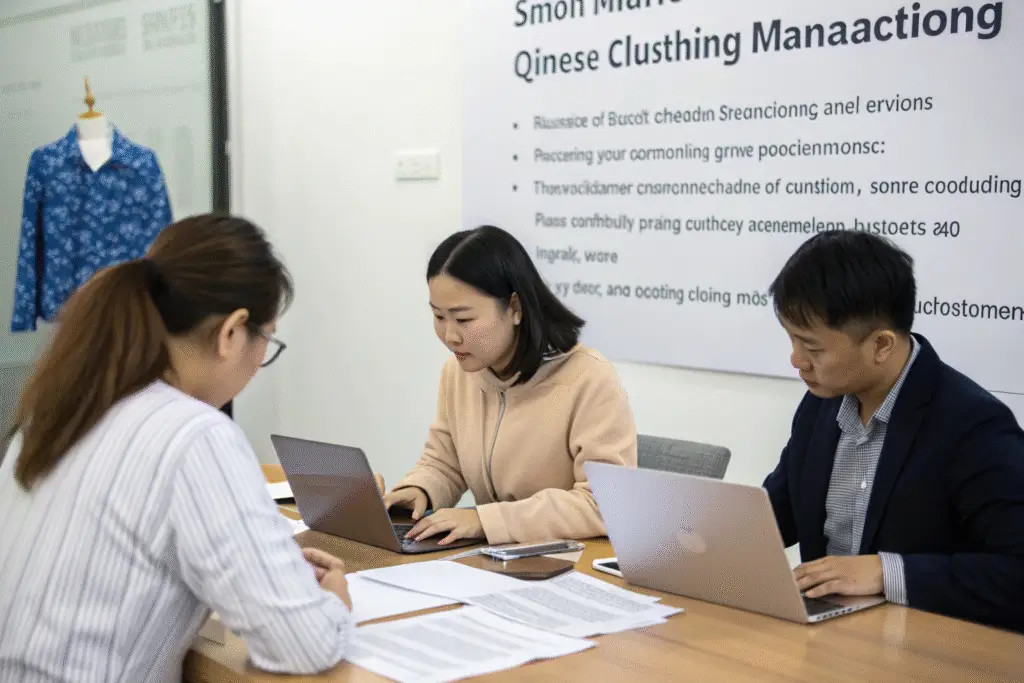
Your questionnaire should cover several key areas: production systems specifically for small batches, quality control adapted to lower quantities, communication protocols, and experience with similar brands. Factories that truly understand low-MOQ manufacturing will have detailed answers about their specialized equipment, staffing approaches, and workflow management for smaller orders.
What technical questions reveal low-MOQ expertise?
Ask specific technical questions to assess genuine low-MOQ capability:
- "What percentage of your production is dedicated to orders under 500 pieces?"
- "Do you have dedicated production lines or equipment for small batches?"
- "How do you manage fabric sourcing for quantities under 300 units?"
- "What is your typical sampling process and timeline for low-MOQ clients?"
- "How many active low-MOQ clients do you currently serve?"
The answers to these questions separate true specialists from general manufacturers. Factories experienced with low MOQ will describe specific systems, such as our dedicated small-batch production lines and fabric inventory management for 150-500 piece orders.
How should you evaluate communication and responsiveness?
Communication quality often predicts manufacturing partnership success:
- Response time: Do they reply within 24 hours during initial inquiry?
- Answer quality: Are responses specific and knowledgeable or generic?
- Language capability: Is there clear English communication from relevant staff?
- Proactive communication: Do they ask thoughtful questions about your needs?
- Reference provision: Are they willing to connect you with similar clients?
We've found that brands who receive detailed, thoughtful responses to their initial inquiries typically experience smoother production processes. One sportswear startup told us they eliminated three potential factories simply because responses were slow and generic during the inquiry phase.
How can you verify a factory's low-MOQ capabilities?
Verification moves beyond claims to evidence of a factory's actual low-MOQ experience and capability. This process involves reference checks, sample evaluation, facility visits (virtual or in-person), and careful review of communication patterns. Each verification step provides additional data points for your decision-making process.
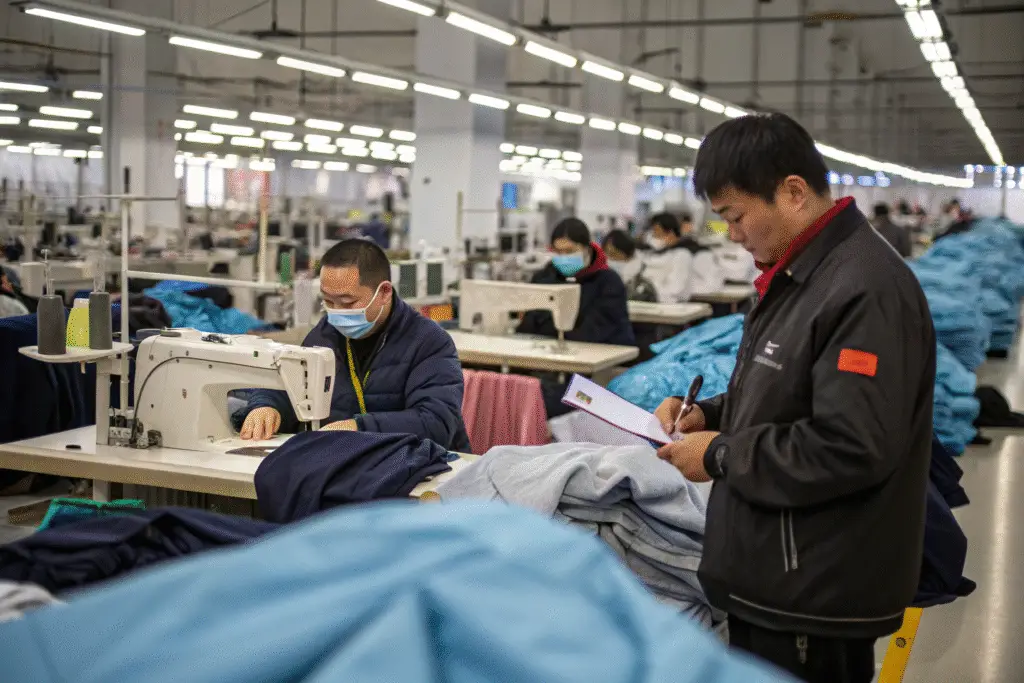
Reference checks with current clients provide the most valuable insights into actual factory performance. Sample evaluation reveals quality standards and attention to detail. Facility assessment, even virtually, shows whether the factory has appropriate equipment and organization for small-batch production. Document review, such as quality control checklists and production schedules, demonstrates systematic approaches.
What should you look for in client references?
When speaking with factory references, ask targeted questions:
- "What was your typical order quantity with this factory?"
- "How consistent was quality across multiple production runs?"
- "Were delivery timelines reliable for your small batches?"
- "How did the factory handle issues or changes during production?"
- "Would you use them for future orders at similar quantities?"
A denim brand we worked with last year shared that they specifically ask references about communication responsiveness and problem-solving approach, finding these factors more predictive of successful partnerships than initial pricing or basic capability claims.
How do samples reveal low-MOQ manufacturing quality?
Sample evaluation provides critical insights:
- Stitching consistency indicates attention to detail
- Fabric quality matches what was promised
- Fit accuracy reflects pattern-making capability
- Trim application shows precision work
- Overall finish demonstrates quality standards
We encourage potential clients to evaluate both initial development samples and production samples when possible. The progression between samples often reveals more about a factory's capabilities than a single sample evaluation. A consistent improvement between sample rounds indicates good technical capability and responsiveness to feedback.
What red flags indicate unsuitable low-MOQ factories?
Recognizing warning signs early in the evaluation process can save significant time, money, and frustration. Some factories present as low-MOQ friendly but lack the systems, experience, or mindset to successfully handle smaller production runs. Understanding these red flags helps you focus your efforts on genuinely capable partners.
Common warning signs include inconsistent communication, vague answers to specific technical questions, reluctance to provide references, pressure for quick decisions, and pricing that seems unusually low for the requested specifications. Factories that cannot clearly explain their low-MOQ processes or show examples of similar work should raise concerns about their actual experience level.
What communication patterns suggest potential problems?
Problematic communication patterns include:
- Delayed responses without reasonable explanation
- Changing contacts frequently during the evaluation process
- Vague answers to specific technical questions
- Defensive reactions to reasonable requests for information
- Pressure tactics to commit before proper evaluation
A accessories brand we worked with recently shared their experience with a factory that checked all technical boxes but displayed inconsistent communication during the evaluation phase. They proceeded despite these concerns and experienced exactly the same communication problems throughout production, resulting in multiple delays and quality issues.
What operational red flags indicate low-MOQ inexperience?
Operational warning signs include:
- Inability to explain specific low-MOQ processes
- No dedicated systems for small batch quality control
- Limited fabric options for quantities under 500 pieces
- Unrealistic timelines that don't account for small-batch scheduling
- Resistance to providing detailed cost breakdowns
Factories that specialize in low MOQ will have transparent answers about how they manage the unique challenges of smaller production runs. Those that struggle to explain their approaches likely lack the experience or systems to deliver consistent results.
Conclusion
Finding a reliable garment factory with low MOQ requires a methodical approach that combines targeted searching, thorough vetting, and careful verification. The most successful partnerships emerge from selecting manufacturers that genuinely specialize in small-batch production rather than simply accepting low quantities as secondary business. By asking the right questions, checking references diligently, evaluating samples critically, and watching for red flags, you can identify partners who will support your growth with quality manufacturing at accessible quantities.
At Fumao Clothing, we've built our business around serving brands that need professional manufacturing at 150-500 piece quantities. Our specialized systems, dedicated low-MOQ production lines, and partnership approach have helped numerous emerging brands successfully navigate their initial production runs and scale their businesses. If you're looking for a reliable low-MOQ manufacturing partner, contact our Business Director, Elaine, at elaine@fumaoclothing.com to discuss how we can support your production needs.