You're ready to scale your fashion business and need to find a manufacturing partner you can trust. But with thousands of clothing suppliers claiming to be the best, how do you separate the truly reliable partners from those who will cost you time, money, and customers? Finding the right B2B clothing supplier is one of the most critical decisions that will determine your brand's success or failure.
Finding a reliable B2B clothing supplier requires thorough vetting across multiple criteria: verifying manufacturing capabilities, checking quality control systems, assessing communication practices, and validating references from current clients. The process involves due diligence beyond just comparing price quotes, focusing on partnership compatibility and long-term reliability rather than just transactional relationships. A reliable supplier becomes an extension of your team, not just a vendor.
A Chicago-based startup learned this lesson painfully when their first supplier delivered 4,000 units with inconsistent dye lots and missed their holiday season entirely. The $68,000 loss forced them to rebuild their supplier vetting process from scratch. After implementing the systematic approach we'll explore, they now work with a partner who has delivered 12 consecutive on-time, high-quality shipments. Let's examine how you can find your ideal manufacturing partner.
What Key Factors Define A Reliable Clothing Supplier?
Identifying a truly reliable supplier goes beyond basic manufacturing capabilities. The best partners demonstrate excellence across multiple dimensions that collectively ensure they can deliver consistent quality on time, every time.
Key reliability factors include: proven production expertise in your specific product category, robust quality control systems, transparent communication practices, financial stability, ethical compliance, and long-term client relationships. These elements work together to create a supplier who can grow with your business and navigate the inevitable challenges of apparel production.

Why Is Specialized Production Expertise Critical?
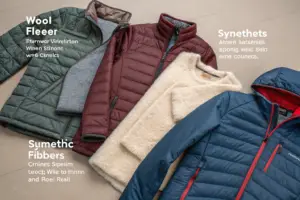
A supplier who excels at knitwear may struggle with technical outerwear, and vice versa. Specialization matters because different product categories require specific equipment, skilled workers, and technical knowledge. We've seen brands make the mistake of choosing a "general" manufacturer who claims to do everything, only to discover they lack the specific expertise needed. A yoga wear brand found this when their chosen factory, experienced in woven shirts, couldn't properly handle four-way stretch fabrics. The resulting garments had tension issues and poor recovery. Look for suppliers with deep apparel manufacturing expertise in your specific category.
How Do Quality Systems Ensure Consistency?
Reliable suppliers have documented quality control processes at every stage: fabric inspection, in-production checks, and pre-shipment audits. They use standardized systems like AQL sampling and provide detailed inspection reports. When evaluating potential partners, ask about their quality team size, training procedures, and defect tracking systems. A reliable clothing manufacturer will proudly share their quality metrics and continuous improvement processes. One of our clients switched to us after their previous supplier had a 15% defect rate; our systematic approach maintains their defect rate below 2% through rigorous process controls.
Where Can You Source Potential Clothing Suppliers?
Knowing where to look for qualified suppliers significantly improves your chances of finding a reliable partner. The sourcing channels you choose can determine the quality of options you discover.
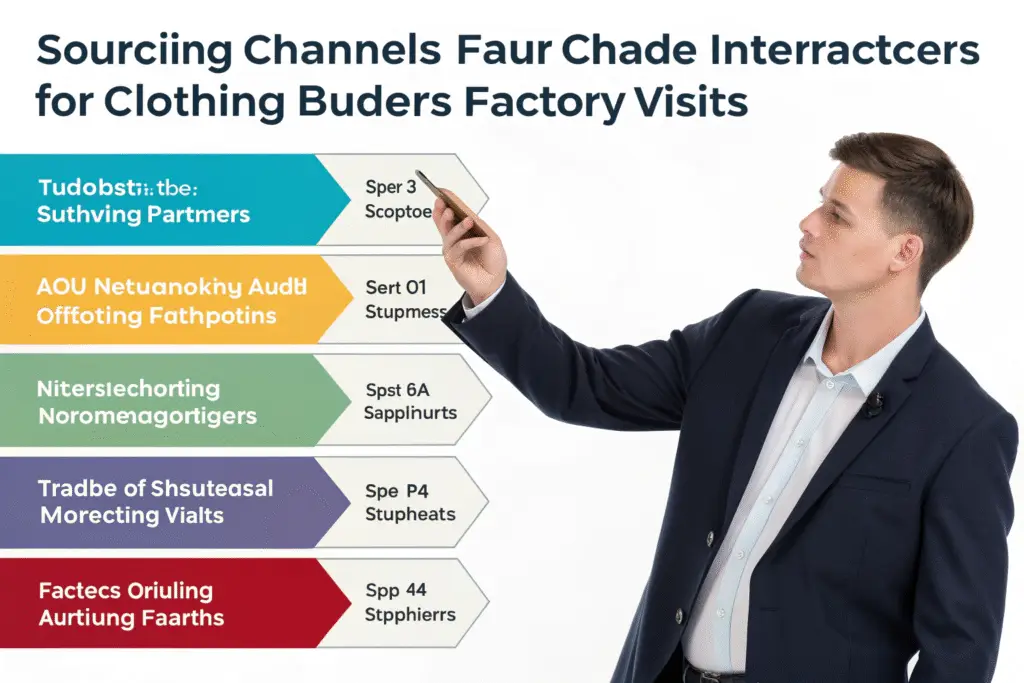
Effective sourcing channels include industry trade shows, B2B manufacturing platforms, professional referrals, factory audits, and targeted online research. Each channel offers different advantages, and using multiple approaches provides the most comprehensive view of potential partners. Diversifying your search increases your chances of finding the right match for your specific needs.
| Sourcing Channel | Best For | Key Considerations |
|---|---|---|
| Industry Trade Shows | Seeing quality firsthand, meeting teams | Prepare specific questions, collect samples |
| B2B Platforms (Alibaba) | Initial discovery, comparing options | Thorough vetting required, verify claims |
| Professional Referrals | Pre-vetted opportunities, trusted sources | Ask about both strengths and weaknesses |
| Factory Audits | Due diligence, verifying capabilities | Visit unannounced if possible |
What Value Do Trade Shows Provide?
Major apparel trade shows like Magic Las Vegas, Première Vision Paris, or CIFF Shanghai allow you to meet suppliers face-to-face, examine their work quality firsthand, and assess their professionalism. You can compare multiple suppliers efficiently and collect physical samples. A Denver-based brand found their perfect denim supplier at Kingpins Amsterdam after touching fabric samples and discussing wash techniques with technical experts. The industry networking opportunities at these events often lead to discovering specialized partners you wouldn't find through online searches alone.
How Effective Are B2B Manufacturing Platforms?
Platforms like Alibaba, Maker's Row, or Kompass provide extensive supplier databases but require careful filtering. Look for Gold Suppliers, Trade Assurance members, and those with verified production certificates. However, platform presence alone doesn't guarantee reliability. We recommend using these platforms for initial discovery but then conducting thorough due diligence. One brand found us through Alibaba but spent two months verifying our manufacturing capabilities through reference checks, sample evaluation, and a factory audit before placing their first order.
How To Properly Vet Potential Suppliers?
Discovery is only the first step - rigorous vetting separates truly reliable partners from those who merely look good on the surface. A systematic evaluation process prevents costly mistakes.
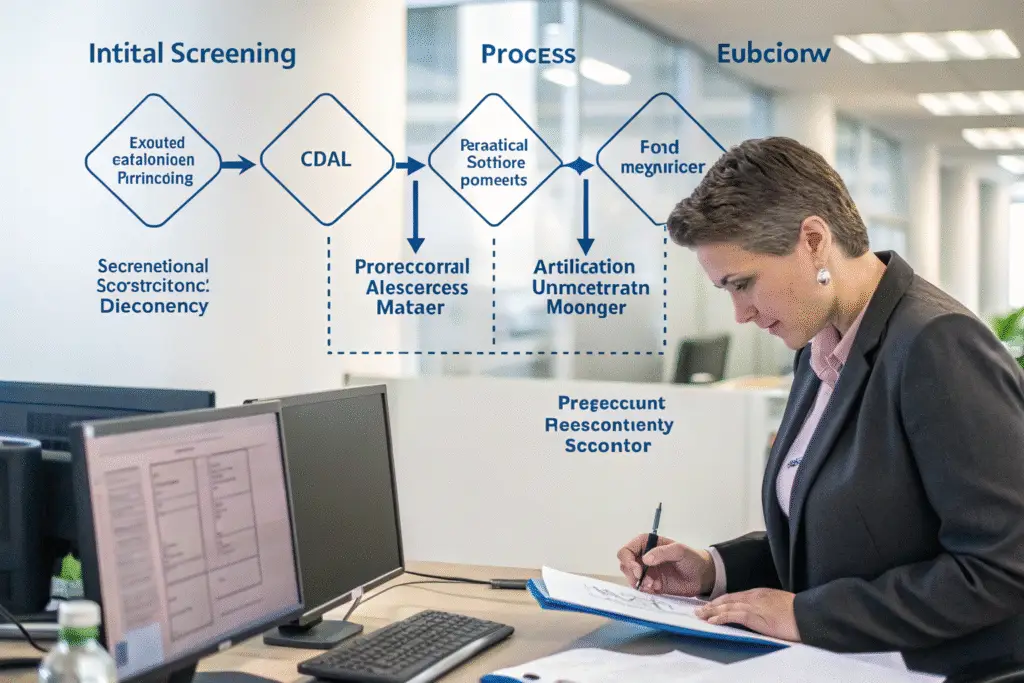
Proper vetting involves: factory audits (virtual or physical), sample evaluation, reference checks, communication testing, and financial stability assessment. This multi-layered approach reveals how a supplier performs under different circumstances and whether their claims match reality. Take your time with this process; rushing vetting leads to long-term problems.
What Should A Factory Audit Cover?
A comprehensive audit examines production facilities, quality control systems, worker conditions, and management practices. Look for organized workspaces, modern equipment, trained operators, and clear process documentation. During our client audits, we demonstrate our quality assurance systems, show raw material tracking, and introduce key team members. One brand discovered during an audit that their potential supplier had outdated sewing machines that couldn't handle their technical fabrics efficiently. The audit prevented what would have been persistent production problems.
Why Are Reference Checks Non-Negotiable?
Speaking with current clients reveals a supplier's real-world performance beyond marketing claims. Ask references about communication responsiveness, problem-solving approach, quality consistency, and on-time delivery history. A sportswear brand we work with contacted three of our existing clients before placing their first order. These reference checks gave them confidence in our ability to handle their complex activewear requirements. Always ask references what they would improve about the supplier - this often reveals the most valuable insights.
What Red Flags Should You Watch For?
Recognizing warning signs early in the process saves you from costly partnerships. Some issues may seem minor initially but often indicate deeper operational problems.
Major red flags include: reluctance to provide references, vague answers to specific questions, pressure for quick decisions, lack of specialized expertise, unusually low pricing, and poor communication responsiveness. These indicators often signal suppliers who overpromise and underdeliver, or who may not be financially stable enough to handle your business properly.

Why Is Unusually Low Pricing A Warning Sign?
Pricing significantly below market rates often indicates corner-cutting on materials, labor practices, or quality systems. Sustainable manufacturing has real costs, and suppliers operating ethically cannot offer prices dramatically lower than reputable competitors. A fast-fashion brand learned this when their low-cost supplier used inferior thread that caused seam failures after few wears, leading to massive returns. The apparent cost savings disappeared when they calculated the total cost of poor quality. Reliable suppliers provide transparent pricing breakdowns that reflect true manufacturing costs.
What Communication Issues Signal Trouble?
Slow response times, inconsistent information, and failure to answer specific technical questions indicate potential operational problems. Reliable suppliers have responsive, knowledgeable teams who provide clear, consistent information. We maintain a 4-hour response time standard for client inquiries because we understand that timely communication is essential for smooth production. One client left their previous supplier after experiencing 3-day response delays that caused missed deadlines. Their new partnership with us thrives because of our communication protocols that keep projects on track.
How To Build A Successful Supplier Relationship?
Finding a reliable supplier is just the beginning - building a strong, collaborative relationship ensures long-term success. The best partnerships evolve beyond transactional interactions into true collaborations.
Building successful relationships involves: clear communication of expectations, fair negotiation, timely payments, reasonable lead times, collaborative problem-solving, and ongoing performance reviews. Treat your supplier as a strategic partner rather than just a vendor, and you'll receive better service, priority treatment, and more flexible cooperation. The relationship investment pays dividends when challenges arise.

Why Is Transparent Communication Fundamental?
Establish clear communication protocols from the beginning: primary contacts, response time expectations, update frequency, and issue escalation procedures. Regular communication prevents small problems from becoming crises. We schedule weekly production update calls with our clients and provide access to our production tracking system. This communication transparency helped one client quickly adjust their production schedule when unexpected demand required accelerating their timeline, because we had clear visibility into their needs and flexibility to accommodate them.
How Does Fair Treatment Improve Partnership Quality?
Paying on time, providing reasonable lead times, and respecting your supplier's expertise creates goodwill that benefits you during challenging situations. Suppliers naturally prioritize clients who treat them as partners. A sustainable brand we work with always pays within terms and provides forecast information that helps us plan capacity. This partner relationship meant we could accommodate their emergency reorder when another client's cancellation created unexpected capacity. The fair treatment they consistently showed us earned them priority access when they needed it most.
Conclusion
Finding a reliable B2B clothing supplier requires a systematic approach that combines thorough research, rigorous vetting, and careful relationship building. The investment in finding the right partner pays continuous returns through consistent quality, reliable delivery, and collaborative problem-solving when challenges inevitably arise.
Remember that your supplier relationship directly impacts your brand reputation, customer satisfaction, and bottom line. The cheapest option often becomes the most expensive through quality issues, delays, and operational headaches. A truly reliable supplier may not be the lowest cost initially but delivers the best value over time through consistent performance and partnership.
Ready to find a reliable manufacturing partner you can trust with your brand's reputation? Contact our Business Director, Elaine, today at elaine@fumaoclothing.com to discuss how our transparent, quality-focused approach can become the foundation for your brand's growth and success.