When selecting a manufacturing partner, understanding their production capacity is crucial for meeting your deadlines, maintaining consistent quality, and scaling your business. A factory that cannot match your volume requirements—or one that overpromises capacity—can disrupt your supply chain and hurt your sales.
Evaluating production capacity means looking beyond stated numbers and digging into actual operational capability, workflow efficiency, and resource availability. This ensures the factory can deliver on time without compromising quality.
Here’s how to accurately assess a clothing factory’s true output potential.
Review Machinery And Technology
The type, quantity, and condition of machinery directly affect a factory’s capacity.

What should you look for in equipment?
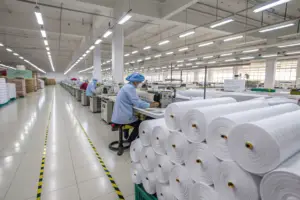
Check if the factory has specialized machines for your garment type—like flatlock stitch machines for activewear or computerized embroidery systems for custom designs. Outdated or poorly maintained equipment can slow production.
Does automation matter?
Yes—factories with advanced technology like digital pattern cutters or automated fabric spreaders often have higher efficiency and consistent output quality.
Assess Workforce Skills And Size
A factory’s human resources are as important as its machines.
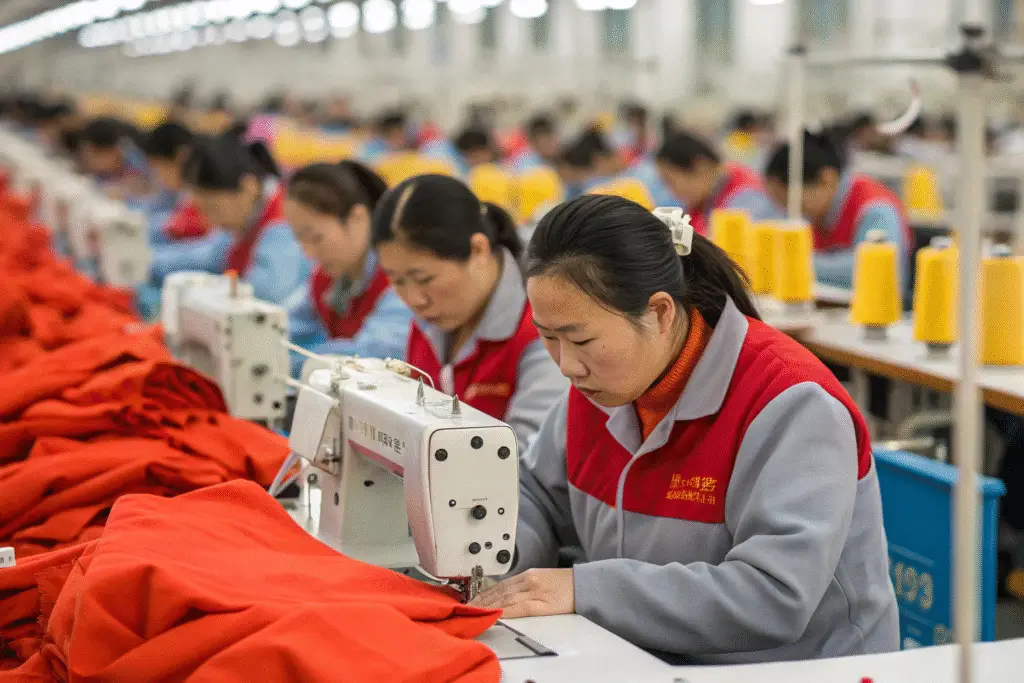
Why is labor expertise critical?
Even with advanced equipment, inexperienced workers can cause bottlenecks. Ask about average years of experience, training programs, and worker turnover rates.
How do you match workforce size to capacity?
A factory with enough trained workers for each stage—from cutting to finishing—can maintain steady output and avoid delays.
Analyze Past Production Data
Historical performance is one of the best indicators of actual capacity.

What data should you request?
Ask for recent production logs showing average units produced per day, defect rates, and lead times. Platforms like ETI Base Code guidance can help verify consistency.
Why is seasonal capacity important?
Some factories ramp up staff during peak seasons, which may temporarily boost output—but you need to know their baseline capability for steady orders.
Check Supplier Network And Material Availability
Even if the production line is fast, delays in raw materials can slow down the entire process.
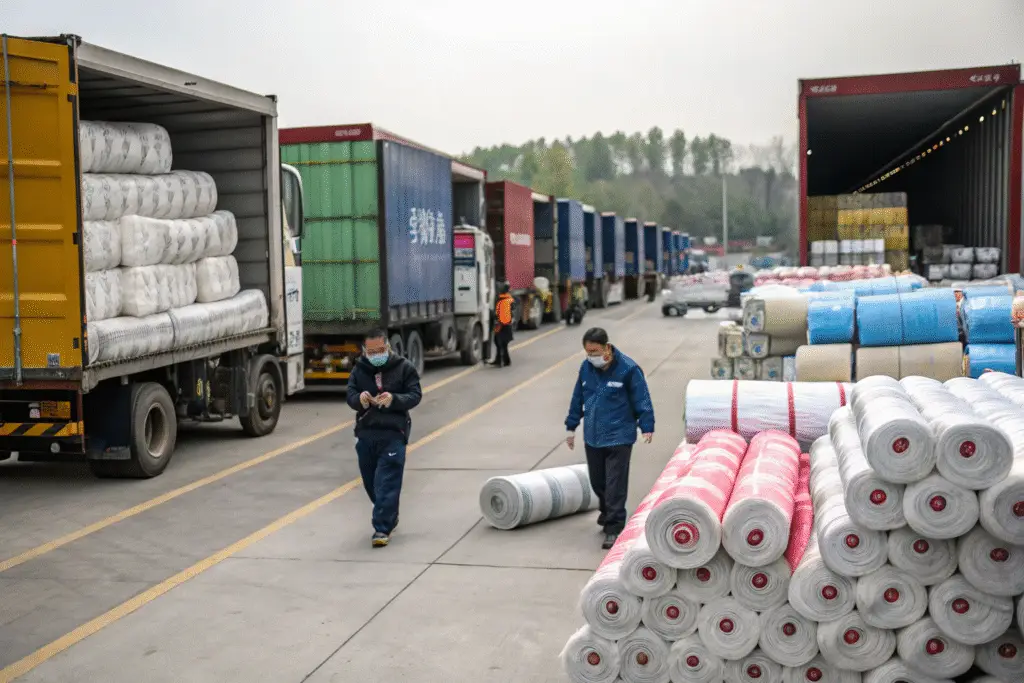
How does supply chain affect capacity?
Factories relying on slow or unreliable suppliers may face production stoppages. Ask if they maintain buffer stock for core materials.
Can local sourcing improve capacity?
Yes—factories with strong local supplier relationships often have faster turnaround on materials, reducing downtime.
Conclusion
Evaluating a clothing factory’s production capacity goes beyond asking “How many pieces can you make per month?” You must examine their machinery, workforce, historical output, and supply chain stability.
At Shanghai Fumao, we welcome buyers to assess our facilities, review our production data, and meet our skilled teams. If you want a manufacturing partner with reliable capacity and consistent quality, contact our Business Director Elaine at elaine@fumaoclothing.com.