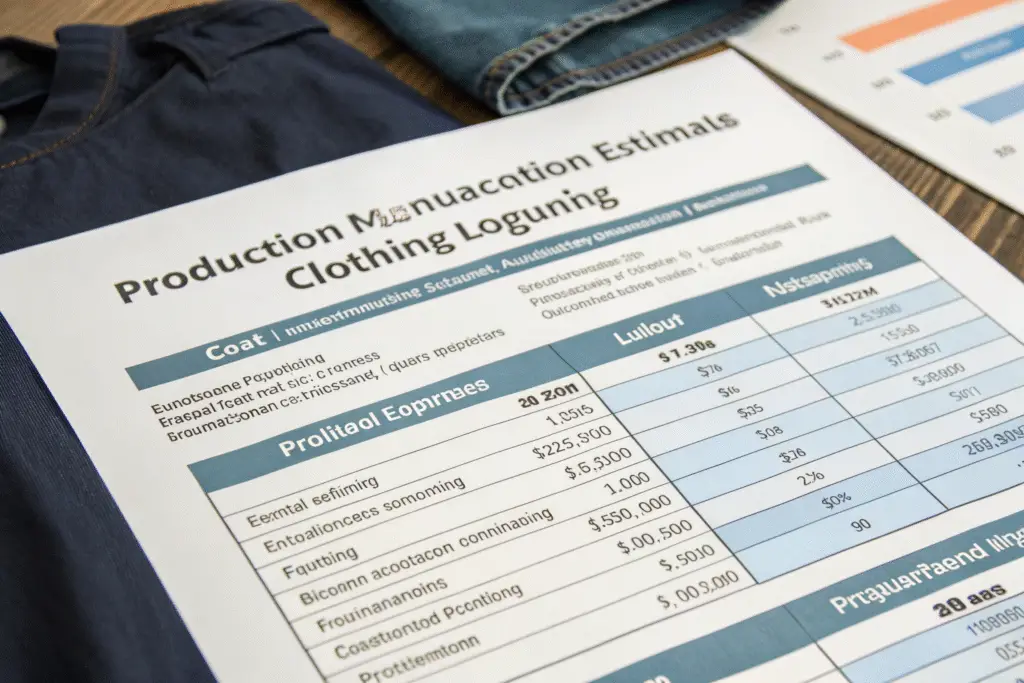
When you receive a production estimate from a potential clothing manufacturer, do you know what to look for? Many brand owners feel overwhelmed by the numbers and technical terms. A detailed estimate is more than just a price list. It is a blueprint of your entire production process and partnership. Understanding how to evaluate it can save you from future headaches and financial losses.
A production estimate is your first real look at a manufacturer's capabilities, transparency, and reliability. It breaks down all costs involved in making your apparel, from fabric and trims to labor and logistics. A thorough evaluation helps you avoid hidden costs, ensures quality standards, and confirms that the manufacturer can deliver on time. This guide will walk you through the key components of a clothing manufacturer's production estimate, empowering you to make an informed sourcing decision.
Let's dive into the specifics of what makes a production estimate reliable and how you can critically assess each part.
What Are The Key Components Of A Production Estimate?
A clear estimate should leave no room for guesswork. It must detail every cost element that contributes to the final price per piece. Missing components can lead to unexpected charges later.
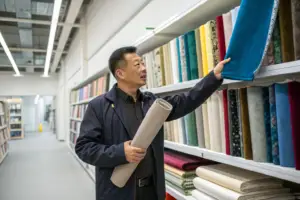
The most critical components are material costs, labor costs, and logistics charges. Material costs cover the fabric, threads, zippers, and labels. Labor costs include cutting, sewing, and finishing. Logistics charges handle shipping and customs. A transparent manufacturer will list these separately. This allows you to see exactly where your money is going. For example, if fabric prices spike, you can understand why the overall cost has changed.
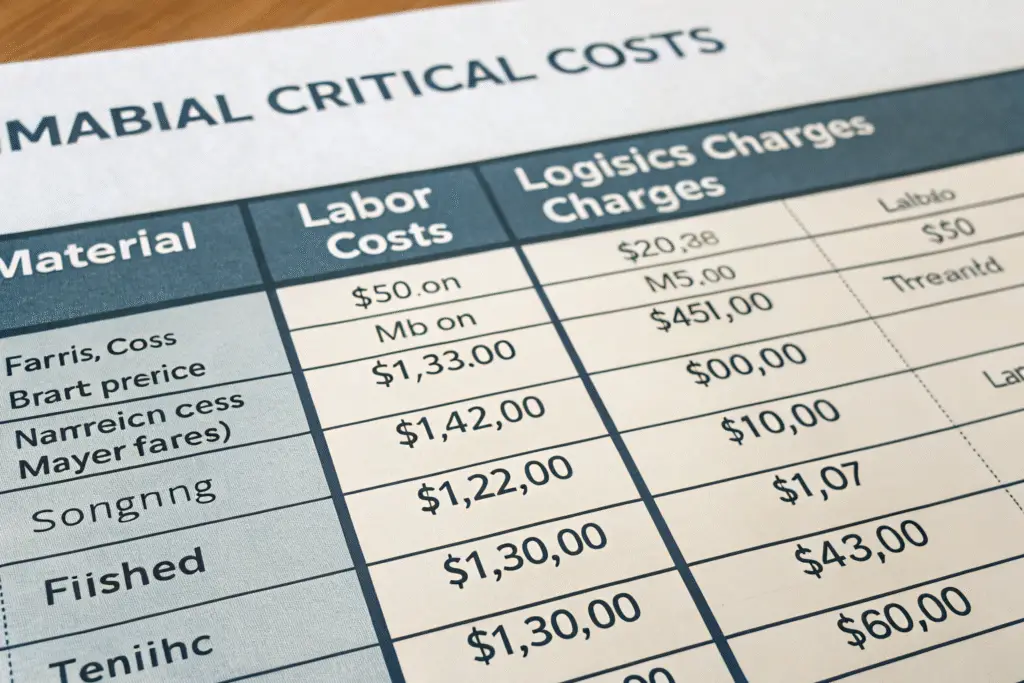
Why is a detailed cost breakdown non-negotiable?
A detailed cost breakdown is essential for budget control and trust. It prevents manufacturers from adding hidden fees after you agree. I recall a situation in early 2023 with a startup sportswear brand from Colorado. Their initial quote from another supplier seemed low. However, it lacked a detailed breakdown. When they came to us for a second opinion, we provided a transparent estimate. Our quote listed every item, down to the specific type of polyester fabric and the cost of custom plastic polybags. This transparency allowed them to see that the seemingly cheaper option was actually missing several key cost items. They avoided a potential 15% cost overrun by choosing to work with us.
How can you verify the accuracy of labor cost calculations?
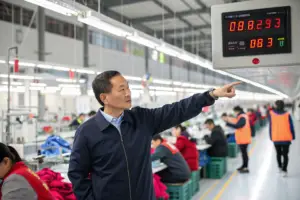
Verifying labor costs requires understanding the Standard Allowed Minute (SAM) for your garment. SAM measures the time it should take to complete a specific operation. You can ask the manufacturer for the SAM values they used for critical steps like sewing the body or attaching sleeves. Compare these times with industry benchmarks. Another method is to request a virtual tour of the factory floor. Seeing the production lines and workflow can give you confidence in their efficiency. We often share short, pre-recorded videos of our 5 production lines in action with serious clients. This demonstrates our modern equipment and organized workflow, which directly justifies our labor time calculations.
How To Spot Hidden Costs And Unrealistic Timelines?
A low initial quote can be tempting, but it often masks hidden costs. Similarly, an overly optimistic timeline can jeopardize your entire selling season. You must learn to identify these red flags.
Hidden costs often lurk in areas like tooling, samples, and quality testing. Some manufacturers might charge extra for creating new patterns (tooling) or for the second and third pre-production samples. Unrealistic timelines usually fail to account for fabric sourcing, sample approval, and buffer time for revisions.
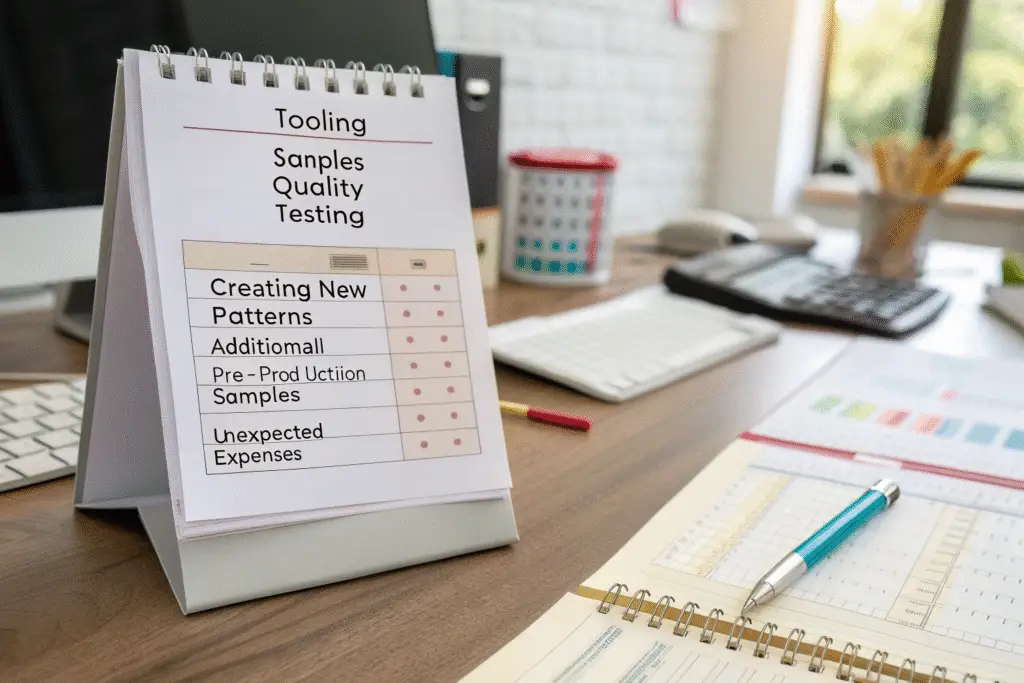
The most common hidden costs involve sampling, testing, and logistics. Here is a quick table for reference:
| Hidden Cost Category | Specific Examples |
|---|---|
| Sampling | Charges for fit samples, photo samples, and pre-production samples beyond the first one. |
| Testing | Fees for fabric quality tests, colorfastness tests, or compliance with international safety standards. |
| Logistics | Charges for export documentation, customs clearance assistance, or port congestion fees. |
We learned this the hard way with a client who switched to us from a less transparent supplier. The client was shocked by extra fees for azo-free dye testing and a fabric inspection report. Now, we include the cost for two rounds of revisions in our initial sampling fee and clearly state which lab tests are included.
Why should you always question an overly aggressive timeline?
An aggressive timeline often cuts corners on quality control and doesn't account for delays. For instance, sourcing a specific type of organic cotton can take several weeks longer than conventional cotton. A realistic timeline builds in buffer for each stage. Last year, a denim brand from Texas approached us with a very tight deadline for 10,000 jeans. Another factory promised a timeline that was 20% shorter than ours. The brand went with them but faced massive delays because the factory hadn't secured enough indigo denim fabric. The shipment was late, and the brand missed their key marketing campaign. They now partner with us because we provide a timeline that includes verified fabric lead times.
What Quality Assurance Metrics Should Be Included?
The estimate must outline the quality control measures that are included in the price. This is your guarantee that the final products will meet your standards.
Key metrics include the First Article Inspection (FAI), In-Process Quality Control (IPQC), and the Final Random Inspection (FRI) standard. The AQL (Acceptable Quality Level) is a critical benchmark for the final inspection.
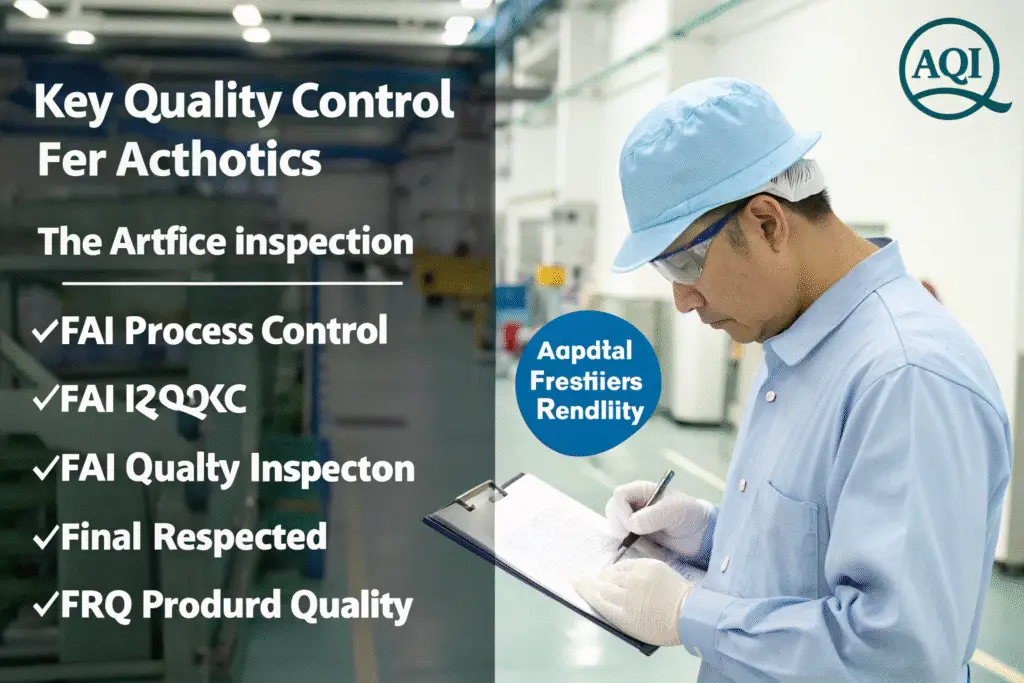
How does the AQL standard protect your order?
The AQL standard is a statistically based method that determines how many pieces from a batch are inspected and how many defects are acceptable. Most apparel orders use AQL 2.5 for major defects. This means the inspection will reject the batch if the number of major defects exceeds 2.5%. Including this in the estimate shows the manufacturer has a structured QC system. We had a client from Chicago who ordered 5,000 knitted polo shirts. Our estimate specified a final AQL 2.5 inspection. During inspection, we found a stitching issue affecting 4% of the batch. We halted the shipment and had the entire batch reworked at our cost, protecting the client from a defective product launch.
Why is in-process quality control more important than final inspection?
In-process Quality Control (IPQC) catches problems during production, not at the end. This is crucial because fixing a defect when it first occurs is far cheaper and faster than reworking thousands of finished garments. A manufacturer that emphasizes IPQC in their estimate is investing in prevention. Our factory has QC staff stationed at every production line. They check components like pocket placement and seam strength after each major operation. This system caught a pattern-cutting error for a batch of 8,000 jackets for a New York brand last fall. Because we caught it early, we only had to recut 200 panels instead of the entire batch, saving three weeks of production time.
How To Assess The Manufacturer's Communication And Reliability?
The estimate is a reflection of the manufacturer's professionalism. Clarity, responsiveness, and willingness to provide evidence are key indicators of a reliable partner.
A good estimate is easy to understand and free of vague jargon. The manufacturer should be quick to answer your questions and provide supporting documents without hesitation.

What questions should you ask after receiving an estimate?
You should ask specific questions to test their expertise and transparency. Here are some critical ones:
- Can you provide a reference from a similar U.S. client?
- What is your protocol if a production delay occurs?
- Can I see your factory's audit reports or certifications?
- Who will be my single point of contact throughout the order?
We encourage these questions. For a recent client, we connected them with an existing client in Oregon who could vouch for our DDP (Delivered Duty Paid) service reliability. We also provided a copy of our SMETA audit report, which gave them confidence in our ethical practices.
Why is a single point of contact crucial for project success?
A single point of contact, like a Project Manager, streamlines communication. It prevents your instructions from getting lost between sales, technical, and production teams. This person owns the responsibility for your order from start to finish. We assign a dedicated Project Manager to every client. This practice was born from a lesson we learned years ago when a client's email about a color change was missed by the production team. Now, with one manager in charge, communication is efficient, and accountability is clear, ensuring that your vision is executed accurately.
Conclusion
Evaluating a clothing manufacturer's production estimate is a critical skill that goes beyond comparing bottom-line prices. You must scrutinize the cost breakdown for transparency, hunt for hidden fees, verify quality assurance metrics, and assess the manufacturer's communication style. A detailed and honest estimate is the foundation of a trustworthy partnership. It shows a manufacturer who is confident in their processes and has nothing to hide. By taking the time to understand each component, you protect your brand, your budget, and your timeline.
If you are looking for a manufacturing partner who provides transparent, detailed estimates and reliable execution, let's talk. We at Fumao Clothing are ready to become your trusted extension in China. For a detailed discussion on your next apparel project, please contact our Business Director, Elaine, at elaine@fumaoclothing.com.