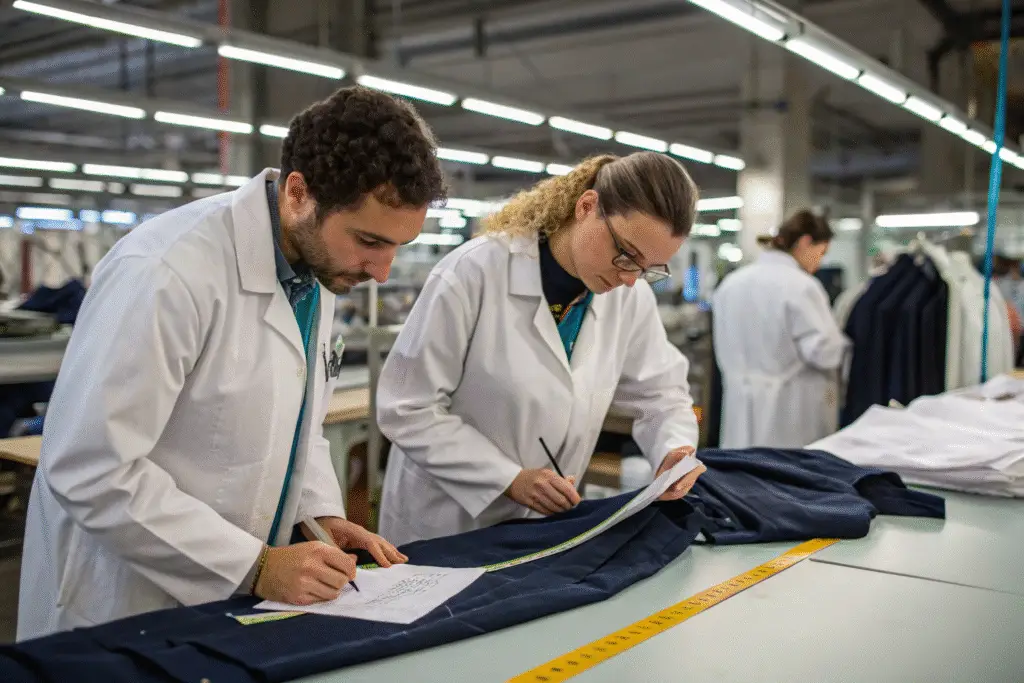
In the world of apparel manufacturing, quality is your brand's backbone. One defective shipment can ruin customer trust, return rates can skyrocket, and profits vanish. For buyers like Ron in the U.S., the ability to judge a factory's quality control (QC) department is no longer optional—it's essential.
The best way to evaluate a clothing factory’s QC department is to examine their inspection processes, certifications, team expertise, and transparency.
This article outlines how we help global clients like Ron determine whether a supplier has the quality systems to deliver consistent, retail-ready garments—season after season.
What Are the Key Roles of a QC Department in Apparel Production?
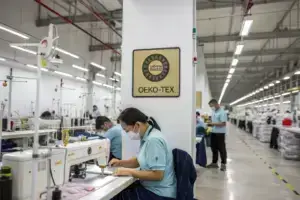
No QC, no control. A factory's quality control department is the final gatekeeper before garments reach your warehouse or shelves. Understanding the structure and purpose of QC is step one in supplier evaluation.
A strong QC team checks raw materials, monitors production, inspects finished garments, and ensures packaging meets export and brand standards.
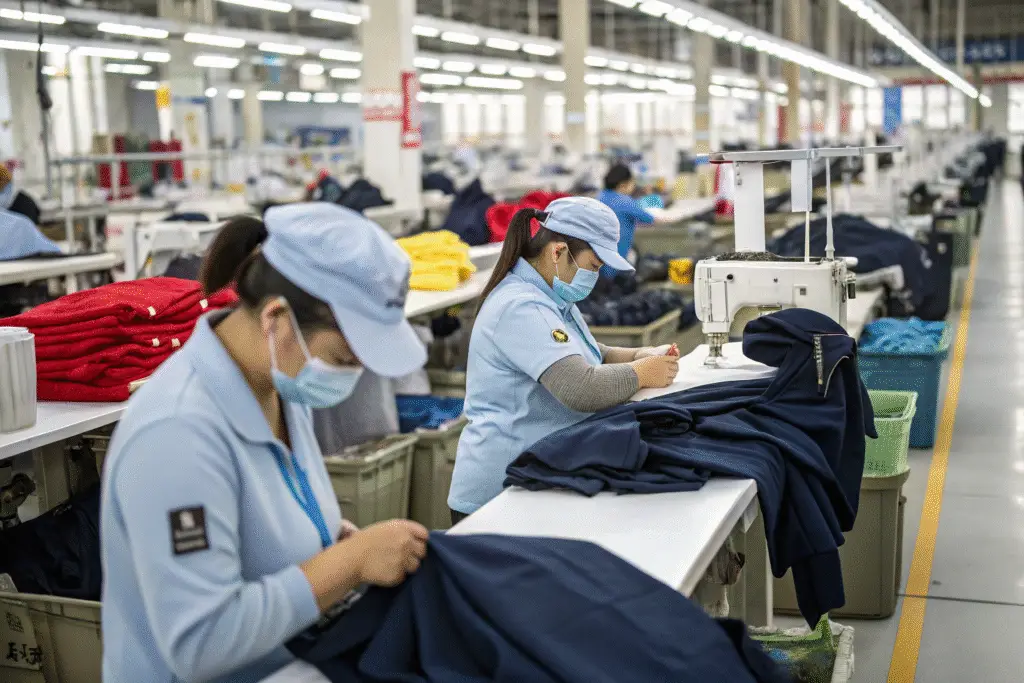
How Is a QC Department Typically Structured?
A well-organized QC department typically includes:
- Raw material inspectors
- In-line quality checkers
- Final QC supervisors
- AQL (Acceptable Quality Limit) auditors
- Reporting staff
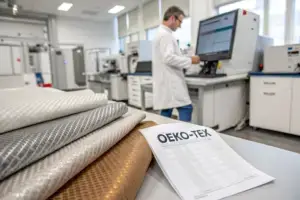
At Fumao, our QC process starts with incoming fabric testing for GSM, shrinkage, and colorfastness using calibrated tools. We reference standards from ASTM International and ISO 105 to ensure global compliance.
Final goods go through AQL Level II inspection (per ANSI/ASQ Z1.4). This guarantees that the sample reflects overall batch quality.
Our team is trained regularly and rotates across product categories to maintain vigilance.
What Tools and Tests Should a Factory Use?
An advanced QC department uses both visual checks and measurement tools. For example:
- Button pull test machines
- Needle detectors
- Stitch density gauges
- Color matching cabinets
We use equipment from brands like SDL Atlas and James Heal to evaluate pilling, seam strength, and abrasion resistance.
Buyers should ask if a factory has documented test protocols and calibrated tools. If a factory just “eyeballs” defects, walk away. Quality today needs data.
Which Certifications Prove Quality Management Capabilities?
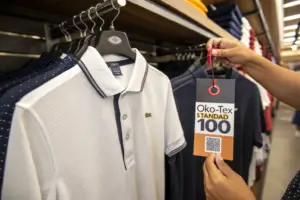
Certifications aren’t just paperwork—they're proof of process maturity. Many suppliers in developing countries claim quality standards, but only few can verify them with documentation.
The best QC departments are backed by systems like ISO 9001 and certified by third-party audits such as BSCI, WRAP, or Intertek.
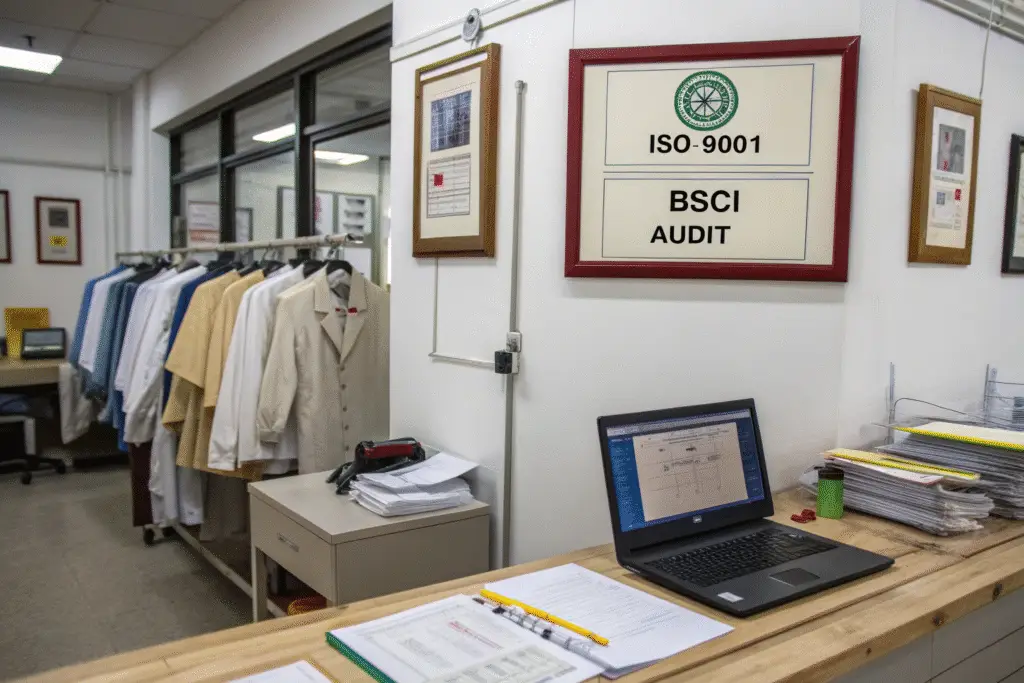
What Does ISO 9001 Say About QC?
ISO 9001:2015 outlines best practices for quality management systems. It ensures a factory has:
- Documented procedures
- Regular training
- Internal audits
- Corrective action protocols
At Fumao, we maintain digital SOPs and non-conformance logs per ISO standards. This means when a defect is found—whether during sewing or packing—it’s traced back and solved before bulk delivery.
We also integrate ISO documentation with ERP systems for digital tracking across departments.
Are BSCI and WRAP Enough for Apparel QC?
Not by themselves. BSCI and WRAP are social compliance audits, focusing more on ethical conditions. However, they do require factories to maintain records for training, inspections, and quality awareness.
Pairing BSCI with technical audits like Intertek’s CAP audits gives a complete view. Ron and other buyers often request both sets during pre-approval to reduce risk.
If a supplier cannot show valid, current certificates—beware. Transparency is non-negotiable.
What Are the Different Inspection Stages in Garment QC?
Quality isn’t just checked at the end—it’s built throughout the process. That’s why a professional QC department operates at multiple stages of garment manufacturing.
Effective QC involves early detection systems, in-line corrections, and final batch approval based on pre-defined quality benchmarks.
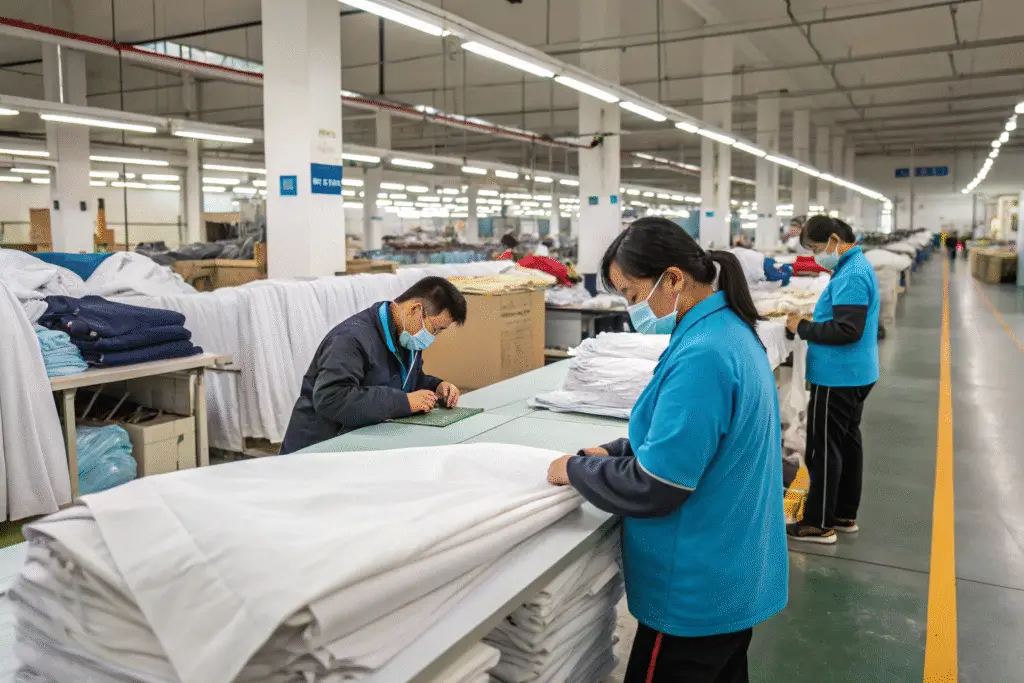
What Is Checked During Raw Material and Cutting?
Fabric issues cause most quality defects. That’s why our QC process starts with checking:
- Fabric width, weight, and shrinkage
- Color shade variation (with Pantone references)
- Defects like slubs, streaks, or holes
Once fabric passes, we run audits on cutting precision using CAD markers. Inaccurate cutting causes seam tension problems, so we verify with Gerber Technology tools.
Ron always requests a cutting approval sample before we proceed. This builds confidence early.
What Happens During In-Line and Final Inspections?
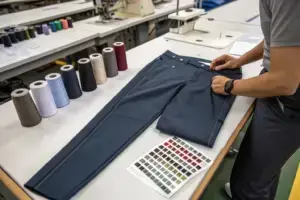
In-line inspection is where production QC shines. Our trained checkers examine:
- Seam alignment
- Labeling accuracy
- Stitch counts
- Thread trimming
We log defects on tablets using Qarma, allowing clients to monitor in real time. Final inspection then uses AQL Level II sampling per batch size, guided by charts from ASQ.
We also perform packaging audits, checking barcode accuracy, polybag sealing, and carton strength tests.
Defects found? They’re logged, photographed, and resolved before dispatch.
How Transparent Should a Factory Be About QC Reporting?
A strong QC team doesn’t just inspect—they report and communicate. Buyers need access to real-time data, not vague promises. In fact, QC transparency is often the clearest indicator of a factory’s professionalism.
Look for suppliers that offer live dashboards, photo reports, and full defect traceability.

What Should a Good QC Report Include?
Our standard reports include:
- Product code and description
- Date of inspection
- Inspector name and batch number
- Photos of defects (if any)
- AQL pass/fail status
- Corrective action (if required)
We generate these using Inspectorio and send PDF summaries post-inspection. Buyers like Ron appreciate photo-embedded results, not just numbers.
This documentation helps prove quality downstream if returns or disputes arise.
Can QC Data Be Integrated into Your Workflow?
Yes. We offer API integration for brands with centralized systems. That means you can view inspection data directly inside your WMS or ERP dashboard.
Real-time syncing reduces errors and delays. It also keeps your entire team—from buyers to logistics—aligned on what’s shipped and when.
Transparency isn’t just a courtesy. It’s how you build trust and prevent mistakes.
Conclusion
A clothing factory's QC department is its backbone—and your insurance policy. At Fumao Clothing, we invite every client to audit our systems, observe our processes, and request any documentation needed.
Because when quality fails, nobody wins. But when quality is assured, your brand builds customer loyalty, reduces return costs, and scales profitably.
If you're sourcing apparel from China or elsewhere, don’t just ask if QC exists. Dig into how it works—and who’s running it.