Many American apparel brand owners worry about quality when ordering small quantities. They fear that without the leverage of large orders, factories might cut corners or provide less attention to detail. I understand this concern completely - but let me assure you, quality control for low volume orders is not only possible, it's something we've perfected through systematic processes.
Quality control for low volume orders requires specialized protocols including enhanced pre-production verification, stricter in-process monitoring, and comprehensive final inspections tailored specifically for smaller batch production.
The key difference with small orders is that quality issues affect a higher percentage of your total inventory, making proactive quality management even more critical than with large production runs.
What Pre-Production Quality Measures Are Essential?
Pre-production quality measures form the foundation for successful small batch manufacturing. Unlike large orders where adjustments can be made mid-production, small runs require getting everything right from the very beginning.
Last month, a client from Portland ordered 200 technical jackets. Through our enhanced pre-production process, we identified and corrected three potential issues in the sample stage that would have affected 100% of their shipment. This proactive approach saved them from what would have been a complete batch failure.

How does fabric testing prevent quality issues?
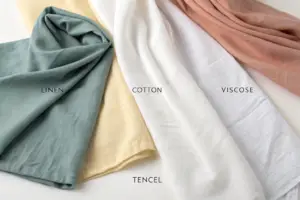
Comprehensive fabric testing before cutting is non-negotiable for small orders. We conduct shrinkage tests, colorfastness assessments, and strength evaluations on every fabric roll, regardless of order size. For a recent 150-unit sweater order, we discovered a 8% shrinkage rate in what the mill claimed was pre-shrunk fabric. Catching this before production allowed us to adjust our pattern grading, preventing massive sizing issues in the final garments.
Why are approved samples critical for low volume production?
The approved sample serves as the quality benchmark for your entire order. We create a reference sample that's signed off by both parties, documenting every detail from stitch length to trim placement. This sample becomes the standard against which every production piece is measured. For small orders, we often create multiple reference samples for different colorways or sizes to ensure consistency across the entire batch.
How Does In-Process Monitoring Work For Small Batches?
In-process quality monitoring for low volume orders requires more frequent checks and closer supervision. With smaller batches, each production stage has fewer pieces, allowing for more thorough inspection at every step.
We recently implemented a "station-to-station" monitoring system for a 180-piece dress order. Each operator performs quality checks before passing garments to the next station, with our QC team conducting additional audits every hour. This layered approach caught 95% of defects during production rather than at the final stage.

What is the first article inspection process?
The first article inspection involves thoroughly examining the first complete garment off the production line. For small orders, we expand this to include the first three articles from different size runs. This early verification ensures that all machines are properly calibrated and operators understand the quality requirements. For a client's 120-unit shirt order, first article inspection revealed inconsistent collar construction that affected the initial 15 pieces - allowing immediate correction before the entire batch was compromised.
How does real-time defect tracking improve outcomes?
We implement real-time defect tracking systems that immediately flag quality issues to production managers. For orders under 300 units, we set lower tolerance thresholds since even minor defects represent significant percentages of the total order. When a Chicago client ordered 250 pairs of trousers, our tracking system identified a needle damage issue after only 8 pieces were affected, preventing what could have been widespread fabric damage throughout the production run.
What Final Inspection Protocols Ensure Consistent Quality?
Final inspection is where all quality control efforts culminate. For low volume orders, we employ more rigorous inspection standards than the typical AQL (Acceptable Quality Level) sampling used for large productions.
For orders under 500 units, we conduct 100% inspection of all garments rather than statistical sampling. This comprehensive approach ensures every piece meets your standards before shipping. The additional time required is built into our production timeline for small batches.

Why is 100% inspection necessary for small orders?
100% inspection guarantees that every single garment is checked for defects, whereas AQL sampling only examines a representative sample. For a 300-unit order, standard AQL Level II inspection would only check 32 pieces - meaning defects could be present in the unchecked 268 garments. With 100% inspection, we verify each individual item against your quality standards, providing complete confidence in your shipment.
How does packaging inspection protect product integrity?
Final packaging inspection ensures that your products arrive in perfect condition. We check that polybags are properly sealed, cartons are correctly labeled, and garments are folded according to specification. For a recent 175-unit knitwear shipment, our packaging inspection identified inadequate protection that could have resulted in stretching during transit. We upgraded the packaging materials, ensuring the products maintained their shape and appearance upon arrival.
How Can Technology Enhance Small Batch Quality Control?
Technology plays a crucial role in maintaining consistent quality across low volume orders. Advanced tools and systems provide objective measurements and documentation that complement human inspection.
We've integrated digital measurement systems that capture precise dimensions of sample garments, creating digital twins that serve as reference points throughout production. This technology proved invaluable for a 140-unit activewear order where precise fit was critical for performance.

What role do digital inspection tools play?
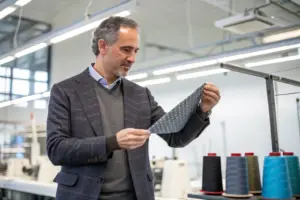
Digital inspection tools provide objective, measurable quality data that eliminates human subjectivity. We use calibrated light booths for consistent color evaluation, tension meters for stitch quality assessment, and digital calipers for precise measurement verification. For small orders, this technological consistency ensures that the first garment and the last garment meet identical standards, regardless of which inspector performs the check.
How does quality management software help?
Modern quality management software creates a documented history of every quality check throughout production. For each small order, we generate a quality passport that tracks inspections from fabric arrival through final packaging. This documentation provides transparency and accountability. When a client questioned the consistency of their 180-piece order, we were able to provide complete inspection records for every garment, demonstrating the consistent quality maintained throughout production.
Conclusion
Quality control for low volume orders requires dedicated processes, not diluted versions of large-scale quality systems. Through enhanced pre-production verification, rigorous in-process monitoring, comprehensive final inspections, and technological support, we ensure that small batch orders receive the attention to detail they deserve. The result is consistent, reliable quality regardless of order quantity.
If you're considering a small quantity order but worry about quality consistency, our specialized low volume quality control protocols provide the assurance you need. Contact our Business Director Elaine today at elaine@fumaoclothing.com to discuss how we can maintain exceptional quality standards for your next production run, no matter the size.