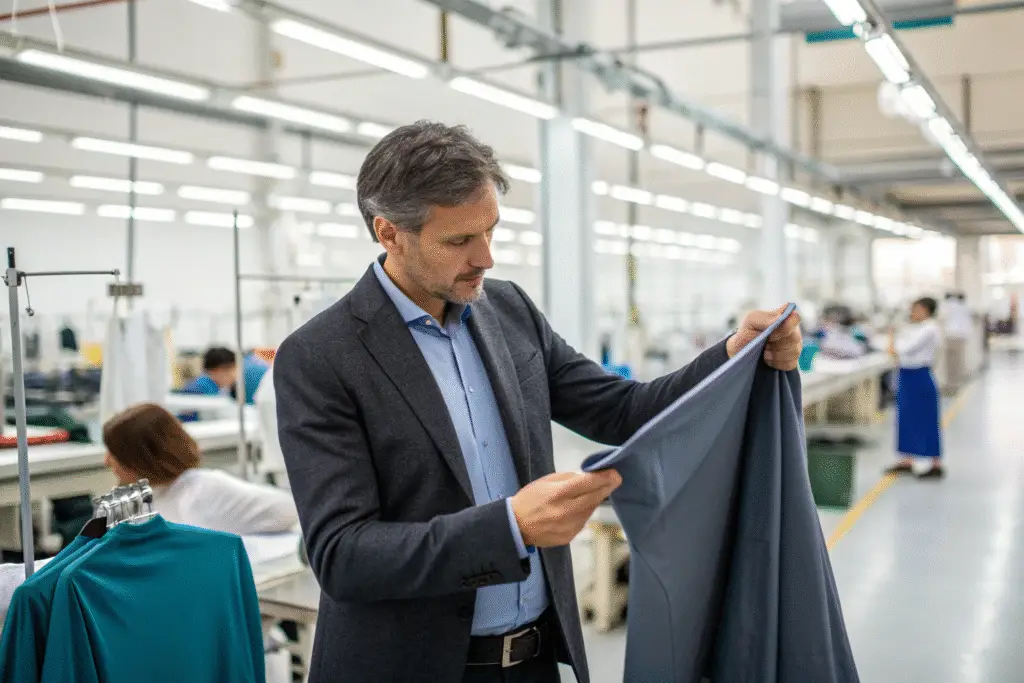
As a U.S. apparel brand owner, you know that consistent quality is the fabric of your reputation. A single batch of flawed garments can unravel customer trust and cut into your profits. At Fumao Clothing, we understand this deeply. We have built our entire operation around protecting your brand through rigorous quality control.
Ensuring quality control in garment production requires a multi-stage system that integrates pre-production material inspection, in-process checks during manufacturing, and a final random audit of finished goods. This comprehensive approach, combined with clear communication and a partnership with a manufacturer that has robust certifications, is the most effective way to guarantee that every piece meets your exact specifications and quality standards. It's not just about finding defects; it's about building a process that prevents them from happening in the first place.
Let's delve into the specific steps and checks that create a bulletproof quality control system for your clothing line.
What Are The Key Stages Of Garment Quality Control?
A strong quality control system is not a single event but a continuous process woven into the very fabric of production. It begins long before the first piece of fabric is cut and continues until the final carton is sealed. This proactive, multi-layered approach is what separates reliable manufacturers from the rest.
How does pre-production inspection prevent defects?
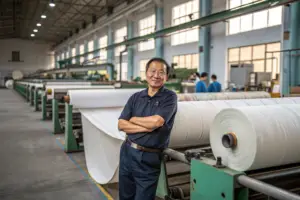
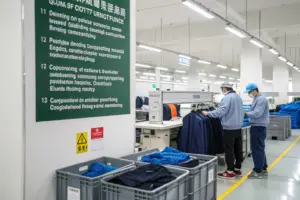
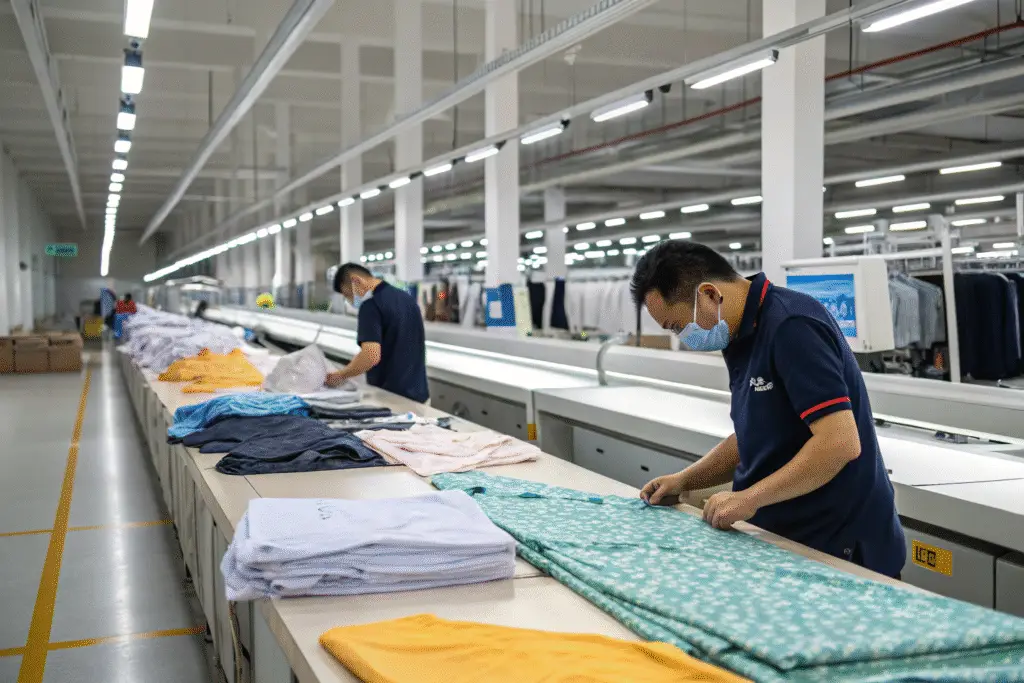
The foundation of a high-quality garment is laid before production even starts. This initial stage focuses on verifying all inputs. We begin with a thorough fabric inspection. Every roll of material is checked on a lightbox for defects like color variations, weaving flaws, or stains. This is followed by testing the fabric's performance against international standards for colorfastness, shrinkage, and pilling. Next, we approve all trims and accessories—zippers, buttons, threads—for functionality and consistency. Finally, a pilot run or pre-production sample is made to confirm the fit, design, and construction are perfect before mass production begins. This proactive step prevents costly large-scale errors.
Why is in-process monitoring crucial during manufacturing?
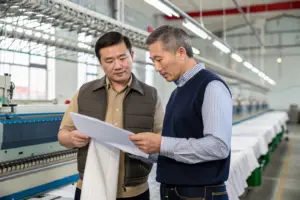
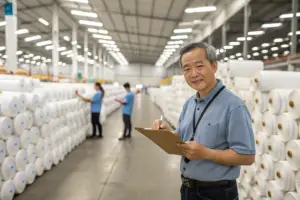
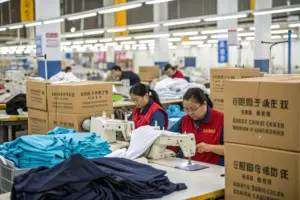
Catching an issue early saves time, money, and materials. In-process monitoring is our real-time defense against defects. Our quality team conducts checks at critical points along the production line. After fabric is spread and cut, we audit the cut panels to ensure they match the pattern perfectly. During sewing, we monitor stitch quality, seam strength, and assembly accuracy. A key tool we use is the AQL (Acceptable Quality Level) sampling method, which provides a statistical basis for checking random units at various stages. This allows us to identify and correct a trending issue, like inconsistent stitching tension, before it affects the entire batch.
How To Establish Effective Quality Control Standards?
Without clear, measurable standards, quality control becomes subjective and unreliable. Establishing a concrete framework is essential for aligning your expectations with our production reality. This framework is built on precise specifications and trusted certifications.
What should be included in a tech pack for quality?
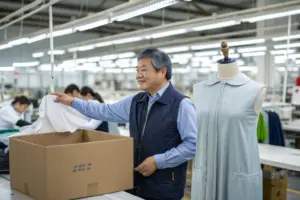
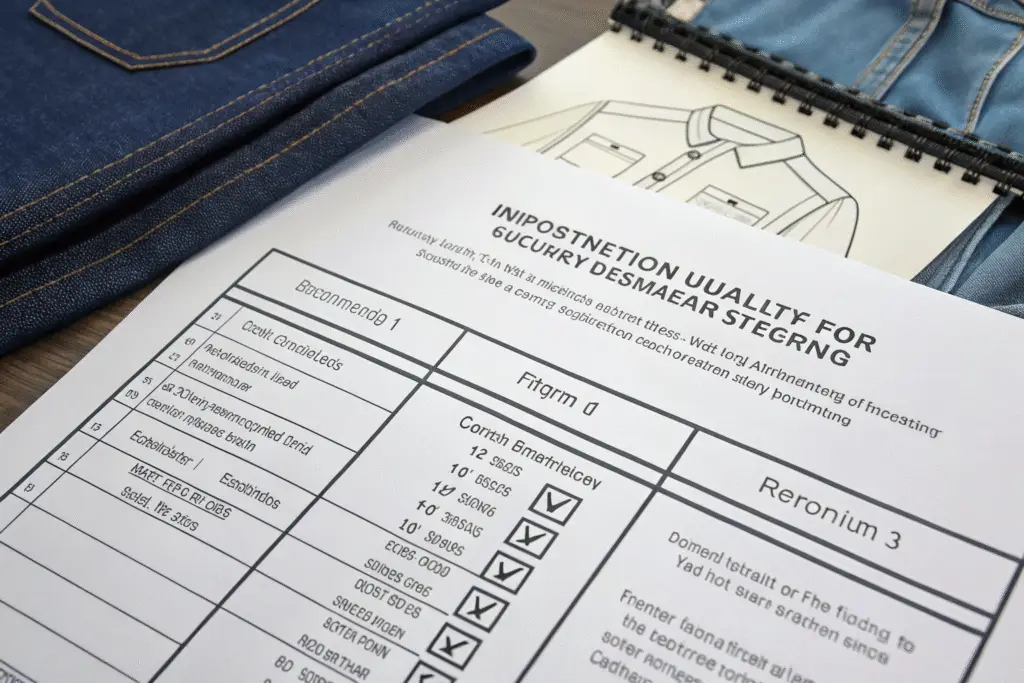
A comprehensive tech pack is the single most important document for ensuring quality. It is the blueprint that leaves no room for interpretation. It must include detailed garment specifications with precise measurements for every size. It should specify the exact fabric composition and weight, along with required physical test reports. The tech pack must also call out all construction details, such as stitch types (e.g., lockstitch vs. overlock) and seam finishes. Furthermore, it needs clear instructions for trims, labels, packaging, and on-demand labeling. The more detailed your tech pack, the higher the fidelity of the final product.
Which international quality certifications matter most?
Certifications provide an independent, third-party validation of a factory's commitment to quality and ethical practices. For U.S. brands, several key certifications are paramount. The OEKO-TEX Standard 100 is crucial, as it certifies that textiles are free from harmful substances. For overall quality management systems, the ISO 9001 certification demonstrates that a factory has standardized processes for consistent quality. For organic claims, the Global Organic Textile Standard (GOTS) is the most recognized. We ensure all our certificates are verifiable and never falsified, providing you with complete peace of mind.
| Certification | Focus Area | Why It Matters to Your Brand |
|---|---|---|
| OEKO-TEX Standard 100 | Product Safety | Verifies fabrics are free from harmful chemicals, ensuring consumer safety. |
| ISO 9001 | Quality Management | Confirms the factory has a robust system for consistent quality and continuous improvement. |
| GOTS | Organic Fibers | Provides assurance for organic content and environmentally responsible manufacturing. |
What Are Common Quality Issues In Clothing Manufacturing?
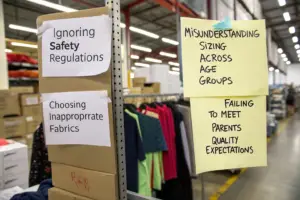
Understanding where problems typically occur allows for targeted inspections and smarter production planning. The most common complaints often revolve around construction, fabric, and finishing details. Being aware of these pitfalls helps us focus our quality control efforts.
How can you identify and avoid stitching defects?
Stitching problems are among the most frequent quality issues. They can weaken the garment and ruin its appearance. Common defects include skipped stitches, uneven stitch length, and loose threads. To identify them, inspectors apply tension to seams to check for strength and consistency. Using the right needle and thread for the fabric type is a fundamental preventative measure. We also calibrate our industrial sewing machines regularly. For you, specifying the required stitches per inch (SPI) in your tech pack is a critical step to avoid these issues from the start.
What causes fabric color and shrinkage problems?
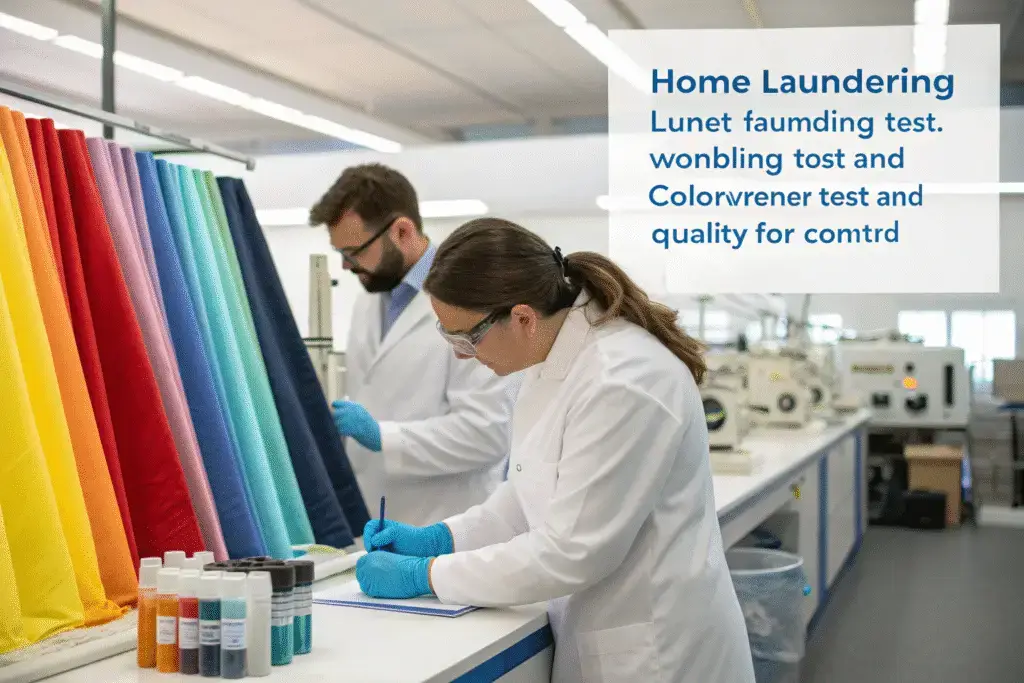
Fabric issues can lead to entire order cancellations. Two of the most critical problems are color inconsistency and excessive shrinkage. Color problems can stem from improper dyeing or printing processes, leading to shade variations within a single garment or across different batches. Shrinkage occurs when the fabric wasn't properly pre-shrunk before cutting. We mitigate this by conducting lab tests like the home laundering test and colorfastness to washing on fabric samples before production. This data ensures the final garments will maintain their size and color after your customers wash them.
How To Choose A Reliable Garment Manufacturer For QC?
Your choice of manufacturing partner is the ultimate determinant of quality control success. The manufacturer's infrastructure, communication style, and overall reliability are just as important as their technical capabilities. You need a partner, not just a vendor.
Why is direct communication with the factory vital?
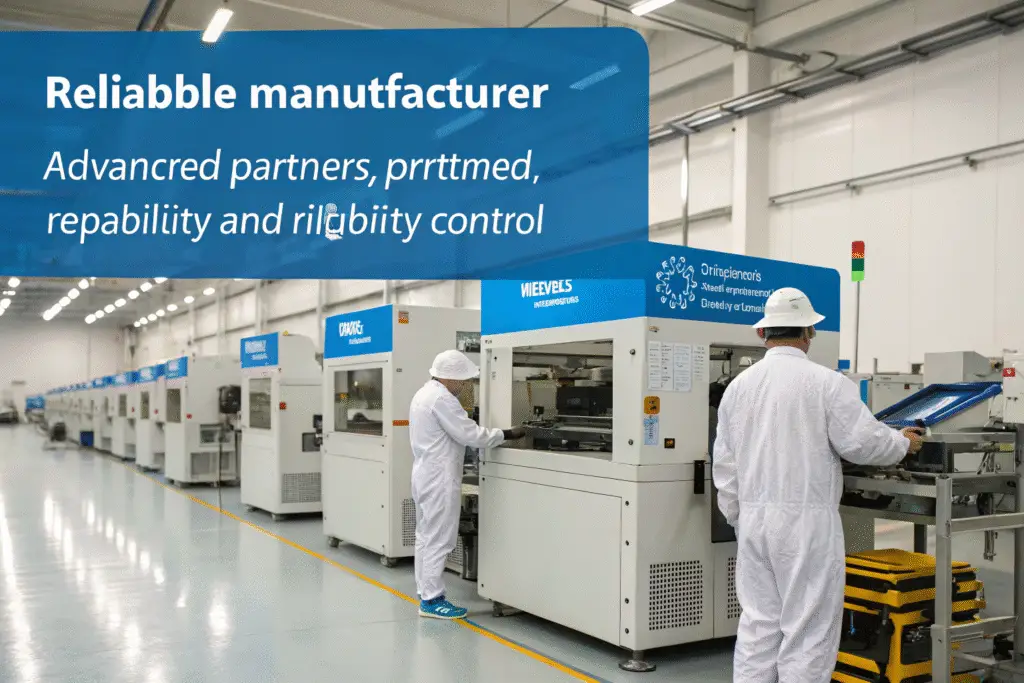
Inefficient communication is a major pain point that leads to quality failures. When messages are relayed through multiple sales reps, details get lost. We solve this by giving you direct access to our production and quality management team. This eliminates the "middleman fog" and ensures your feedback and instructions are heard and implemented accurately the first time. Clear, timely communication allows for quick problem-solving and builds a transparent partnership where quality is the shared, unambiguous goal.
What logistics safeguards ensure on-time delivery?
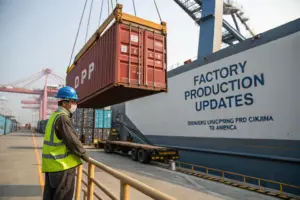
A delayed shipment is a quality issue for your business, as it causes you to miss crucial selling seasons. A reliable manufacturer must have robust logistics safeguards. We operate on a DDP (Delivered Duty Paid) Incoterms basis, meaning we manage the entire shipping process, including customs clearance. We work with a portfolio of trusted freight forwarders and plan shipments with a buffer for unforeseen delays. Our commitment to on-time delivery is backed by a transparent logistics process, giving you one less thing to worry about and ensuring your quality products reach you when you need them.
Conclusion
A rigorous, multi-stage quality control system is non-negotiable in today's competitive apparel market. It protects your brand's reputation, reduces costly returns, and builds lasting customer loyalty. By understanding the key stages—from pre-production to final inspection—and partnering with a manufacturer that embeds these principles into its culture, you can bring your apparel visions to market with confidence. Remember, true quality control is not an added cost; it's a valuable investment in your brand's future.
If you are looking for a manufacturing partner dedicated to upholding the highest quality standards for your U.S. brand, let's discuss your next project. For a direct conversation with our Business Director, Elaine, please reach out at elaine@fumaoclothing.com. We are here to ensure your success.