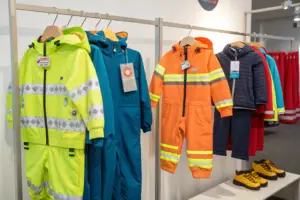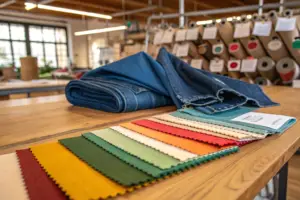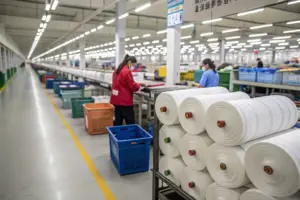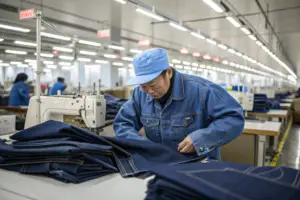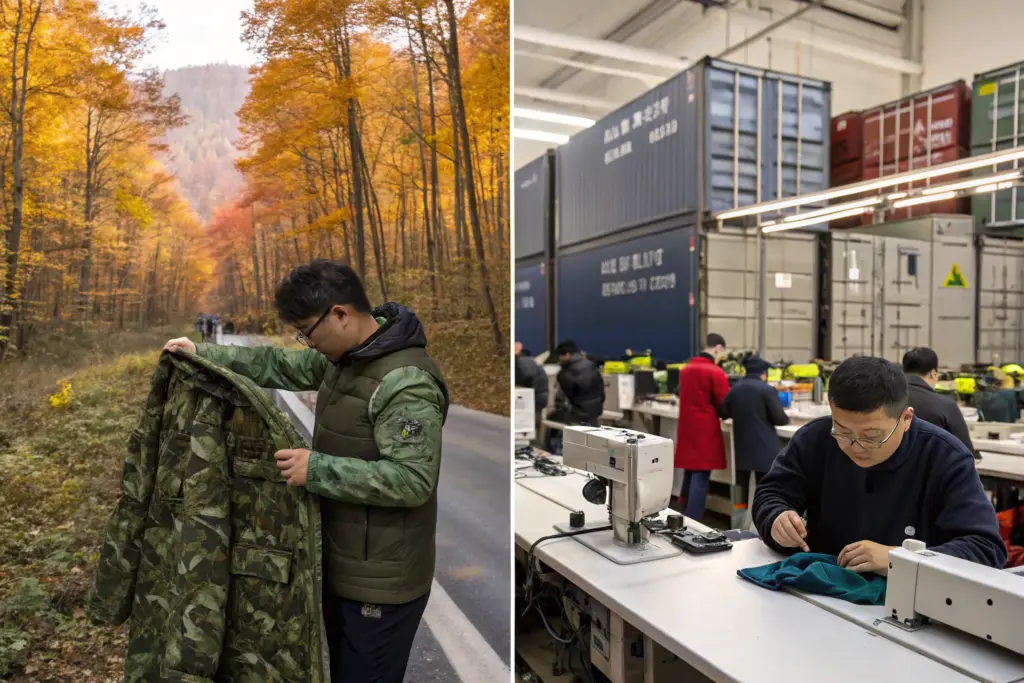
Every year, brands face the same nightmare: their critical fall hunting collection arrives at port in November, missing the entire early-season rush. The financial loss is staggering. Delayed delivery isn't just an inconvenience; it's a direct hit to your annual revenue. The challenge of aligning complex offshore production with rigid seasonal deadlines is immense, but it's not insurmountable.
Ensuring on-time delivery for seasonal hunting apparel requires a strategic, proactive partnership with your manufacturer, built on backward planning from your in-store date, locked long-lead material schedules, and a transparent, communicated production timeline with built-in buffers for each stage.
Success comes from treating your factory as an extension of your team, not just a vendor. As a manufacturer who has navigated these seasonal crunches for years, I'll share the concrete steps that distinguish on-time projects from delayed ones.
Why is backward planning non-negotiable for seasonal deadlines?
Most brands plan forward: "It takes 60 days to produce, so if I order in July, I'll get it in September." This is the most common mistake. Forward planning leaves no room for error. Backward planning starts with your non-negotiable "must-have" date and works backwards through every single step.
You begin with your target in-store date (e.g., August 1st). Then, you subtract time for ocean freight, customs, domestic logistics, factory finishing, production, sourcing, and sampling. The date you arrive at is when your final tech pack must be ready. This process reveals the true, often shockingly early, deadlines.
Let's break down a real-world timeline for a Fall hunting jacket collection to see where time actually goes.
What does a realistic timeline from design to delivery look like?
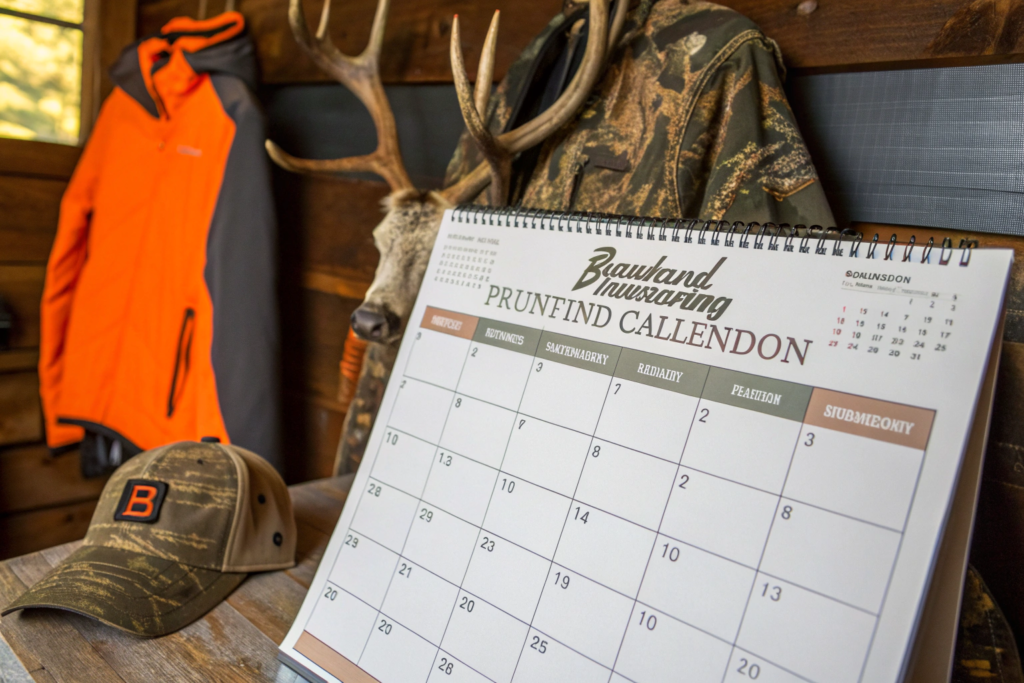
For a new collection hitting stores August 1st, the timeline is longer than most anticipate. Here is a condensed, real schedule we developed with a Midwest-based hunting brand last year:
| Key Milestone | Target Date | Activity & Buffer |
|---|---|---|
| In-Store Date | August 1 | Product must be on retail shelves. |
| Port Arrival (USA) | June 25 | Allows for customs clearance & inland trucking. |
| Factory Gate Date | May 20 | Order completed, packed, and ready for export. |
| Production Start | April 1 | Fabric and components must be on-site. |
| Raw Material Sourcing | February 15 | Order fabric (Realtree, etc.), zippers, insulation. |
| Final Sample Approval | January 31 | All styles signed off, no more changes. |
| Initial Tech Pack Ready | November 15 (Previous Year) | Design and development begin. |
This schedule shows that for an August launch, development must start nearly 9 months prior. The brand that provided final tech packs by December 15th had to air freight 30% of their order at a massive cost. The lesson is clear: start early.
How do you identify and secure long-lead items?
Long-lead items are the components that take the most time to procure. For hunting apparel, these are often specialty fabrics (licensed camo prints, waterproof membranes), premium insulation (like PrimaLoft), and branded hardware (YKK zippers in specific colors). Identifying these at the design stage is critical. We create a Critical Component List for every collection. For instance, a licensed Realtree fabric from a specific mill may have a 45-day lead time. A custom-drawn YKK zipper tape can take 60 days. We once had a client design a jacket using a new waterproof laminate that only one mill produced. By flagging it as a long-lead item in November, we secured the material for April production. The competing brand that ordered it in March was placed on a 5-month waitlist. Securing these items requires placing non-refundable deposits early, but it locks in your production slot.
How can strategic fabric and material management prevent delays?
Material shortages or quality rejects are the number one cause of production delays. Proactive management of your fabric and trims is a logistical discipline that separates reliable suppliers from unpredictable ones.
This goes beyond just ordering on time. It involves quality validation at the source, in-process buffer stock, and having contingency plans for your most critical materials.
Effective material management is a two-phase process: securing the order and ensuring its flawless arrival at the production line.
What is the role of pre-booking and raw material inspection?
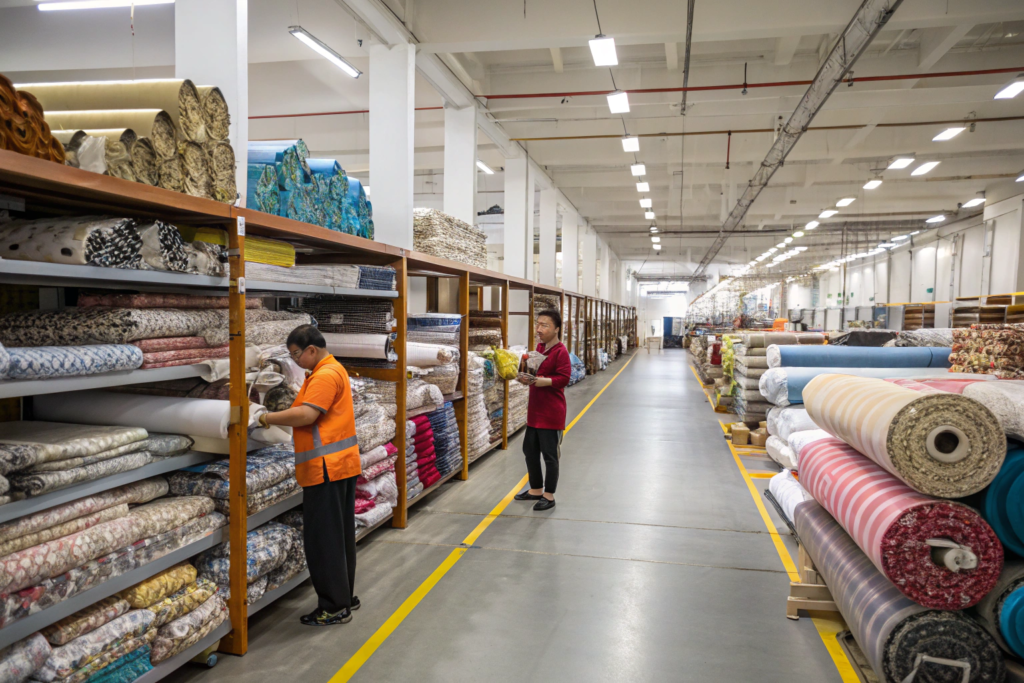
Pre-booking is your strongest weapon. It means reserving production capacity at the fabric mill and your factory before your final design is 100% locked. It's a commitment based on forecasts. For a core item like your best-selling Realtree hoodie, you might pre-book 70% of your expected yardage in January for July production. This guarantees mill allocation.
Raw Material Inspection (RI) upon arrival at the factory is your final quality gate before cutting. Every roll of fabric should be checked for defects, color consistency, width, and shrinkage. We perform a 10-20% AQL check on all incoming fabric. Last Fall, an inspection on 5,000 yards of camo fleece revealed a recurring weaving defect (barre) in 3 rolls. We immediately quarantined those rolls, provided evidence to the mill, and had replacements expedited within a week. Without this check, the defect would have been discovered during sewing, halting the line and causing a 10-day delay. A robust quality management system is non-negotiable.
Why is maintaining buffer stock for core materials crucial?
For best-selling, seasonally recurring items (like your flagship jacket or pant), maintaining a small buffer stock of the key fabric at the factory is a game-changer. This "safety stock" covers you for two scenarios: 1) A last-minute top-up order from a retailer, and 2) A quality defect found during cutting that requires replacement yardage. At Shanghai Fumao, for our long-term partners, we often hold 10-15% of the previous season's key fabric. This allowed a partner to respond to an unexpected 500-piece reorder from a major retailer in late June—a time when fabric sourcing would have taken 8 weeks. Using the buffer stock, we cut and shipped the order in 3 weeks, capturing the sale. This level of partnership requires deep trust and forecast sharing but is the ultimate insurance against missed opportunities.
What production and communication strategies guarantee timeline adherence?
Even with perfect planning and materials, the production phase itself can derail. The key here is transparent communication and real-time visibility into the production line's status, moving from monthly updates to daily tracking.
You need to move beyond "production has started" to "Line 3 is currently sewing jacket style JH202, with 1200 of 5000 pieces completed as of today."
Modern production management relies on data and proactive problem-solving, not just hope.
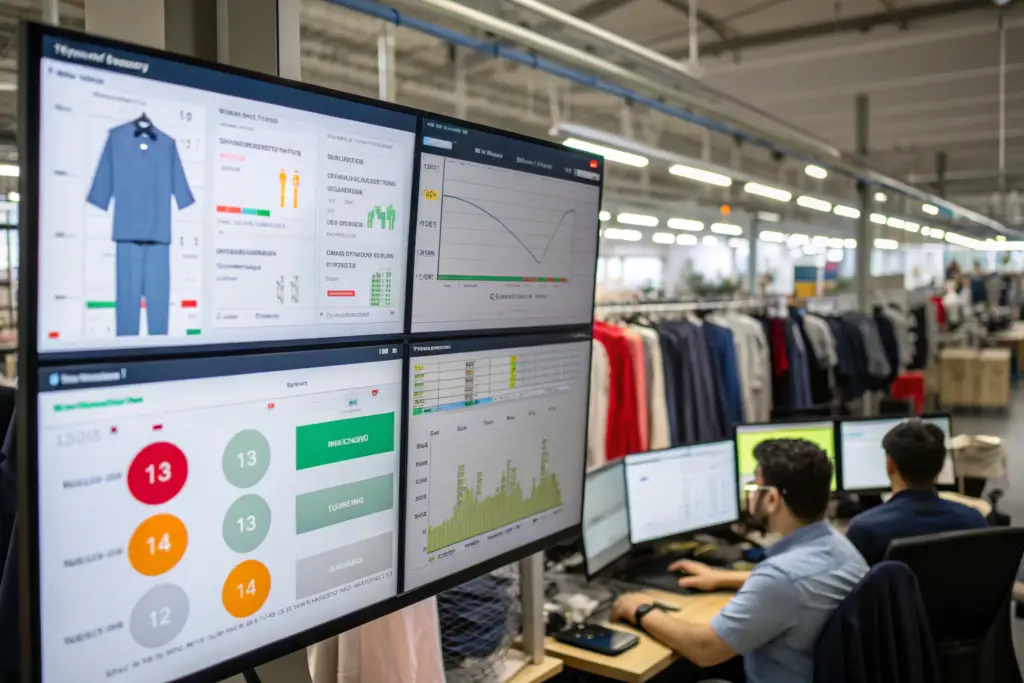
A static PDF timeline is obsolete on day two. We use a cloud-based, shared production calendar (like a Gantt chart) with our key clients. Each style has its own line with clear milestones:
- Fabric In-House (Actual vs. Planned Date)
- Cutting Start/Finish
- Sewing Start (with daily/weekly output targets)
- Midline Inspection
- Finishing & Packing
- Factory Gate Date
This calendar is updated daily by our production managers. The client has view-only access. The magic is in the milestone alerts. If the "Fabric In-House" date is missed, the system flags it in red, and an automatic email is triggered to both our team and the client's sourcing lead, forcing an immediate conversation about solutions. This eliminates surprises and weeks of radio silence.
What is the value of in-process quality checks (IPQC)?
In-Process Quality Control is the practice of inspecting garments during production, not just at the end. This prevents a small sewing error from being replicated across 1,000 pieces before it's caught. Our QC staff performs checks at critical points: after the first 50 pieces are sewn, and again at the halfway point. For a complex hunting jacket, we might check pocket alignment, zipper function, and insulation evenness. In one case, during a midline check for a client's waterproof parka, we found the tape-sealing machine's temperature was slightly off, risking future leaks. We corrected it immediately, reworked the first 80 jackets, and prevented a potential 100% failure rate. This proactive approach, part of a strong supply chain management ethos, saves immense time and cost compared to an end-line reject.
How to build a contingency plan for unexpected disruptions?
No plan survives first contact with reality. Port strikes, typhoons, mill fires, or even last-minute design changes by the brand—disruptions happen. The difference between a minor setback and a catastrophic delay is a pre-agreed contingency plan.
A contingency plan is not an admission of failure; it's a sign of professional maturity. It outlines the "if-then" scenarios and agreed-upon corrective actions.
Your plan should cover the most likely risks: delays in material, production bottlenecks, and shipping/logistics failures.

What are the key elements of a supplier contingency plan?
A written contingency plan with your factory should address:
- Material Delay: If key fabric is delayed by X weeks, what is the action? Options: Switch to a pre-approved alternative fabric from stock? Split the order and ship partial quantities via air?
- Production Bottleneck: If a key sewing line goes down, how will capacity be reallocated? Which styles have lower priority?
- Shipping Crisis: If the booked ocean vessel is missed or a port is congested, what is the backup shipping route or method?
We formalize this in a Risk Mitigation Addendum to our manufacturing agreement. For example, with a key partner, we agreed that if their insulation was delayed beyond March 1, we would automatically switch production to a different style that used in-stock materials, keeping the lines moving. This saved a 2-week full-line stoppage last year.
When should you consider partial shipments or air freight?
These are costly last-resort tools, but having them as predefined options reduces panic decision-making.
Partial Shipments: If 80% of an order is ready but one component (e.g., custom buckles) is delayed for 10 days, it's often better to ship the 80% by sea immediately and air freight the remaining 20% later. This gets the bulk of your inventory to market on time.
Air Freight: The financial calculation is key. If missing the season means a 50% markdown on the entire order, then air freighting 30% of the goods at a high cost to capture full-price sales can be the profitable choice. Shanghai Fumao helped a brand run this exact analysis in 2023. A 2-week production delay threatened their early-season launch. We air-freighted their first 2,000 units (of a 10,000-unit order). The margin on those early, full-price sales more than covered the air freight cost, and the remaining units arrived by sea for the core season. The key was having the DDP (Delivered Duty Paid) terms and logistics partner ready to execute this split seamlessly.
Conclusion
Ensuring on-time delivery for seasonal hunting apparel is a disciplined, end-to-end process. It starts with ruthless backward planning nearly a year in advance, focuses on securing and managing long-lead materials, relies on transparent production tracking, and is underwritten by a pragmatic contingency plan. It transforms delivery from a hopeful gamble into a managed, predictable outcome.
The brands that consistently land on time are those that partner with manufacturers as strategic allies, sharing information and plans openly. They move beyond the transactional buyer-supplier relationship to a true collaboration.
Is the stress of seasonal delays impacting your brand's profitability and reputation? You need a manufacturing partner who operates with the same urgency and strategic foresight that you do. Let's build a predictable, reliable supply chain for your most important collections. Contact our Business Director, Elaine, at Shanghai Fumao to develop a customized seasonal production plan. Email her at: elaine@fumaoclothing.com. Let's ensure your next launch is your most timely yet.