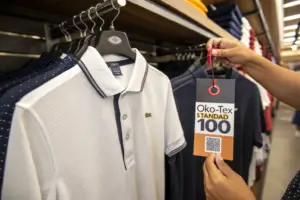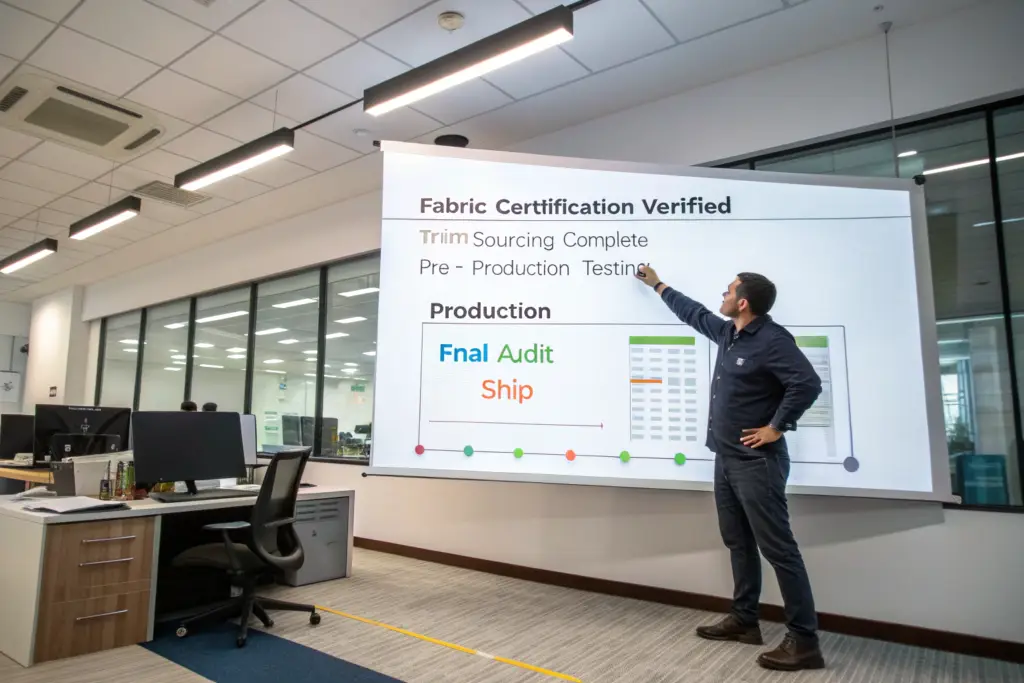
You’ve secured the perfect order: a high-margin run of OEKO-TEX certified golf polos for a crucial retail launch. The design is approved, the deposit is paid. Now, the real test begins. Will the shipment land in your warehouse on the date promised, or will you be the one explaining to your buyer why their selling season is jeopardized? For certified apparel, on-time delivery isn’t just about logistics; it’s a complex dance of synchronized material sourcing, rigorous quality gates, and flawless production planning. One misstep with certification can halt everything.
Ensuring on-time delivery for certified golf apparel requires treating certification as a production timeline variable, not a checkbox. It demands a supplier with an integrated system that front-loads material certification verification, builds in buffer time for compliance checks, and maintains a controlled, segregated production flow to prevent costly last-minute failures. The suppliers who deliver on time are those who plan for certification, not around it.
Let’s map out the critical path to reliable, on-time shipment of certified goods.
Why Does Certification Create Unique Timeline Risks?
Standard apparel production has its own delays: fabric arrival, printing errors, sewing line bottlenecks. Certified production inherits all these risks and adds a new, critical layer: the certification compliance wall. A production batch cannot proceed if any material fails its required chemical or safety test.
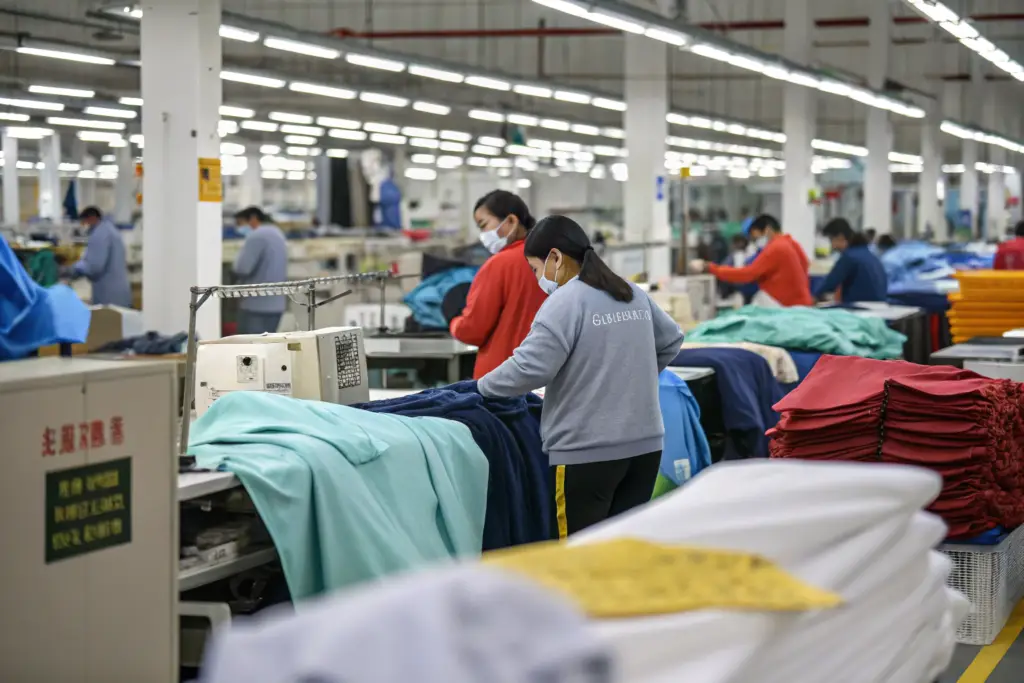
The greatest risk point is at the very beginning: raw material intake. A roll of fabric might arrive with a valid OEKO-TEX certificate, but if it fails a random spot-check for pH or formaldehyde at the factory, it must be rejected. Suddenly, your production start date is pushed back by weeks while new fabric is sourced and shipped. This is the single most common cause of delayed certified orders. At Shanghai Fumao, we learned this lesson early. We now mandate that our certified fabric mills pre-ship lab-approved samples for our own verification before they cut and ship the bulk order. This step, added 4 years ago, reduced our material-related delays by over 70%.
How Can "Certificate First" Sourcing Prevent Delays?
The philosophy must shift from “source the material, then get it certified” to “only source already-certified materials from approved vendors.” Your supplier should have a vetted list of mills and trim suppliers who consistently provide OEKO-TEX certified materials. This list is dynamic; suppliers who deliver late or have batch inconsistencies are removed.
Actionable Step for Buyers: When evaluating a supplier, ask: “What is your lead time for sourcing and confirming OEKO-TEX certified [specific fabric, e.g., pique cotton]?” A reliable answer will include time for their own verification testing, not just ordering time. A vague answer is a red flag.
What Hidden Trim Delays Should You Anticipate?
The main fabric is just one piece. Buttons, zippers, interlinings, and especially custom printed labels all need their own certification. These smaller items are often sourced from specialized factories with longer lead times. A delay in receiving certified labels can stop a packing line completely. A proficient factory plans this in parallel, not in sequence. They order all certified trims at the same time as the main fabric, not after the fabric arrives.
What Production Process Ensures Certified Goods Flow Smoothly?
Once certified materials are in the warehouse, the next risk is contamination or mix-up during production. A factory running both certified and non-certified orders on adjacent lines is a high-risk environment. A bundle of non-certified fabric can easily end up in a certified batch, invalidating the entire lot and causing massive rework or cancellation.
The solution is a controlled production environment with physical and procedural segregation.
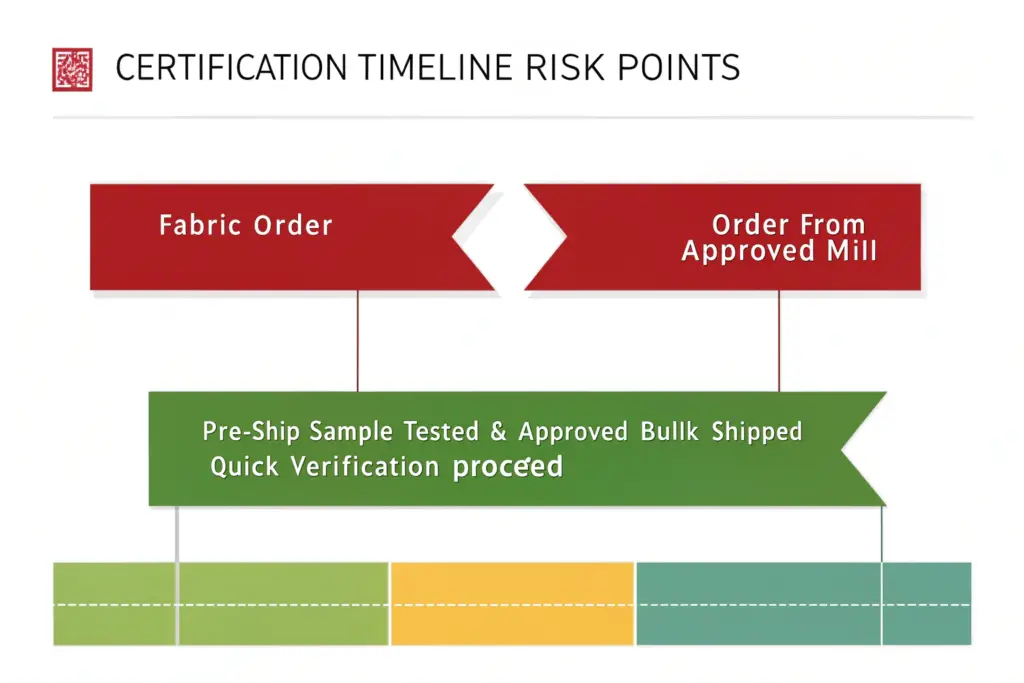
What Does "Segregated Production" Actually Look Like?
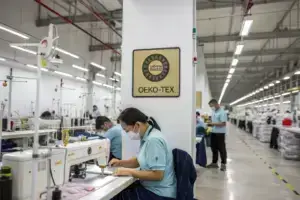
For a factory serious about certified orders, this isn’t just a policy; it’s a physical layout.
- Dedicated Storage: OEKO-TEX certified fabric rolls and trim boxes are stored in a labeled, separate area of the warehouse.
- Designated Lines: Where possible, specific sewing lines are scheduled for certified orders. At minimum, the lines are thoroughly cleaned before a certified batch runs.
- Tracked Kit System: Cutting room tickets and bundle tags clearly mark the order as “OEKO-TEX” and include the specific material batch numbers. This allows traceability from warehouse to finished carton.
This system prevents the catastrophic “blended batch” error. We implemented this at our facility after a near-miss in 2021, and it has become a key selling point for brands that cannot afford compliance failures.
How Do In-Line Quality Gates Keep the Schedule on Track?
Instead of one final inspection, certified production needs multiple, smaller checks throughout the process. Think of them as toll booths on a highway; they ensure everything is correct before moving to the next stage.
- Fabric & Trim Intake Gate: Verify certificates and perform spot tests.
- Cutting Verification Gate: Check that the correct, certified fabric is being laid up.
- Sewing Line Audit Gate: Supervisors verify that only certified thread and components are at each station.
- Final Audit Gate: A comprehensive check of random finished garments against quality and documentation standards.
These gates catch errors early, when they are cheap and quick to fix. A missing label found at the final audit is a disaster; found at the sewing audit, it’s a 5-minute fix.
How to Build a Realistic Timeline with Your Supplier?
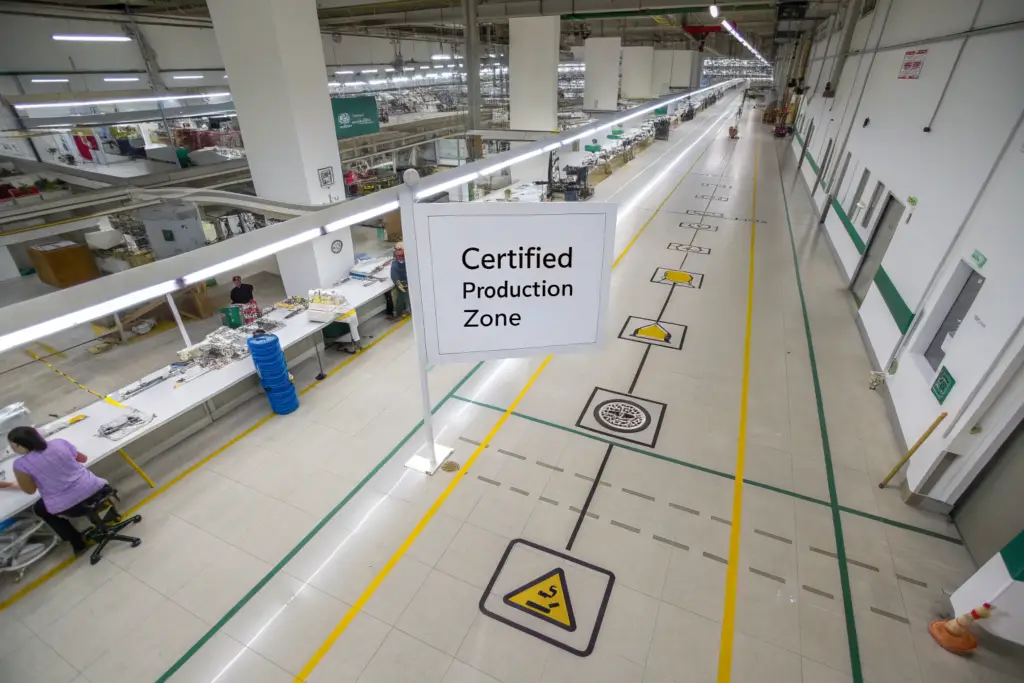
The industry standard of “Fabric to Ship in 60 days” often assumes ideal, non-certified conditions. For certified goods, you must build a timeline that accounts for the extra verification steps. A trustworthy supplier will provide a transparent, phase-based schedule, not just a single delivery date.
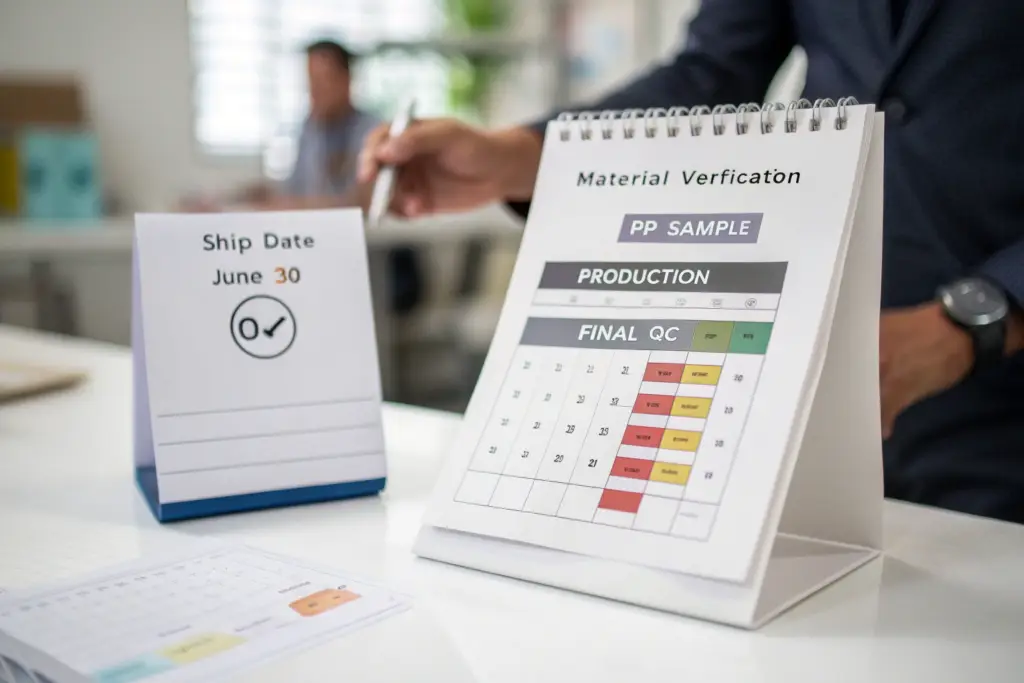
A robust timeline should explicitly include the following phases, each with its own buffer:
- Phase 1: Material Sourcing & Verification (Add 5-10 days): Time to order certified materials and confirm their compliance.
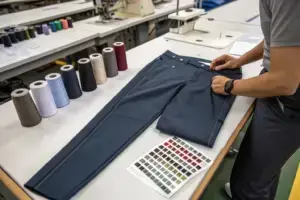
- Phase 2: Pre-Production Sampling & Approval (Add 7 days): Making and approving a pre-production sample from the actual certified materials.
- Phase 3: Production with In-Line Checks (Standard): The actual manufacturing time.
- Phase 4: Final Quality Control & Documentation (Add 3-5 days): Final audit, tagging, and compilation of the certification dossier for shipment.
What Questions Force Timeline Transparency?
Don’t just ask for a delivery date. Ask for a breakdown:
- “What is the lead time for the OEKO-TEX certified fabric from your mill, from order to your factory gate?”
- “How much time do you buffer for your own material testing after it arrives?”
- “Do you include time for a pre-production sample made from certified materials in your standard timeline?”
A supplier like Shanghai Fumao will provide this breakdown because we use it internally to manage our own production planning. It turns a promise into a plan.
Why is the Pre-Production Sample Non-Negotiable?
The pre-production sample (PP sample) is your final safety net. It must be made from the exact certified materials planned for bulk. This sample checks for more than fit; it’s a final verification that the entire system—fabric, trim, construction—works together and is compliant. Approving this sample is your green light for bulk production. Skipping it to save a week is the most common self-inflicted cause of delays, as problems discovered in bulk are exponentially more costly to fix.
What Contingency Plans Do Professional Suppliers Have?
Even with perfect planning, issues arise. A professional supplier’s value is measured by how they handle problems. Their contingency plans are what ultimately protect your delivery date.
The key is having backup options within a certified ecosystem. This requires deep, established relationships with multiple certified material vendors, not just one.
How Does a Supplier Handle a Failed Material Test?
The response protocol is telling. An amateur supplier will panic and ask you to accept a non-certified alternative. A professional supplier will immediately execute a pre-defined contingency:
- Quarantine the failed material.
- Activate a secondary, pre-approved source for the same certified material.
- Expedite shipping (air freight if necessary) to minimize delay, and transparently communicate the new timeline and any cost implications to you.
This capability comes from a diversified and well-managed supply chain. It’s why our full-package manufacturing model invests in relationships with multiple certified mills; it’s our insurance policy for our clients’ timelines.
What Logistics Strategies Safeguard the Final Mile?
Certification means nothing if the goods sit at a port. Professional suppliers have mastered DDP (Delivered Duty Paid) logistics for key markets like the U.S. and EU. They handle customs clearance using the provided OEKO-TEX certificates to ensure smooth passage. They also book shipping space well in advance of the ready date and have relationships with freight forwarders to prioritize shipments during peak season.
Your due diligence must include logistics: “What is your standard shipping method and who handles customs clearance? Can you provide DDP terms?” Clarity here prevents the final, frustrating delay.
Conclusion
On-time delivery for certified golf apparel is not a matter of luck; it’s a predictable outcome of a superior system. It requires a supplier that views certification as an integral part of the production timeline, not a last-minute attachment. This system is built on front-loaded material verification, segregated and audited production processes, transparent phase-based planning, and robust contingency protocols.
As a buyer, your power lies in selecting a partner who operates with this level of discipline. By asking detailed questions about their sourcing, testing, and production control systems, you can identify the suppliers capable of delivering both certification and reliability.
Stop hoping your orders will arrive on time. Start partnering with a manufacturer whose systems guarantee it. When you are ready to execute a flawless, on-time launch for your next line of certified golf apparel, we have the proven process to make it happen. Contact Shanghai Fumao’s Business Director Elaine today. Let us walk you through our phase-based production schedule and detailed control systems designed specifically for certified apparel orders. Reach her at elaine@fumaoclothing.com. Let's plan for success, from the first sample to the final on-time delivery.