Accurate sizing is the foundation of customer satisfaction in apparel. Yet in international clothing production, miscommunication between brands, pattern makers, and overseas factories can easily lead to ill-fitting garments, costly returns, and damaged reputations.
To ensure accurate sizing in international clothing production, brands must standardize size specs, use precise tech packs, align grading rules, test fit samples, and communicate clearly across time zones.
As a Chinese clothing manufacturer producing for U.S. and European markets, we’ve helped many buyers—like Ron, a confident American brand owner—eliminate sizing errors through proper systems. Here’s how to get your fit right from the start.
Why Do Sizing Errors Occur in International Production?
Sizing mistakes aren’t always about negligence. They often result from cultural differences, lack of standardization, or vague garment instructions. What’s considered a “Medium” in the U.S. might be tight in Europe or oversized in Japan.
Common causes of sizing errors include misaligned measurement points, missing tolerances, inconsistent fit models, and misinterpreted tech packs.

What Are the Most Frequent Sizing Miscommunication Triggers?
- Different grading systems: U.S. alpha sizes (S, M, L) vs EU numeric (36, 38, 40)
- Non-standardized measurements: Chest width vs bust circumference confusion
- Assumptions about fabric stretch: Woven vs knit garments graded incorrectly
- Missing fit tolerance values: Factories guess margins of error
These issues are well-documented in ISO 8559 and explained further in guides from Fashion-Incubator.
How Can Language and Culture Impact Sizing Interpretation?
For example, a "slim fit" in the U.S. is often looser than what Asian factories consider slim. Misinterpretations also occur when pattern terms are lost in translation (e.g., “rise” vs “crotch depth”).
That’s why we recommend using annotated visuals and 3D mockups. Translation standards from TAUS and visual tools from Techpacker help bridge language gaps.
How to Create Accurate and Factory-Friendly Size Specifications?
Factories don’t guess—they follow your blueprint. The more complete your sizing documentation, the more accurate the production. A spec sheet with 8 rows isn’t enough for a multi-size dress.
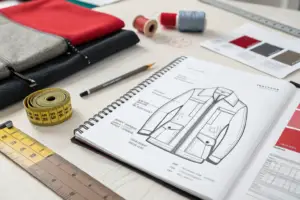
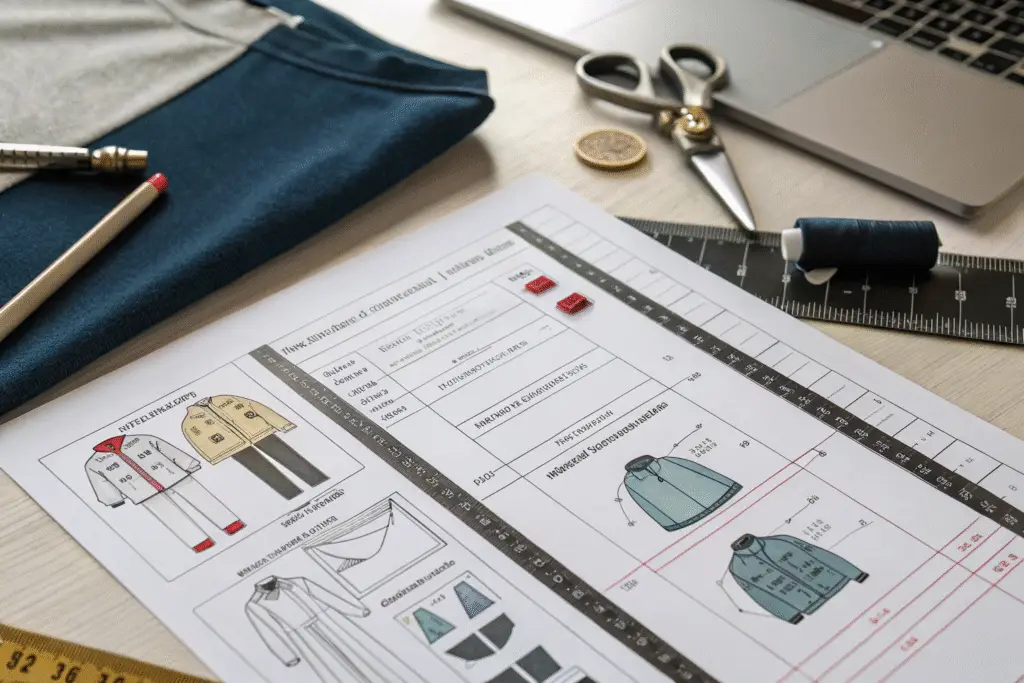
The most effective tech packs include detailed size charts, POM diagrams, measurement tolerances, and fabric behavior notes. All elements must be tailored to factory format preferences.
What Should Be Included in a Complete Size Spec Sheet?
Essential components include:
- Size range chart (e.g., XS–XXL or 34–44)
- Point of measurement (POM) list (e.g., shoulder width, bust, sweep)
- Tolerance values (e.g., ±1cm for body, ±0.5cm for sleeve)
- Flat vs. body measurements (important for tight garments)
- Stretch and shrinkage expectations (esp. for cotton or elastane)
You can find downloadable templates at Maker’s Row or use tools like Techpacker for digital creation.
How Can You Visualize Measurements for Better Accuracy?
Include measurement illustrations that show:
- Measuring direction (horizontal vs vertical)
- Stitch points (side seam vs edge seam)
- Garment laid flat vs 3D body model
Reference diagram libraries from Alvanon or use 3D sampling tools like CLO3D to simulate your garments on standard avatars.
How to Grade Sizes Consistently Across Markets?
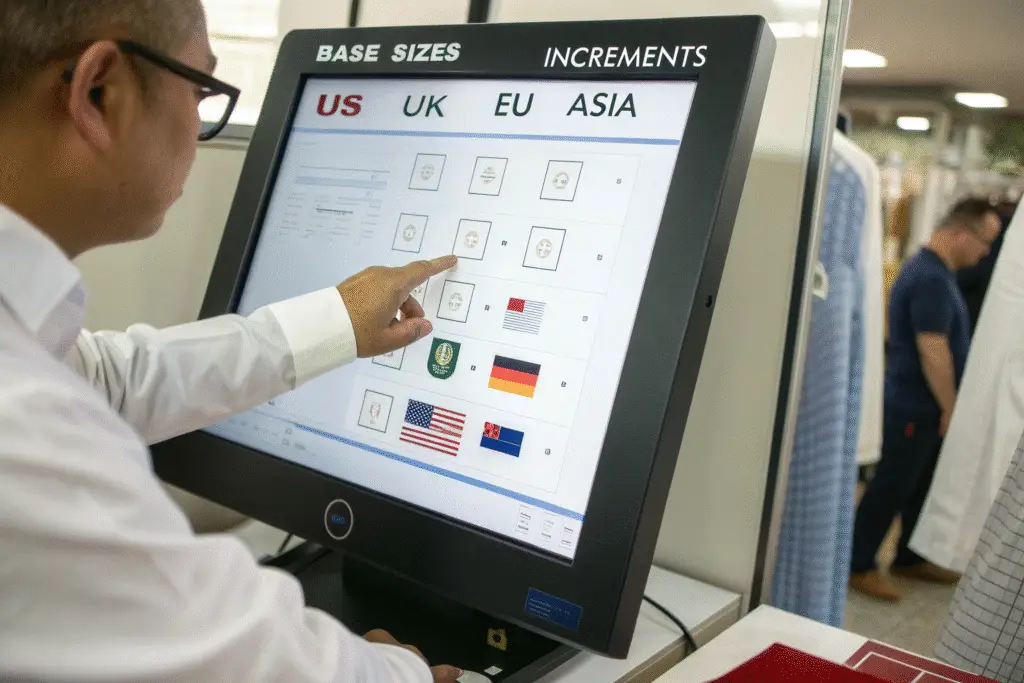
Grading is the process of scaling a base garment size (like Medium) up or down to create a full size range. A wrong grading rule can distort the whole fit—even if the base size was correct.
To avoid inconsistency, brands must standardize grading rules, document size increments, and match them to the target market’s body dimensions.
What Are Common Grading Mistakes to Avoid?
- Uniform increments across body parts: Bust vs hip growth should differ
- Too large jumps between sizes: Can create fit gaps between M and L
- Using men’s grade rules for women’s or kidswear
- Assuming factory has your previous rules saved
Consult grading manuals like Winifred Aldrich's or factory-specific grade charts from Lectra to align properly.
How Can You Customize Grading for Region-Specific Markets?
Different regions have different body standards. For example:
| Region | Bust (M size) | Height (avg female) |
|---|---|---|
| USA | 92–96 cm | 165–167 cm |
| EU | 88–92 cm | 168–170 cm |
| Asia | 82–86 cm | 160–163 cm |
Use data from SizeChina or ISO/TR 10652 to shape regional grade rules. We often use localized grading at Fumao based on client’s export destination.
How to Validate Fit Before Mass Production?
You can have the best tech pack, but if your sample doesn’t fit the model, the factory needs correction before bulk sewing begins.
Fitting sessions help validate actual wearability, movement comfort, and proportion. They must be scheduled before final approvals and tracked with feedback reports.
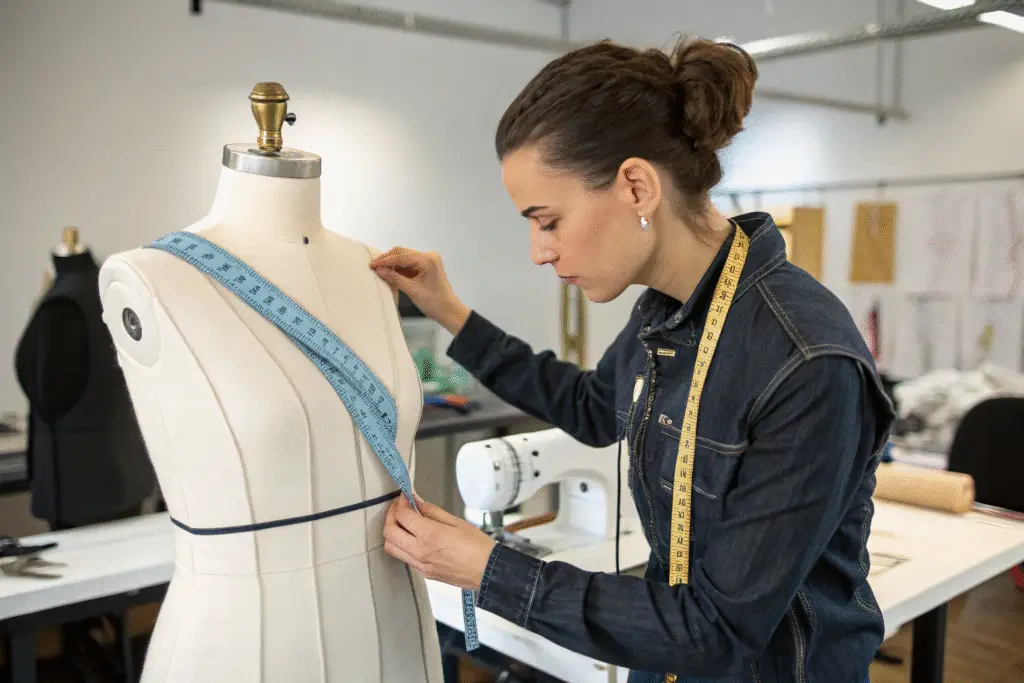
How Many Samples Should You Fit and on What Sizes?
We recommend:
- Fit your base size (usually M or EU 38)
- Fit a smaller and larger size (e.g., XS and XL)
- Use real-size models, not mannequins
- Fit stretch garments on body rather than flat
Brands like Reformation and Everlane use multi-size fittings to avoid size bias. You can do virtual fittings via 3DLOOK if model hiring is not feasible.
How Do You Record and Communicate Fit Feedback?
Use fit feedback forms to log:
- POM discrepancies
- Movement restriction notes
- Balance issues (e.g., shoulder tilt)
- Suggested pattern corrections
Include photos with annotations. Tools like SnapFashun or F2F Templates help document changes clearly across teams.
Conclusion
Accurate sizing is not luck—it’s strategy. By aligning sizing specs, grading rules, and fit samples across your global production process, you save time, money, and customer trust.
At Fumao Clothing, we provide customized size spec sheets, regional grading systems, and offer live sample fit sessions—even via video—to ensure your sizing is right the first time.
If you’ve been burned by returns or inconsistent sizing in your international orders, it’s time to adopt a structured, proactive approach. Start with accuracy. End with loyal customers.