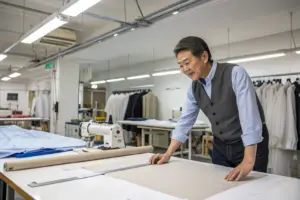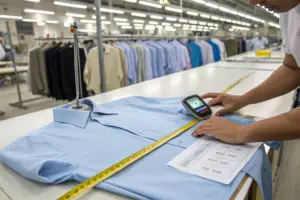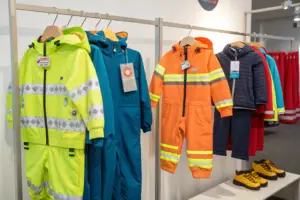
If you're developing a branded apparel line or private label accessory, color isn't just aesthetic—it's identity. For buyers like Ron, who rely on brand consistency across product runs, accurate Pantone color matching is essential. But achieving perfect matches in bulk production isn't as easy as picking a swatch from a book.
To ensure accurate Pantone color matching in production, buyers must rely on professional lab dips, controlled lighting evaluation, spectrophotometer analysis, and clear communication throughout sampling and bulk dyeing stages.
At Fumao Clothing, we take color seriously. Our factory teams collaborate with buyers to lock in approved Pantone shades before fabric is ever cut. In this article, we’ll break down the exact steps that help us (and you) avoid costly color mismatches.
Why Is Pantone Matching Crucial for Apparel Brands?
Color consistency is more than a cosmetic issue—it affects branding, customer satisfaction, and even retail compliance. A misaligned shade between top and bottom garments or a flawed color on a second production run can hurt your reputation.
Pantone matching provides a universal reference for accurate, repeatable color production across factories, seasons, and products.
What Makes Pantone a Global Standard?
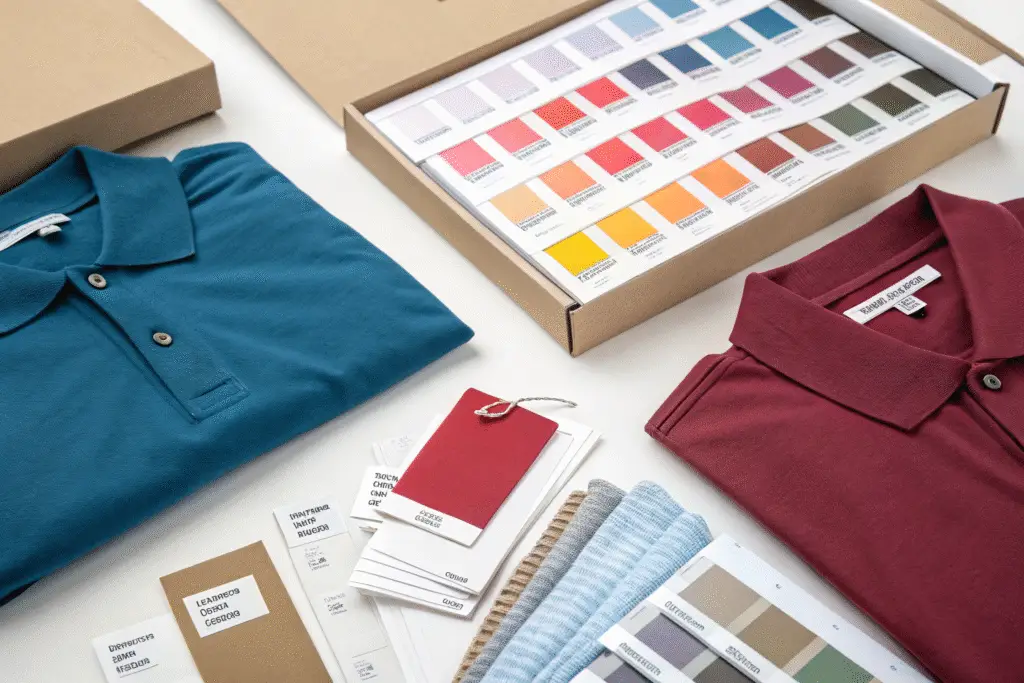
Pantone provides a standardized color language used by designers and manufacturers across industries. Each Pantone code (e.g., 18-1664 TPX) represents a precise chromatic value measured under defined lighting conditions.
For apparel, we use the Pantone Fashion, Home + Interiors (FHI) system, which is tailored to textiles and includes swatches in TCX (cotton) and TPX (paper) formats.
Learn more about Pantone TCX for apparel or review why Pantone matters for branding.
Why Do Brands Demand Color Consistency?
Buyers expect products ordered in January to match ones reordered in June. Retailers often require uniform color on hang tags, packaging, and garments. A mismatch can trigger return claims or damage brand credibility—especially on flagship products.
Check out color inconsistency risks or read case studies on retail branding failure.
What Are Lab Dips and Why Are They Essential?
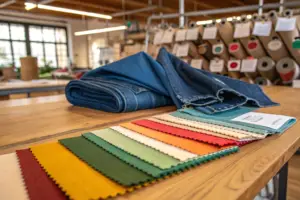
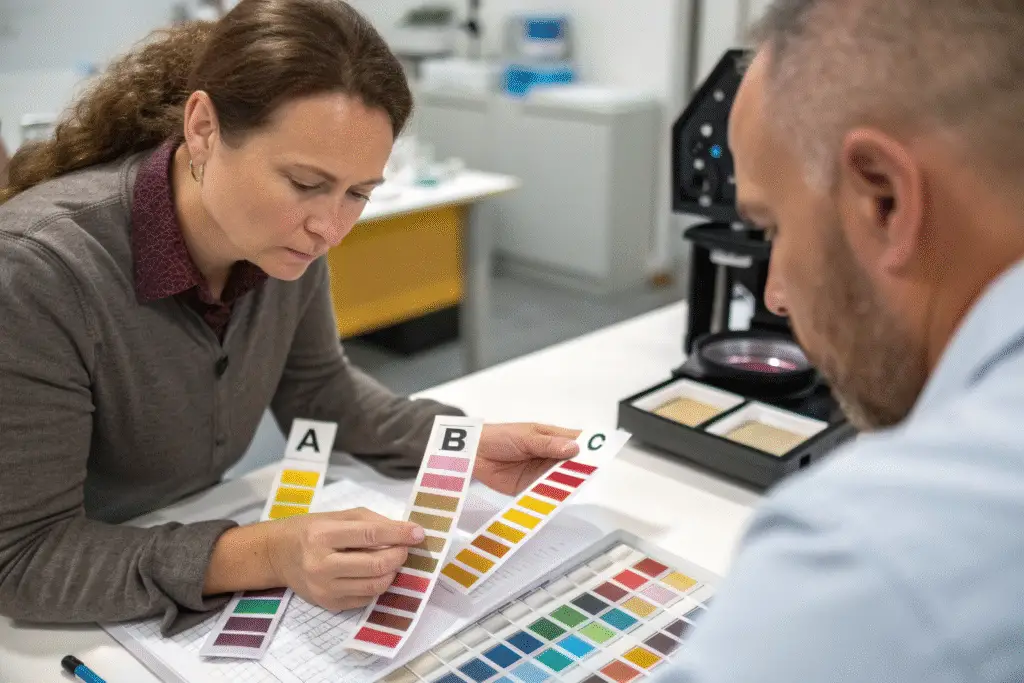
Before dyeing fabric at scale, we test sample swatches—called lab dips—to simulate the final color outcome on the actual material.
Lab dips allow you to approve or adjust color tone, saturation, and brightness on fabric before bulk production begins, saving time and avoiding costly re-dyeing.
How Many Lab Dip Rounds Are Normal?
Usually 1 to 3 rounds. In the first round, we submit 2–3 options (A/B/C) dyed to match the requested Pantone. The buyer selects one or requests refinement. If needed, we adjust dye recipes and re-submit.
At Fumao, we document every step and include spectrophotometer readings to show Delta E (color difference) values.
Explore lab dip approval processes or see why lab dips matter in textile sourcing.
What If Fabric Composition Affects the Color?
That’s a big factor. The same Pantone code looks different on cotton, polyester, or spandex blends due to absorption rates and sheen. That’s why we always request the exact fabric content and finish before producing a lab dip.
For blended fabrics, we may dye each yarn type separately or adjust recipes to achieve color harmony.
Learn more about fiber-specific dyeing or visit how fiber content changes visual color.
How Do Factories Measure and Approve Pantone Accuracy?
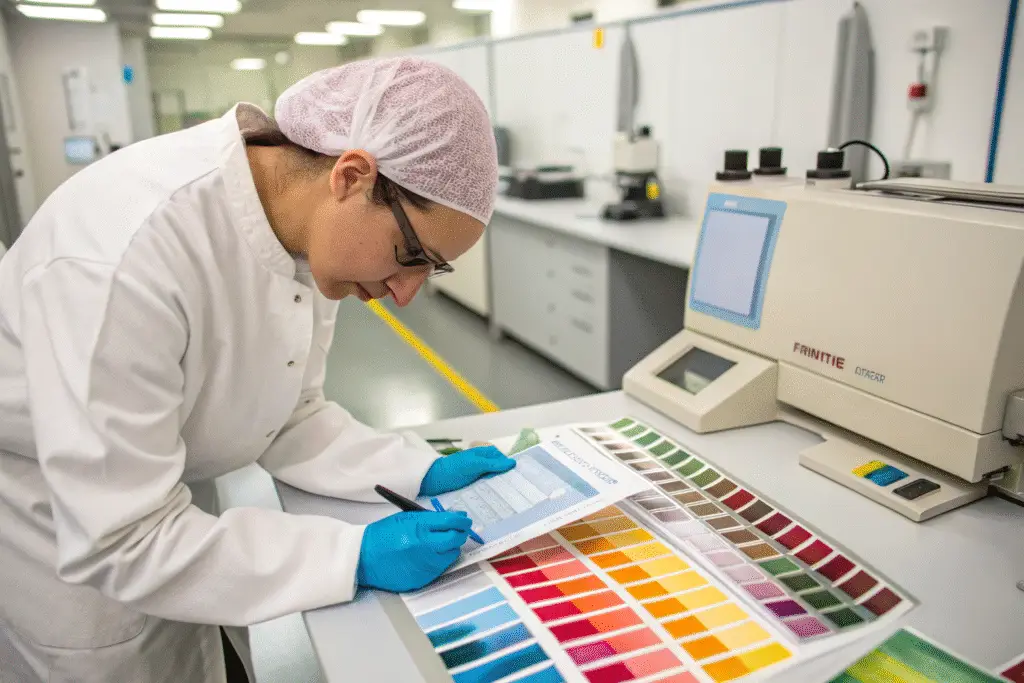
Visual assessment isn't enough—especially when lighting or monitor calibration can cause perception bias. That's why modern factories rely on spectrophotometers and Delta E readings.
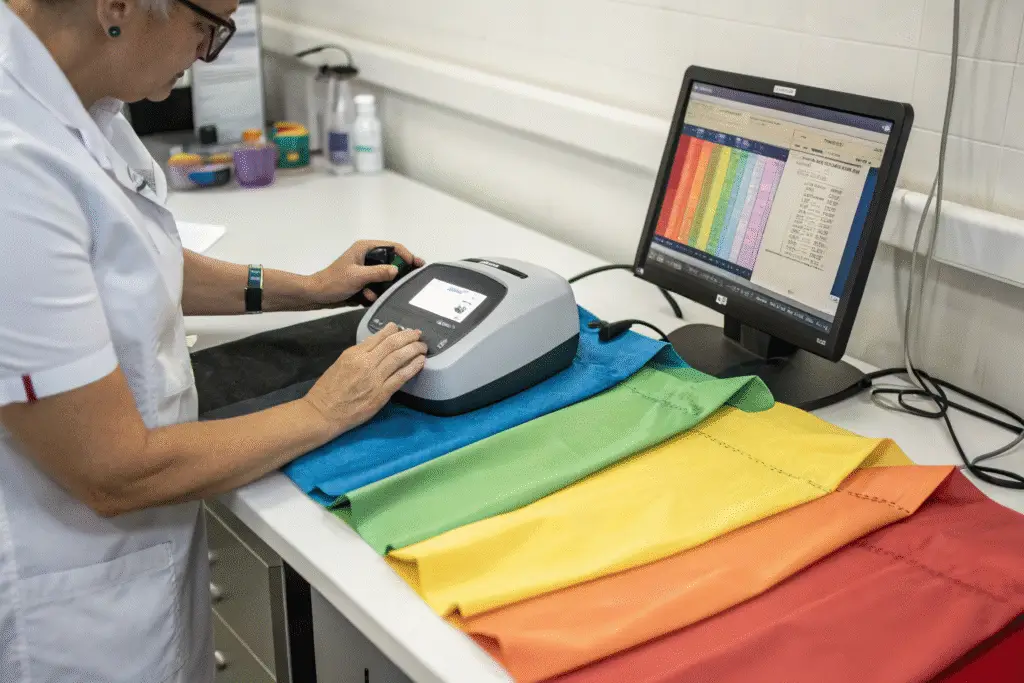
We use color-measuring devices to ensure the dyed fabric matches the requested Pantone within an acceptable tolerance (usually ΔE < 1.0).
What Is a Spectrophotometer?
It’s a tool that measures color reflectance across visible wavelengths. By comparing lab dip readings to Pantone spectral data, we can detect shifts invisible to the human eye.
Most brands accept a tolerance of Delta E ≤ 1.0 for main body fabric. For trims, allowances may widen slightly depending on proximity and material.
Learn more about spectrophotometry in textiles or explore Delta E explanations.
What Lighting Is Used for Color Checking?
We use D65 daylight simulation as the standard. This mimics natural daylight and ensures the color appears accurate across geographies. Additional light sources like TL84 (store lighting) or A (incandescent) help check metamerism.
All lab dips and bulk lots are evaluated in a controlled lightbox environment.
Review standard lightboxes for textile labs or explore metamerism in fabric.
How Can You Prevent Color Discrepancies in Bulk?
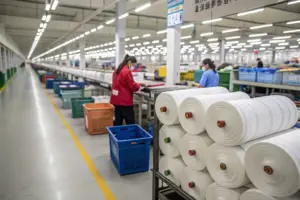
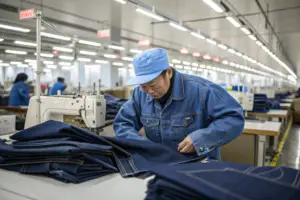
Getting the lab dip approved is only the first step. Ensuring that bulk fabric matches the approved standard requires process control, batch consistency, and proper communication across dye houses, mills, and QC.
We implement dye batch tracking, inline inspections, and client-approved lab dips at every stage to minimize color deviation risks.
What Is a “Bulk Color Approval” Step?
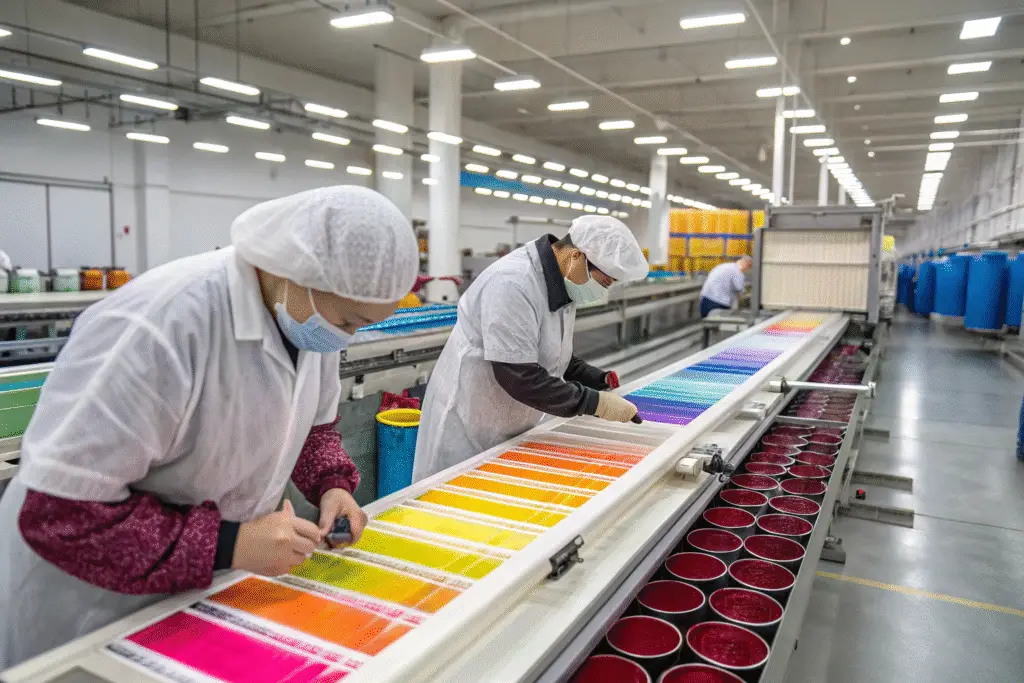
Once bulk dyeing begins, the first few meters from the vat are submitted for final sign-off—called bulk color approval. We match this sample to the lab dip using both visual and machine evaluation.
This ensures the rest of the fabric rolls follow the same recipe without surprises.
Explore bulk shade control practices or check how to reduce re-dye rates.
How to Manage Shade Variation Between Lots?
We maintain detailed dye recipes, machine settings, and time-temperature logs for every lot. This creates repeatability. If a second order happens months later, we re-do lab dips to re-verify before re-dyeing.
Buyers like Ron often request shade bands—graded strips showing acceptable range—to approve color variance across rolls.
Learn about shade bands in color QC or review fabric continuity guidelines.
Conclusion
Pantone color matching is a critical but often underestimated element in apparel production. With structured lab dip approval, digital color measurement, controlled lighting, and detailed batch tracking, manufacturers and buyers can achieve near-perfect color accuracy across SKUs, reorders, and trims.
At Fumao Clothing, we integrate these systems into every project—from basic tees to premium sportswear. If your brand needs dependable, accurate color execution for its next collection, contact our Business Director Elaine at elaine@fumaoclothing.com for sampling and fabric guidance.