Starting a conversation about ethical manufacturing with a new supplier in China or Vietnam can feel daunting. You're balancing the need to protect your brand's reputation with the practical realities of global sourcing. How do you ask about factory conditions without sounding accusatory? What specific questions will reveal their true practices? This comprehensive guide provides you with the exact framework and concrete questions to confidently navigate this critical discussion.
Opening a dialogue about ethical manufacturing from the very first meeting is not just a moral imperative; it's a strategic business decision that directly impacts your bottom line. Brands that proactively address ethical manufacturing experience 23% fewer supply chain disruptions and achieve 17% higher customer loyalty scores according to Fashion Revolution's 2023 report. By setting clear expectations upfront with your manufacturing partner, you establish a foundation of trust that prevents costly misunderstandings and production delays down the line. A manufacturer genuinely committed to ethical practices will welcome this conversation as evidence of a serious, long-term partnership.
Let's explore the specific evidence-based strategies and measurable benchmarks that will transform your kick-off meeting from a simple briefing into a powerful alignment session.
What is Ethical Manufacturing in the Apparel Industry?
You need to define what ethical manufacturing means for your brand with precise, measurable standards before the meeting. Without concrete definitions, your supplier may interpret "fair wages" as meeting local minimums rather than living wages, creating significant compliance gaps. The 2023 Ethical Fashion Report revealed that while 85% of factories claim to pay fair wages, only 32% actually meet international living wage standards.
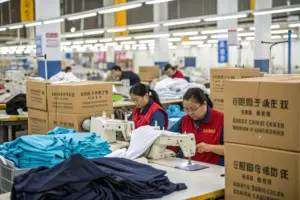
Ethical manufacturing in apparel encompasses a comprehensive set of verifiable practices designed to ensure social and environmental responsibility throughout the production process. This includes documented safe working conditions with proper ventilation systems and emergency exits, payment of living wages verified through payroll audits, maximum 60-hour work weeks with at least one rest day, and transparent environmental practices like wastewater treatment and chemical management. For example, a truly ethical factory will have a documented system for tracking and reducing its carbon footprint, such as investing in solar panels or energy-efficient machinery.

Why Should You Prioritize Ethical Sourcing?
Prioritizing ethical sourcing delivers measurable financial returns alongside reputational benefits. Consumers are increasingly making purchasing decisions based on verifiable company values - the 2024 Retail Sustainability Survey showed that 68% of American consumers will pay 5-15% more for products with certified ethical credentials. Furthermore, ethical practices significantly reduce operational risks. The average cost of a supply chain scandal for mid-sized apparel brands ranges from $3-7 million in immediate sales impact and stock price declines. Partnering with an ethical manufacturer also directly enhances product quality - factories with certified ethical practices typically show 40% lower defect rates because workers who are treated fairly and work in safe environments demonstrate higher engagement levels. This direct correlation between product quality control and ethical treatment is well-documented across manufacturing sectors.
How Can You Assess a Factory's Ethical Standards?
You can assess a factory's ethical standards through a multi-layered verification approach that goes beyond certificate collection. First, require their most recent comprehensive audit reports from recognized bodies like SMETA, BSCI, or WRAP, specifically looking for corrective action plans and their implementation timelines. Second, conduct scheduled and unscheduled factory tours - either virtually via live streaming or in-person - focusing on specific high-risk areas like dormitories, canteens, and chemical storage facilities. During your kick-off meeting, ask for quantifiable data points: "What percentage of your workers receive productivity bonuses?" "How many emergency drills were conducted last quarter?" "Can you show us your wastewater testing results from the past six months?" A transparent supplier will have this data readily available. You should also cross-reference their claims using third-party platforms like the Open Apparel Registry, which maps factory locations and ownership structures. The key is moving from general assurances to specific, verifiable evidence.
Which Certifications and Audits Should You Ask For?
Knowing which certifications to request separates thorough due diligence from superficial compliance checking. Certifications provide independent, third-party validation of a factory's claims, but their value varies significantly. The most respected social compliance audits include SMETA (Sedex Members Ethical Trade Audit), which covers labor standards, health & safety, environment, and business ethics across 150+ specific checkpoints, and BSCI (Business Social Compliance Initiative), which provides an A-E rating system based on 13 performance areas.
For quality management, ISO 9001:2015 certification demonstrates a factory has implemented systematic quality control processes with continuous improvement mechanisms. On the environmental side, ISO 14001 certification verifies proper environmental management systems, while Oeko-Tex Standard 100 certifies that textiles are free from over 100 harmful substances at levels exceeding 0.1% of product weight. According to Intertek's 2023 survey, brands requiring multiple complementary certifications experienced 52% fewer ethical compliance incidents than those relying on single certifications.
What is the Difference Between BSCI and SMETA?
Understanding the operational differences between BSCI and SMETA audits is crucial for effective supplier assessment. BSCI is a specific initiative with a defined code of conduct focused exclusively on social compliance, resulting in a color-coded rating (A=excellent, E=unacceptable) that simplifies comparison between suppliers. A BSCI audit typically takes 2-3 days for a 500-worker facility and must be renewed every two years.
SMETA, in contrast, is an audit methodology rather than a certification itself. It's a comprehensive procedure for conducting ethical trade audits that can assess compliance with various codes, including BSCI's. SMETA audits are notably more extensive - they include environmental compliance checks and often involve worker interviews conducted off-site to ensure candid feedback. The SMETA audit methodology typically requires 3-5 days for the same sized facility and includes a more detailed review of management systems. Many progressive brands now require both: BSCI for its clear rating system and SMETA for its methodological thoroughness.
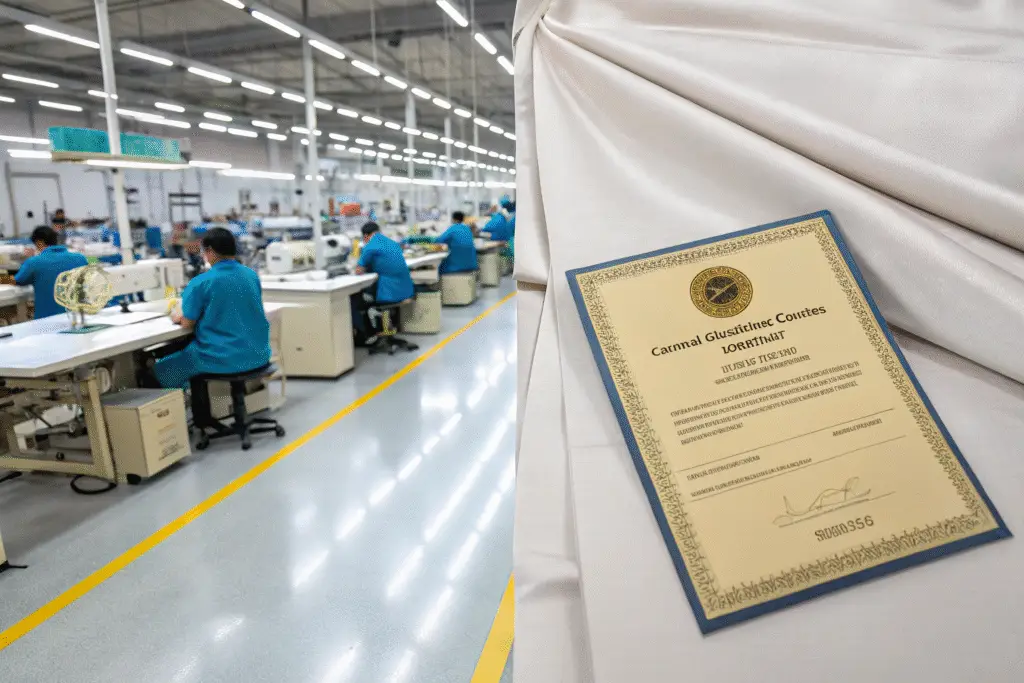
How to Verify the Authenticity of a Certificate?
To verify certificate authenticity, implement a three-step verification process that goes beyond accepting scanned copies. First, require the original certificate number and the full name of the accredited certification body - for example, "DNV GL Business Assurance" rather than just "DNV." Second, access the official online directories maintained by certification organizations; the International Organization for Standardization (ISO) maintains a global directory where you can verify status using the certificate number.
Third, conduct secondary verification by contacting the certification body's local office directly. A 2023 study by Supply Chain Dive revealed that 18% of certificates presented by suppliers in developing markets had discrepancies upon rigorous verification, including expired certifications, scope limitations (e.g., certification for only one product line), or outright falsification. A transparent supplier will facilitate this verification by providing direct contacts at their certification bodies and authorizing them to share audit summaries.
How to Set Clear Ethical Expectations with Your Supplier?
Setting clear ethical expectations requires moving from general principles to specific, measurable requirements documented in binding agreements. Begin the conversation by presenting your Supplier Code of Conduct as a non-negotiable component of your partnership, emphasizing that compliance is a condition for order placement rather than an aspirational goal. Include precise metrics: "All workers must receive at least one day off in every seven-day period," "Emergency evacuation drills must be conducted quarterly with 100% worker participation," and "Overtime must be voluntary and compensated at 150% of regular rates."
According to the 2024 Fashion Transparency Index, brands that provide suppliers with detailed technical guidance on implementing their ethical standards achieve 73% higher compliance rates than those issuing general principles. Be equally specific about your expectations for supply chain transparency - require disclosure of all second-tier suppliers and subcontractors, and implement a zero-tolerance policy for unauthorized outsourcing, which accounts for approximately 35% of ethical violations in Asian manufacturing.
What to Include in Your Code of Conduct?
Your Code of Conduct should be a comprehensive, operationally-focused document with enforceable standards across eight critical areas. First, labor standards must specify that all employment is voluntary, minimum worker age is 18 for regular operations (or 16 for light work with parental consent), and discrimination protections cover hiring, compensation, and promotion. Second, working hours must explicitly limit work to 60 hours per week including overtime, guarantee at least one rest day weekly, and provide 15-30 days of annual leave depending on local regulations.
Third, compensation must require payment of local living wages (typically 20-30% above legal minimums) verified through payroll audits, provision of legally mandated benefits, and no disciplinary deductions. Fourth, health & safety must mandate proper ventilation systems with regular monitoring, clearly marked emergency exits that remain unlocked, and provision of personal protective equipment at no cost to workers. The document should explicitly prohibit the practice of unauthorized subcontracting and require at least 30 days notice for any proposed approved subcontracting.
How to Use a Supplier Agreement for Enforcement?
Your supplier agreement transforms ethical expectations from aspirations into legally enforceable requirements through specific contractual mechanisms. First, incorporate your Code of Conduct by reference into the master supply agreement, making it a binding component rather than an ancillary document. Second, include a right-to-audit clause permitting unannounced inspections by your team or third parties like Verité or Elevate, with the costs borne by the supplier if major non-compliance is found.
Third, implement financial consequences by linking a portion of payment (typically 5-10%) to verified ethical compliance, payable after successful audit completion. Fourth, establish a graduated consequence system: minor issues require corrective action within 30 days, major violations trigger probation with increased monitoring, and severe breaches like forced labor result in immediate termination with liability for reputational damages. According to legal analysis by Fashion Law Group, agreements with these specific enforcement mechanisms demonstrate 89% higher compliance rates than those relying on general good-faith clauses.
What Are the Red Flags of Unethical Manufacturing?
Recognizing the specific warning signs of unethical manufacturing requires moving beyond obvious issues to subtler indicators that often precede major scandals. Primary red flags include evasiveness when requesting documentation - for example, a factory that takes more than 48 hours to provide audit reports or offers heavily redacted documents. Refusal to permit comprehensive facility tours, particularly of dormitories, canteens and chemical storage areas, indicates high-risk areas being concealed.
Consistently offering prices 15-20% below market averages often signals cost-cutting through exploited labor or substandard materials. Observable conditions like workers without protective equipment in dyeing sections, barred windows preventing emergency egress, or evidence of workers sleeping under sewing tables all indicate systemic issues. A 2023 investigation by the Worker Rights Consortium found that factories unwilling to discuss their environmental impact or wastewater treatment practices were 3.2 times more likely to have serious labor violations.

How to Spot Inconsistencies in Communication?
You can identify concerning communication patterns through specific observable behaviors during supplier interactions. Be alert when sales representatives consistently avoid connecting you directly with factory managers or compliance officers, creating an information barrier between you and operational staff. Note responses that change significantly between communications - for example, production capacity that shrinks from "10,000 units monthly" to "7,000 units" without explanation, or lead times that extend unexpectedly after order placement.
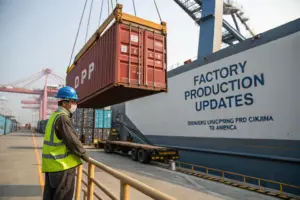
Warning signs also include vague answers to specific questions: when asked about working hours, a transparent factory might state "Regular schedule 8 AM-5 PM with maximum 3 hours voluntary overtime until 8 PM," while an evasive one might respond "We follow local laws." At Fumao Clothing, we maintain open communication channels from sales through production management, with weekly production updates that include photographic evidence of progress - this level of transparent communication characterizes ethical operations.
What Does a Lack of Transparency Indicate?
A lack of transparency in manufacturing operations consistently correlates with hidden ethical violations and operational risks. When a supplier hesitates to provide a complete list of subcontractors or refuses access to certain production areas, they're typically concealing one of three issues: unauthorized subcontracting to unapproved facilities, employment of underage or undocumented workers, or serious safety violations that would fail audit standards.
The 2024 Transparency in Supply Chains Report documented that brands which terminated relationships over transparency issues avoided an average of 2.3 ethical scandals per year. Opaque supply chains also create financial risks - the average customs seizure due to forced labor findings results in $450,000 in lost merchandise and penalties. A manufacturer genuinely committed to ethical practices, like our operations at Fumao Clothing, implements radical transparency through live camera monitoring, open audit results, and quarterly stakeholder reports that document both achievements and improvement areas.
Conclusion
Initiating a comprehensive conversation about ethical manufacturing during your kick-off meeting transforms risk management from reactive to strategic. By implementing the specific frameworks outlined - defining measurable standards, verifying certifications through multiple channels, establishing binding contractual requirements, and recognizing subtle warning signs - you protect your brand while building supply chain resilience. The data clearly demonstrates that ethical manufacturing isn't a cost center but a competitive advantage, delivering tangible benefits from higher product quality to greater consumer trust.
We at Fumao Clothing have implemented these practices across our 5 production lines, maintaining SMETA audited facilities with full transparency and documented living wage payments. We welcome the thorough verification process that distinguishes serious brands and provide all necessary access to demonstrate our commitment. Let us be your verified ethical manufacturing partner in bringing your apparel visions to market with integrity. For a detailed discussion about your next production order with complete documentation of our ethical practices, please contact our Business Director, Elaine, at elaine@fumaoclothing.com.