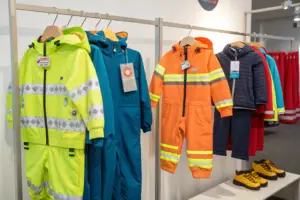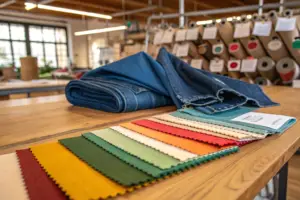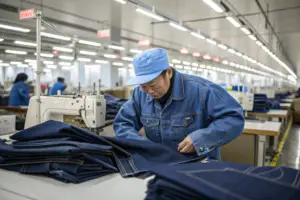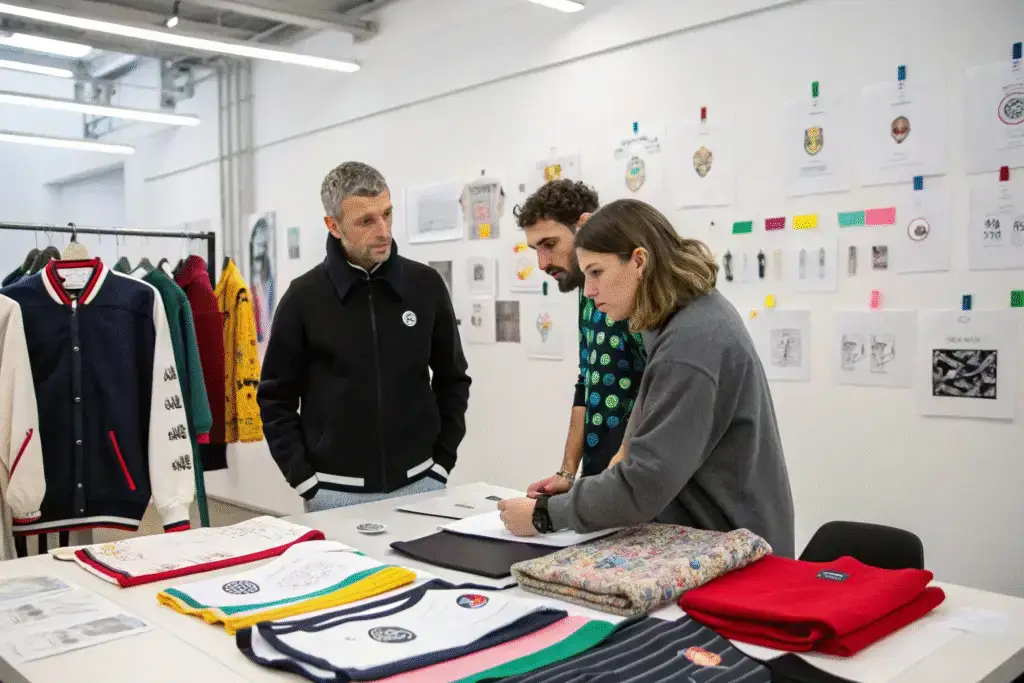
In today’s competitive fashion market, products alone are not enough—your brand must speak clearly, consistently, and memorably. And the best way to build a strong brand identity isn't just through marketing. It begins at the manufacturing level, where your unique details, materials, colors, and labels come to life.
Custom manufacturing allows you to embed brand identity directly into every garment—from fit and finish to logo placement and packaging. Done right, it turns generic styles into branded stories.
This article is a deep dive for brand owners and wholesale buyers like Ron—those ready to move beyond stock clothing and into identity-driven, differentiated product lines. Here's how to use manufacturing as your strongest brand-building tool.
What Role Does Product Customization Play in Branding?
A unique product is the foundation of a memorable fashion brand. Custom manufacturing gives you control over key brand assets—like silhouette, color palette, and material feel—that make your collection instantly recognizable to your target customer.
Why Is It Important to Move Beyond Blank Stock Styles?
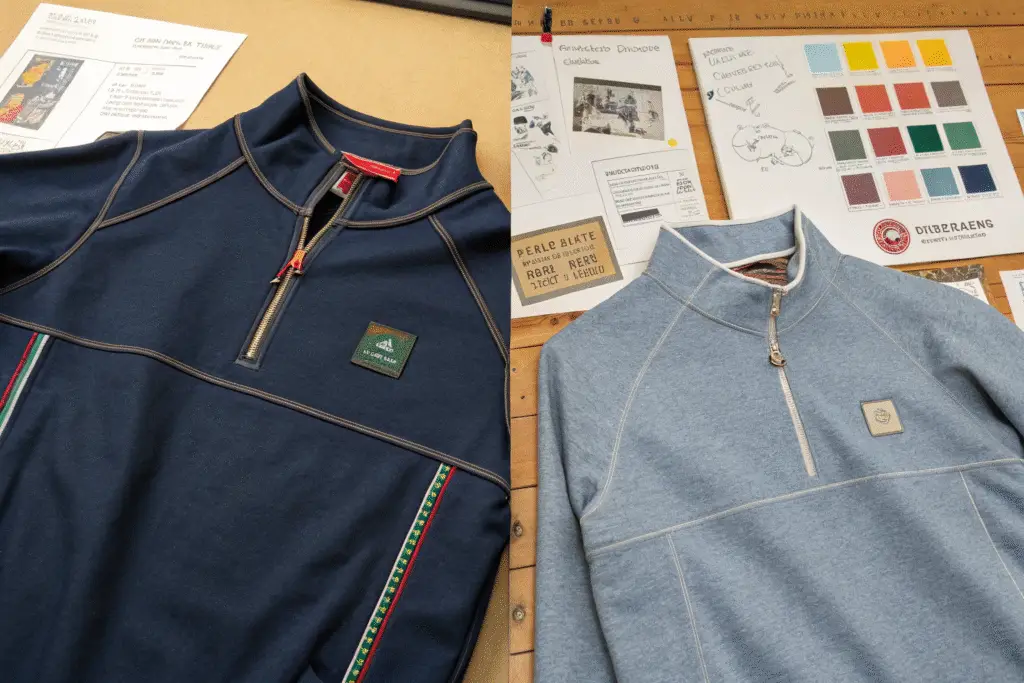
If you're building your brand on blanks or print-on-demand garments, you may be indistinguishable from hundreds of others. Custom manufacturing allows you to control fit, fabric choice, and signature design cues—creating a visual identity embedded in the product itself.
Brands like Outdoor Voices and Entire Studios built recognition through unique fits and fabric texture. Your factory should help you create patterns that match your identity—whether boxy, slim, cropped, or fluid.
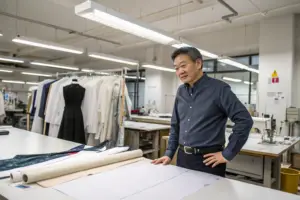
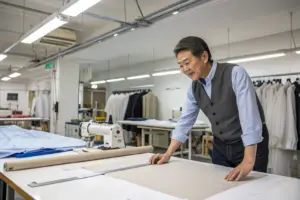
Ask for custom pattern development during product development—not just size grading from stock.
How Can You Align Fabric and Color With Your Brand?
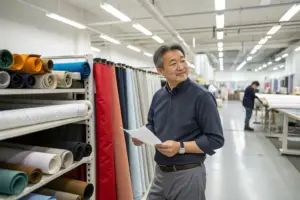
Your fabric speaks before your logo does. Choose textiles that match your positioning—smooth and shiny for modern minimalism, washed cotton for vintage casual, rib knits for comfort branding.
Suppliers like FabricSight or SwatchOn offer trend-specific libraries. Request Pantone-matched dyeing to ensure color consistency.
If your brand palette includes muted neutrals, don’t settle for factory defaults—invest in lab dips that match your seasonal themes and brand identity guidelines.
How Do Labels, Tags, and Trims Reinforce Brand Identity?
Brand identity doesn’t end with design. The right label, zipper, or hangtag tells a visual story. These “silent signatures” can create emotional connection and reinforce perceived value—especially in eCommerce and boutique environments.
What Types of Labels Should You Consider?
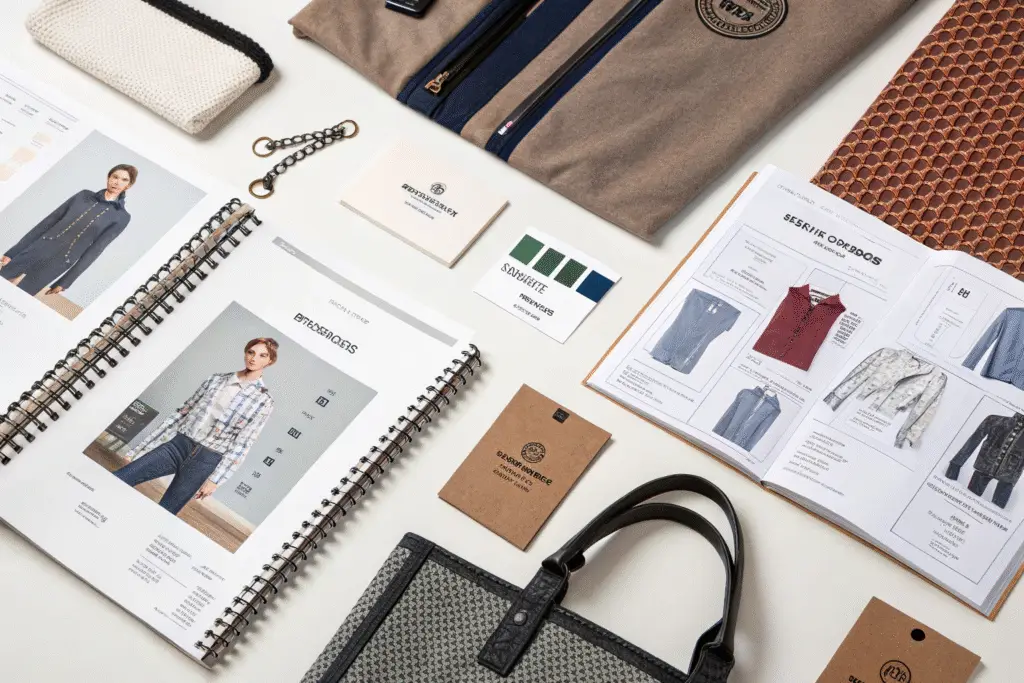
Custom labels are your brand's fingerprint. Options include:
- Woven neck labels (clean and premium)
- Heat transfer tags (athletic or minimal)
- Sewn side tabs (streetwear and detail-led)
- Branded care labels (great for storytelling)
Suppliers like Avery Dennison and Dutch Label Shop offer low-MOQ, eco-certified label options. Match label type with your garment’s vibe—organic cotton tees pair well with soft woven tags, while gymwear suits transfer prints.
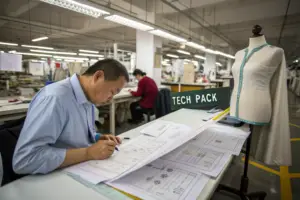
Request label placement previews in your tech pack before sampling.
How Do Trims and Packaging Elevate Perceived Value?
Small touches drive perception. Branded metal snaps, embossed buttons, custom drawstrings—these elevate your garment from basic to boutique.
Packaging also matters. Use recycled polybags, branded tissue wrap, and stickers to deliver a complete unboxing experience. Tools like Noissue and Sticker Mule allow you to match packaging to your design language.
Ask your manufacturer if they can do FSC-certified packaging or coordinate packaging kits for direct-to-consumer fulfillment.
How Do You Use Fit and Silhouette as a Signature?
Silhouette is the most overlooked brand asset. A brand that nails fit will build loyalty faster than one that changes styles every month. The right manufacturing partner can help you standardize your fit across product types and seasons.
Can Consistent Fit Create Brand Recognition?
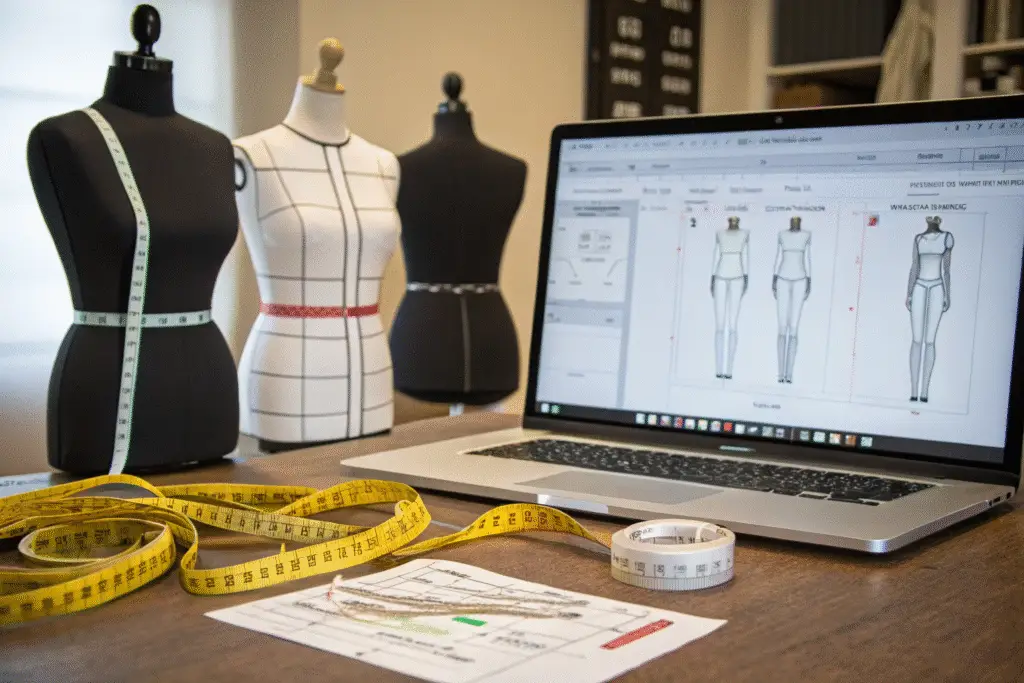
Yes. Customers come back to brands that “just fit right.” Whether your vibe is oversized, hourglass, or athletic, your fit strategy must be intentional and consistent.
Use tech packs with base size specs and graded rules per size. Work with your manufacturer’s pattern maker to create fit blocks you can reuse across SKUs. Brands like AYR and Universal Standard built followings based on sizing consistency.
Ask for fitting videos from your supplier and document approvals during sampling.
How Can You Use Silhouette to Express Brand Voice?
Think about your target customer. Are they expressive, minimalist, romantic, athletic? Match silhouette accordingly.
For example:
- Cropped oversized tees = Gen Z, streetwear
- High-waist flared pants = retro-chic or mature minimalism
- Longline layering = gender-neutral or unisex identity
Create a brand silhouette guide and reference it with every new season. If possible, photograph samples on your fit model to build internal brand fit archives.
How Can Custom Manufacturing Support Long-Term Brand Growth?
Manufacturing isn’t just about this season—it’s about scaling your vision. Partnering with the right factory gives you a foundation to evolve your brand identity, test new silhouettes, and build consistency year-over-year.
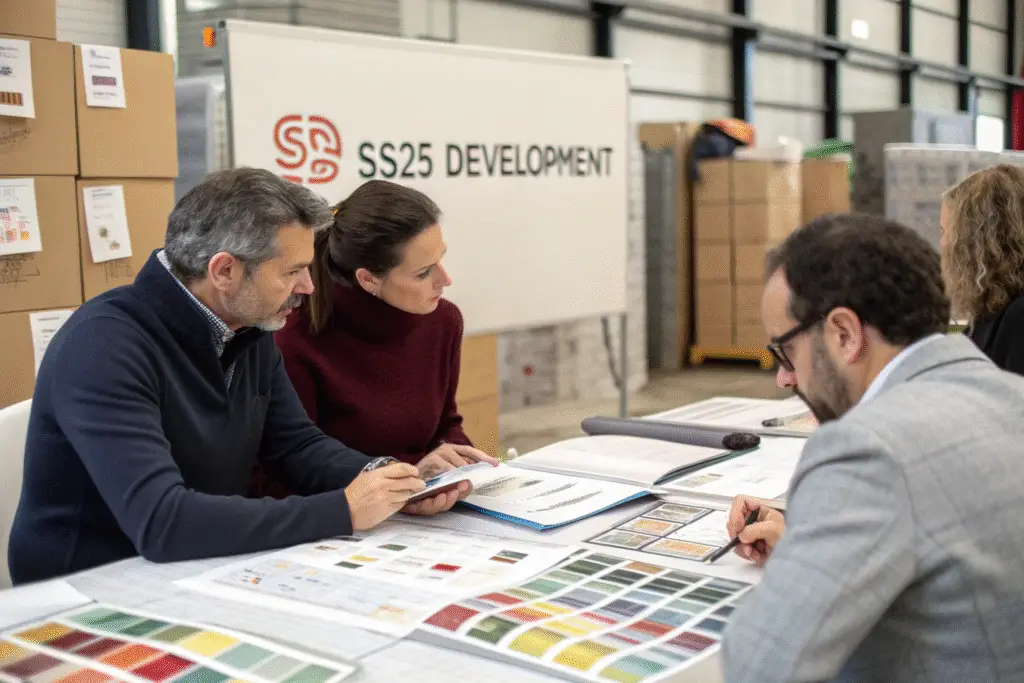
What Role Does Sampling Play in Brand Development?
Each sample helps define your identity. Use samples to test:
- New shapes
- Color expressions
- Branding placement
Ask for development calendars that include lab dips, trim approvals, and PP (pre-production) samples. Document revisions carefully and build internal brand “spec DNA”.
Work with suppliers who offer dedicated sample teams and allow video sampling reviews if you're not onsite.
How Can You Scale Without Losing Brand Cohesion?
Your brand will grow. But as you move from 200 to 2,000+ units, consistency becomes hard. That’s why you need a factory that understands brand logic—not just production instructions.
Use tech packs with annotation layers, maintain a brand manual, and develop QC checklists that reflect visual standards. We recommend using tools like SupplyCompass or Zedonk for production workflow tracking.
At Fumao Clothing, we offer brand-aligned production folders and archive past samples for each client to ensure continuity season after season.
Conclusion
Brand identity isn’t built on ads—it’s woven into every seam, label, and stitch of your product. With the right manufacturing partner, your vision becomes physical, consistent, and memorable. From fit to fabric, trims to tags, each decision tells your story.
At Fumao Clothing, we help fashion brands develop their identity through deep product development, fit control, and full customization. Whether you’re just launching or scaling, we support your branding from sketch to shelf.
Get in touch with our Business Director Elaine at elaine@fumaoclothing.com to start building a garment line that truly reflects your brand.