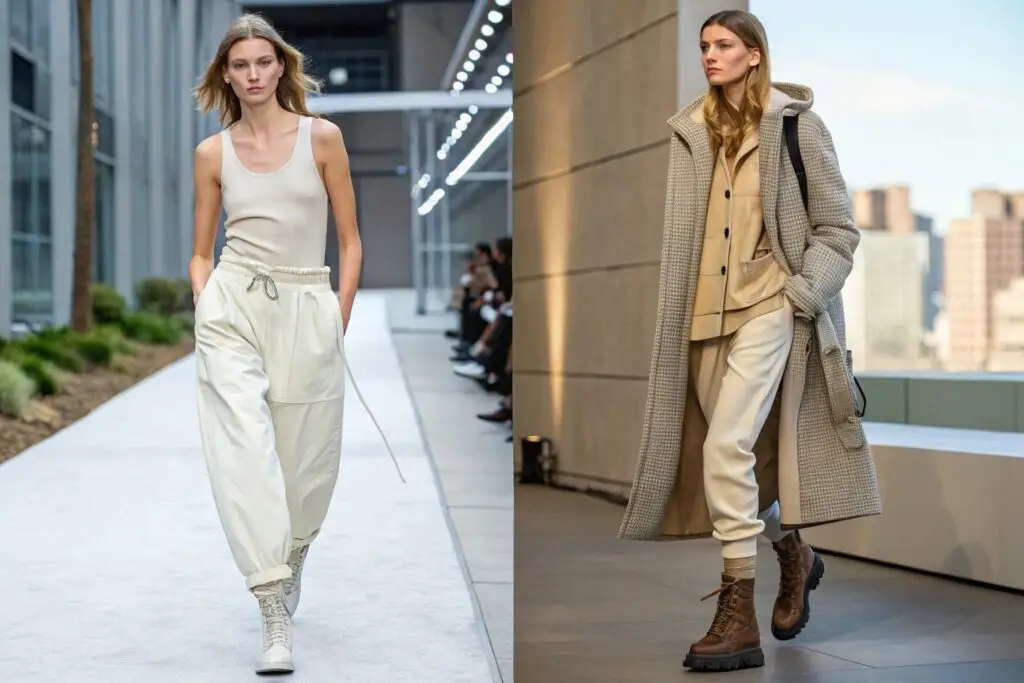
One-size-fits-all doesn’t cut it in capsule design. A piece that thrives in Paris might flop in Miami. That’s why climate-driven capsules are essential.
To succeed globally, capsule lines must adapt to regional climates—through fabric, layering, palette, and smart design strategy.
In this guide, I’ll walk you through how we help clients tailor their capsule collections to specific weather profiles—without losing cohesion or brand identity.
Choosing Fabrics Based on Regional Weather Needs?
Even the most stylish design will fail if it’s made from the wrong fabric for the market’s climate.
Fabric choice must reflect local weather realities—humid heat, dry cold, tropical rain—not just aesthetic trends.
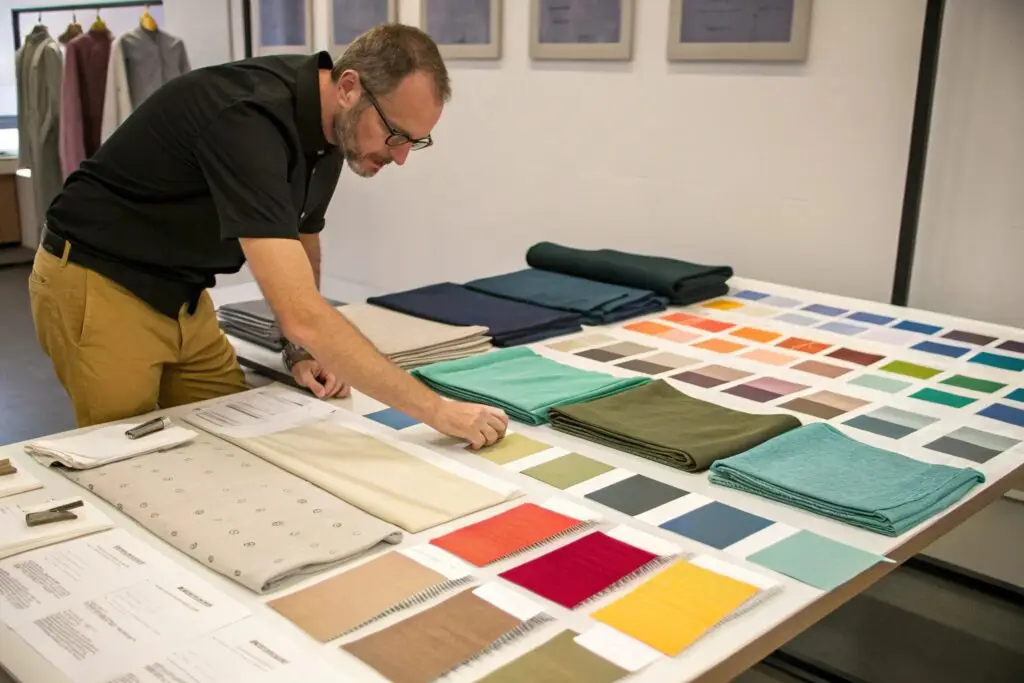
What climate types should influence your fabric selection?
We break most markets into five fabric-sensitive zones:
| Climate Type | Key Concerns | Ideal Fabrics |
|---|---|---|
| Hot & Humid | Sweat, clinging, odor | Linen, bamboo, modal, open-weave cotton |
| Hot & Dry | UV, skin irritation | Tencel, cotton poplin, light viscose blends |
| Cold & Dry | Warmth, breathability | Wool, brushed cotton, flannel, polar fleece |
| Cold & Damp | Moisture, chill | Softshell, bonded jersey, merino blends |
| Temperate | Layering, all-year use | Midweight jersey, cotton-linen, ponte knits |
Each capsule’s fabric logic starts with understanding that region’s daily comfort factors. For example, buyers in Texas may prioritize moisture-wicking linen even in their fall capsules, while buyers in Norway demand brushed knits even in spring collections.
What are the top mistakes brands make when selecting fabrics for specific markets?
-
Using the same base fabric for every region
→ Doesn’t allow for proper thermal regulation or wearability -
Choosing based on color, not function
→ A dusty pink wool blazer may fit a palette—but not the local 35°C weather -
Ignoring laundry habits
→ Some markets prefer machine-washable fabrics, others prioritize drape and feel
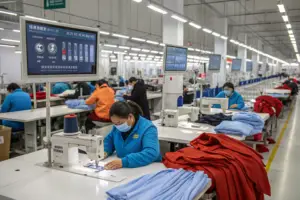
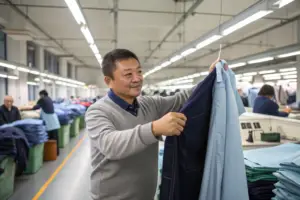
At Fumao, we keep swatch books divided by climate demand. Every new client capsule begins with regional climate mapping—then fabric testing.
Designing Layered Capsules for Temperature Variability?
Not every market is straightforward. Some regions swing 15°C in one day—or go from freezing mornings to hot afternoons. That’s where modular layering is key.
Layering capsules adapt to fluctuating temperatures by allowing buyers to build comfort across time, not just trend.
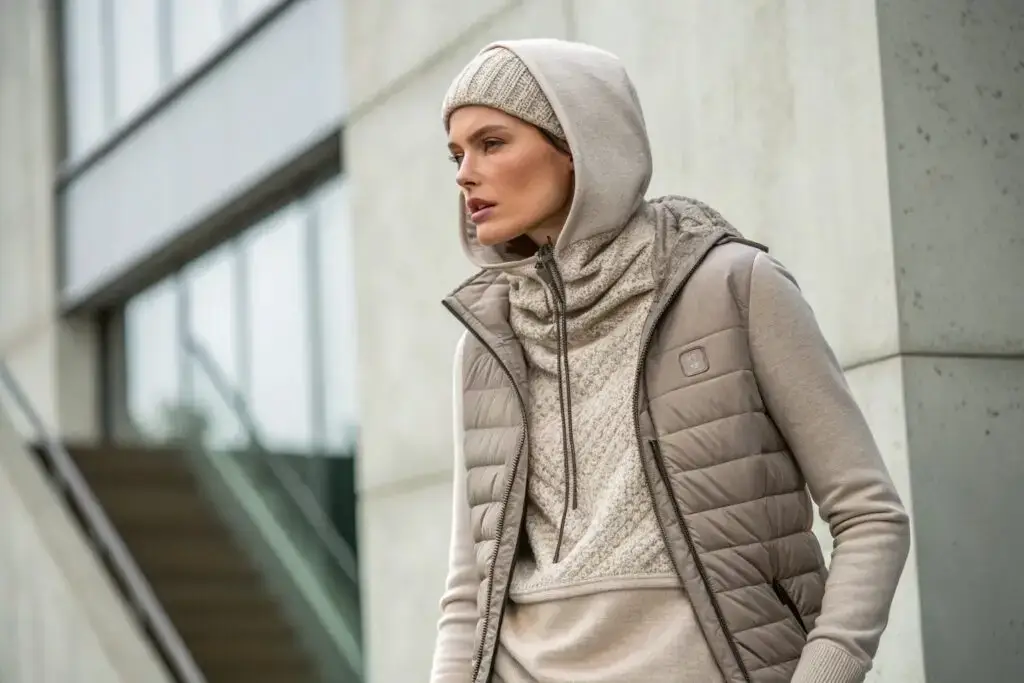
What layering logic works best for temperature-variable climates?
Use a 3-tier system:
| Layer Type | Function | Recommended Pieces |
|---|---|---|
| Base | Sweat-wicking, soft-on-skin | Lightweight jersey tank, bamboo tee |
| Mid | Insulation, core warmth | Cotton knit, light fleece pullover |
| Outer | Weather resistance, finish | Softshell jacket, wool wrap coat |
Each piece should:
-
Be wearable alone
(e.g., base layer should double as a summer top) -
Work with at least 2 other layers
(e.g., midlayer fits under outerwear and over base) -
Fold easily or pack small
(important for buyers on the move)
We recommend offering at least one hybrid garment, like a shacket or hooded wrap, that transitions seasons.
How do layered capsules support wholesale buyers better?
Layering lets retailers:
- Adjust stock for seasonal shifts
- Offer modular looks with higher AOV (average order value)
- Reduce return rates due to weather mismatch
In fact, a client in Vancouver saw a 30% drop in returns when switching to a 3-layer approach in their fall drop. The customer could just take off a layer—rather than stop wearing the piece.
Climate-Specific Color Palettes and Style Choices?
Color isn’t just about mood—it’s about function and visual comfort in local conditions.
Climate-specific palettes help garments feel at home—blending into local style codes while staying brand-authentic.
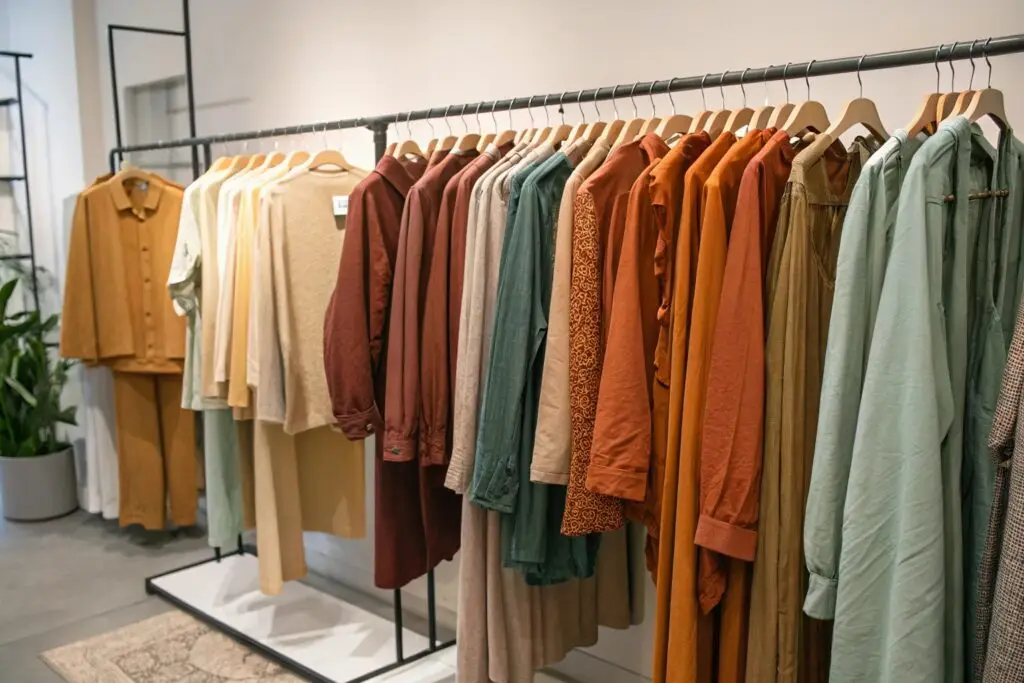
How do climate zones impact color strategy?
Sunlight, humidity, and even air quality change how colors are perceived.
| Climate | Light Effect | Preferred Palette |
|---|---|---|
| Desert Hot | High glare | Earth tones, muted neutrals, sandy whites |
| Tropical Wet | Lush and dense | Saturated greens, coral, cool greys |
| Northern Cold | Low light | Deep navy, olive, burgundy, soft ivory |
| Coastal Humid | Reflective haze | Misty blues, warm taupe, citrus accents |
| City Mild | Variable contrast | Classic black, mid-tone denim, camel, ecru |
Design also matters. In hot zones, loose silhouettes with airflow are preferred. In cold ones, layered cuts with thermal retention rank higher.
Example:
For a spring capsule targeting Boston vs. Bangkok:
| Element | Boston Capsule | Bangkok Capsule |
|---|---|---|
| Outerwear | Midweight trench | Cotton-linen overshirt |
| Color scheme | Navy, khaki, soft pink | White, mint, ocean blue |
| Fabrics | Poplin, brushed cotton | Linen, open-weave rayon |
| Cut emphasis | Tailored & longline | Cropped & breathable |
Understanding local color psychology + climate logic is what makes a capsule truly sellable—not just photogenic.
How to Balance Breathability, Warmth, and Style?
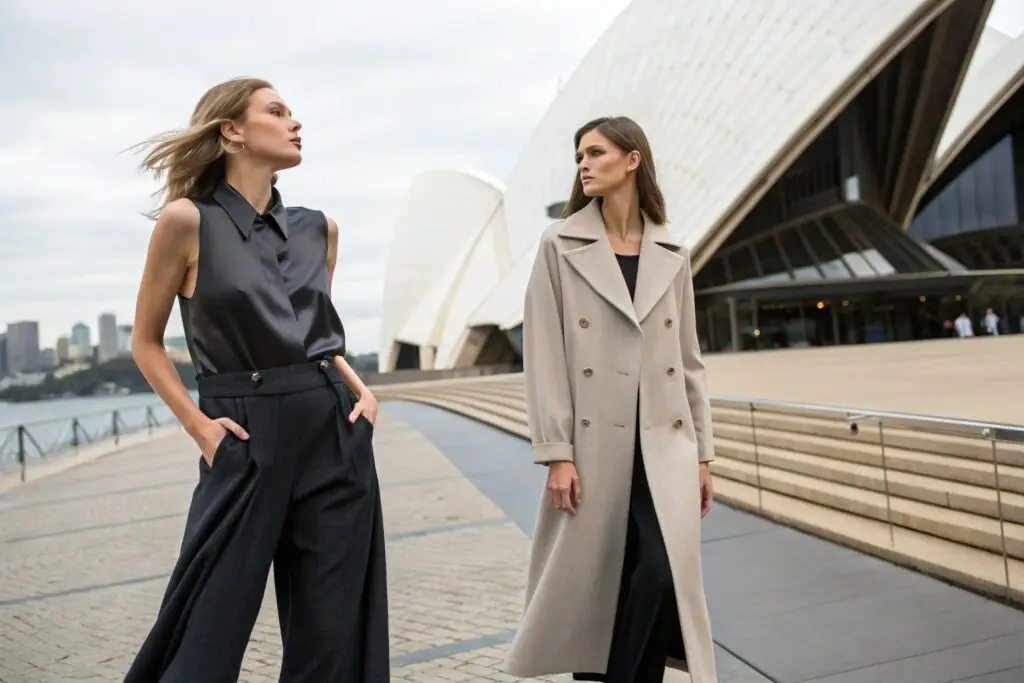
Your buyers want function—but never at the expense of style. The best climate-adapted capsules deliver both.
Balancing warmth and breathability with strong silhouettes and finishings is the core skill behind climate-specific capsule design.
What techniques help achieve this balance?
-
Use dual-sided fabrics
→ Cotton-nylon blends with soft touch outside and sweat-wicking inside
→ Wool-backed ponte knit: warm without bulk -
Design with airflow zones
→ Side vents, back yokes, open cuffs—let the body regulate heat -
Select modular details
→ Removable collars, roll-up sleeves, hidden zips -
Fuse tech with tailoring
→ Water-repellent finish on classic silhouettes
→ Insulated inner linings hidden inside structured coats
Design trick: don’t advertise function, embody it.
Let your capsule look like fashion—but feel like performance wear.
| Design Goal | Execution Technique |
|---|---|
| Keep warm | Thermal knit linings, wool sleeves |
| Stay cool | Ventilated underarms, cotton mesh panels |
| Look sharp | Dart shaping, luxe buttons, clean hem lines |
| Reduce bulk | Bonded seams, elastic flat waistbands |
Why is this balance so important in global markets?
Because buyers don’t buy clothes.
They buy how it makes them feel in their real environment.
When your capsule helps them stay comfortable and stylish—whether in Rio or Berlin—you earn their trust. And their repeat orders.
Conclusion
Climates shape clothing more than trends do. When your capsule respects local weather—through fabric, function, color, and cut—it doesn’t just sell. It belongs.